Synagoge, Dresden Travel Guide
Free Guide: Discover the New Synagogue in Dresden: a modern architectural marvel symbolizing the rebirth of Jewish life, standing on the historic site of the Semper Synagogue.


A brief summary of Synagoge
Discover the New Synagogue in Dresden: a modern architectural marvel symbolizing the rebirth of Jewish life, standing on the historic site of the Semper Synagogue.
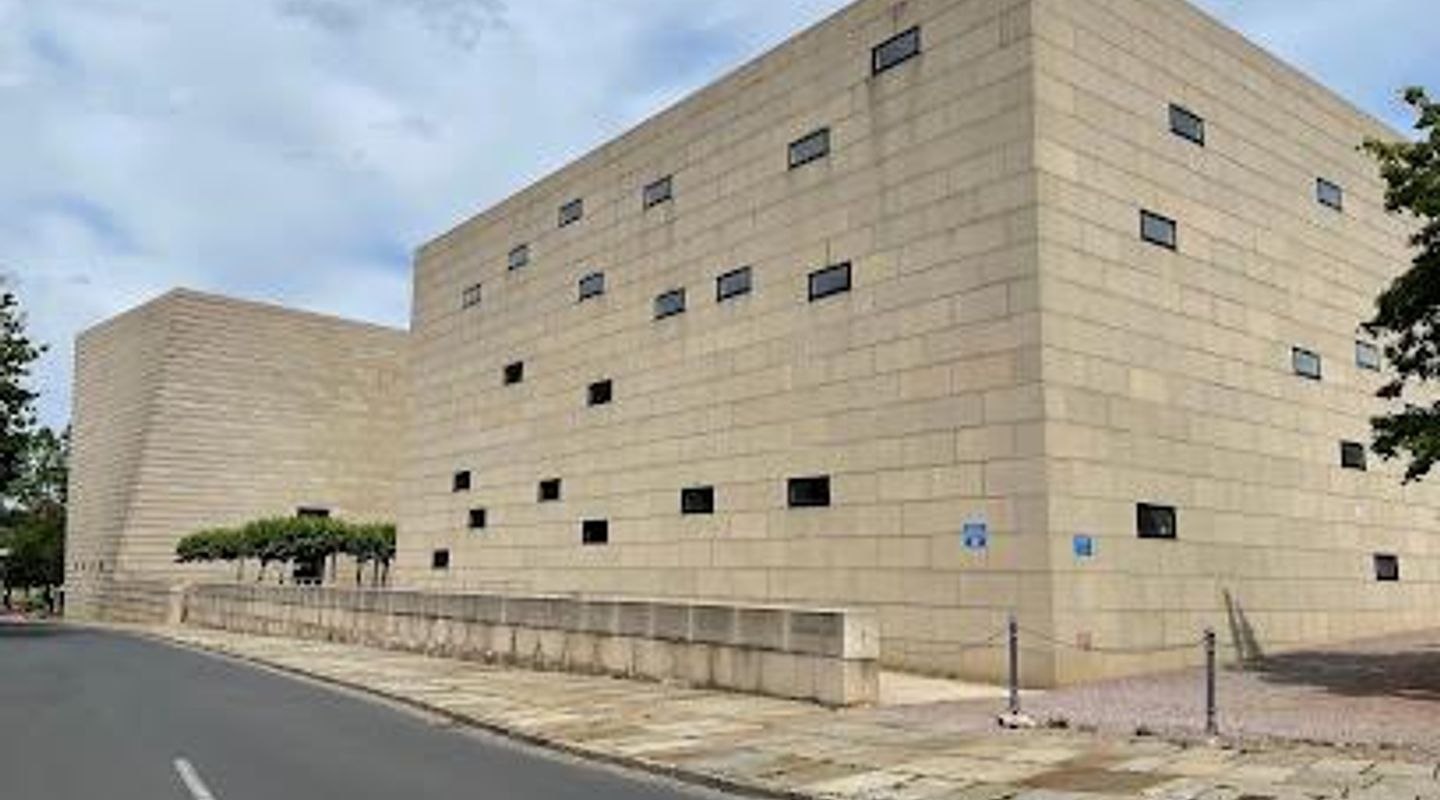
The New Synagogue in Dresden stands as a testament to the resilience and rebirth of the Jewish community after the horrors of the Holocaust. Completed in 2001, it replaces the Semper Synagogue, which was destroyed during Kristallnacht in 1938. Designed by architects Rena Wandel-Hoefer and Wolfgang Lorch, the modern structure incorporates fragments of the original building, creating a poignant link to the past. Its unique architecture, characterized by a twisting concrete structure and a golden metal mesh interior, offers a contemplative space for worship and reflection. Located in the heart of Dresden's Altstadt, near other major landmarks, the Synagogue serves as a reminder of Dresden's complex history and the enduring spirit of its Jewish community, making it a significant cultural and historical site for visitors.
- Address
- Hasenberg 1, 01067 Dresden
- Phone
- Website
Getting there
Walking
Public Transport
Taxi/Ride-Share
Driving
Discover more about Synagoge
Overview
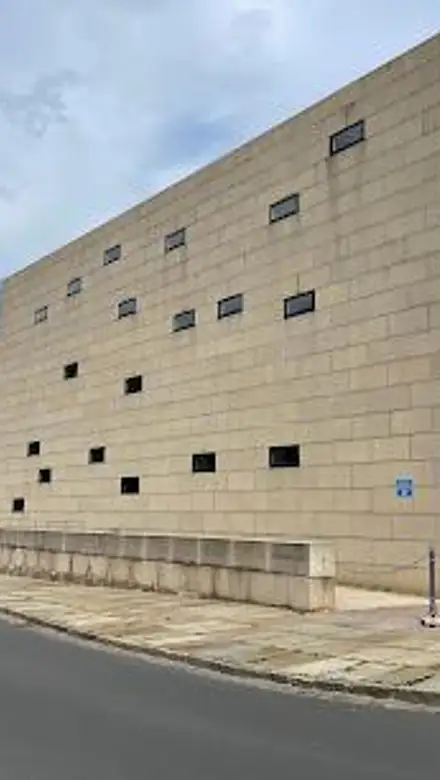
The New Synagogue in Dresden is more than just a place of worship; it is a powerful symbol of resilience, remembrance, and the enduring spirit of the Jewish community. Located on Hasenberg 1, in the heart of Dresden's historic Altstadt (Old Town), the synagogue stands on the same site as the Semper Synagogue, designed by Gottfried Semper and built in 1840. The original Semper Synagogue was a magnificent structure, a pioneering example of Moorish Revival architecture in synagogue design. It served as the center of Jewish life in Dresden for nearly a century, until it was tragically destroyed by the Nazis during Kristallnacht in November 1938. For decades, the site remained a void, a stark reminder of the devastation wrought by the Holocaust. After the reunification of Germany and a resurgence of the Jewish community in Dresden, the decision was made to rebuild a synagogue on the historic site. A design competition was held, and the commission was awarded to architects Rena Wandel-Hoefer and Wolfgang Lorch. Their vision was not to create a replica of the Semper Synagogue, but rather a modern architectural statement that would reflect both the history of the site and the renewed hope for the future. The New Synagogue was completed in 2001 and consecrated with great ceremony. Its architecture is striking and unconventional. The exterior is characterized by a monolithic structure of precast concrete stones, subtly twisting to orient the building towards Jerusalem. This twisting design also symbolizes the Jewish community's slightly offset position within the city's broader history. The boundary wall incorporates fragments of the original Semper Synagogue, poignantly connecting the past and present. The seemingly windowless cubic concrete structure allows light to enter through the roof and entrance area, creating a serene and contemplative atmosphere inside. The interior of the synagogue is equally remarkable. The worship space is framed by a smooth metallic textile of golden chain-mesh curtains suspended from the concrete ceiling, evoking the scale of the Temple at Jerusalem. Wooden furniture, including the pews, the bima (lectern), and the Torah shrine, are carefully positioned to highlight the spatial dynamics of the synagogue, creating a space that is both longitudinal and central. The overall effect is one of stability and fragility, massiveness and lightness, tradition and modernity. The New Synagogue complex also includes a community center, which stands adjacent to the synagogue. The community center provides space for various activities, including religious education, cultural events, and social gatherings. The buildings are connected by a central courtyard, creating a cohesive and welcoming space for the Jewish community and visitors alike. Visiting the New Synagogue offers a profound experience. It is a place to reflect on the past, to celebrate the present, and to look forward to the future with hope. The synagogue is not only a place of worship but also a cultural landmark that contributes to Dresden's rich architectural heritage. Its location in the Altstadt makes it easily accessible to tourists exploring other major attractions, such as the Frauenkirche, the Zwinger Palace, and the Semper Opera House. The history of the Jewish community in Dresden dates back to the 14th century, although periods of expulsion and persecution interrupted its continuity. The community experienced a revival in the 18th and 19th centuries, culminating in the construction of the Semper Synagogue. The Holocaust decimated the community, but survivors returned after the war and began the slow process of rebuilding. The opening of the New Synagogue in 2001 marked a significant milestone in this process, symbolizing the rebirth of Jewish life in Dresden. Today, the Jewish community in Dresden continues to grow, welcoming new members from around the world. The New Synagogue serves as a focal point for the community, providing a space for worship, education, and cultural activities. It also serves as a reminder of the importance of tolerance, understanding, and remembrance. Visitors to the New Synagogue can take guided tours to learn more about its history, architecture, and significance. The tours provide valuable insights into the Jewish community's past and present, as well as the symbolism embedded in the synagogue's design. The synagogue also hosts cultural events and exhibitions throughout the year, offering opportunities for visitors to engage with Jewish culture and heritage. The New Synagogue stands as a testament to the enduring power of faith, hope, and community. It is a place where history and modernity converge, where remembrance and renewal intertwine, and where the spirit of the Jewish people shines brightly in the heart of Dresden.
Evendo Review Centre
 Google
Guest reviews
Explore Synagoge on the map
A handpicked selection of must-see spots near Synagoge, mapped for you.
Get your free copy of our complete guide to Synagoge, delivered straight to you.
Everything on this page, from opening hours and how to get there to Eve’s tips and the best time to go, in one PDF you can read offline, print or share.
Already have an account? Sign in
Your Synagoge guide is ready.
We'll send it to · Not you? Sign out

Getting your guide ready…
We are putting together a fresh copy of the Synagoge guide. This can take up to a minute.
This can take a few moments. If your browser asks, choose Allow so the download can start. You'll find the guide in your Downloads folder.
Nothing happened? Download it again
Sorry, the guide is taking longer than usual. Please try again in a minute, or get it by email instead.
Unlock the best of Synagoge
Skip-the-line tickets, guided tours with entry, and walking tours of the area, booked in a few clicks.


Other nearby places you may find interesting
The closest places of the same kind, if this one is not quite what you had in mind.
-
-

-
-
-


Swipe for more places
More to explore near Synagoge

 Best experiences near Synagoge
 Best hotels near Synagoge
 Best landmarks near Synagoge
 Best attractions near Synagoge
 Best shops near Synagoge
 Best restaurants near Synagoge
 Best bars near Synagoge
Do you manage this location?
Take control to get all the benefits, like improved information, better appearance, and stronger visibility across AI-powered discovery.
Explore more

Explore more of Dresden
Discover Dresden: A city of resilience and beauty, where Baroque architecture meets vibrant arts and lush green spaces.
Explore Dresden
Explore more of Germany
Experience Germany: where history meets innovation, and urban energy blends with natural beauty. Discover diverse cultures, delicious cuisine, and stunning landscapes.
Explore Germany