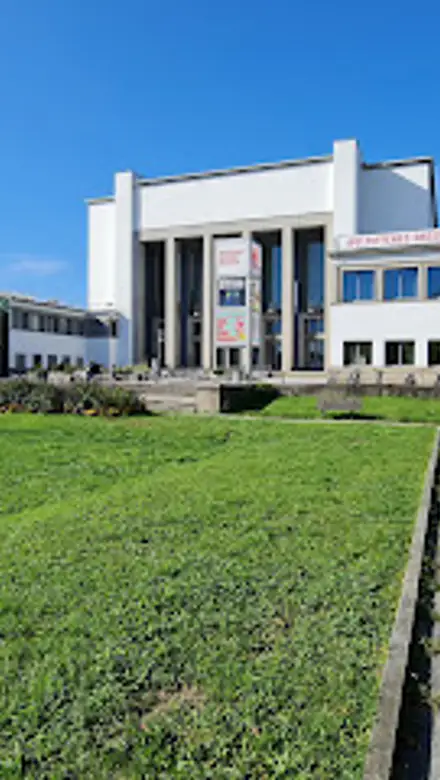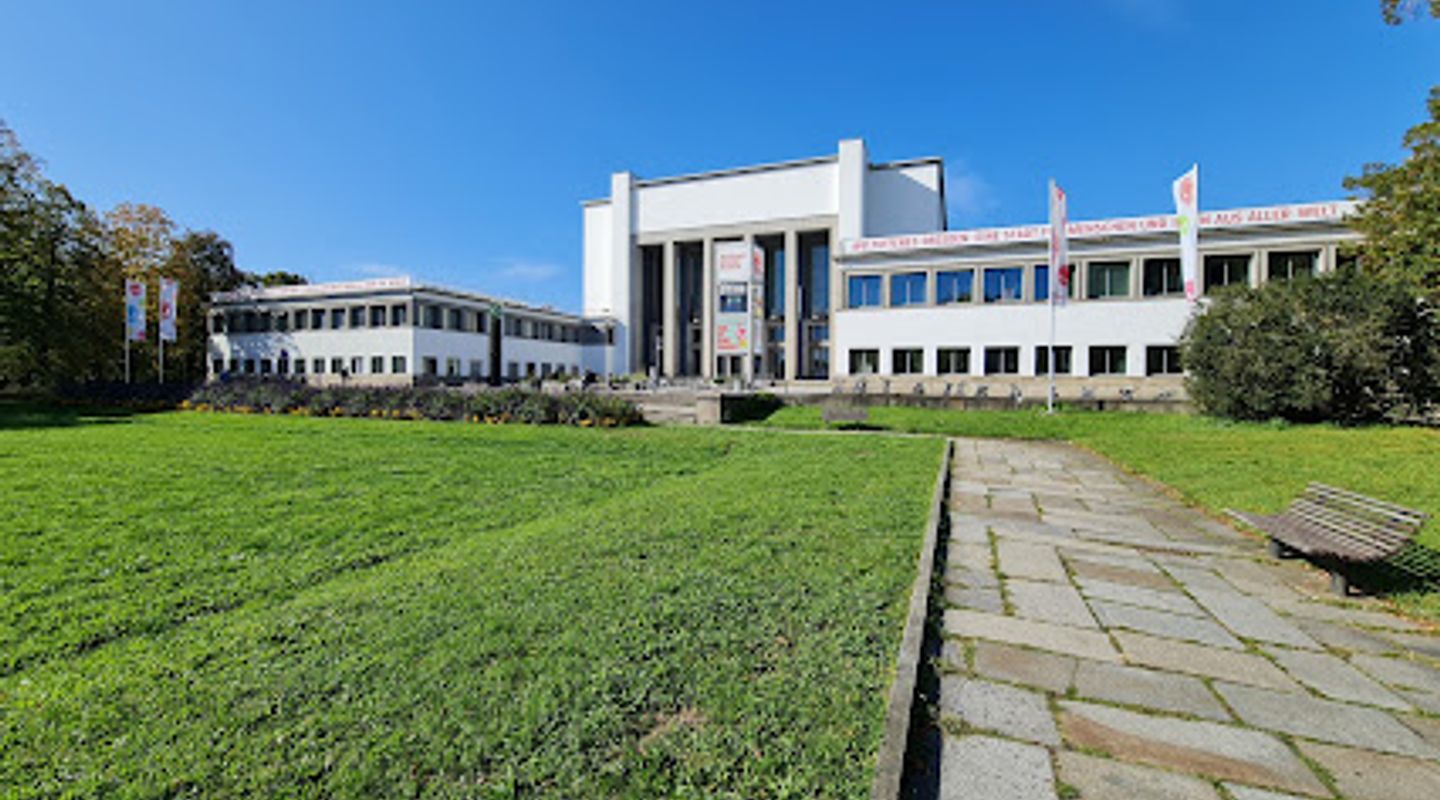
German Hygiene Museum, Dresden Travel Guide
Explore the fascinating world of the human body, health, and hygiene at Dresden's German Hygiene Museum, an interactive journey for all ages promoting well-being and understanding.
The German Hygiene Museum in Dresden is more than just a museum; it's an interactive journey into the human body, health, and hygiene. Founded in 1912, it presents a fascinating blend of science, culture, and society, making complex topics accessible to all ages. The museum's iconic Transparent Man, a see-through anatomical model, is a highlight, alongside exhibits on the senses, nutrition, and the history of hygiene. With its engaging displays and thought-provoking installations, the museum encourages visitors to reflect on their own health and well-being, offering a unique perspective on the human experience. Located near the Großer Garten, it's easily accessible and a must-see for anyone seeking an educational and captivating experience in Dresden.
A brief summary to German Hygiene Museum
- Lingnerpl. 1, Dresden, Altstadt, 01069, DE
- Click to display
- Click to display
- Monday 10 am-6 pm
- Tuesday 10 am-6 pm
- Wednesday 10 am-6 pm
- Thursday 10 am-6 pm
- Friday 10 am-6 pm
- Saturday 10 am-6 pm
- Sunday 10 am-6 pm

Know before you go
Hi, I'm Eve. Here are a few practical things to know before exploring German Hygiene Museum.
- Visit the Children's Museum for engaging, hands-on exhibits perfect for families with young children, making learning about health fun.
- Check the museum's website for temporary exhibitions and special events, which often offer unique perspectives on current health and social issues.
- Take advantage of the free audio guides available in multiple languages to enhance your understanding of the permanent exhibition.
- Combine your visit with a stroll through the adjacent Großer Garten, Dresden's green lung, for a relaxing break.
- If you have accessibility needs, be sure to utilize the museum's resources, including wheelchair access, tactile exhibits, and guided tours in sign language.
Do you manage this location?
Take control to get all the benefits, like improved information, better appearance, and stronger visibility across AI-powered discovery. Learn more about listing your business on Evendo
Activate your presenceOther nearby places you may find interesting
The closest places of the same kind, if this one is not quite what you had in mind.



Explore German Hygiene Museum on the Map
A handpicked selection of must-see spots near German Hygiene Museum, mapped for you.
Unlock the Best of German Hygiene Museum
Buy tickets
-
No tickets available
Book tours with entry
-
No tours available


Getting There
-
Public Transport
From Dresden Hauptbahnhof (main train station), take tram line 10 towards Striesen to the 'Georg-Arnhold-Bad/Deutsches Hygiene-Museum' stop. Alternatively, tram lines 1, 2, 4, or 12 will take you to the 'Deutsches Hygiene-Museum' stop. From either stop, it's a short, well-marked walk to the museum entrance. A single tram ticket costs approximately €2.50.
-
Walking
If you are near the Frauenkirche in the city center, the German Hygiene Museum is approximately a 15-minute walk. Head southeast, passing the Großer Garten on your right. The museum is located on Lingnerplatz, easily visible from the main path. No costs are associated with walking.
-
Taxi/Ride-Share
A taxi or ride-share from Dresden Hauptbahnhof to the German Hygiene Museum will typically cost between €8 and €12, depending on traffic. The journey takes around 5-10 minutes. Direct the driver to Lingnerplatz 1, 01069 Dresden.
-
Driving
If driving, approach via the A4/E40 highway, taking the Dresden Altstadt exit towards VW-Manufaktur and Rudolf-Harbig-Stadion. Paid parking is available in the immediate vicinity of the museum, including the Lingnerallee parking lot (Lingnerallee 3A, 01069 Dresden). Parking fees typically range from €2-3 per hour.
Discover more about German Hygiene Museum













Your all‑in‑one travel companion app
Explore expert travel guides, compare and book tours, experiences, hotels, and more—all from the palm of your hand. Download now for seamless trip planning wherever your wanderlust takes you.


Explore More of Dresden
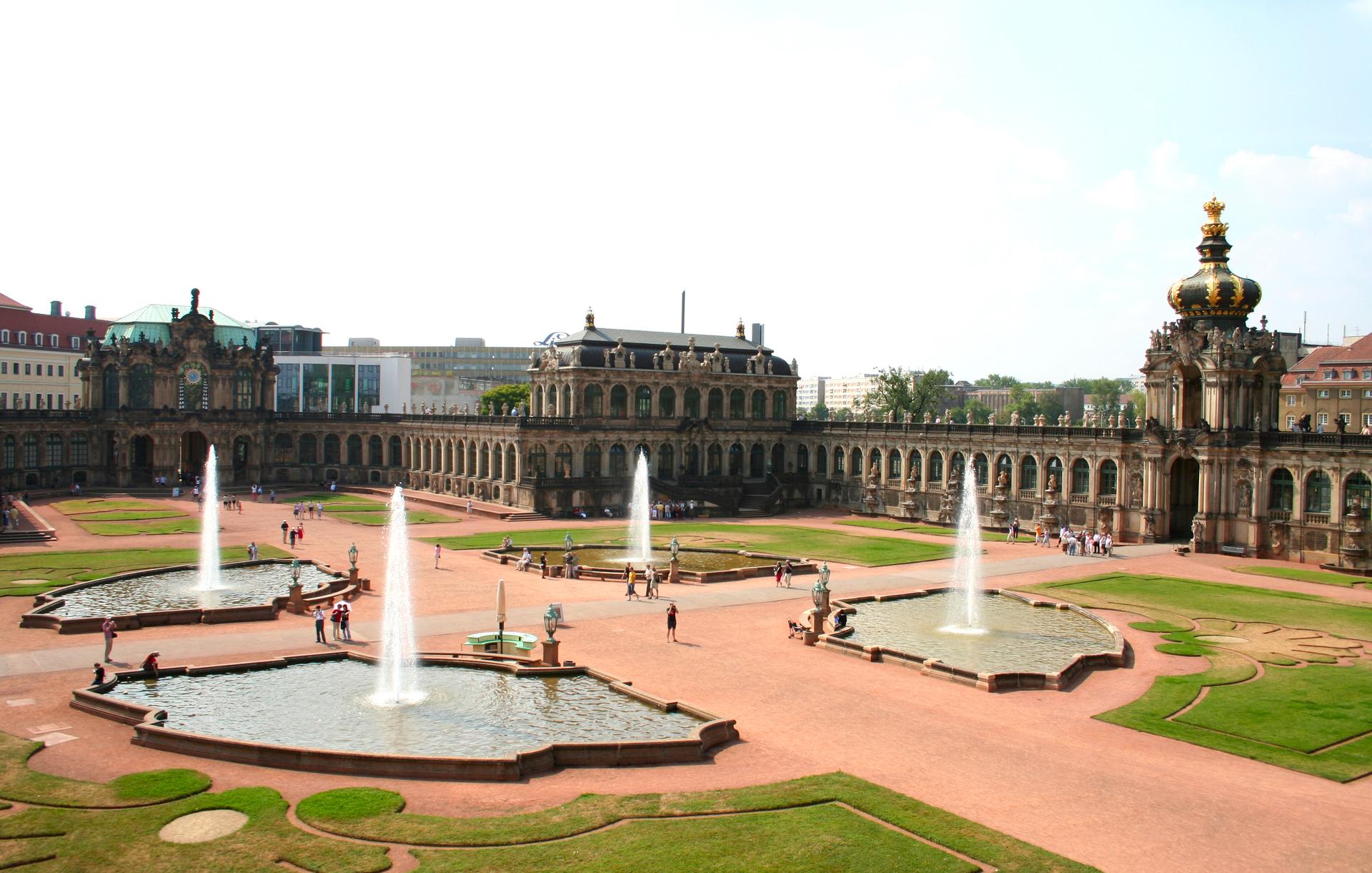
Looking beyond German Hygiene Museum? Discover Dresden for broader travel guides, local hot-spots, and regional highlights.
Explore Dresden
Discover Dresden's New Synagogue: A modern architectural marvel built on history, symbolizing resilience and rebirth in the heart of the city's Old Town.
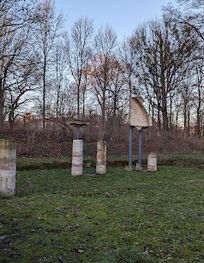
Discover Dresden's romantic side with a visit to the Künstliche Ruine in Bürgerwiese, a charming artificial ruin offering a picturesque escape and a glimpse into 19th-century aesthetics.