Bismarck Memorial: A Monument to German History
A historical landmark in Düsseldorf, the Bismarck Memorial commemorates Otto von Bismarck and the unification of Germany, offering a glimpse into the nation's imperial past.
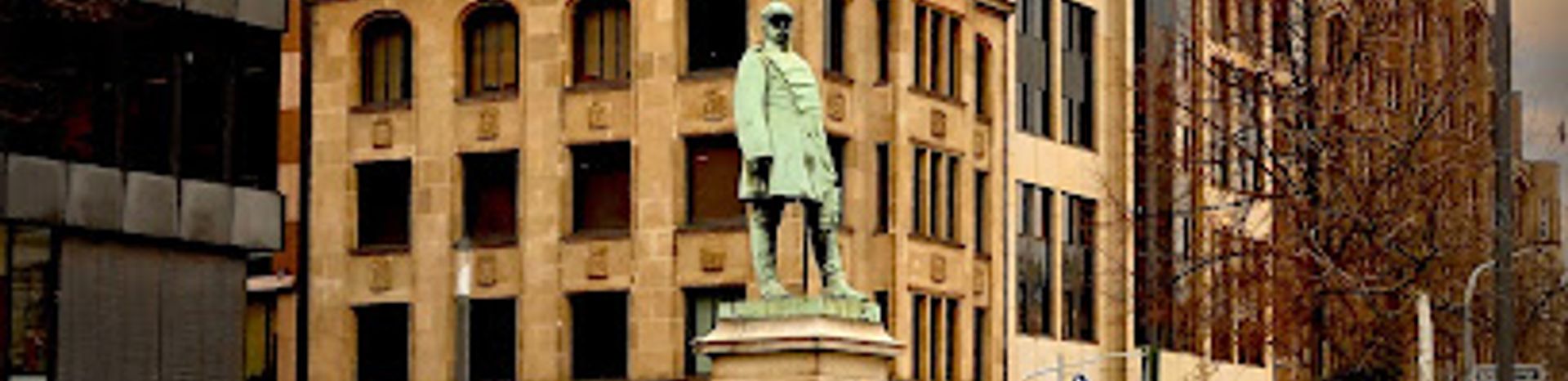
The Bismarck Memorial in Düsseldorf, a bronze statue erected in 1899, commemorates Otto von Bismarck, the first Chancellor of the German Empire. Located on Martin-Luther-Platz, the monument depicts Bismarck in military attire, flanked by allegorical figures representing the unification and industrialization of Germany. The statue, created by sculptors August Bauer and Johannes Röttger, originally stood in front of the Kunsthalle Düsseldorf before being moved to its current location. Today, it stands as a reminder of Germany's imperial past and Bismarck's significant role in shaping the nation. Martin-Luther-Platz itself is a vibrant square, offering a tranquil oasis in the heart of the city, surrounded by historical buildings and serving as a venue for cultural events.
A brief summary to Bismarck Memorial
- Martin-Luther-Platz, Düsseldorf, Stadtbezirk 1, 40212, DE
- Visit website
Local tips
- Visit during the Christmas season to experience the magical winter wonderland that transforms Martin-Luther-Platz.
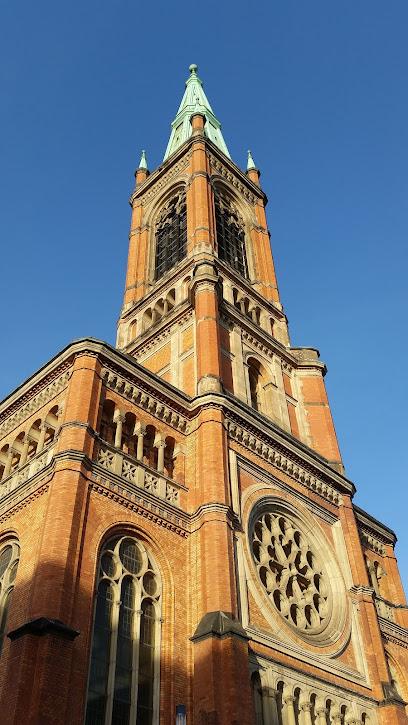
- Take a stroll around Martin-Luther-Platz to admire the surrounding historical buildings, including the Johanneskirche and the Justizministerium.
- Reflect on the complex legacy of Otto von Bismarck and his impact on German history while viewing the monument.

Getting There
-
Public Transport
The Bismarck Memorial is easily accessible via public transport. Several subway and tram lines stop within a short walking distance of Martin-Luther-Platz. The closest subway stations are Schadowstraße U (lines U71, U72, U73, U83) and Heinrich-Heine-Allee U (lines U70, U75, U76, U77, U78, U79). Tram lines 701, 705, and 706 also stop at Schadowstraße. From any of these stops, it's a short walk to Martin-Luther-Platz. A single ticket for a short trip (Kurzstrecke) within Düsseldorf costs approximately €1.90.
-
Walking
From Königsallee, Düsseldorf's famous shopping street, walk north towards the Schadow Arkaden. Once you reach the Schadow Arkaden, turn left onto Martin-Luther-Platz. The Bismarck Memorial is located in the square, near the Johanneskirche. The walk is approximately 5-10 minutes.
-
Taxi/Ride-Share
A taxi or ride-share from Düsseldorf Hauptbahnhof (main train station) to Martin-Luther-Platz will take approximately 10-15 minutes, depending on traffic. The estimated cost is between €10-€15. Ask the driver to drop you off at Martin-Luther-Platz near the Johanneskirche.
-
Driving
Driving directly to Martin-Luther-Platz is not recommended due to its location in a pedestrian zone. However, several parking garages are located nearby. The closest parking garage is Parkhaus Schadow Arkaden (Martin-Luther-Platz 26). Parking fees typically range from €2.80-€3.00 per hour. Alternatively, you can park at Kö-Bogen (Königsallee 2) or Parkhaus Trinkaus Galerie (Königsallee 21). From the parking garages, it's a short walk to Martin-Luther-Platz.
Discover more about Bismarck Memorial
Iconic landmarks you can’t miss

Martin-Luther-Platz
0.0 km
Discover Düsseldorf's Martin-Luther-Platz: A serene urban oasis blending historical landmarks, vibrant events, and tranquil green spaces in the heart of the city, near Königsallee and the Rhine.
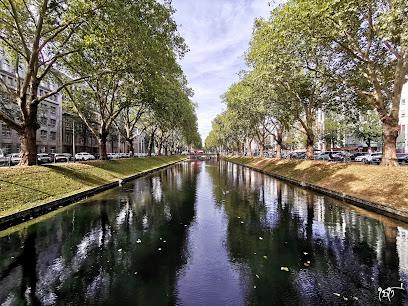
Girardet Bridge
0.2 km
Experience the architectural beauty and stunning views from Girardet Bridge in Düsseldorf, a must-visit landmark for every traveler.
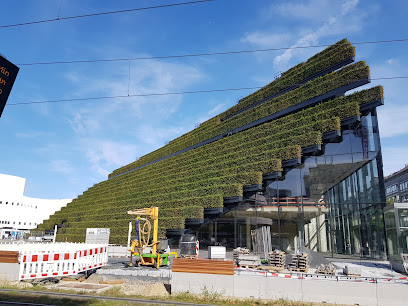
Dreieckswiese - Begehbares Dach
0.3 km
Discover Düsseldorf's innovative spirit at Dreieckswiese, a stunning rooftop garden offering panoramic city views, a tranquil escape, and a unique blend of nature and architecture.
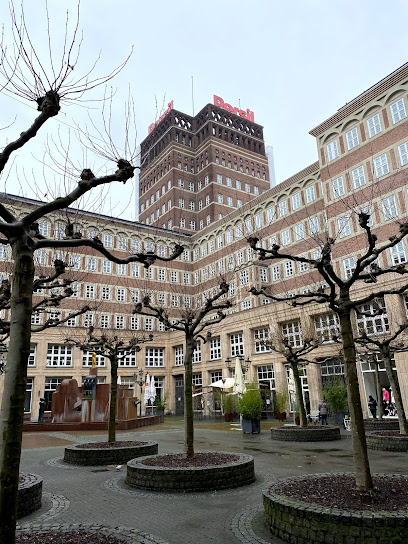
Wilhelm Marx Building
0.3 km
Discover Düsseldorf's architectural heritage at the Wilhelm Marx Building, a pioneering skyscraper in the heart of the Altstadt, blending history with modern city life on vibrant Heinrich-Heine-Allee.
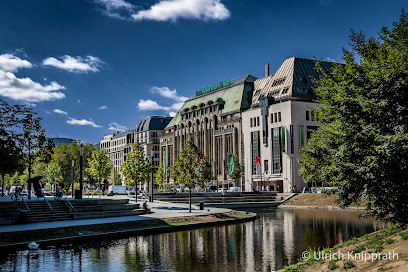
Kriegerdenkmal im Hofgarten
0.4 km
Reflect on history and honor the fallen at the Kriegerdenkmal im Hofgarten, a serene war memorial nestled within Düsseldorf's oldest public park, a tranquil escape in the city.
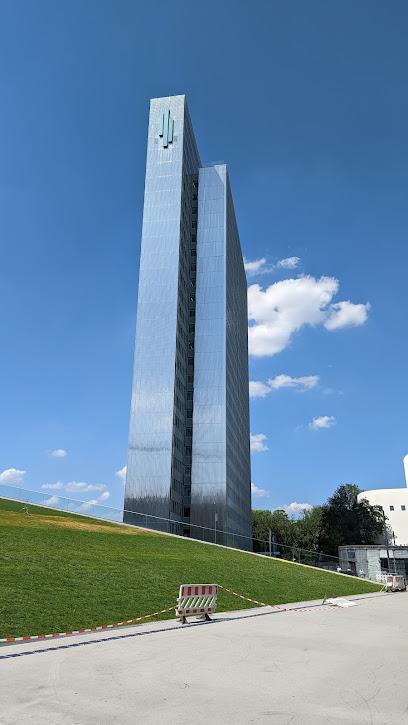
Dreischeibenhaus
0.4 km
Explore the iconic Dreischeibenhaus in Düsseldorf, where modern architecture meets the vibrant pulse of the city, creating a stunning visual experience.
Heinrich-Heine-Allee
0.4 km
Experience Düsseldorf's vibrant heart at Heinrich-Heine-Allee, a blend of upscale shopping, historical landmarks, and cultural experiences in a bustling, tree-lined boulevard.
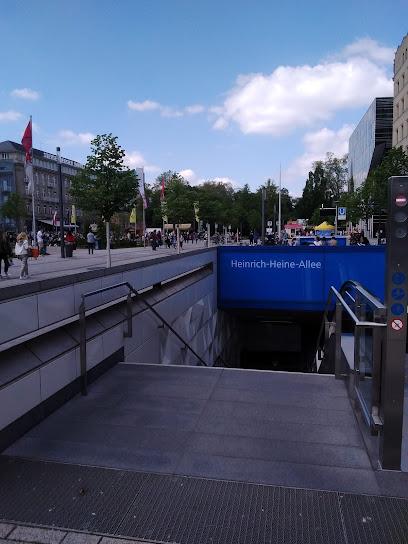
Kay-und-Lore-Lorentz-Platz
0.5 km
A public square in Düsseldorf's Old Town honoring Kay and Lore Lorentz, founders of the Kom(m)ödchen cabaret, a place of reflection and appreciation for the arts.
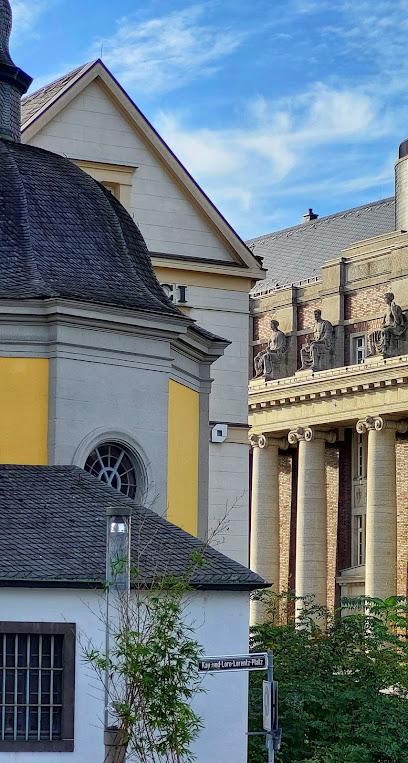
Vier Karyatiden
0.5 km
Discover the enchanting Vier Karyatiden in Düsseldorf, a stunning sculpture that embodies the city's artistic spirit and cultural richness.
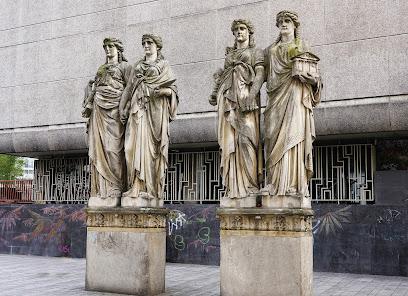
Schneider-Wibbel Statue
0.6 km
Visit the Schneider-Wibbel Statue in Düsseldorf's Old Town, a charming monument to a clever tailor and a symbol of the city's wit and resilience, nestled in a lane filled with culinary delights.
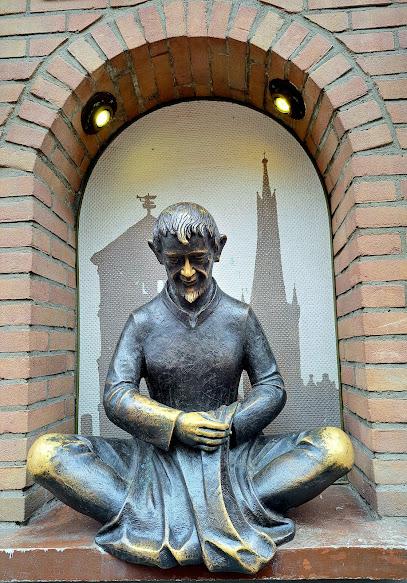
Carlspl. 2
0.6 km
Experience Düsseldorf's culinary heart at Carlsplatz Market, a historic marketplace brimming with fresh produce, gourmet foods, and international flavors in the city's vibrant center.
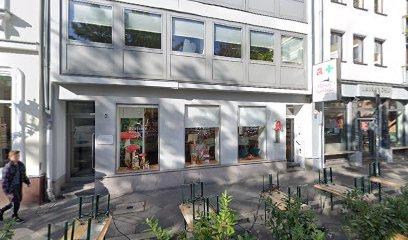
Marktplatz
0.7 km
Explore Marktplatz in Düsseldorf, a historical landmark filled with vibrant markets, stunning architecture, and rich cultural experiences that define the city's charm.
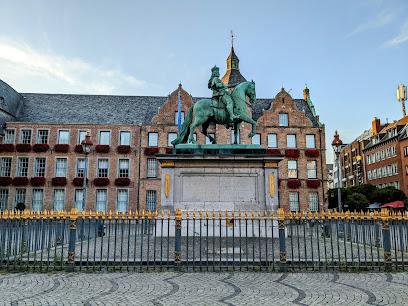
Jan-Wellem-Reiterstandbild
0.7 km
Explore the historic Jan-Wellem-Reiterstandbild, a stunning equestrian statue and cultural landmark in the heart of Düsseldorf's vibrant marketplace.
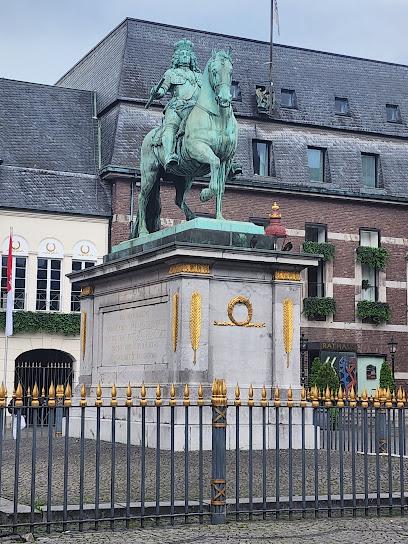
Marktpl. 2
0.7 km
Discover Düsseldorf's Marktplatz: A historic square in the heart of the Old Town, surrounded by stunning architecture, lively events, and culinary delights, offering a true taste of German culture.
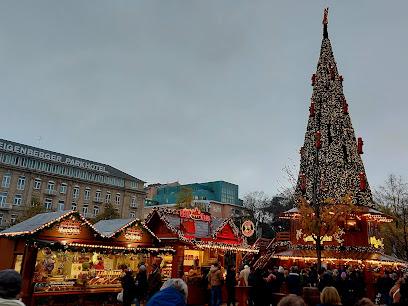
Alter Hafen Düsseldorf - Ehemaliger Sicherheitshafen
0.7 km
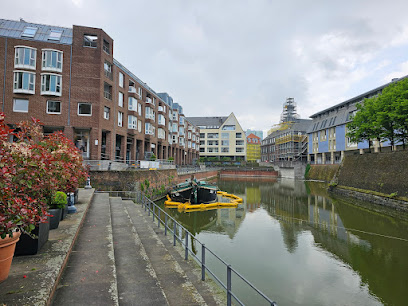
Discover Düsseldorf's maritime heritage at Alter Hafen, a vibrant waterfront district blending history, culture, and modern charm with scenic views and diverse culinary experiences.
Unmissable attractions to see

SCHMIED MIT KNABE
0.1 km
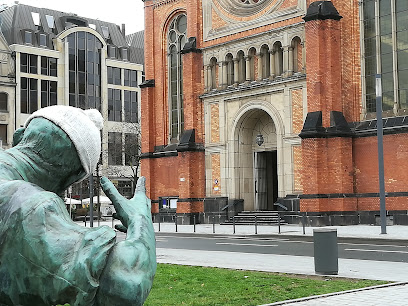
Explore the SCHMIED MIT KNABE in Düsseldorf, a historical landmark that captures the essence of craftsmanship and artistry in the heart of the city.
Kugelbrunnen
0.1 km
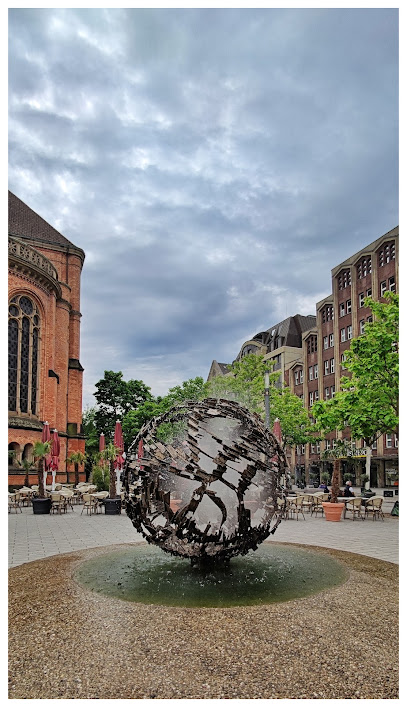
Experience the captivating beauty of Kugelbrunnen, a unique fountain in Düsseldorf that harmoniously blends art, architecture, and nature.
Stadtpfade Düsseldorf Stadtführung - Meeting Point
0.2 km
Experience the vibrant culture, rich history, and modern flair of Düsseldorf, a captivating destination for every traveler.
Tritonenbrunnen
0.2 km
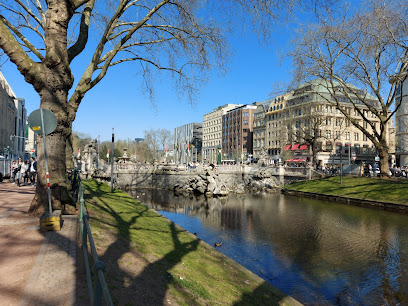
Explore the Tritonenbrunnen, a stunning fountain in Düsseldorf's Königsallee, merging artistry with nature in a vibrant city setting.
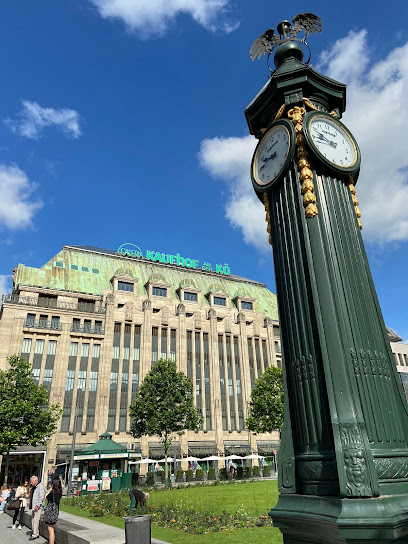
Düsseldorfs bekannteste Uhr
0.2 km
Experience the charm of Düsseldorf at its iconic clock, a symbol of elegance and history along the stunning Königsallee.
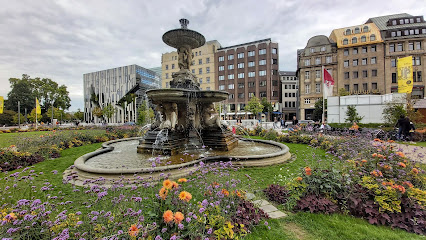
Schalenbrunnen auf dem Corneliusplatz
0.3 km
Discover the tranquil allure of Schalenbrunnen on Corneliusplatz, a stunning fountain and urban oasis in the heart of Düsseldorf.
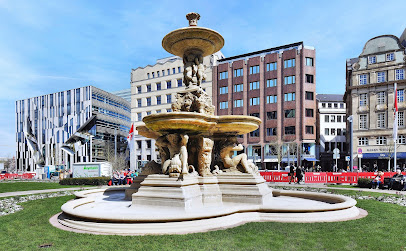
cornelius brunnen düsseldorf
0.3 km
Discover the serene beauty and historical charm of Corneliusplatz in Düsseldorf, a perfect spot for relaxation and exploration.
Königsallee
0.3 km
Explore Königsallee, Düsseldorf's luxurious shopping boulevard with stunning views, vibrant culture, and a delightful mix of fashion and dining experiences.
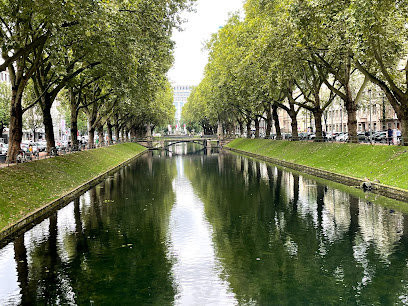
Kö-Bogen
0.3 km
Explore Kö-Bogen, Düsseldorf's vibrant hub of luxury shopping, stunning architecture, and rich cultural experiences along the iconic Königsallee.
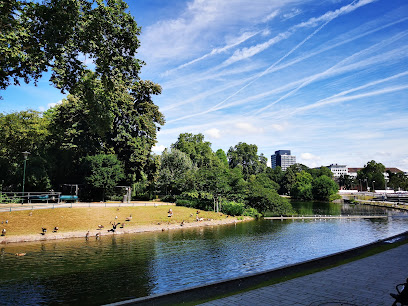
Nagel
0.3 km
Experience the essence of German cuisine at Nagel in Düsseldorf, where traditional flavors meet modern culinary artistry.
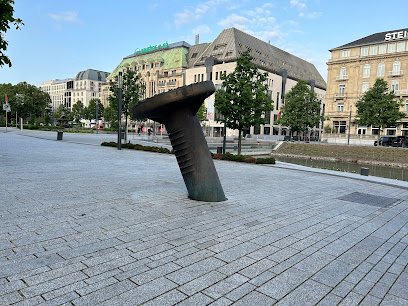
Stadtgraben / Königsallee
0.4 km
Explore the beauty of Stadtgraben and Königsallee in Düsseldorf, where lush landscapes meet upscale shopping and vibrant culture.
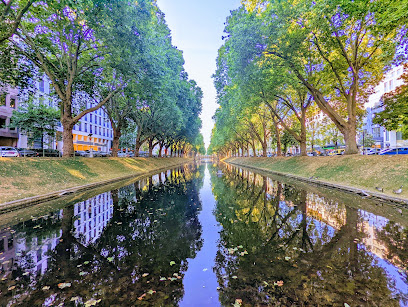
German Oper am Rhein
0.5 km
Experience the elegance of the German Oper am Rhein in Düsseldorf, where world-class performances meet stunning architecture and rich cultural history.
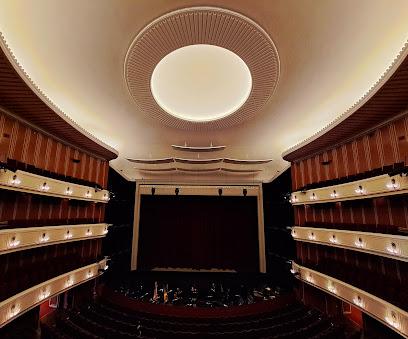
Düsseldorf Theater
0.5 km
Explore the vibrant Düsseldorf Theater, a hub for performing arts offering unforgettable shows in a stunning architectural setting.
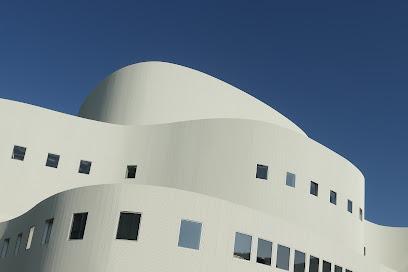
Little Tokyo Düsseldorf
0.5 km
Experience the vibrant flavors and culture of Japan in the heart of Düsseldorf at Little Tokyo, a must-visit destination for any traveler.
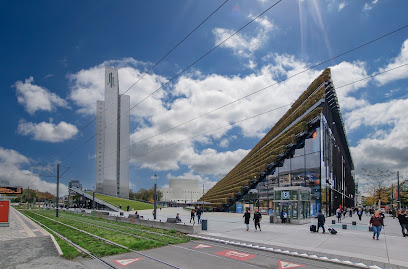
Märchenbrunnen
0.5 km
Discover the enchanting Märchenbrunnen in Düsseldorf, a historical fountain that brings fairy tales to life with its captivating sculptures and rich cultural heritage.
Essential places to dine

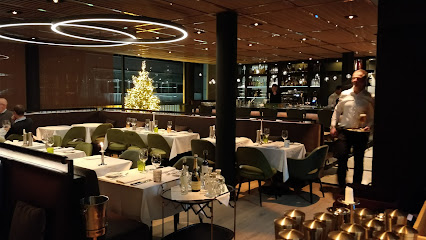
The Grill Upper Kö
0.1 km
Experience unparalleled steakhouse dining at The Grill Upper Kö – where culinary artistry meets luxurious ambiance in Düsseldorf.
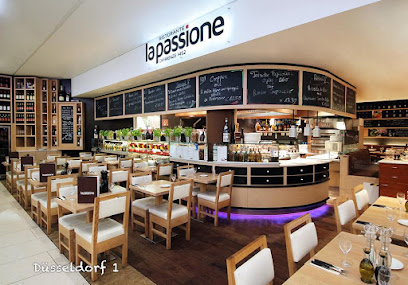
La Passione
0.2 km
Discover the taste of Italy at La Passione in Düsseldorf – where exquisite cuisine meets exceptional wine in an inviting atmosphere.
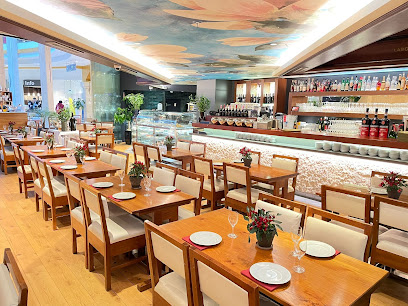
Ristorante Barolo
0.2 km
Experience authentic Italian cuisine at Ristorante Barolo in Düsseldorf - a culinary gem offering exquisite dishes in a charming setting.
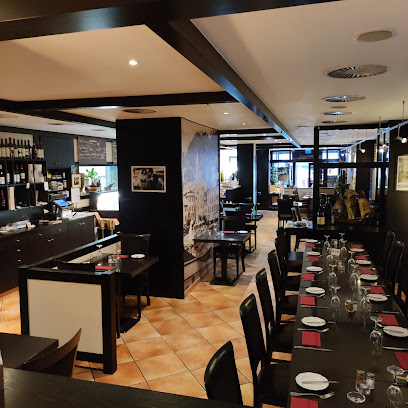
Portofino
0.3 km
Experience authentic Italian cuisine at Portofino in Düsseldorf – where every dish is crafted with love and tradition.
Ginos Restaurant & Bistro
0.3 km
Discover the perfect blend of Italian flavors and local charm at Ginos Restaurant & Bistro in Düsseldorf.
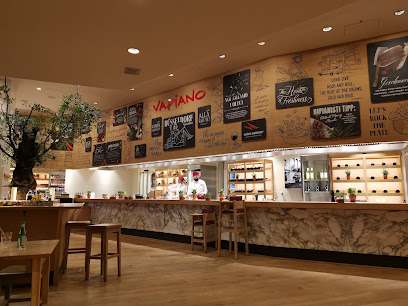
VAPIANO
0.3 km
Experience authentic Italian flavors at VAPIANO in Düsseldorf's vibrant Königsallee - fresh pasta, pizzas & more await you.
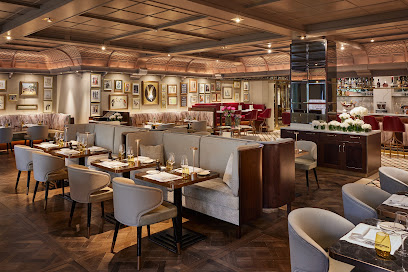
The Duchy - Düsseldorf
0.3 km
Experience exquisite modern European cuisine at The Duchy in Düsseldorf's luxurious Breidenbacher Hof.
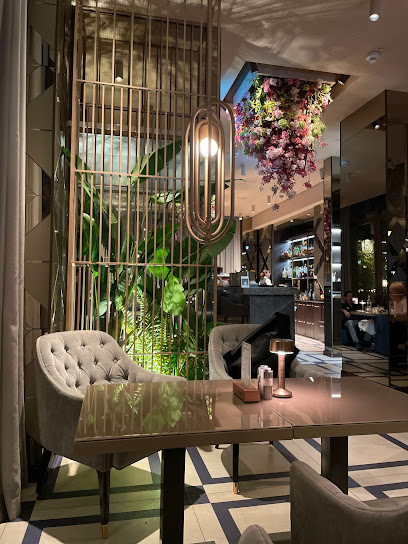
Jones
0.3 km
Experience exquisite dining at Jones Restaurant in Düsseldorf – where local flavors meet culinary artistry.
Sansibar by Breuninger Düsseldorf
0.3 km
Experience exquisite dining at Sansibar by Breuninger Düsseldorf - where culinary artistry meets elegant ambiance.
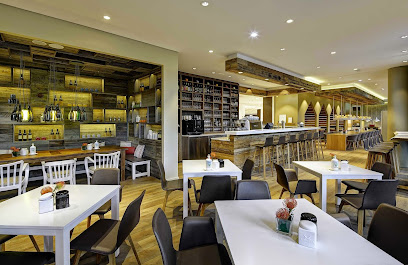
Le Petit Chef - Düsseldorf
0.3 km
Experience an extraordinary dining adventure at Le Petit Chef in Düsseldorf - where culinary art meets storytelling for an unforgettable meal.
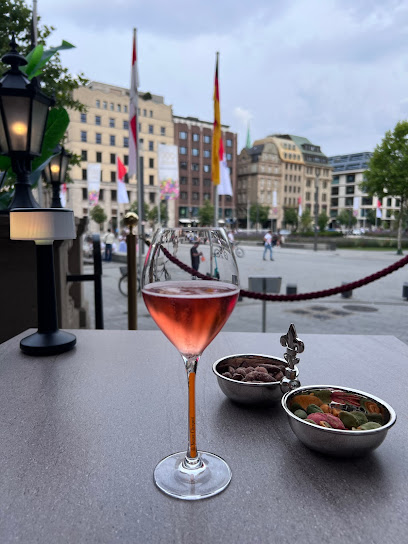
Restaurant Pink Pepper
0.3 km
Experience culinary excellence at Restaurant Pink Pepper in Düsseldorf - where contemporary dining meets exquisite flavors.
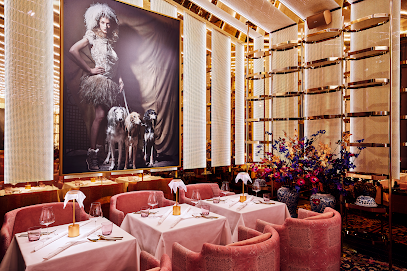
eatDOORI Restaurant - Indisches Restaurant Düsseldorf
0.5 km
Experience authentic Indian cuisine at eatDOORI Restaurant in Düsseldorf - where tradition meets flavor!
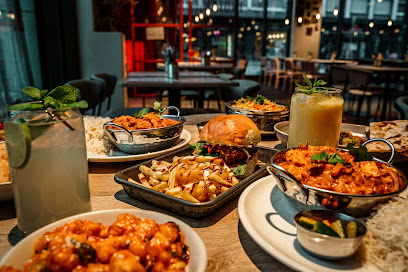
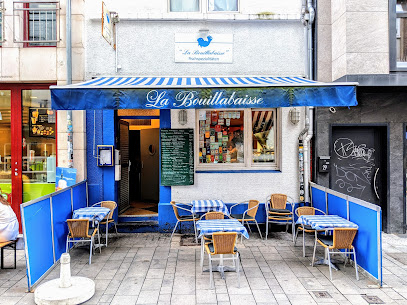
La Bouillabaisse
0.5 km
Savor exquisite seafood dishes at La Bouillabaisse in Düsseldorf – where fresh flavors meet culinary artistry.
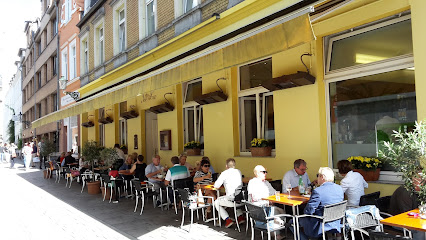
San Leo - Düsseldorf
0.5 km
Experience authentic Italian cuisine at San Leo in Düsseldorf – where every meal is a celebration of flavor and tradition.
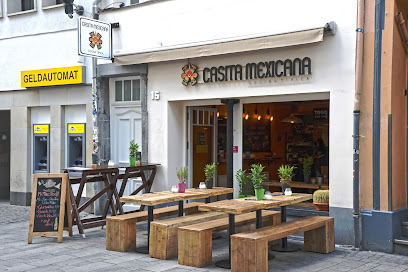
Casita Mexicana
0.5 km
Discover the vibrant flavors of Mexico at Casita Mexicana in Düsseldorf - where authentic cuisine meets lively ambiance.
Markets, malls and hidden boutiques

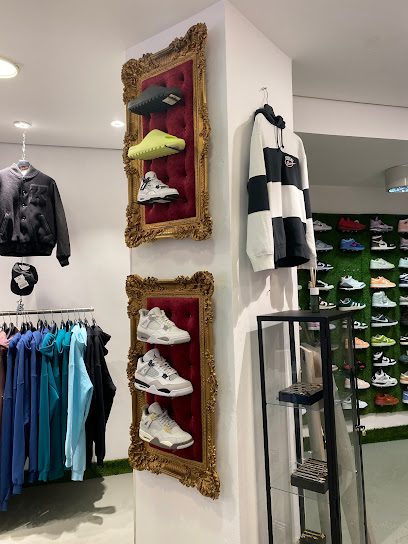
Viel Goodz Vintage Store Düsseldorf
0.0 km
Explore a treasure trove of vintage fashion at Viel Goodz Vintage Store in Düsseldorf—your destination for unique clothing and stylish shoes.
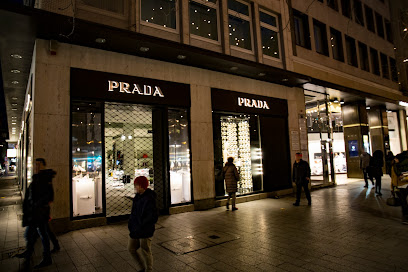
Prada Duesseldorf
0.1 km
Discover luxury fashion at Prada Düsseldorf, where elegance meets contemporary style in the heart of the city.
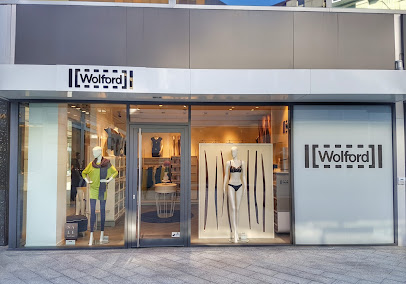
Wolford Düsseldorf
0.1 km
Explore the luxurious world of fashion at Wolford Düsseldorf, a premier boutique for women's clothing and exquisite lingerie in the heart of the city.
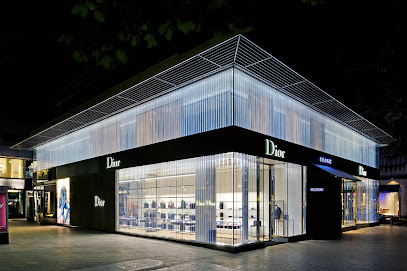
DIOR Düsseldorf Konigsallee
0.1 km
Discover the epitome of luxury fashion at DIOR Düsseldorf Königsallee - where style and sophistication meet in the heart of the city.
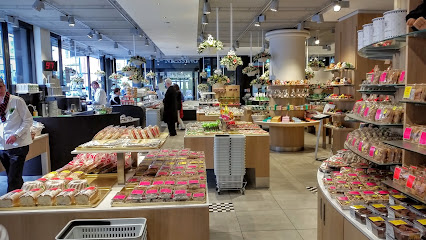
Schadow-Arkaden
0.1 km
Explore Schadow-Arkaden, Düsseldorf's premier shopping mall, where fashion, dining, and entertainment meet in a vibrant atmosphere.
CHANEL BOUTIQUE DÜSSELDORF
0.1 km
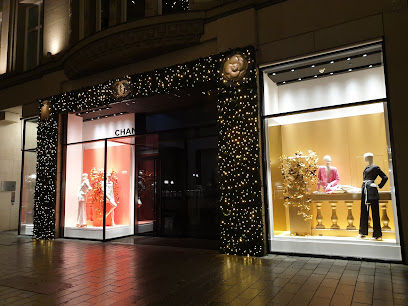
Discover luxury and elegance at CHANEL Boutique Düsseldorf, where fashion meets sophistication on the renowned Königsallee.
Gucci - Düsseldorf Konigsallee
0.1 km
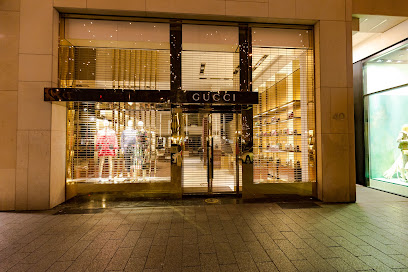
Discover the luxury of Gucci on Düsseldorf's iconic Königsallee, a must-visit for fashion lovers seeking elegance and style.
Montblanc
0.1 km
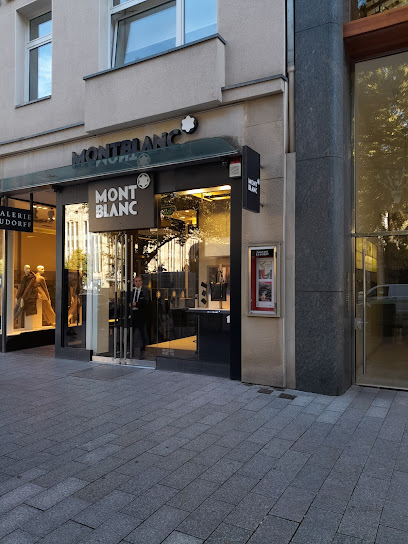
Explore the elegance of Montblanc in Düsseldorf, where luxury jewelry, fine writing instruments, and exquisite leather goods await.
Louis Vuitton Düsseldorf
0.2 km
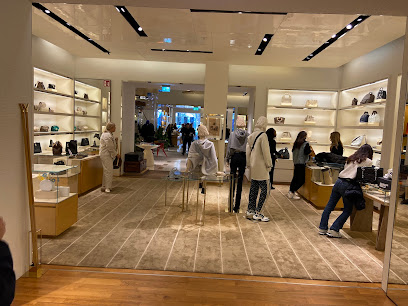
Discover unparalleled luxury shopping at Louis Vuitton Düsseldorf, featuring exquisite leather goods, fashion accessories, and fine jewelry in a stunning setting.
Sevens
0.2 km
Experience luxury shopping at Sevens in Düsseldorf, where high-end boutiques and gourmet dining create an unmatched retail experience.
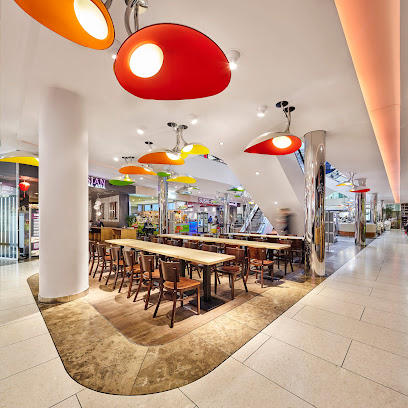
Truffleroom
0.2 km
Explore Truffle Room in Düsseldorf for an exquisite selection of women's fashion showcasing style, elegance, and personalized shopping experiences.
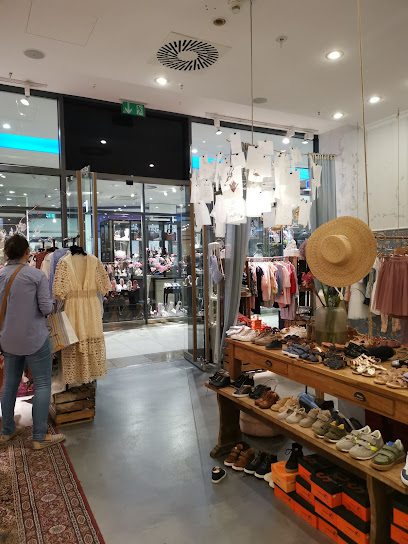
ARMANI
0.2 km
Explore ARMANI in Düsseldorf for a luxury shopping experience featuring exquisite fashion and accessories along the iconic Königsallee.
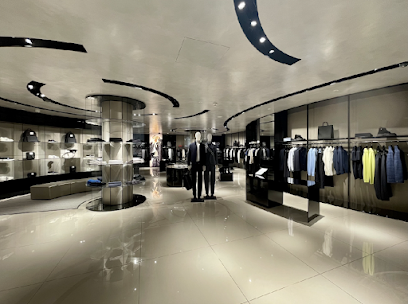
VERSACE
0.3 km
Discover luxury and elegance at Versace in Düsseldorf, where high fashion meets exquisite craftsmanship in a stunning shopping experience.
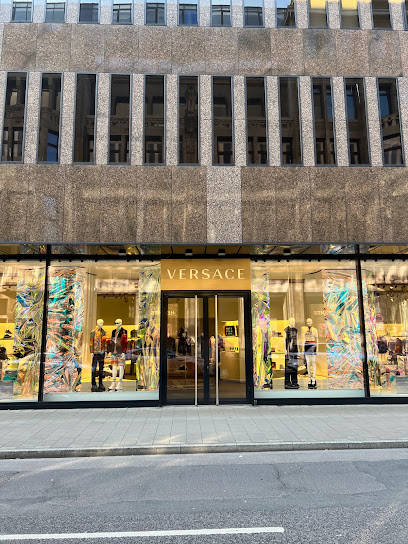
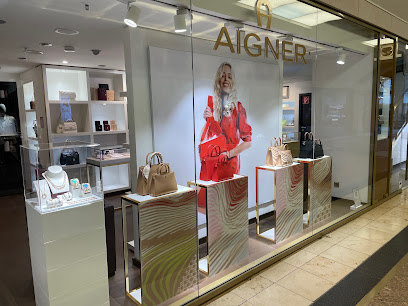
AIGNER Shop Düsseldorf
0.3 km
Discover luxury leather goods and stylish clothing at AIGNER Shop Düsseldorf, a premier destination for fashion enthusiasts.
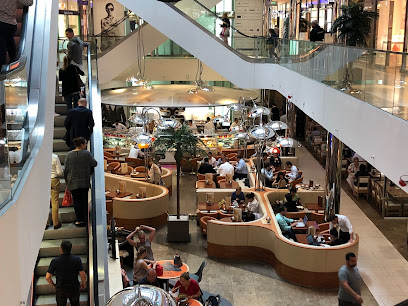
KÖ Shopping Mall
0.3 km
Experience shopping like never before at KÖ Shopping Mall, Düsseldorf's ultimate destination for luxury fashion, unique accessories, and delightful dining.
Essential bars & hidden hideouts

Füchschen Alm
0.3 km
Experience the heart of Düsseldorf's nightlife at Füchschen Alm, a cozy bar offering a warm atmosphere and delicious drinks.
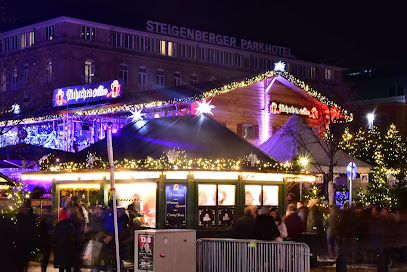
Bar & Smokers Lounge
0.3 km
Discover the elegance of Düsseldorf's Breidenbacher Hof Bar & Smokers Lounge, where exquisite cocktails and fine cigars await.
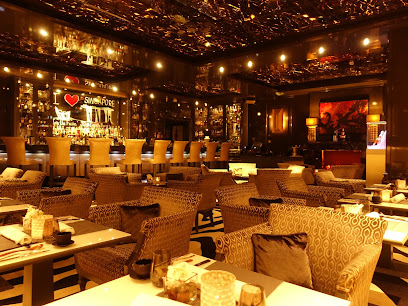
Eduard's by Breuninger Düsseldorf
0.4 km
Experience luxury and relaxation at Eduard's by Breuninger Düsseldorf, where exquisite drinks and a chic atmosphere await your visit.
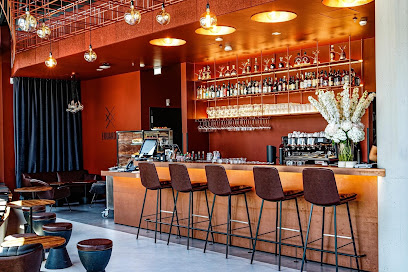
Kostbar Düsseldorf-Altstadt
0.4 km
Experience the vibrant culinary scene at Kostbar Düsseldorf-Altstadt, where local flavors meet a modern bistro atmosphere in the heart of the city.
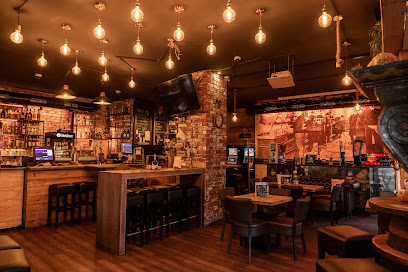
Tino's Bar - Düsseldorf
0.5 km
Discover Tino's Bar in Düsseldorf, where exquisite cocktails meet authentic Italian cuisine in a sophisticated atmosphere.
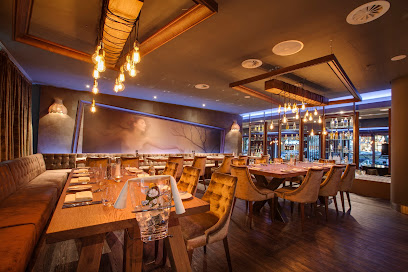
Bar Fifty Nine
0.5 km
Experience the vibrant nightlife of Düsseldorf at Bar Fifty Nine, a stylish cocktail bar offering expertly crafted drinks in a chic atmosphere.
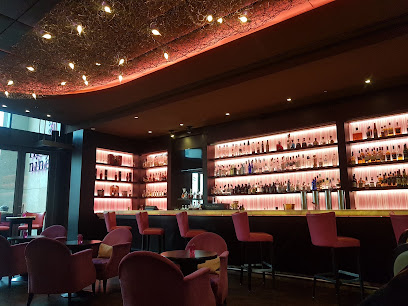
Weißer Bär
0.5 km
Discover the vibrant atmosphere and delightful drinks at Weißer Bär, a must-visit bar in Düsseldorf for an unforgettable local experience.
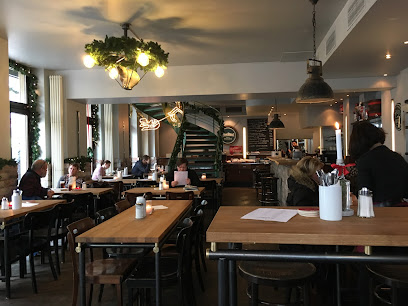
MAITAI Cocktailbar
0.5 km
Discover the lively atmosphere and creative cocktails at MAITAI Cocktailbar, a must-visit destination in Düsseldorf's nightlife scene.
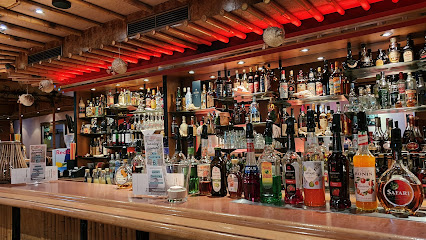
BarBarDO
0.5 km
Experience the vibrant nightlife of Düsseldorf at BarBarDO, where stylish ambiance meets an extensive drink selection.
The Irish Pub Bei Fatty - Fatty's
0.5 km
Experience the vibrant atmosphere of The Irish Pub Bei Fatty in Düsseldorf, where traditional Irish fare meets lively entertainment.
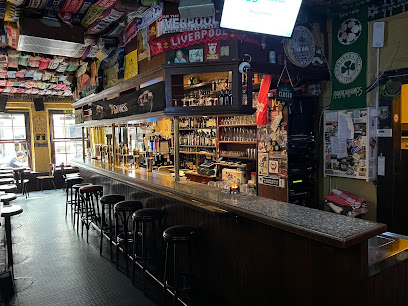
The Oak’s Bar - Düsseldorf
0.5 km
Experience the vibrant nightlife at The Oak's Bar in Düsseldorf, a cocktail haven offering live music and a welcoming atmosphere.
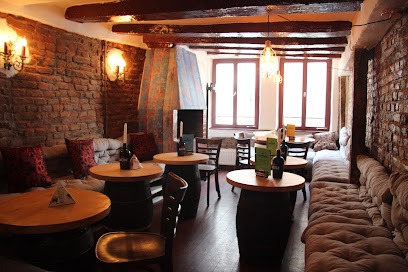
o’reilly’s Irish Pub & Restaurant
0.5 km
Experience the heart of Ireland in Düsseldorf at O'Reilly's Irish Pub & Restaurant, where great food, drinks, and entertainment come together.
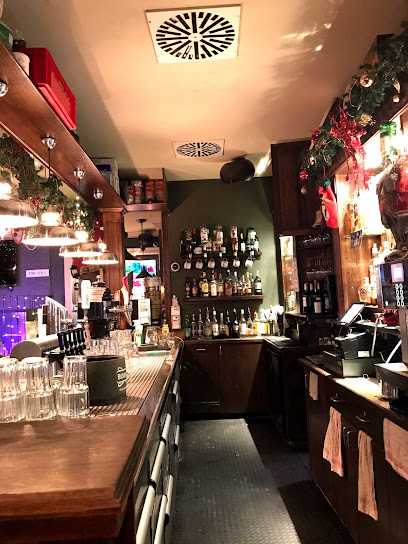
Sweetheart Düsseldorf
0.5 km
Experience the best of American cuisine at Sweetheart Düsseldorf, where vibrant atmosphere meets delicious flavors.
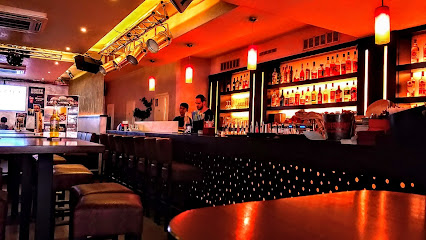
Barco Lounge Bar - Düsseldorf
0.6 km
Experience the vibrant ambiance and diverse menu at Barco Lounge Bar in Düsseldorf, where every visit is a celebration of flavors and good times.
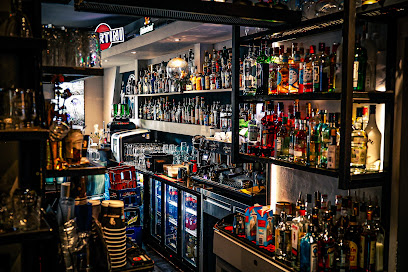
Em Pöötzke
0.6 km
Experience the soulful rhythms of jazz at Em Pöötzke, Düsseldorf's intimate and historic jazz club, where every performance is a journey through sound.
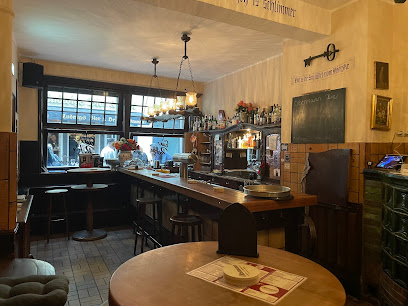
Nightclubs & after hour spots

Schickimicki Club
0.4 km
Dive into Düsseldorf's nightlife at Schickimicki Club, where great music, dancing, and an electric atmosphere await every night.
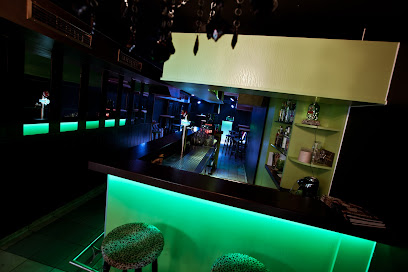
Rio Arriba
0.5 km
Experience the pulsating nightlife of Düsseldorf at Rio Arriba, where vibrant music and an energetic crowd create unforgettable memories.
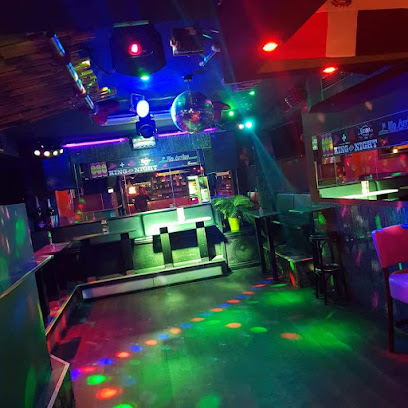
Chokolate City - Düsseldorf
0.5 km
Experience the electrifying nightlife at Chokolate City in Düsseldorf, where music, dance, and vibrant energy come together for an unforgettable evening.
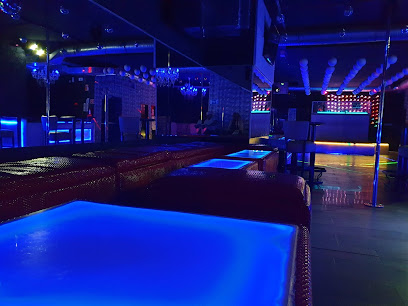
MAHIKI EXCLUSIVE NIGHTCLUB DÜSSELDORF
0.5 km
Discover the electrifying nightlife at Mahiki Exclusive Nightclub in Düsseldorf, where vibrant music and an energetic crowd create unforgettable experiences.
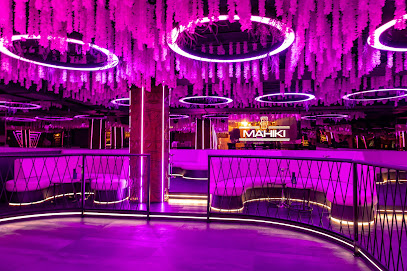
The Nachtresidenz Düsseldorf
0.5 km
Discover the heart of Düsseldorf's nightlife at Nachtresidenz, where music and excitement come alive in a stylish disco club atmosphere.
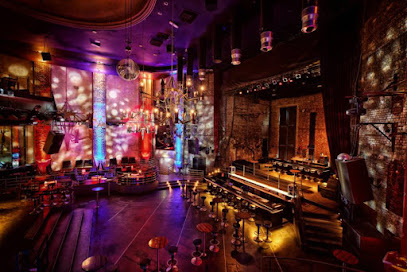
Knight Club
0.5 km
Unleash your night at Knight Club, Düsseldorf's premier nightlife destination with electrifying music and an unforgettable bar experience.
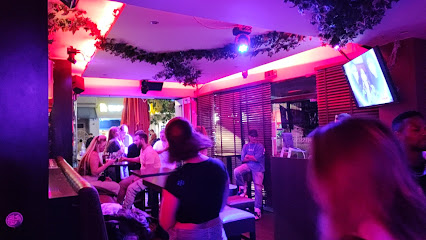
Oberbayern
0.5 km
Discover Oberbayern in Düsseldorf – a fusion of disco, bar, and pub that promises an unforgettable nightlife experience.
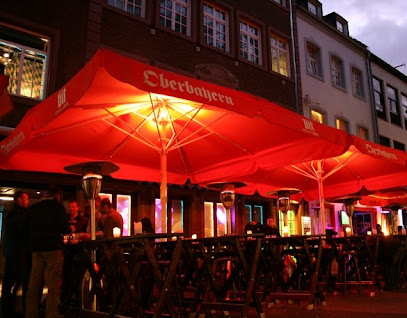
Smiley Club Dusseldorf
0.5 km
Discover the vibrant nightlife at Smiley Club Düsseldorf, where rhythm meets revelry in a truly electrifying atmosphere.
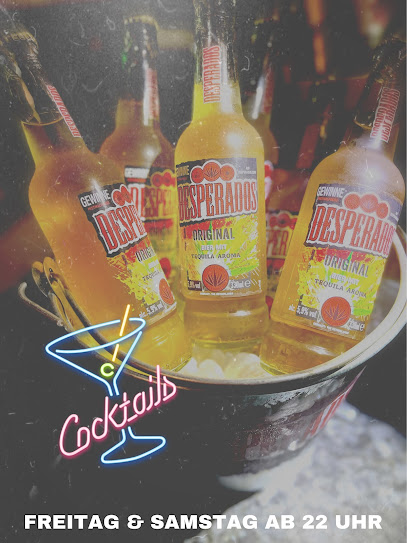
Salon des Amateurs
0.5 km
Discover the eclectic nightlife at Salon des Amateurs, Düsseldorf's artistic night club where music and culture collide in an unforgettable experience.
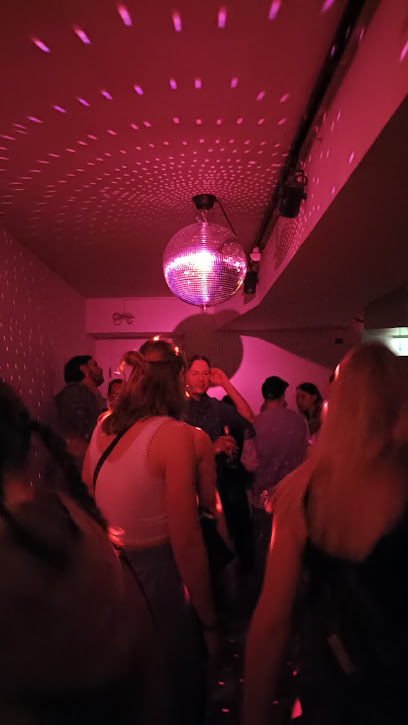
Oh Baby Anna
0.6 km
Dive into the electrifying nightlife of Düsseldorf at Oh Baby Anna, a premier night club renowned for its lively atmosphere and top-notch entertainment.
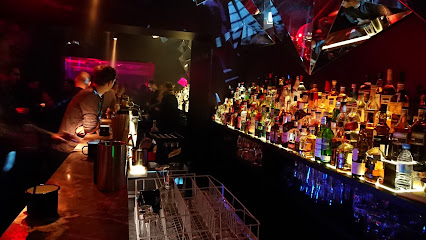
Anaconda Lounge
0.6 km
Experience the vibrant nightlife of Düsseldorf at Anaconda Lounge, where music, dance, and unforgettable moments come together.
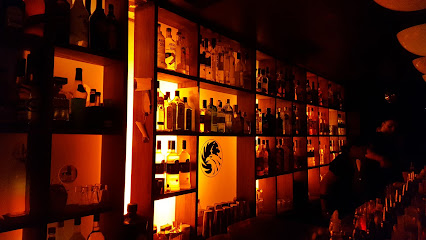
Cube
0.6 km
Discover Düsseldorf's nightlife at Cube, a vibrant night club with electrifying music, energetic dancing, and an unforgettable atmosphere.
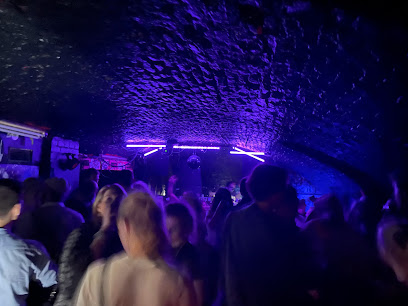
Lucy's Sky - Düsseldorf
0.6 km
Discover the pulse of Düsseldorf's nightlife at Lucy's Sky, where music, dance, and stunning views come together for an unforgettable experience.
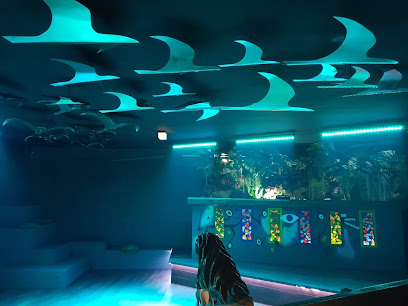
Kö Club
0.7 km
Kö Club in Düsseldorf offers an unforgettable nightlife experience with vibrant music, stylish decor, and a lively atmosphere perfect for dancing the night away.
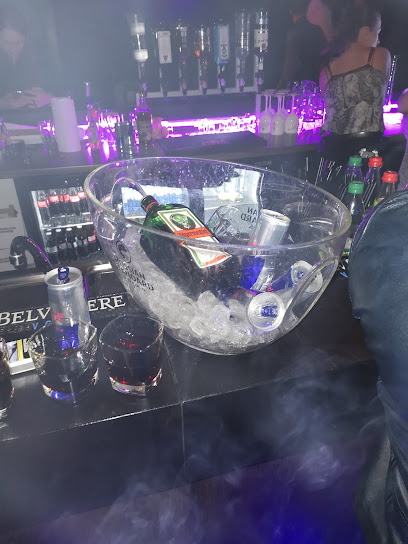
Rosenrot - Düsseldorf
0.7 km
Discover the lively atmosphere of Rosenrot in Düsseldorf, where vibrant music and a diverse crowd create an unforgettable nightlife experience.