

Dreischeibenhaus, Dusseldorf Travel Guide
Free Guide: Discover the Dreischeibenhaus in Düsseldorf: An iconic landmark of post-war modernism, showcasing innovative architecture and panoramic city views, a symbol of Germany's economic resurgence.


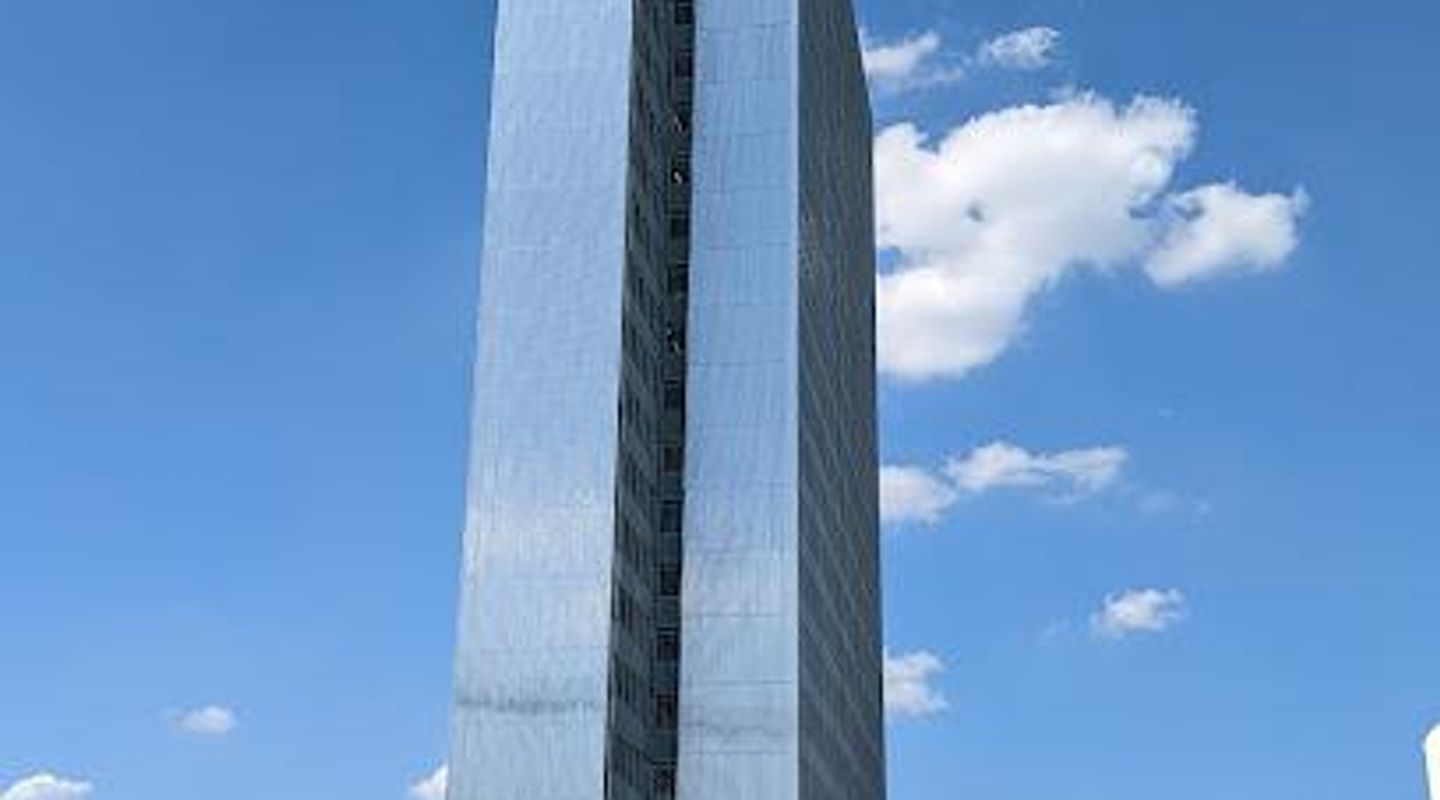
A brief summary of Dreischeibenhaus
Discover the Dreischeibenhaus in Düsseldorf: An iconic landmark of post-war modernism, showcasing innovative architecture and panoramic city views, a symbol of Germany's economic resurgence.
The Dreischeibenhaus, an architectural landmark in Düsseldorf, stands as a testament to Germany's post-war economic resurgence. Completed in 1960, this 95-meter-tall office building, also known as the Thyssenhaus, showcases the International style of architecture with its distinctive three-slab design. Beyond its striking facade of glass and steel, the Dreischeibenhaus represents a visionary approach to office space, offering flexible layouts and modern amenities. Today, it remains a symbol of Düsseldorf's skyline, housing various businesses and offering panoramic city views from its rooftop terraces, making it a compelling destination for architecture enthusiasts and those seeking a glimpse into Germany's modern history. Its central location near the Hofgarten and Königsallee places it amidst Düsseldorf's vibrant cultural and commercial scene, easily accessible and a worthwhile visit for those exploring the city's architectural heritage.
Opening hours
- Every dayOpen 24 hours
Opening hours as listed on the venue’s Google Business Profile. Hours can change for services and special events, so check with the venue before you go.
- Address
- Dreischeibenhaus 1, 40211 Düsseldorf
- Phone
- Website
Getting there
Public Transport
Taxi/Ride-Share
Driving
Discover more about Dreischeibenhaus
Overview
The Dreischeibenhaus, located at Dreischeibenhaus 1, 40211 Düsseldorf, is more than just an office building; it's a symbol of Düsseldorf and a significant example of post-war modernist architecture. Completed in 1960, it quickly became an emblem of West Germany's “Wirtschaftswunder” (economic miracle), representing the country's rapid recovery and modernization after World War II. Designed by architects Helmut Hentrich and Hubert Petschnigg, the building's innovative design and construction techniques set it apart as one of the first skyscrapers in Germany. The building's name, which translates to “Three-Slab House,” comes from its unique structure consisting of three slender slabs arranged in a staggered formation. The central slab rises to 95 meters, making it the tallest of the three. This design not only created a visually striking facade but also allowed for flexible and open office spaces, a departure from traditional, enclosed office layouts. The steel skeleton construction, a first of its kind in Europe, and the glass-aluminum curtain wall further emphasized the building's modern aesthetic. Throughout its history, the Dreischeibenhaus has served as the headquarters for major corporations, most notably Thyssen and ThyssenKrupp. Until 2010, it was the central hub for these industrial giants, solidifying its status as a key economic landmark in the region. In 1988, the building was designated as a historical landmark, recognizing its architectural significance and contribution to Düsseldorf's urban landscape. In the early 1990s and again in the 2010s, the Dreischeibenhaus underwent extensive renovations to modernize its facilities and improve its energy efficiency. These renovations carefully preserved the building's original character while incorporating contemporary design elements and sustainable technologies. The building achieved LEED Gold certification, reflecting its commitment to environmental responsibility. Today, the Dreischeibenhaus continues to be a prominent feature of Düsseldorf's skyline. It houses a variety of businesses and offers modern office spaces with flexible layouts. The building also features amenities such as a restaurant, a two-story lobby, and rooftop terraces that provide panoramic views of the city. The 22nd-floor terrace is occasionally open to the public, offering a unique vantage point to admire Düsseldorf's cityscape. The Dreischeibenhaus has also made its mark in popular culture, serving as a filming location for movies and television shows. Its striking appearance has attracted filmmakers from around the world, further enhancing its iconic status. Its location near the Hofgarten and Königsallee places it in the heart of Düsseldorf's cultural and commercial district, making it easily accessible to visitors and residents alike. The building stands in contrast to the neighboring Düsseldorfer Schauspielhaus, creating an interesting juxtaposition of architectural styles. While the Schauspielhaus represents a more traditional form of theater architecture, the Dreischeibenhaus embodies the modern, forward-looking spirit of post-war Germany. Visiting the Dreischeibenhaus offers a glimpse into Düsseldorf's rich architectural heritage and its role as a center of commerce and culture. Whether admiring its sleek facade from the outside or exploring its modern interior, the Dreischeibenhaus is a testament to the city's resilience, innovation, and enduring appeal. The Dreischeibenhaus remains an important architectural landmark, fulfilling its communicative and urban function. Its location between the Hofgarten and the Schauspielhaus contributes to its significance within the city. The building's simple and clear glass-aluminum curtain wall and stainless-steel covered upper edges make a powerful impression far beyond Düsseldorf's city limits. A steel skeleton construction of this kind had not been built before in Europe. It was completed in 1960 after only three years of construction. Fifty years after completion, the Dreischeibenhaus still marks one of HPP's architectural highlights. The Dreischeibenhaus is not just a building; it's a symbol of Düsseldorf's past, present, and future. Its architectural significance, historical context, and modern amenities make it a must-see destination for anyone interested in architecture, history, or urban development. The building's enduring appeal lies in its ability to blend its historical roots with contemporary functionality, creating a space that is both iconic and relevant in today's world. The Dreischeibenhaus stands as a reminder of Germany's post-war recovery and its commitment to innovation and progress. Its unique design and historical significance make it a valuable landmark in Düsseldorf, attracting visitors and locals alike. The building's continued use as a modern office space ensures its relevance in the city's economic landscape, while its architectural beauty and historical importance solidify its place as a cultural icon.
Evendo Review Centre
 Google
Guest reviews
Explore Dreischeibenhaus on the map
A handpicked selection of must-see spots near Dreischeibenhaus, mapped for you.
Get your free copy of our complete guide to Dreischeibenhaus, delivered straight to you.
Everything on this page, from opening hours and how to get there to Eve’s tips and the best time to go, in one PDF you can read offline, print or share.
Already have an account? Sign in
Your Dreischeibenhaus guide is ready.
We'll send it to · Not you? Sign out

Getting your guide ready…
We are putting together a fresh copy of the Dreischeibenhaus guide. This can take up to a minute.
This can take a few moments. If your browser asks, choose Allow so the download can start. You'll find the guide in your Downloads folder.
Nothing happened? Download it again
Sorry, the guide is taking longer than usual. Please try again in a minute, or get it by email instead.
Other nearby places you may find interesting
The closest places of the same kind, if this one is not quite what you had in mind.
-
-
-
-
-


Swipe for more places
More to explore near Dreischeibenhaus

 Best experiences near Dreischeibenhaus
 Best hotels near Dreischeibenhaus
 Best landmarks near Dreischeibenhaus
 Best attractions near Dreischeibenhaus
 Best shops near Dreischeibenhaus
 Best restaurants near Dreischeibenhaus
 Best bars near Dreischeibenhaus
Do you manage this location?
Take control to get all the benefits, like improved information, better appearance, and stronger visibility across AI-powered discovery.
Explore more

Explore more of Dusseldorf
Discover Düsseldorf: A vibrant blend of tradition and modernity with its rich cultural scene, luxury shopping, and scenic Rhine views. Perfect for art lovers and night owls alike.
Explore Dusseldorf
Explore more of Germany
Experience Germany: where history meets innovation, and urban energy blends with natural beauty. Discover diverse cultures, delicious cuisine, and stunning landscapes.
Explore Germany
