Background

Museum Folkwang: A Modern Art Haven

Discover masterpieces from Van Gogh to Richter at Museum Folkwang in Essen, Germany, showcasing 19th-century to contemporary art, photography, and the German Poster Museum, with free access to the permanent collection.

4.7

The Museum Folkwang in Essen is a leading German art museum renowned for its outstanding collections of 19th-century, classic modern, and post-World War II art, as well as photography. Founded in 1902 in Hagen, it moved to Essen in 1922, quickly becoming a hub for modern art. The museum boasts works by Cézanne, van Gogh, and Matisse, and features a significant collection of German posters. Architect David Chipperfield's extension seamlessly blends with the original structure, creating a spacious and light-filled environment. With free admission to the permanent collection, Museum Folkwang offers an accessible and enriching cultural experience for all visitors, solidifying its place as a must-see destination in the Ruhr region.

A brief summary to Museum Folkwang

Local tips

  • Take advantage of the free admission to the permanent collection to explore the museum's highlights without cost.
  • Visit during the week to avoid weekend crowds and have a more intimate experience with the art.
  • Check the museum's website for temporary exhibitions and special events to enhance your visit.
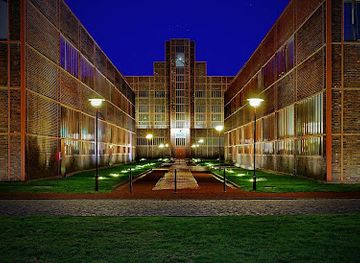
  • Explore the museum's architecture, particularly the David Chipperfield extension, for its innovative design and natural light.
  • Utilize the museum's audio guide or app for in-depth information about the artworks and the museum's history.
widget icon

Getting There

  • Public Transport

    From Essen Hauptbahnhof (main train station), take underground lines U11 or U107 towards Bredeney/Messe Gruga to Rüttenscheider Stern station. From there, follow the signs to Museum Folkwang, approximately a 7-minute walk. A single ticket within Essen (Preisstufe A) costs around €2.80. Alternatively, the FolkwangBus provides a free shuttle service from Essen Hbf directly to the museum entrance every 15 minutes.

  • Taxi/Ride-Share

    A taxi or ride-share from Essen Hauptbahnhof to Museum Folkwang typically costs between €7 and €10, depending on traffic and the provider. The journey usually takes around 5-10 minutes. Specify 'Museum Folkwang, Museumsplatz 1' as your destination.

  • Driving

    If driving, navigate to Bismarckstraße 60, 45128 Essen, which will lead you to the vicinity of the museum. Underground parking is available directly at Museum Folkwang, open 24/7. However, spaces are limited, and many nearby spots are reserved for residents. Parking fees in the museum's underground garage are approximately €2.50 per hour. Alternative parking garages (P1 Hotel Mercure, P2 Philharmonie, P3 Stadtgarten) are within walking distance.

  • Walking

    From Essen Hauptbahnhof, you can walk to Museum Folkwang in approximately 20 minutes by following the 'Culture Path' (Kulturpfad). Exit the station's south entrance, follow the signs and the blue, illuminated glass tiles on the ground. The path leads along Huyssenallee directly to the museum.

Unlock the Best of Museum Folkwang

Buy tickets

    No tickets available

Book tours with entry

    No tours available

Book tours without entry

    No tours available

Discover more about Museum Folkwang

Museum Folkwang stands as a beacon of modern and contemporary art in the heart of Essen, Germany. Its history is as rich and layered as the art it houses, tracing back to 1902 when Karl Ernst Osthaus founded it in Hagen with the vision of creating a museum accessible to all. Osthaus's dream was to unite art, life, and education, making culture a vital part of the industrial city. The term 'Folkwang' itself, derived from Norse mythology, signifies a field or hall belonging to the goddess Freyja where the dead are received, symbolizing a place of beauty and inspiration. In 1922, after Osthaus's death, the museum's collection was acquired by the city of Essen and merged with the existing Städtisches Kunstmuseum, giving birth to the Museum Folkwang as it is known today. This move solidified Essen's position as a cultural center in the Ruhr region. The museum quickly gained international recognition for its avant-garde collection, becoming a target for Nazi persecution during the Third Reich. Over 1,400 works were deemed 'degenerate' and either sold off or destroyed, a devastating loss for the museum and the art world. Despite the destruction wrought by World War II, the Museum Folkwang persevered. Rebuilding efforts began immediately, with a focus on recovering lost masterpieces and acquiring new ones. In 1960, a new building designed by Werner Kreutzberger, Erich Hösterey, and Horst Loy opened its doors, embodying the spirit of classical modernism with its open courtyards and expansive windows. This design fostered a connection between the art within and the city outside, inviting visitors to immerse themselves in a world of creativity. In 2010, as part of Essen's celebration as the European Capital of Culture, the museum unveiled a stunning extension designed by renowned British architect David Chipperfield. Chipperfield's design seamlessly integrates with the existing structure, creating a harmonious blend of old and new. The extension features six interconnected volumes surrounding four inner courtyards, providing ample space for exhibitions, a library, and other facilities. The translucent glass facade allows natural light to flood the interior, enhancing the viewing experience and creating a welcoming atmosphere. The Museum Folkwang's collection is a testament to its commitment to showcasing the best of modern and contemporary art. It encompasses paintings, sculptures, photographs, and graphic arts from the 19th century to the present day. Visitors can admire masterpieces by Impressionist and Expressionist masters such as Vincent van Gogh, Paul Cézanne, Henri Matisse, and Edvard Munch. The museum also boasts a significant collection of German art, including works by Caspar David Friedrich, Max Liebermann, and Paula Modersohn-Becker. One of the museum's unique features is the German Poster Museum, which houses over 350,000 posters from various periods and styles. This collection offers a fascinating glimpse into the history of graphic design and its role in shaping public opinion. The museum also holds a collection of non-European art, including artifacts from ancient Egypt, Africa, and Asia, reflecting its commitment to intercultural dialogue. The Museum Folkwang is more than just a repository of art; it is a vibrant cultural hub that engages with the community through a variety of programs and events. The museum offers guided tours, workshops, lectures, and concerts, catering to diverse audiences. Its education department plays a crucial role in fostering art appreciation among children and adults, ensuring that the museum remains relevant and accessible to all. The museum's commitment to accessibility extends beyond its programs and events. Admission to the permanent collection is free, thanks to the generous support of the Alfried Krupp von Bohlen und Halbach Foundation. This allows visitors to experience the transformative power of art without financial barriers. The museum also provides a range of services for visitors with disabilities, including wheelchair rentals, audio guides, and tactile maps. The Museum Folkwang's architecture is as captivating as the art it houses. Chipperfield's extension is a masterpiece of contemporary design, characterized by its clean lines, natural light, and seamless integration with the existing structure. The building's courtyards and gardens provide tranquil spaces for reflection, while its transparent facade invites passersby to glimpse the treasures within. The museum's location in Essen's city center makes it easily accessible by public transportation. Visitors can reach the museum by tram, bus, or train, making it a convenient destination for both locals and tourists. The museum is also surrounded by a variety of restaurants, cafes, and shops, offering visitors a complete cultural experience. Visiting the Museum Folkwang is an enriching experience that will leave you inspired and transformed. Whether you are an art aficionado or a casual observer, you will find something to appreciate in its diverse collection and engaging programs. The museum's commitment to accessibility, education, and community engagement makes it a vital cultural institution in the Ruhr region and beyond. The Museum Folkwang's story is one of resilience, innovation, and a deep commitment to the power of art. From its humble beginnings in Hagen to its current status as a leading German art museum, it has remained true to its founding principles of accessibility, education, and community engagement. As you wander through its galleries, take a moment to appreciate the rich history and the transformative power of art that makes Museum Folkwang a truly special place. The Museum Folkwang is not just a museum; it's a testament to the enduring power of art to inspire, educate, and connect us all. It's a place where the past meets the present, where cultures collide, and where creativity knows no bounds. A visit to Museum Folkwang is an invitation to embark on a journey of discovery, to explore the depths of human expression, and to experience the transformative power of art firsthand.

Popular Experiences near Museum Folkwang

Popular Hotels near Museum Folkwang

Select Currency