Maximilian Fountain, Franconia Travel Guide
Discover the Maximilian Fountain in Bamberg's heart, a tribute to Bavarian history and artistry, surrounded by the city's UNESCO-listed charm and vibrant cultural scene.
The Maximilian Fountain, gracing Bamberg's central Maximiliansplatz, is more than just a water feature; it's a historical and artistic focal point. Erected in 1880, the fountain commemorates King Maximilian I of Bavaria and features statues of other significant figures in Bamberg's history, including Emperor Henry II, his wife Kunigunde, Bishop Otto I, and King Conrad III. The fountain stands on the site of a former Gothic church, adding another layer to the square's rich past. Today, the fountain serves as a gathering place and a reminder of Bamberg's layered history, making it a must-see for any visitor exploring the city's UNESCO-listed old town. Its central location makes it easily accessible and a perfect spot to begin exploring Bamberg's architectural and cultural treasures. The square itself hosts various events, including a vibrant Christmas market, further enhancing its appeal.
A brief summary to Maximilian Fountain

Know before you go
Hi, I'm Eve. Here are a few practical things to know before exploring Maximilian Fountain.
- Visit during the Christmas Market (December) to experience the square's magical transformation with festive stalls and a joyful atmosphere.
- Take a stroll around Maximiliansplatz to admire the New Town Hall and St. Catherine's Hospital, which frame the square.
- Look closely at the statues surrounding the fountain to learn about the key figures in Bamberg's history.
- Combine your visit with a tour of Bamberg's Old Town, a UNESCO World Heritage site, to explore its architectural treasures.
- Try the local Rauchbier (smoked beer) at one of Bamberg's traditional breweries for a unique culinary experience.
Do you manage this location?
Take control to get all the benefits, like improved information, better appearance, and stronger visibility across AI-powered discovery. Learn more about listing your business on Evendo
Activate your presenceOther nearby places you may find interesting
The closest places of the same kind, if this one is not quite what you had in mind.

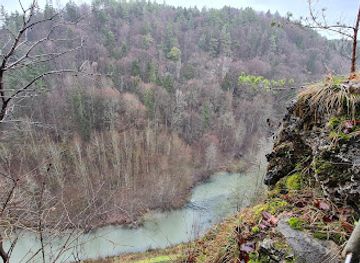
Explore Maximilian Fountain on the Map
A handpicked selection of must-see spots near Maximilian Fountain, mapped for you.
Getting There
-
Walking
From Bamberg's central bus station (ZOB) or the train station (Bahnhof), the Maximilian Fountain is approximately a 10-15 minute walk. Head north, following the pedestrian zone towards the city center. Orient yourself towards the Obere Brücke (Upper Bridge) and the Altes Rathaus (Old Town Hall). Once you cross the bridge, continue straight ahead; Maximiliansplatz will be on your left. The fountain is easily visible in the center of the square.
-
Public Transport
If arriving by bus within Bamberg, many lines stop near Maximiliansplatz. Check local bus schedules for the closest stop, often 'Zentraler Omnibusbahnhof (ZOB)' or 'Domplatz'. From Domplatz, walk west towards the New Town Hall; the fountain is directly in front of it. A single bus journey within the city costs approximately €1.90 if purchased online or via the VGN app, or €2.10 if purchased from the driver.
-
Taxi/Ride-Share
A taxi or ride-share from Bamberg train station (Bahnhof) to Maximilian Fountain will take approximately 5-10 minutes, depending on traffic. Expect to pay around €8-€12. Be sure to specify 'Maximiliansplatz' as your destination.
-
Driving
If driving, be aware that parking in the immediate vicinity of Maximiliansplatz is limited. Consider parking in the 'City-Altstadt Tiefgarage' on Geyerswörthstraße or the underground garage in Maximilianplatz. Follow signs for 'Zentrum' and then 'Parkleitsystem' (parking guidance system). Parking fees typically range from €2-€3 per hour.
Discover more about Maximilian Fountain













Your all‑in‑one travel companion app
Explore expert travel guides, compare and book tours, experiences, hotels, and more—all from the palm of your hand. Download now for seamless trip planning wherever your wanderlust takes you.


Explore More of Franconia
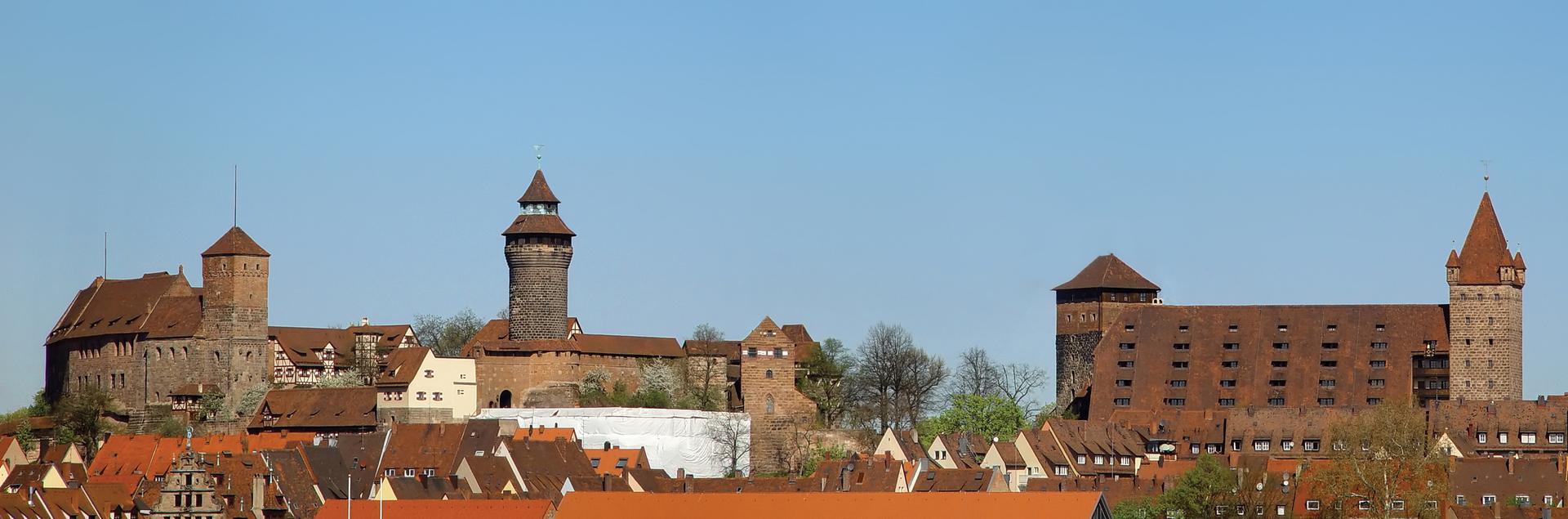
Looking beyond Maximilian Fountain? Discover Franconia for broader travel guides, local hot-spots, and regional highlights.
Explore Franconia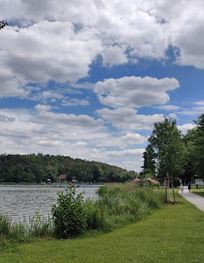
Escape to Dechsendorfer Weiher in Erlangen: A lakeside paradise offering swimming, watersports, hiking, and relaxation amidst natural beauty and rich history, a perfect destination for all ages.

Discover Bamberg's iconic Altes Rathaus, a captivating architectural marvel perched on an island in the Regnitz River, showcasing a blend of history, art, and whimsical charm.