Schlossgarten Erlangen, Franconia Travel Guide
Discover Erlangen's enchanting Schlossgarten, a historic Baroque garden offering a tranquil escape with stunning fountains, sculptures, and vibrant cultural events, open daily.
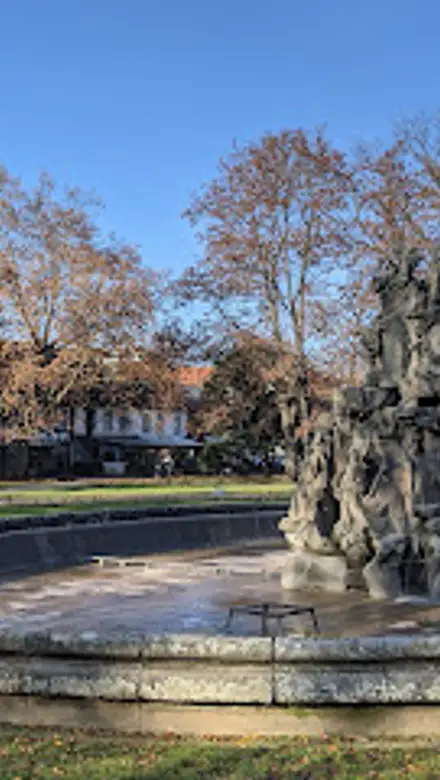
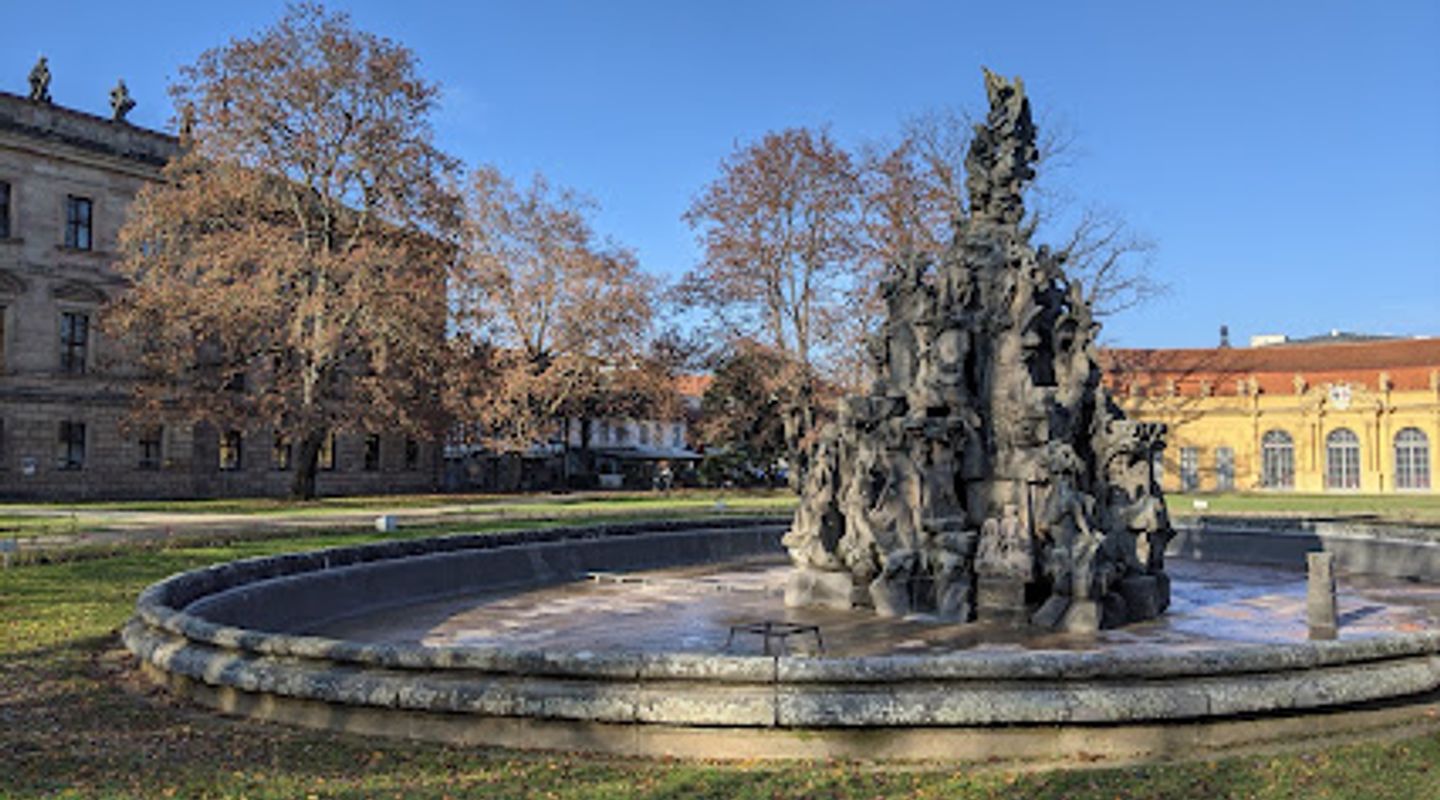
The Schlossgarten Erlangen, one of Franconia's earliest Baroque gardens, offers a serene escape in the heart of Erlangen. Spanning 7.5 hectares, this meticulously designed green space blends historical elegance with natural beauty. Originally conceived in the early 18th century, the garden features symmetrical layouts, ornate fountains, and sculptures, including the iconic Hugenottenbrunnen. Over time, it has evolved to incorporate elements of an English landscape garden, providing diverse experiences for visitors. Open daily from 6 am, the Schlossgarten is a popular destination for locals and tourists alike, offering a tranquil retreat for leisurely strolls, picnics, and cultural events. Its central location makes it easily accessible, inviting everyone to immerse themselves in its captivating atmosphere and rich history. Whether you're seeking a peaceful moment or a glimpse into Erlangen's past, the Schlossgarten promises a delightful experience.
A brief summary to Schlossgarten Erlangen
- Erlangen, 91054, DE
- Click to display
- Monday 6 am-9 pm
- Tuesday 6 am-9 pm
- Wednesday 6 am-9 pm
- Thursday 6 am-9 pm
- Friday 6 am-9 pm
- Saturday 6 am-9 pm
- Sunday 6 am-9 pm

Know before you go
Hi, I'm Eve. Here are a few practical things to know before exploring Schlossgarten Erlangen.
- Visit during the Schlossgartenfest in June for a unique garden party experience with music, food, and festivities.
- Explore the Orangerie, a beautiful Baroque building within the garden, often used for wedding ceremonies and events.
- Take a leisurely stroll through the garden to admire the Hugenottenbrunnen and other historical sculptures.
- Enjoy a picnic on the lawns during the warmer months for a relaxing afternoon in a picturesque setting.
- Check the schedule for Schlossgartenkonzerte, free open-air concerts held in the garden during the summer.
Do you manage this location?
Take control to get all the benefits, like improved information, better appearance, and stronger visibility across AI-powered discovery. Learn more about listing your business on Evendo
Activate your presenceOther nearby places you may find interesting
The closest places of the same kind, if this one is not quite what you had in mind.

Explore Schlossgarten Erlangen on the Map
A handpicked selection of must-see spots near Schlossgarten Erlangen, mapped for you.
Getting There
-
Walking
From Erlangen Train Station (Erlangen Hauptbahnhof), walk straight ahead towards Hugenottenplatz (approx. 5 minutes). Turn left onto Hauptstrasse and continue towards the Erlangen Residence (Schloss). The Schlossgarten entrance is located to the left of the Residence. The walk is approximately 10 minutes from the train station. No costs involved.
-
Public Transport
Several bus lines stop near the Schlossgarten. From Hugenottenplatz, which is a central transportation hub, the Schlossgarten is a short walk away. Check local VGN (Verkehrsverbund Großraum Nürnberg) schedules for the most up-to-date routes and times. A single short trip ticket within Erlangen (Preisstufe K) costs around €2.30.
-
Taxi/Ride-Share
A taxi or ride-share from Erlangen Train Station to the Schlossgarten takes approximately 5-10 minutes, depending on traffic. Expect to pay around €8-€12. Ask the driver to drop you off at Schlossplatz, directly in front of the Erlangen Residence and the Schlossgarten entrance.
-
Driving
If driving, use a GPS to navigate to 'Schlossplatz, 91054 Erlangen'. Limited parking is available directly at Schlossplatz. Alternatively, use the large public parking area (Großparkplatz) between Frankenschnellweg A 73 and Parkplatzstraße, a 5-minute walk to the Schlossgarten. Parking fees at Großparkplatz vary, typically around €1-€2 per hour.
Discover more about Schlossgarten Erlangen













Your all‑in‑one travel companion app
Explore expert travel guides, compare and book tours, experiences, hotels, and more—all from the palm of your hand. Download now for seamless trip planning wherever your wanderlust takes you.


Explore More of Franconia
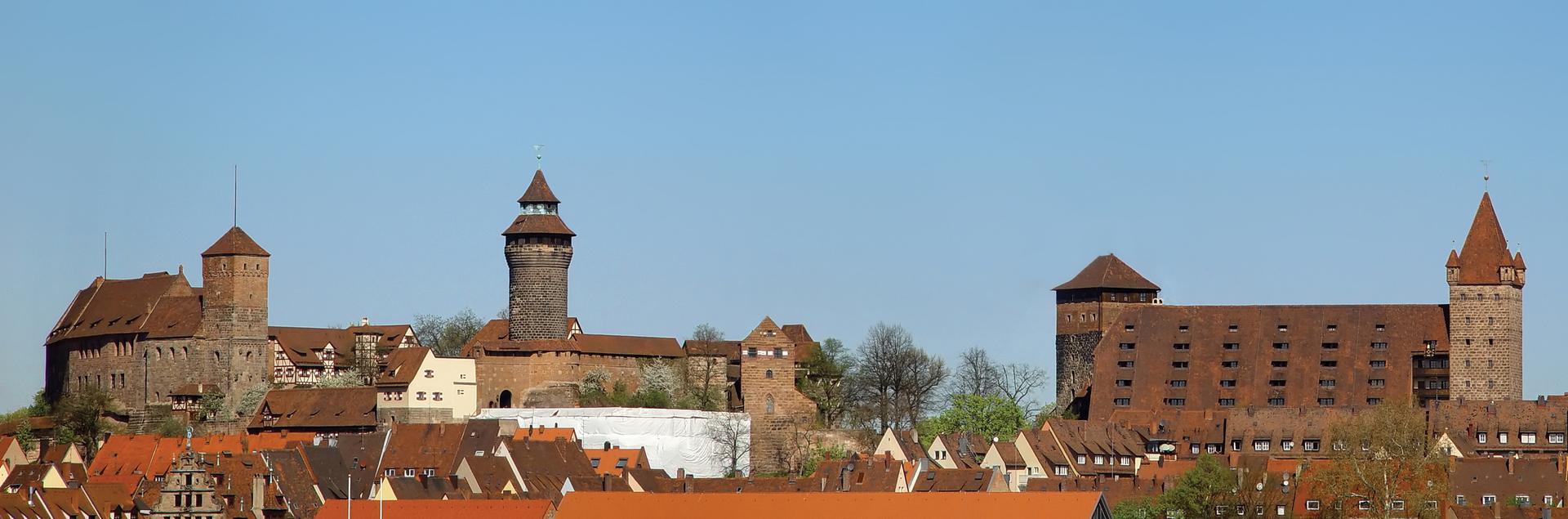
Looking beyond Schlossgarten Erlangen? Discover Franconia for broader travel guides, local hot-spots, and regional highlights.
Explore Franconia
Discover the Regnitz River in Bamberg, a picturesque waterway blending natural beauty with historical charm, perfect for scenic walks, boat tours, and exploring 'Little Venice'.
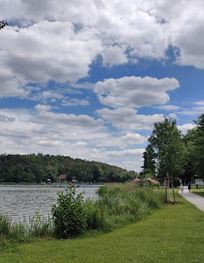
Escape to Dechsendorfer Weiher in Erlangen: A lakeside paradise offering swimming, watersports, hiking, and relaxation amidst natural beauty and rich history, a perfect destination for all ages.