Background

Frankfurt's New Old Town: A Medieval Revival

Discover Frankfurt's medieval heart: a meticulously reconstructed Old Town blending history with modern life, offering a unique cultural experience in the heart of the city.

4.6

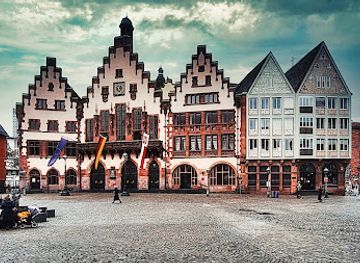
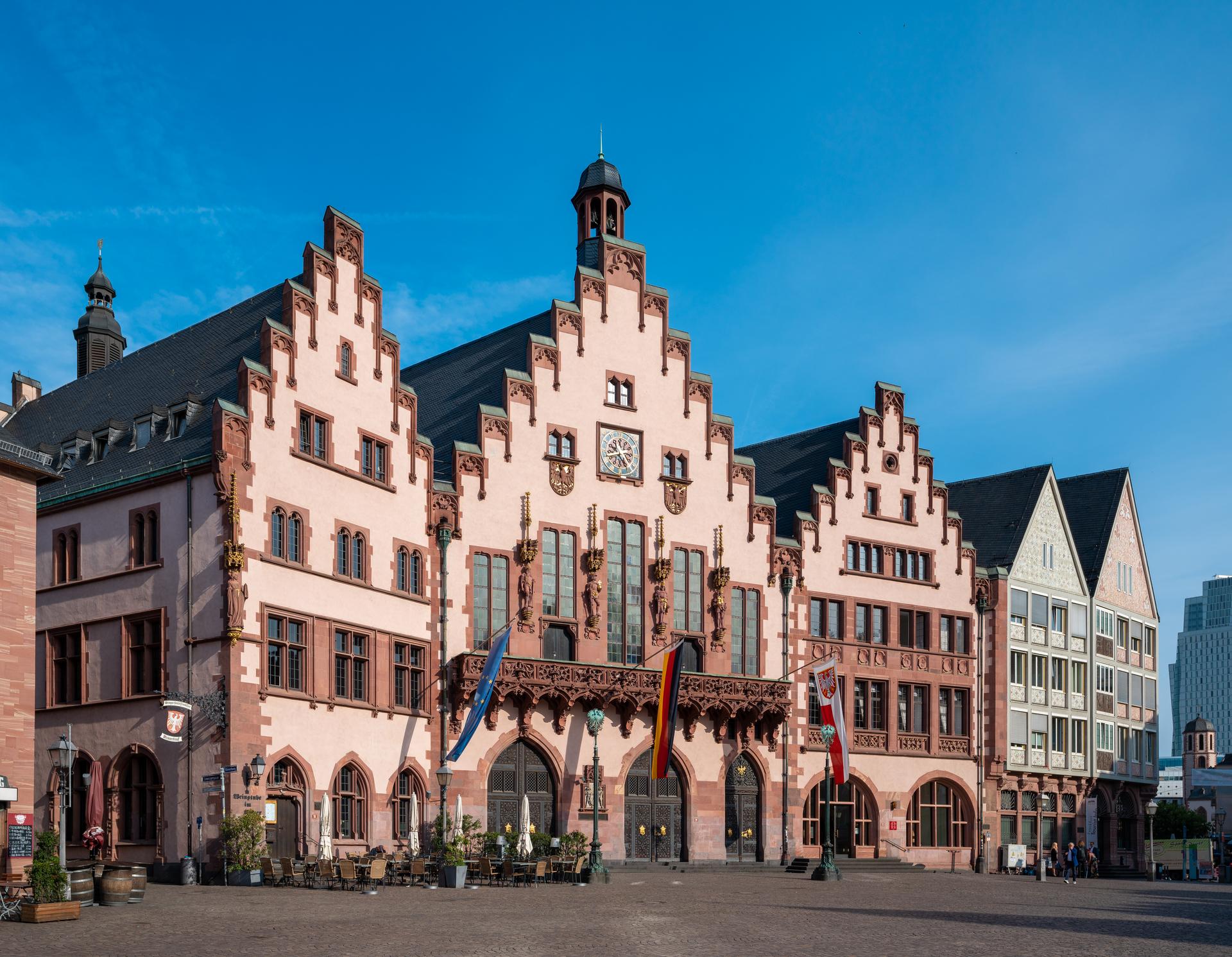
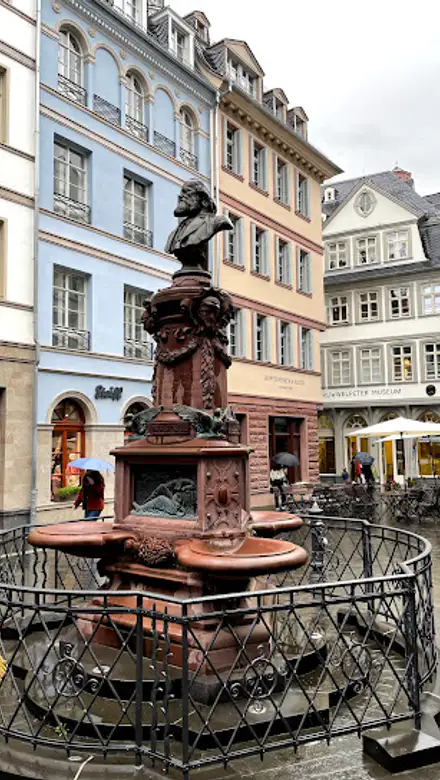
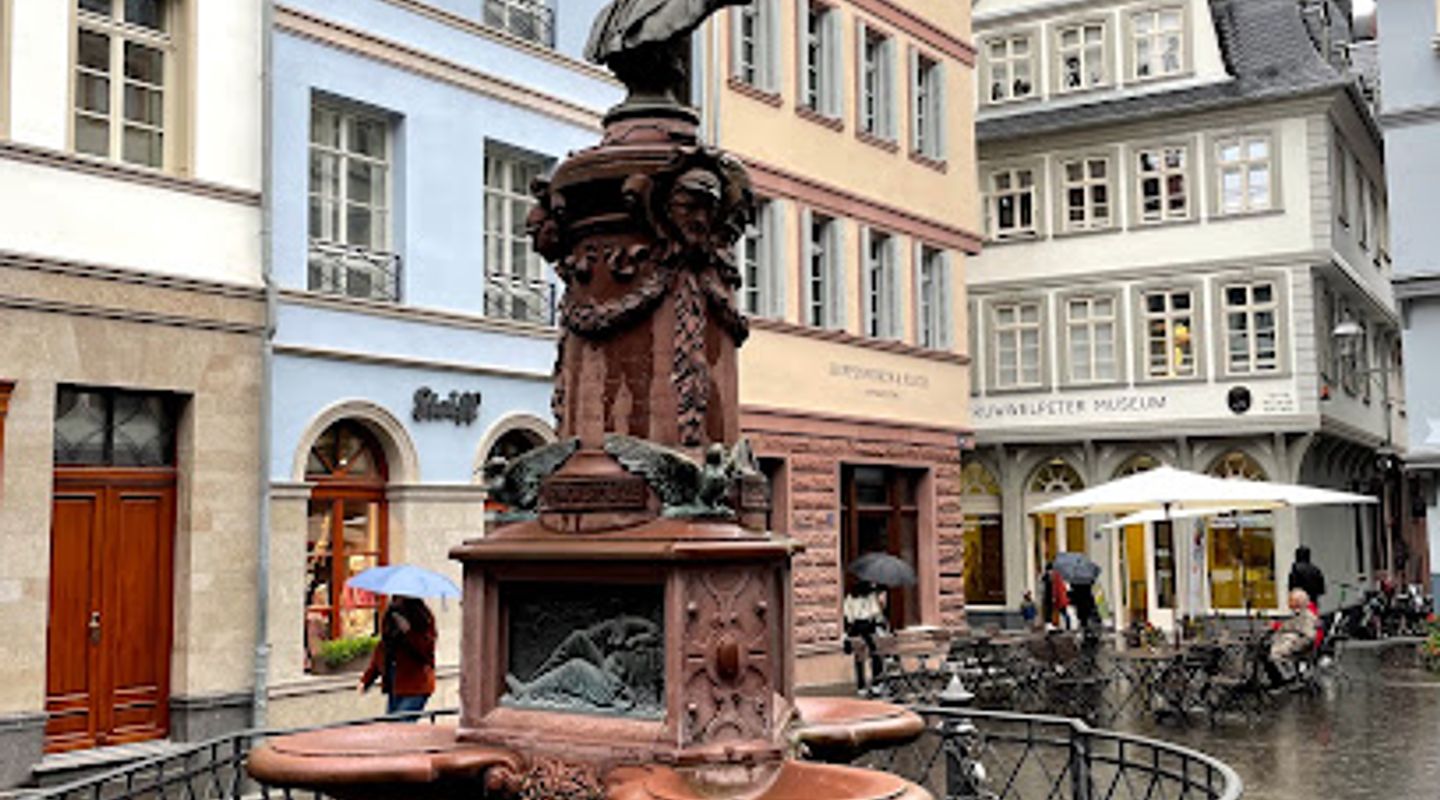
Step back in time in Frankfurt's New Old Town, a meticulously reconstructed district that brings the city's medieval past to life. Nestled between the Römerberg and the Frankfurt Cathedral, this charming area invites visitors to wander its cobblestone streets, admire the half-timbered houses, and soak in the atmosphere of a bygone era. Rebuilt after the devastation of World War II, the New Old Town seamlessly blends historical accuracy with modern amenities, offering a unique experience where you can explore museums, browse specialty shops, and enjoy traditional German cuisine. The attention to detail in the reconstruction is remarkable, making it a must-see destination for anyone interested in history, architecture, or simply experiencing the heart of Frankfurt.

A brief summary to New Old Town

Local tips

  • Visit during the Christmas Market for a magical experience, as the New Old Town transforms into a festive wonderland with traditional stalls and twinkling lights.
  • Explore the Archaeological Garden to uncover Frankfurt's Roman and Carolingian history, located beneath the Stadthaus.
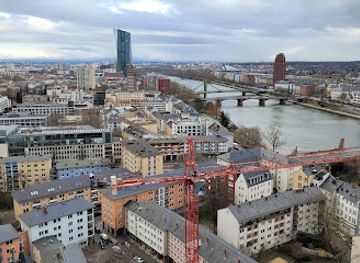
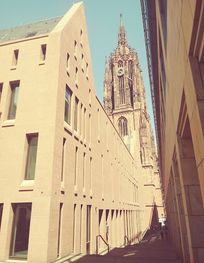
  • Climb the Frankfurt Cathedral tower for panoramic views of the New Old Town and the city skyline.
widget icon

Getting There

  • Public Transport

    From Frankfurt Hauptbahnhof (Central Station), take tram line 11 or 14 towards the city center. Get off at the 'Frankfurt (Main) Römer/Paulskirche' stop, which is directly adjacent to the New Old Town. A single ticket (Einzelfahrt) costs €3.80. Alternatively, a short-trip ticket (Kurzstrecke) for €2.25 may be sufficient depending on your exact starting point within the city. Consider a day ticket (Tageskarte) for €7.40 if you plan to use public transport multiple times.

  • Walking

    From the Römerberg, the New Old Town is directly adjacent and easily accessible on foot. Simply walk east, passing the Frankfurt Cathedral on your right. The area is pedestrianized and well-signposted. From Frankfurt Central Station, walk down Kaiserstraße until you reach Kaiserplatz. Turn right onto Bethmannstraße, then take the first right onto Berliner Straße. St. Paul's Church and the Römerberg will be on the right.

  • Driving

    If driving, navigate to the DomRömer underground car park (Domstraße 1, 60311 Frankfurt am Main). Parking costs approximately €2 per hour on weekdays and Saturdays, and €1 per hour on Sundays. A maximum charge of €4 applies between 7 PM and 6 AM. Be aware that parking can be limited, especially during peak tourist season and events.

Unlock the Best of New Old Town

Buy tickets

    No tickets available

Book tours with entry

    No tours available

Book tours without entry

    No tours available

Discover more about New Old Town

Frankfurt's New Old Town, also known as the DomRömer Quarter, is a captivating testament to the city's resilience and commitment to preserving its heritage. This meticulously reconstructed district, located in the heart of Frankfurt, offers visitors a unique opportunity to step back in time and experience the charm of a medieval city. The area, which was largely destroyed during World War II, has been painstakingly rebuilt to reflect its former glory, creating a harmonious blend of historical accuracy and modern amenities. The New Old Town is situated between the Römerberg, Frankfurt's historic city hall square, and the Frankfurt Cathedral (Dom), creating a natural flow for visitors exploring the city's key landmarks. The district encompasses approximately 7,000 square meters and comprises 35 buildings, 15 of which are faithful reconstructions of original structures, while the remaining 20 are new buildings designed to complement the historical aesthetic. The result is a visually stunning and immersive experience that transports visitors to a bygone era. The history of Frankfurt's Old Town is rich and complex. During the Middle Ages and Renaissance, it was one of the largest and most important half-timbered towns in Germany. The area was a vibrant center of trade, commerce, and cultural exchange, attracting merchants, artisans, and scholars from across Europe. The buildings reflected this prosperity, with elaborately decorated facades, intricate carvings, and grand public spaces. However, this idyllic scene was shattered during World War II, when Frankfurt was heavily bombed. The Old Town was almost completely destroyed, leaving only a few historical buildings standing. In the post-war period, many of the damaged buildings were demolished in favor of modern development, further erasing the city's historical character. For decades, the area between the Römerberg and the cathedral remained a wasteland, with debates raging over how to redevelop it. Some favored a completely modern approach, while others advocated for a reconstruction of the Old Town. It was not until the early 2000s that a consensus began to emerge in favor of historical reconstruction. The Dom-Römer Project, as it became known, was a massive undertaking that involved extensive research, planning, and construction. Architects, historians, and craftsmen worked together to recreate the original buildings as accurately as possible, using historical photographs, drawings, and documents. Some original house parts which had been preserved were even used in the construction. The project also incorporated modern elements, such as underground parking and energy-efficient building techniques, to ensure that the New Old Town would be a sustainable and livable urban space. The Stadthaus, a modern conference center, is located in the heart of the quarter, providing a venue for events and exhibitions. The New Old Town officially opened in 2018, after six years of construction. The opening was celebrated with a three-day festival that attracted hundreds of thousands of visitors. Since then, the district has become a popular destination for tourists and locals alike, drawn to its unique atmosphere and historical charm. Today, the New Old Town is a vibrant mix of apartments, shops, cafes, restaurants, and museums. Visitors can stroll through the winding streets, admire the half-timbered houses, and soak in the atmosphere of a medieval city. The Römerberg, with its iconic Fountain of Justice, is a popular gathering place for locals and tourists. The Frankfurt Cathedral, a magnificent Gothic structure, towers over the district, serving as a reminder of the city's rich religious history. The New Old Town is also home to several museums, including the Historical Museum Frankfurt, which tells the story of the city's past, and the German Romanticism Museum, which explores the Romantic era in German art and literature. The Archaeological Garden contains excavations from the Roman occupation period, providing a glimpse into Frankfurt's ancient roots. The attention to detail in the reconstruction of the New Old Town is remarkable. The buildings feature elaborately carved facades, colorful shutters, and steeply pitched roofs. The streets are paved with cobblestones, and the squares are adorned with fountains and statues. The overall effect is one of authenticity and charm. One of the most iconic buildings in the New Old Town is the Haus zur Goldenen Waage (House of the Golden Scales), a lavishly decorated Renaissance building that was once home to a wealthy merchant family. The building was meticulously reconstructed using historical photographs and drawings, and it is now considered one of the showpieces of the New Old Town. Another notable building is the Rotes Haus (Red House), a striking red sandstone building that was once used as a courthouse. The building has been carefully restored and now houses apartments and shops. The Hühnermarkt (Chicken Market) is another popular spot in the New Old Town. This charming square is home to several cafes and restaurants, as well as a statue of a chicken, a symbol of the city's agricultural past. The New Old Town is not just a historical reconstruction; it is also a living, breathing urban space. Around 200 people live in the 35 houses in the district, and numerous shops, cafes, and restaurants cater to locals and tourists alike. The area hosts seasonal markets, cultural events, and festivals throughout the year, making it a lively and vibrant destination. The New Old Town is easily accessible by public transportation. The Stadthaus is located in the heart of the quarter, making it easily accessible by subway and tram. The DomRömer underground car park provides parking for those arriving by car. The New Old Town has won numerous awards for its innovative approach to urban development and historical preservation. In 2019, it won the international MIPIM Award in Cannes, a prestigious recognition of its architectural and cultural significance. The New Old Town is a must-see destination for anyone visiting Frankfurt. It offers a unique opportunity to step back in time and experience the charm of a medieval city, while also enjoying the modern amenities and cultural attractions of a vibrant metropolis. Whether you are interested in history, architecture, or simply soaking in the atmosphere of a bygone era, the New Old Town is sure to captivate and inspire.

Popular Experiences near New Old Town

Popular Hotels near New Old Town

Select Currency