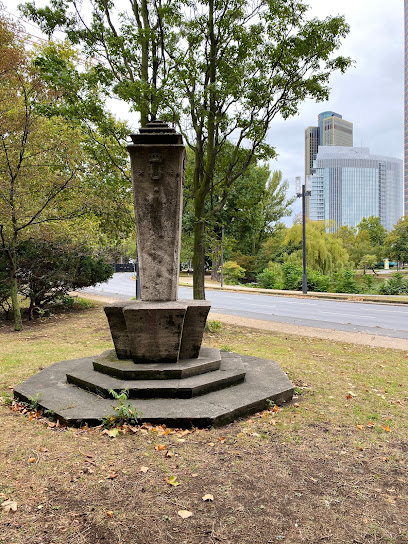
Husarendenkmal: A Memorial of Bravery
A solemn tribute to the soldiers of the 13th Hussar Regiment, the Husarendenkmal in Frankfurt offers a space for reflection on duty, sacrifice, and remembrance amidst the city's vibrant landscape.
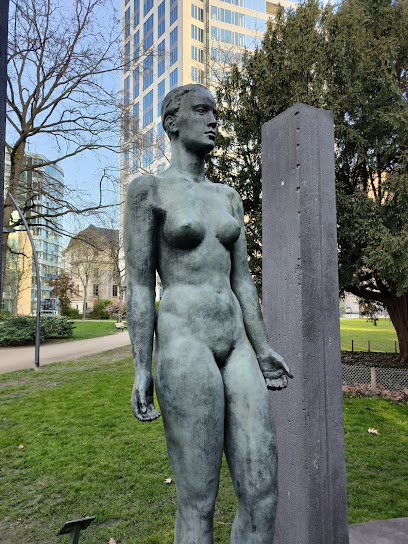
The Husarendenkmal in Frankfurt am Main is a monument dedicated to the soldiers of the 13th Hussar Regiment who fell during World War I. Created by Carl Hochscheidt and inaugurated in 1925, the memorial features an expressionist design crafted from shell limestone. Originally located in Bockenheim, it was moved to the Senckenberganlage in 2003. The monument features inscriptions honoring the fallen soldiers and emphasizing duty to the fatherland. Today, it serves as a poignant reminder of Frankfurt's military history and a place for quiet reflection amidst the bustling city. Visitors can appreciate its artistic details and historical significance within the serene park setting. The Husarendenkmal stands as a testament to the sacrifices made and the enduring spirit of remembrance.
A brief summary to Husarendenkmal Frankfurt am Main
- Ludwig-Erhard-Anlage, Frankfurt, Frankfurt-Innenstadt II, 60325, DE
Local tips
- Combine your visit with a trip to the nearby Senckenberg Natural History Museum, one of Germany's largest natural history museums.
- Take a stroll through the Senckenberganlage park to enjoy the serene atmosphere and other sculptures.
- Look for the inscriptions on the monument, which offer poignant reflections on duty, sacrifice, and remembrance.

Getting There
-
Public Transport
The Husarendenkmal is easily accessible via public transport. The nearest tram stop is 'Varrentrappstraße', served by tram lines 16 and 17. From the tram stop, walk approximately 5 minutes to the memorial within the Senckenberganlage. Alternatively, you can take bus lines 32 or 50 to the 'Senckenbergmuseum' bus stop, which is about a 3-minute walk to the monument. A single ticket within Frankfurt costs €3.80. A short-trip ticket (Kurzstrecke), valid for a limited distance, is €2.25.
-
Walking
If you are already in the Westend district or near the Frankfurt Messe area, walking to the Husarendenkmal is a pleasant option. From the Festhalle/Messe, walk west along the Ludwig-Erhard-Anlage, then turn right into the Senckenberganlage. The monument will be visible within the park. The walk is approximately 15-20 minutes. No costs are associated with walking.
-
Taxi/Ride-Share
A taxi or ride-share from Frankfurt Hauptbahnhof (Central Station) to the Husarendenkmal will take approximately 10-15 minutes, depending on traffic. The estimated cost is between €12-€18. There are no specific drop-off fees, but be aware of potential surge pricing during peak hours.
-
Driving
If driving, navigate to Ludwig-Erhard-Anlage and look for parking near the Senckenberganlage. Parking is available in the surrounding area, including the WestendGate parking garage. Hourly parking rates typically range from €2.50 to €4.00. Daily rates can range from €15 to €25. Be aware that parking in the area can be limited, especially during events at the nearby Messe Frankfurt.
Discover more about Husarendenkmal Frankfurt am Main
Iconic landmarks you can’t miss

Husarendenkmal Frankfurt am Main
0.0 km
A solemn tribute to the soldiers of the 13th Hussar Regiment, the Husarendenkmal in Frankfurt offers a space for reflection on duty, sacrifice, and remembrance amidst the city's vibrant landscape.
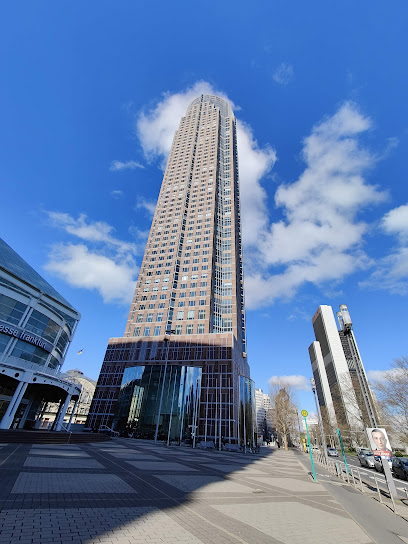
MesseTurm
0.2 km
Discover MesseTurm, Frankfurt's iconic skyscraper and convention center, where modern architecture meets vibrant city life.
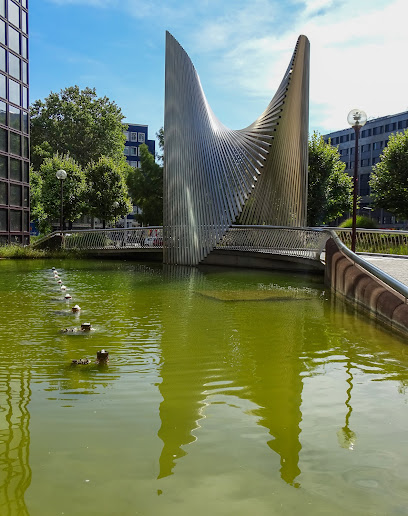
Die Welt
0.8 km
Explore Die Welt in Frankfurt – a stunning public art monument that transforms urban space into a canvas of creativity and inspiration.
Ring der Statuen
1.3 km
Discover the Ring der Statuen in Frankfurt's Rothschildpark: a captivating circle of bronze figures by Georg Kolbe, blending classical beauty with historical reflection and serene park ambiance.
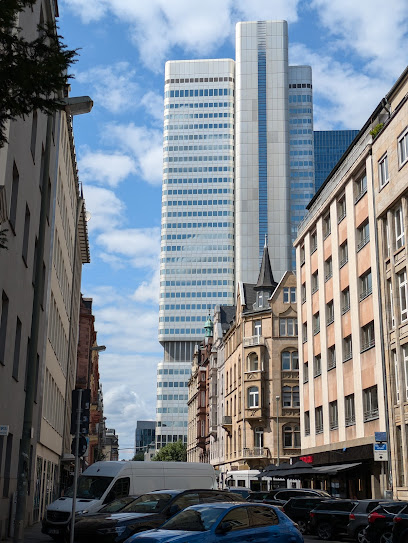
Silver Tower
1.3 km
Explore the Silver Tower in Frankfurt, an architectural marvel that blends history and modernity in the heart of the city.
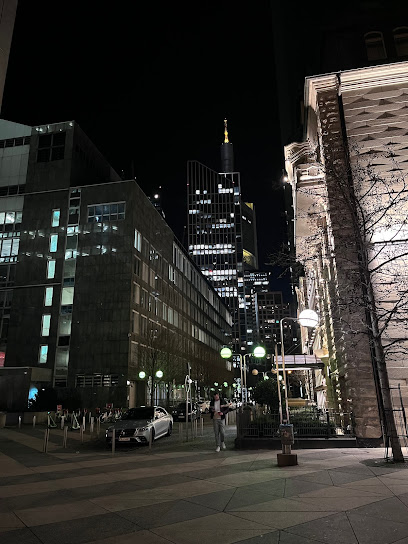
Ponto Brunnen
1.4 km
A serene urban oasis in Frankfurt's financial district, the Ponto Brunnen offers a tranquil escape with its shimmering mosaics, cascading water, and monumental granite, honoring Jürgen Ponto's legacy.
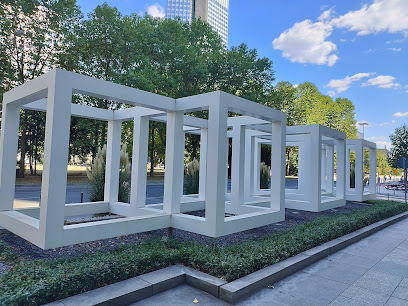
White Cubes
1.5 km
Discover the White Cubes in Frankfurt's Gallusanlage, a minimalist sculpture by Sol LeWitt offering a moment of contemplation amidst the city's bustling financial district, near the English Theatre.
Opernpl.
1.5 km
Experience Frankfurt's vibrant heart at Opernplatz, where the historic Alte Oper meets modern skyscrapers, offering a blend of culture, events, and architectural splendor.
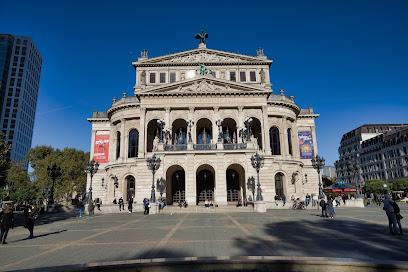
Gallusanlage
1.6 km
Discover Gallusanlage, Frankfurt's serene park where nature meets urban life, offering a refreshing escape in the city's bustling heart and a tranquil retreat for locals and tourists.
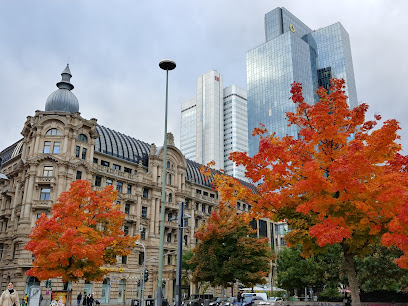
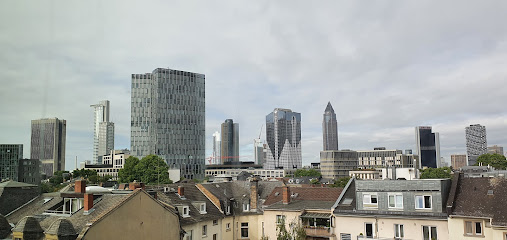
Westend Tower
1.6 km
Discover Frankfurt's iconic Westend Tower: A symbol of architectural innovation, financial power, and historical significance in the heart of the city's vibrant Westend district.
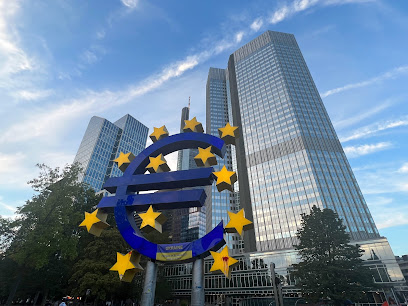
Willy-Brandt-Platz, Frankfurt
1.6 km
Experience Frankfurt's vibrant heart at Willy-Brandt-Platz, a dynamic square where modern architecture meets cultural landmarks, offering a glimpse into the city's rich history and financial power.
holocaust memorial sign and pictures
1.6 km
A poignant Holocaust memorial in Frankfurt on Grüneburgweg, offering a space for reflection and remembrance of the city's decimated Jewish community during World War II.
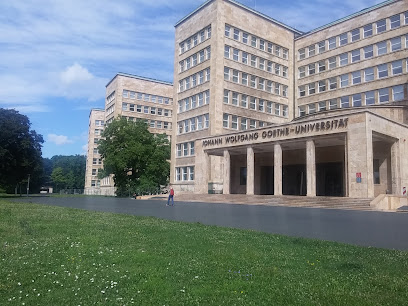
Westhafen Tower
1.7 km
Discover Westhafen Tower in Frankfurt, where modern architecture meets scenic views along the banks of the Main River, a true landmark of the city's skyline.
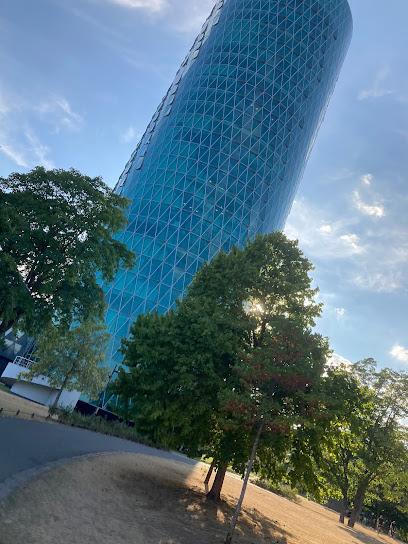
Goethepl.
1.7 km
Explore Goetheplatz in Frankfurt, a vibrant square rich in culture, art, and history, perfect for immersing in the city's local life.
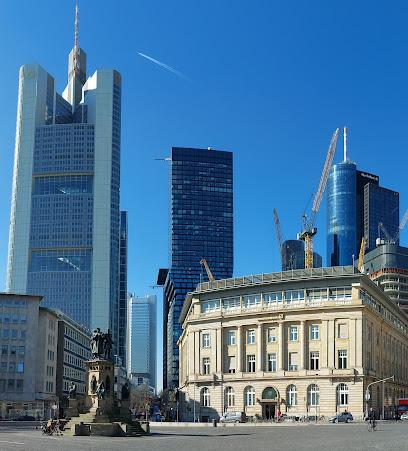
Gutenberg-Denkmal
1.8 km
A historical landmark in Frankfurt's city center, commemorating Johannes Gutenberg's revolutionary invention of printing with movable type and its impact on the world.
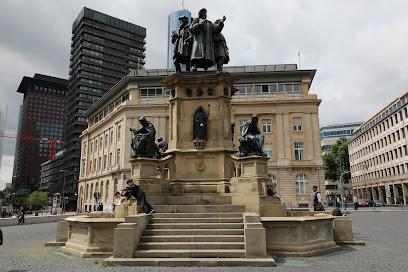
Unmissable attractions to see

Senckenberg Nature Museum
0.3 km
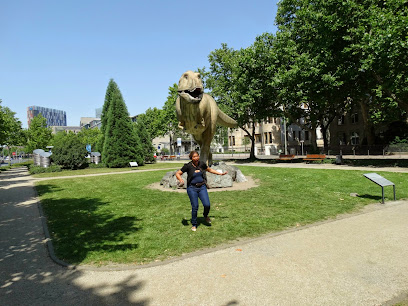
Explore the Senckenberg Nature Museum in Frankfurt, a premier destination for discovering the wonders of our planet's biodiversity and natural history.
Bockenheimer Warte (Wartturm)
0.6 km
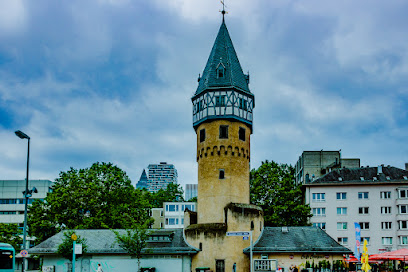
Explore the iconic Bockenheimer Warte in Frankfurt, a historic tower that showcases the city's architectural beauty and rich cultural heritage.
Messe Torhaus
0.7 km
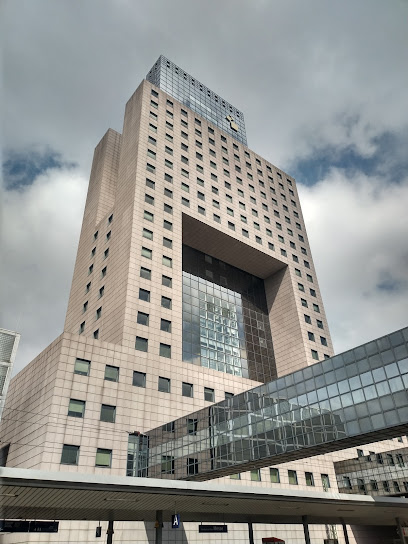
Discover the Messe Torhaus, Frankfurt's iconic gateway to the world of trade, offering a unique blend of postmodern architecture and essential services for global exhibitors and visitors.
City-Haus
0.8 km
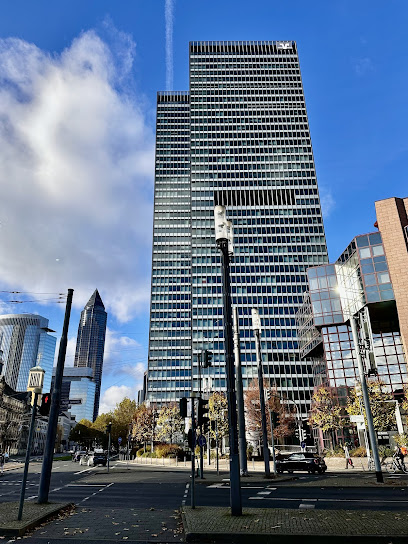
Explore the architectural beauty of City-Haus, a landmark in Frankfurt's skyline that showcases modern design and vibrant urban culture.
Grotte
0.9 km
Explore the Grotte at Palmengarten: A serene botanical sanctuary in Frankfurt showcasing nature's finest flora amidst tranquil surroundings.
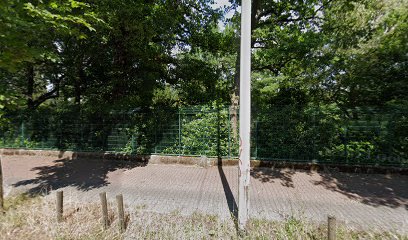
Frankfurt Bahnhofsviertel
1.0 km
Discover the eclectic charm of Frankfurt Bahnhofsviertel, a lively district full of culture, cuisine, and captivating nightlife.
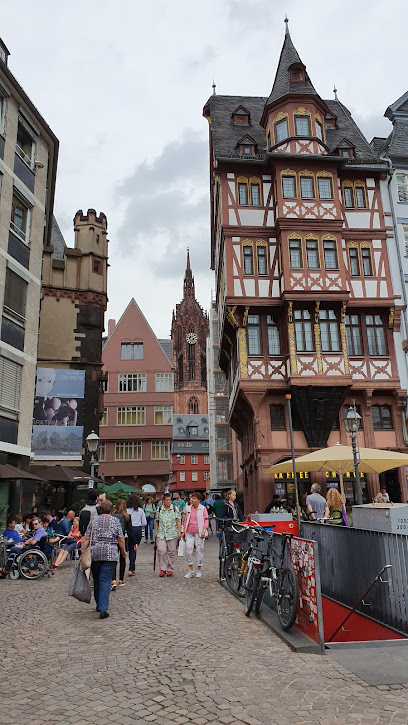
Palmengarten Frankfurt
1.0 km
Explore the enchanting Palmengarten in Frankfurt, a botanical paradise showcasing vibrant flora and serene landscapes in a city oasis.
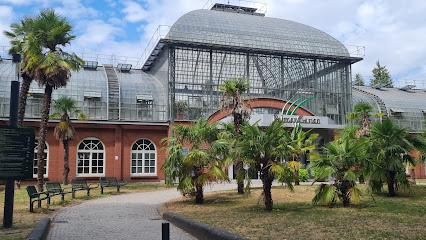
Tropicarium
1.1 km
Explore the enchanting Tropicarium in Frankfurt, a botanical garden filled with vibrant tropical flora and a serene atmosphere, perfect for all nature lovers.
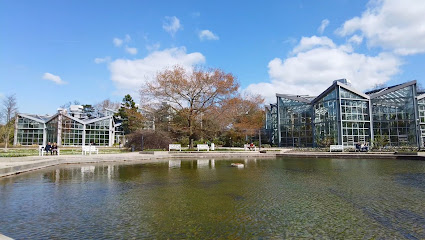
Steppenanlage und Insektenwiese
1.2 km
Explore Frankfurt's Steppenanlage and Insektenwiese, a captivating garden with subantarctic plants and vibrant insect life, perfect for nature lovers.

Rothschildpark
1.3 km
Explore Rothschildpark: A Tranquil Oasis of Nature and Art in the Heart of Frankfurt.
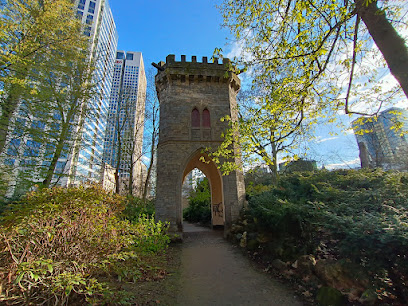
Marshall-Brunnen
1.4 km
Explore the historical beauty of Marshall-Brunnen, a stunning fountain in Frankfurt that reflects the city's rich culture and vibrant atmosphere.
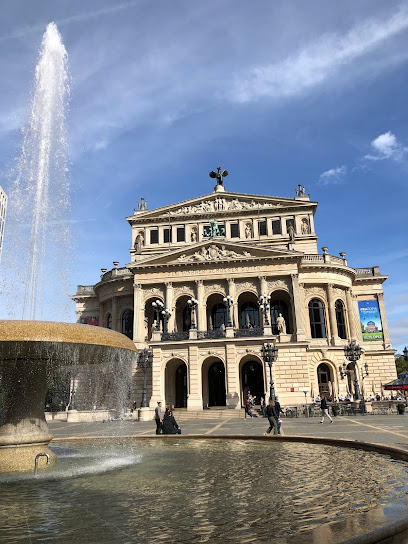
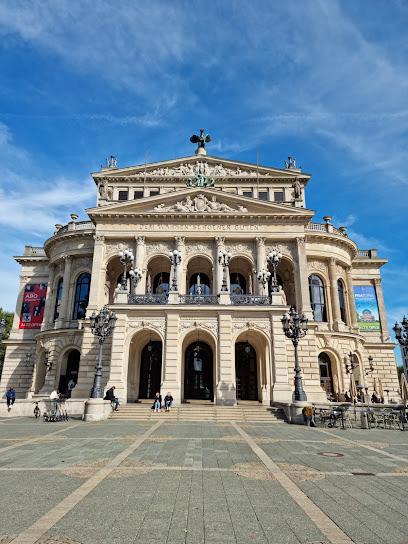
Alte Oper
1.4 km
Discover the grandeur of Alte Oper, Frankfurt's iconic opera house and a must-visit for cultural enthusiasts and tourists alike.
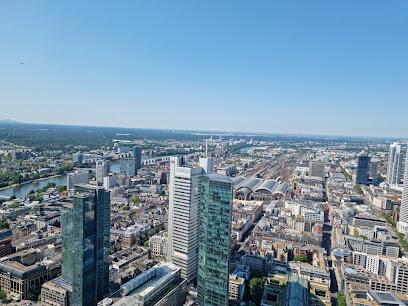
MAIN TOWER
1.5 km
Experience breathtaking views of Frankfurt from the Main Tower's observation deck, the city's iconic skyline landmark.
Wollheim Memorial
1.5 km
Explore the Wollheim Memorial in Frankfurt, a poignant tribute honoring the victims of the Holocaust and a profound reminder of history.
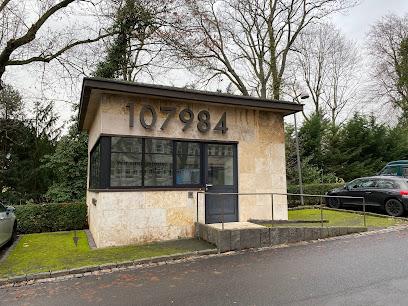
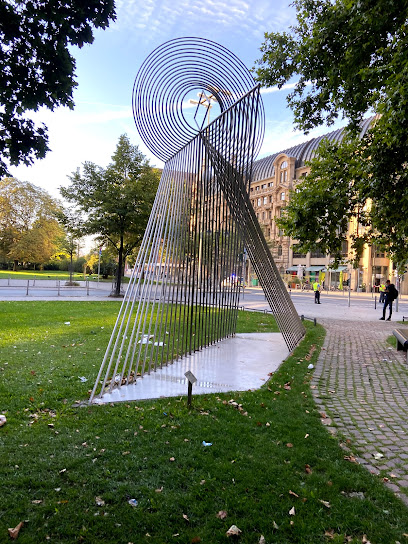
Olymp von Weimar
1.5 km
Experience the charm and historical significance of Olymp von Weimar, a must-visit tourist attraction in the heart of Frankfurt.
Essential places to dine

Takumi
0.4 km
Savor authentic Japanese ramen at Takumi in Frankfurt – where tradition meets flavor in every bowl.
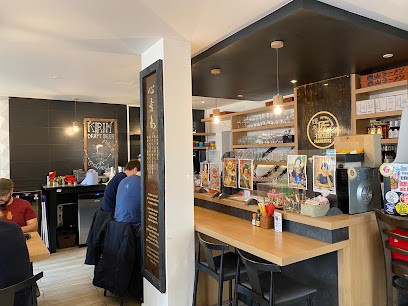
Immer Satt
0.5 km
Discover Immer Satt in Frankfurt: A perfect blend of modern dining and vibrant nightlife awaits you at this must-visit restaurant and bar.
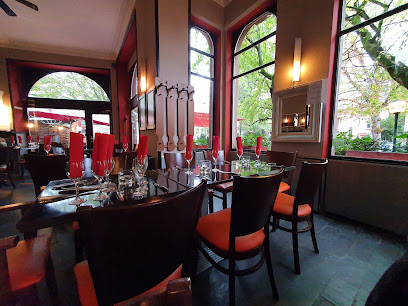
African Queen Restaurant
0.5 km
Experience authentic Eritrean flavors at African Queen Restaurant in Frankfurt – where every dish tells a story.
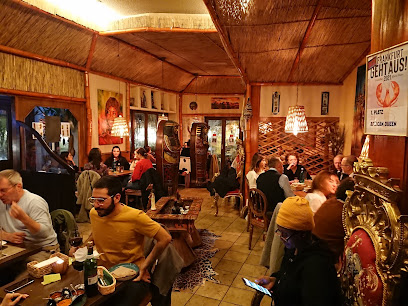
Restaurant Classico
0.5 km
Experience authentic Mediterranean cuisine at Restaurant Classico in Frankfurt - where every meal is a delightful journey through Italy's rich culinary traditions.
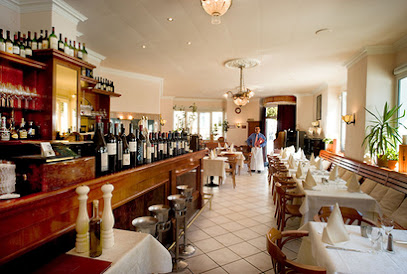
Restaurant Peysk
0.5 km
Experience innovative cuisine at Restaurant Peysk in Frankfurt, where local ingredients meet modern culinary artistry.
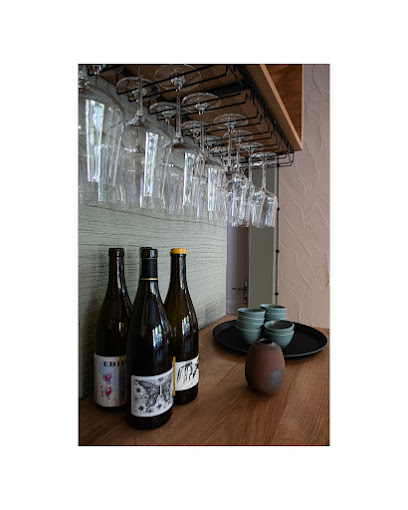
Azzurro - La Cucina Italiana
0.7 km
Experience authentic Italian cuisine at Azzurro in Frankfurt – where every dish tells a story.
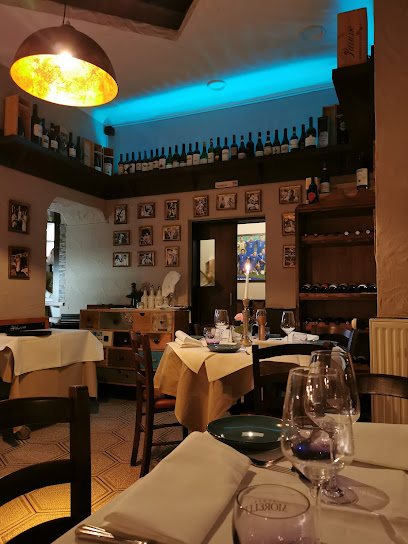
Allgaiers Restaurant
0.7 km
Experience culinary excellence at Allgaiers Restaurant in Frankfurt – where tradition meets innovation in every exquisite dish.
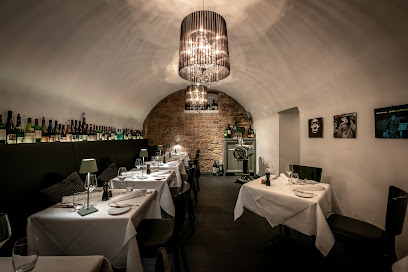
Kish Restaurant
0.8 km
Discover Kish Restaurant in Frankfurt - An Authentic Persian Culinary Experience Filled with Flavor and Hospitality.
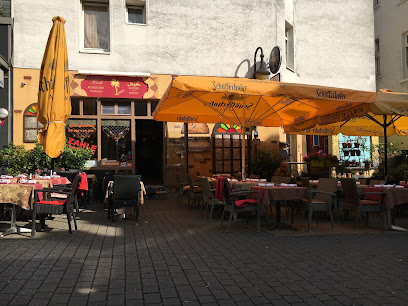
La Scuderia
0.8 km
Experience authentic Italian flavors at La Scuderia in Frankfurt, where tradition meets modernity in every delightful dish.
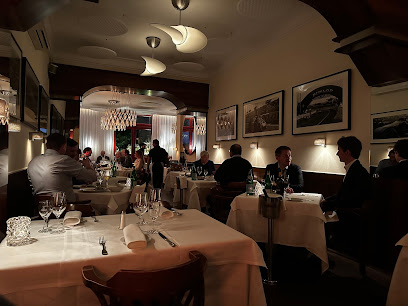
Relais & Châteaux Restaurant Lafleur
0.8 km
Experience exquisite French fine dining at Relais & Châteaux Restaurant Lafleur in Frankfurt - where culinary art meets sophistication.
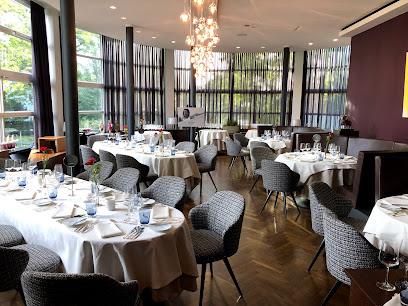
Via Monte Napoleone Restaurant
0.9 km
Experience authentic Italian cuisine in an elegant setting at Via Monte Napoleone, one of Frankfurt's finest restaurants.
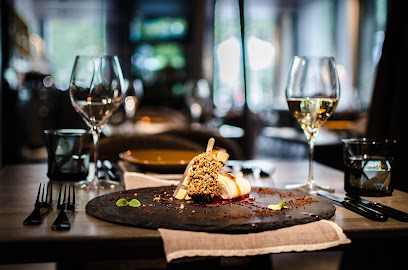
BLOCK HOUSE Frankfurt Westend
0.9 km
Indulge in exquisite steaks at BLOCK HOUSE Frankfurt Westend - where tradition meets flavor in every bite.
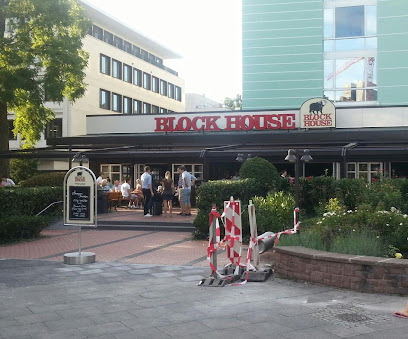
Restaurant Alte Kanzlei Inh. Luigi Riitano
1.0 km
Experience authentic Italian cuisine at Restaurant Alte Kanzlei in Frankfurt - where tradition meets elegance for an unforgettable dining experience.
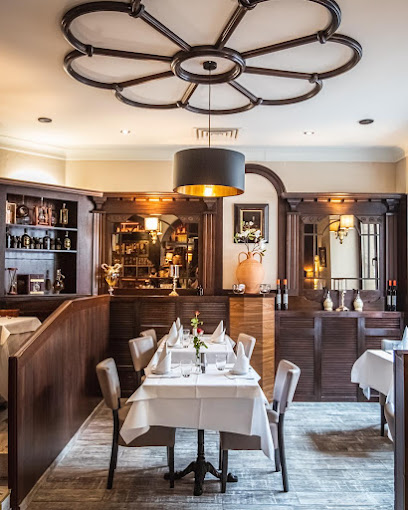
Knoblauch
1.1 km
Discover Knoblauch in Frankfurt: A premier destination for authentic French cuisine with exquisite flavors and elegant ambiance.
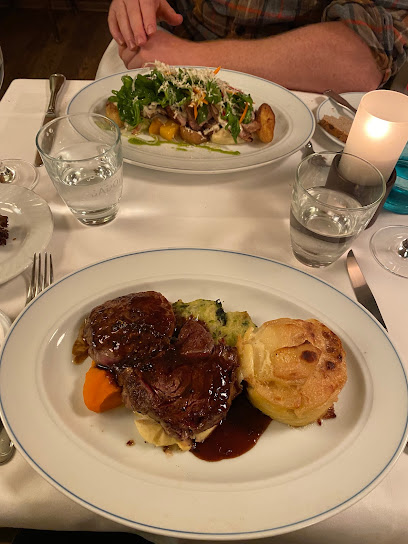
Der Fette Bulle
1.3 km
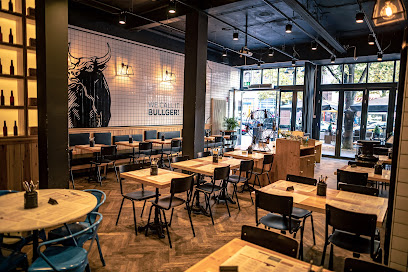
Experience gourmet burgers at Der Fette Bulle in Frankfurt—where every bite is a celebration of flavor and creativity.
Markets, malls and hidden boutiques

Skyline Plaza
0.6 km
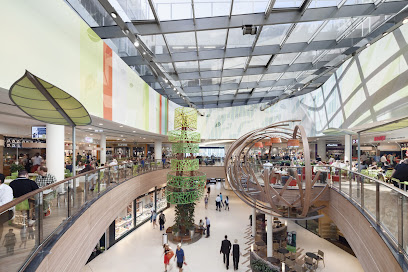
Experience the best of shopping and dining at Skyline Plaza in Frankfurt, where style meets convenience amidst a vibrant city atmosphere.
Hessen Shop Leipziger Straße
1.0 km
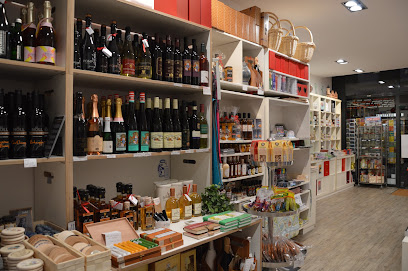
Explore the Essence of Hessen at Hessen Shop Leipziger Straße - Your Destination for Local Products and Unique Souvenirs in Frankfurt.
TUTTO...
1.1 km
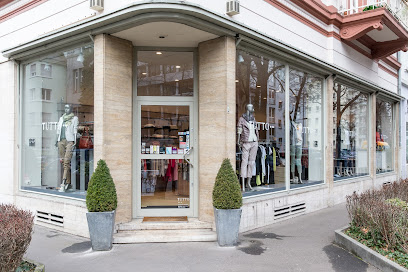
Discover TUTTO in Frankfurt for trendy women's clothing and accessories that embody the city's fashion spirit.
INSTYLE Tax Free Shop 茵时代 免税店
1.2 km
Explore luxury shopping at INSTYLE Tax Free Shop in Frankfurt, where exclusive deals and a vast selection await discerning travelers.
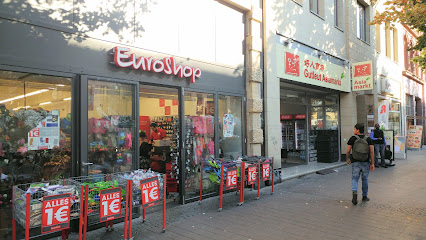
EuroShop
1.2 km
Discover unique gifts and home goods at EuroShop, Frankfurt's go-to destination for affordable souvenirs and delightful finds.
Sec shop
1.2 km
Discover the stylish Sec Shop in Frankfurt, your go-to destination for trendy clothing and an unforgettable shopping experience in the city.
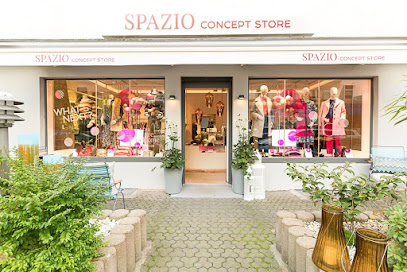
SPAZIO CONCEPT STORE
1.3 km
Explore SPAZIO CONCEPT STORE in Frankfurt for unique fashion, home decor, and accessories that celebrate local craftsmanship and contemporary design.
Kaiserpassage
1.3 km
Experience shopping and dining in the heart of Frankfurt at Kaiserpassage, a vibrant mall with diverse stores and delightful eateries.
saimas collection frankfurt indian.pakistanische
1.3 km
Explore the vibrant saree collection at Saimas Collection in Frankfurt, celebrating the beauty of Indian and Pakistani fashion with every piece.
CITY Shop K65
1.3 km
Discover Frankfurt's spirit at CITY Shop K65, where local culture meets eclectic shopping in the heart of the city.
Blue Velvet Derya GmbH
1.4 km
Explore the stylish offerings at Blue Velvet Derya GmbH, a boutique clothing store in Frankfurt, where fashion meets urban flair.
City Shop Kaiser
1.4 km
Discover the convenience of City Shop Kaiser in Frankfurt, where tobacco meets everyday essentials in a lively atmosphere.
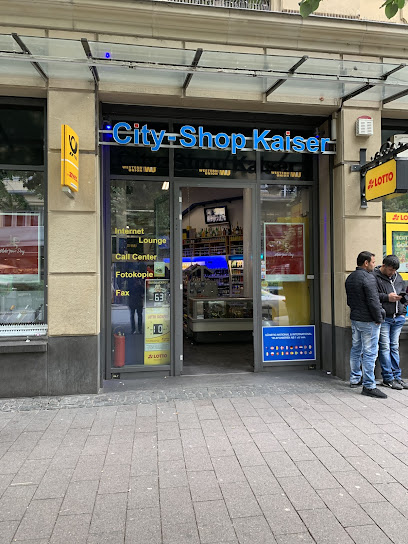
Shoes & Accessories Uebervart
1.4 km
Explore trendy footwear and stylish accessories at Shoes & Accessories Uebervart in Frankfurt am Main. A fashion lover's paradise awaits!
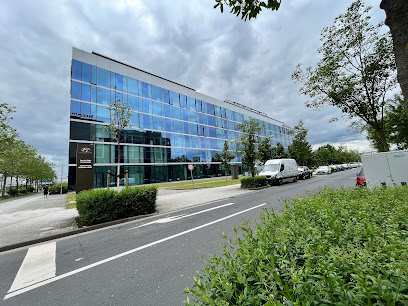
Hiyab Gifts
1.5 km
Discover unique treasures and authentic souvenirs at Hiyab Gifts in Frankfurt, your essential stop for memorable shopping experiences.
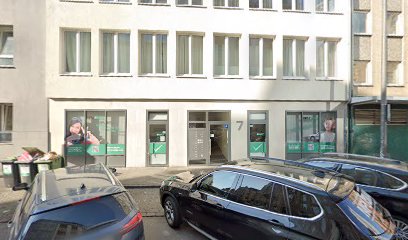
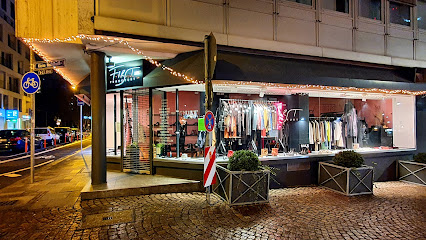
FIRST Frankfurt
1.6 km
Discover the latest trends in women's fashion at FIRST Frankfurt, where style meets elegance in the heart of the city.
Essential bars & hidden hideouts

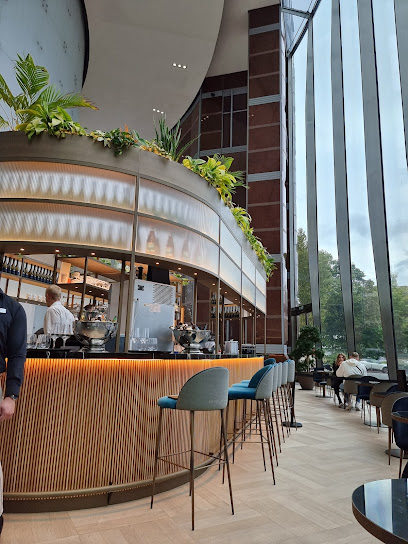
HORIZON BAR
0.2 km
Discover the elegance of Horizon Bar in Frankfurt, where stunning skyline views meet exquisite cocktails in a sophisticated atmosphere.
Jimmy's Bar Frankfurt
0.4 km
Discover the allure of Jimmy's Bar Frankfurt, where exquisite cocktails meet live music in an elegant setting.
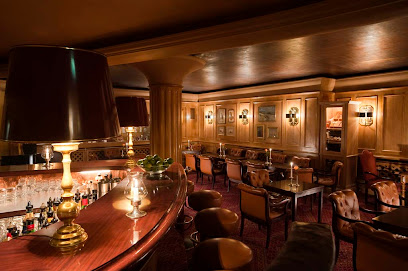
TapHouse Frankfurt
0.4 km
Discover the vibrant flavors of modern Indian cuisine at TapHouse Frankfurt, a unique gastropub experience in the heart of the city.
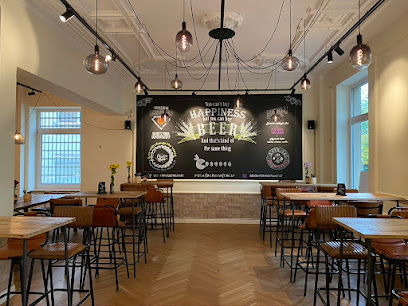
Alto Bar
0.6 km
Experience the charm of Alto Bar in Frankfurt, where relaxation meets vibrant local culture in a cozy setting.
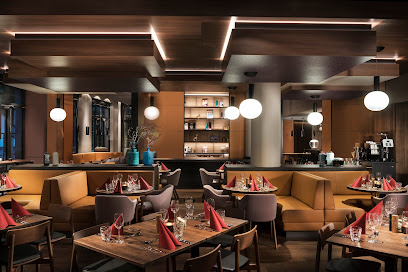
L'UNICO Wine Bar
0.7 km
Experience the finest wines and a cozy atmosphere at L'UNICO Wine Bar, a hidden gem in Frankfurt perfect for any wine lover.
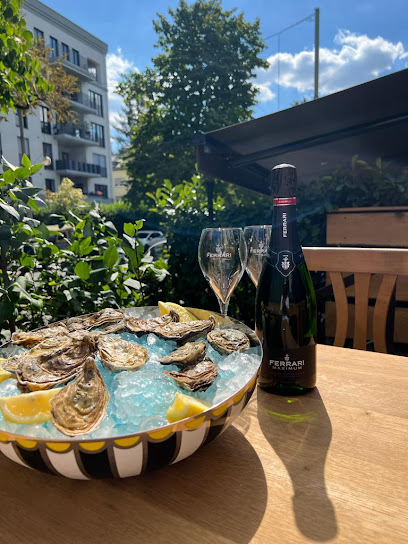
Oceans Restaurant Bar & Lounge
0.7 km
Experience the best of seafood dining at Oceans Restaurant Bar & Lounge in Frankfurt, where Mediterranean flavors meet a chic dining atmosphere.
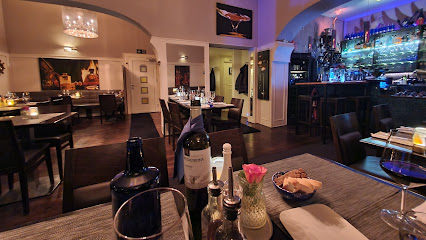
The Fox and Hound
0.9 km
Experience the perfect blend of grilled delights and a warm atmosphere at The Fox and Hound in Frankfurt, a must-visit for every traveler.
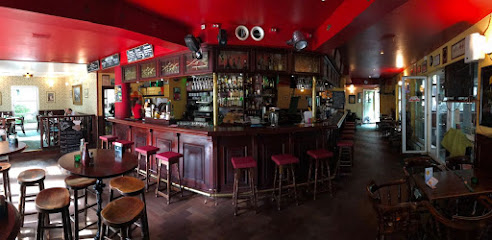
Westbar
1.1 km
Experience the vibrant nightlife at Westbar, a trendy bar in Frankfurt offering creative cocktails and a lively atmosphere for all occasions.
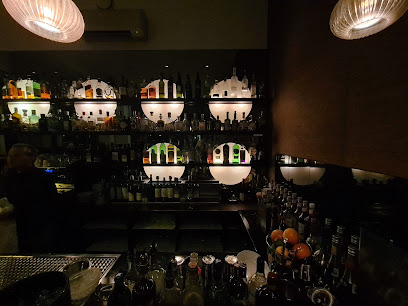
HouseBar 55 - Frankfurt am Main
1.1 km
Experience the pulsating nightlife at HouseBar 55 in Frankfurt, where amazing cocktails meet electrifying dance beats.
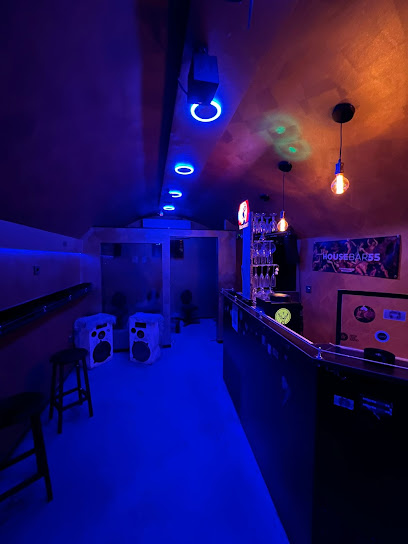
CoCo-LoCo Bar
1.1 km
Discover the vibrant nightlife at CoCo-LoCo Bar in Frankfurt, where eclectic cocktails and a lively atmosphere await every visitor.
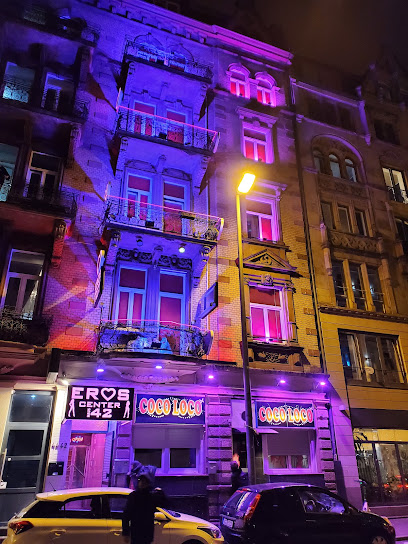
MY WAY Bar & Bistro
1.2 km
Discover the vibrant nightlife at MY WAY Bar & Bistro in Frankfurt, where delicious drinks and a lively atmosphere await.
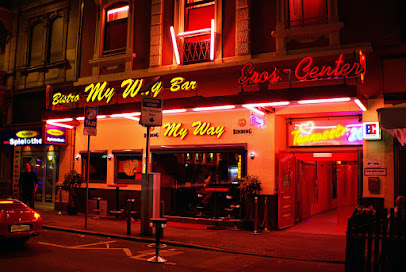
High Five Bar
1.3 km
Experience the vibrant nightlife at High Five Bar in Frankfurt, a perfect spot for cocktails, music, and mingling with locals.
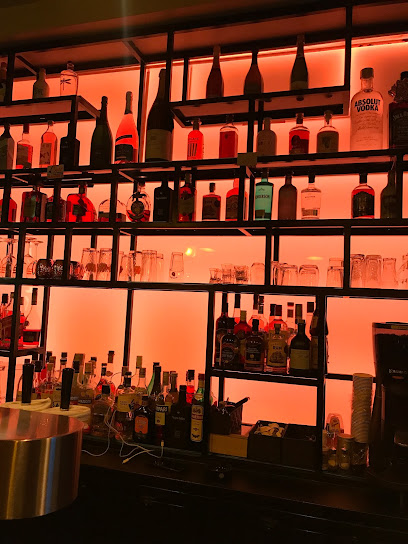
o'reilly's Irish pubs
1.3 km
Discover the essence of Ireland in the heart of Frankfurt at O'Reilly's Irish Pub, offering authentic cuisine and a lively atmosphere.
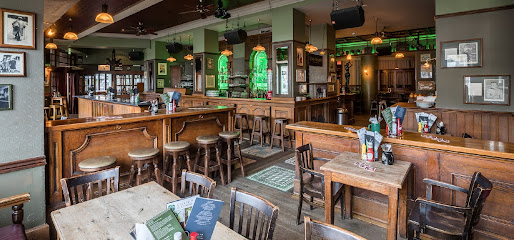
French Bento Bar - Frankfurt am Main
1.4 km
Experience a delightful blend of French cuisine and Japanese bento culture at the French Bento Bar in Frankfurt's lively Innenstadt I district.
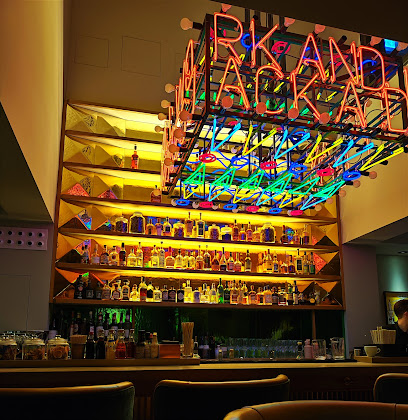
Plank Café-Bar-Studio
1.4 km
Experience the vibrant Plank Café-Bar-Studio in Frankfurt - where delightful drinks and a lively ambiance merge for an unforgettable night out.
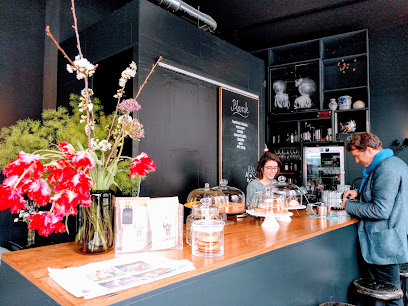
Nightclubs & after hour spots

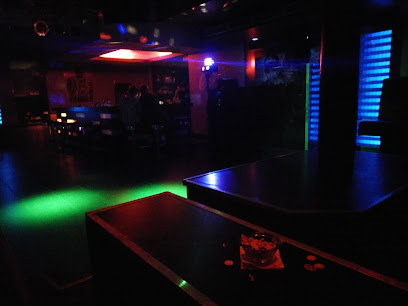
URBAN RAVE SPOT
0.2 km
Discover the ultimate nightlife experience at Urban Rave Spot in Frankfurt, where vibrant music and an exhilarating atmosphere await party enthusiasts.
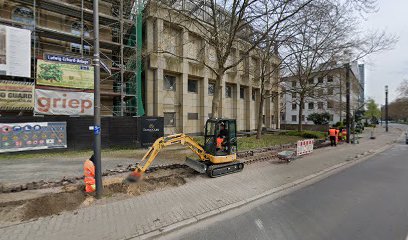
Club78
1.0 km
Experience the heart of Frankfurt's nightlife at Club78, where music, dancing, and unforgettable memories await every night.

Karlson
1.0 km
Discover the electrifying nightlife at Karlson, a premier disco club and cocktail bar in Frankfurt, where music and mixology unite for an unforgettable experience.
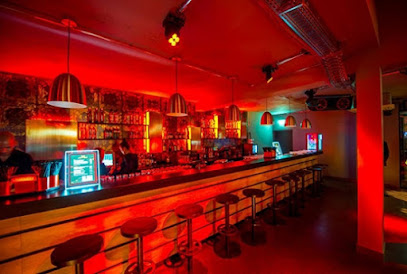
Bar Pracht - Frankfurt am Main
1.0 km
Discover the pulse of Frankfurt's nightlife at Bar Pracht, where the drinks flow and the dance floor beckons until dawn.
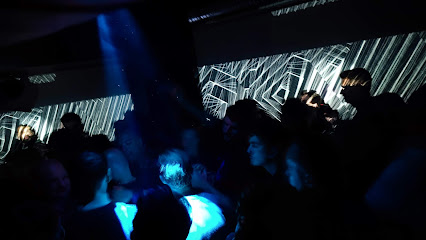
Sound FFM
1.2 km
Discover the thrilling nightlife of Sound FFM, Frankfurt's top night club offering electrifying music, vibrant atmosphere, and unforgettable experiences.
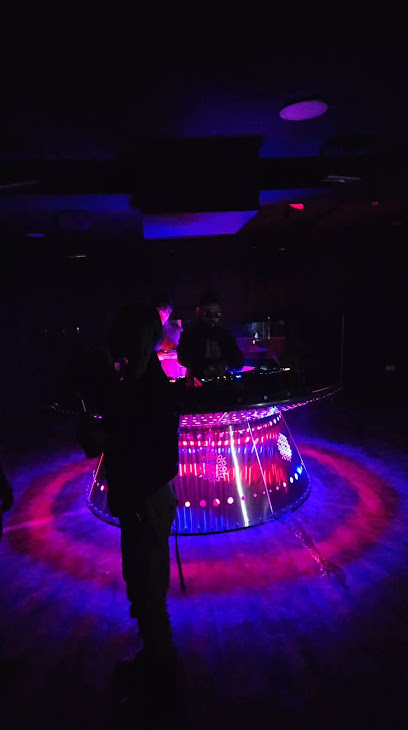
Erlebnisbar Pöbel & Gesox
1.3 km
Discover the electrifying nightlife of Frankfurt at Erlebnisbar Pöbel & Gesox, a vibrant night club offering unforgettable experiences and lively entertainment.
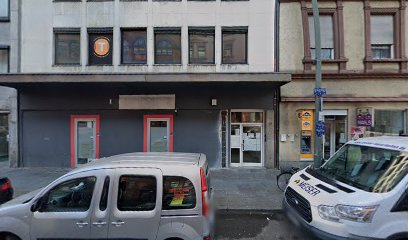
Pik Dame
1.3 km
Explore the dynamic nightlife of Frankfurt at Pik Dame, where cabaret meets a lively bar scene for unforgettable evenings.
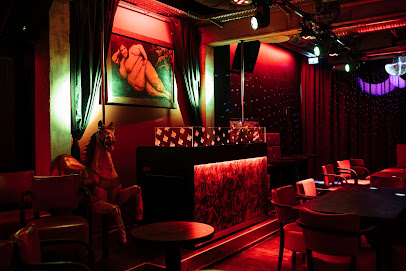
Najay's
1.3 km
Discover the ultimate nightlife experience at Najay's, Frankfurt's premier night club, where music and excitement come alive.
Chinaski Club
1.3 km
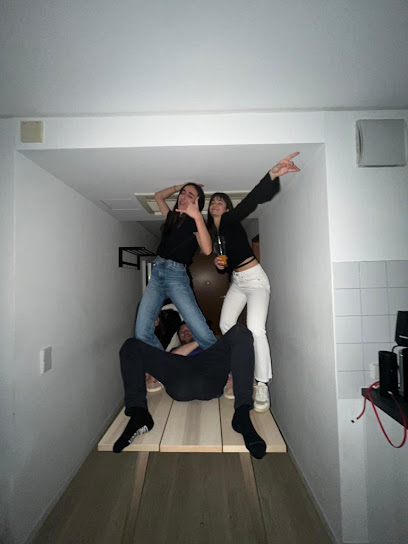
Discover the pulsating nightlife of Frankfurt at Chinaski Club, where top DJs and vibrant ambiance create unforgettable experiences.
TOKONOMA
1.5 km
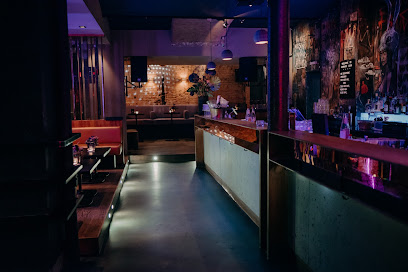
Discover the pulse of Frankfurt's nightlife at Tokonoma, a stylish night club offering vibrant music, dancing, and unforgettable experiences.
Orange Peel - Frankfurt am Main
1.5 km
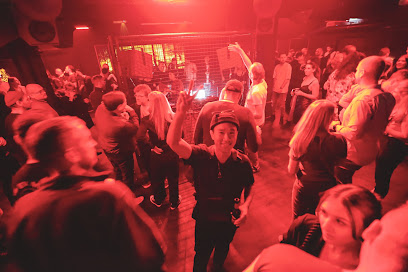
Immerse yourself in the vibrant nightlife of Frankfurt at Orange Peel, a lively bar featuring exceptional live music and a welcoming atmosphere.
Goldeneye Club - Frankfurt am Main
1.5 km
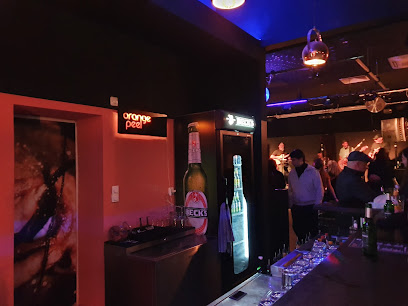
Discover the pulse of Frankfurt's nightlife at Goldeneye Club, where unforgettable music and vibrant crowds come together for an epic night out.
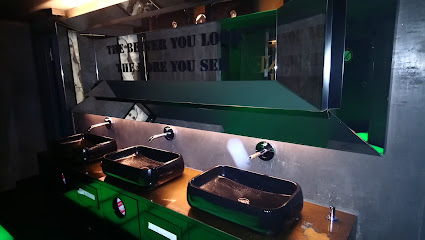
Club Crémant
1.6 km
Immerse yourself in the vibrant nightlife of Frankfurt at Club Crémant, where music and energy collide for an unforgettable evening out.
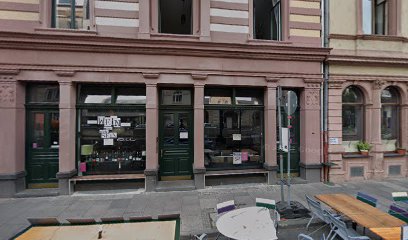
Velvet
1.8 km
Discover the vibrant nightlife at Velvet, Frankfurt's premier disco club featuring two floors of electrifying music and a lively atmosphere.
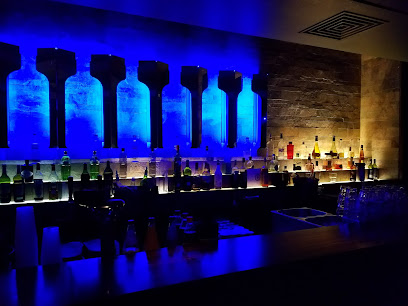
Cooky's
1.9 km
Discover Frankfurt's nightlife at Cooky's Disco Club, where energetic music and an electrifying atmosphere await every night.