
Ring der Statuen, Frankfurt Travel Guide
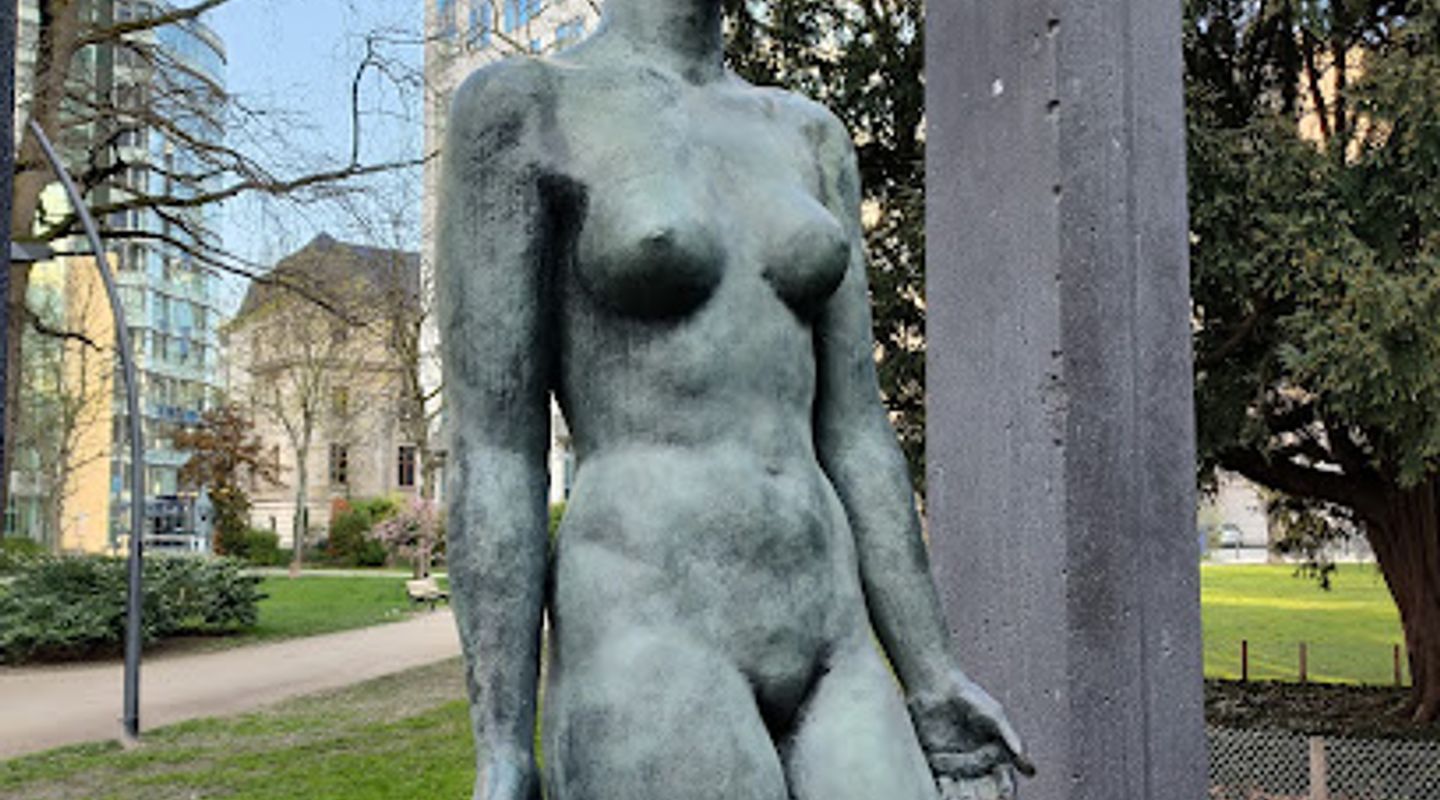
Discover the Ring der Statuen in Frankfurt's Rothschildpark: a captivating circle of bronze figures by Georg Kolbe, blending classical beauty with historical reflection and serene park ambiance.
The Ring der Statuen, located in Frankfurt's Rothschildpark, is a captivating ensemble of seven bronze sculptures created by Georg Kolbe. Erected in 1954, these slightly larger-than-life figures stand gracefully amidst 14 basalt columns, forming a circle that invites contemplation. Each sculpture embodies a distinct role, such as 'Young Woman,' 'Guardian,' and 'Descending Youth,' yet they share a common aesthetic, blending classical forms with harmony and symmetry. Despite their creation during the Nazi era, the figures exude a sense of melancholy and introspection, prompting reflection on the complexities of art and history. The park itself offers a tranquil escape, making the Ring der Statuen a compelling destination for art lovers and those seeking a moment of serenity in the heart of Frankfurt.
A brief summary to Ring der Statuen
- Oberlindau 20, Frankfurt, Frankfurt-Innenstadt II, 60323, DE
- Click to display

Know before you go
Hi, I'm Eve. Here are a few practical things to know before exploring Ring der Statuen.
- Visit during different seasons to experience the changing ambiance of the Rothschildpark and how it complements the sculptures.
- Take time to walk around the entire circle, observing each statue from various angles to appreciate the nuances of Kolbe's artistry.
- Consider the historical context of the sculptures, created during the Nazi era, and reflect on the complexities of art and politics.
Do you manage this location?
Take control to get all the benefits, like improved information, better appearance, and stronger visibility across AI-powered discovery. Learn more about listing your business on Evendo
Activate your presenceOther nearby places you may find interesting
The closest places of the same kind, if this one is not quite what you had in mind.
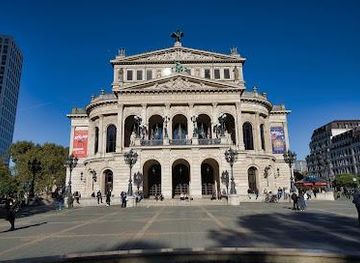

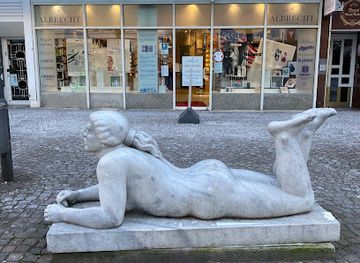
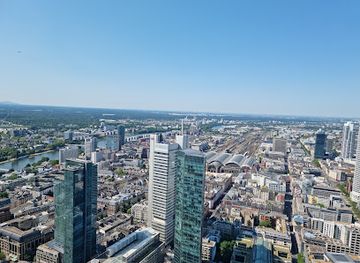
Explore Ring der Statuen on the Map
A handpicked selection of must-see spots near Ring der Statuen, mapped for you.
Getting There
-
Public Transport
The Ring der Statuen is easily accessible via public transport. From Frankfurt Hauptbahnhof (main train station), take the U4 or U5 subway line to the 'Willy-Brandt-Platz' station. From there, it's approximately a 10-minute walk north along the Opernplatz and into the Rothschildpark. Alternatively, take the U6 or U7 to 'Alte Oper' station, which is even closer to the park's entrance on the Oberlindau side. A single ride on the subway costs around €2.75.
-
Walking
If you are already in the Westend or Innenstadt (city center) area, walking to the Ring der Statuen is a pleasant option. From the Alte Oper (Old Opera House), head north along Oberlindau. The entrance to Rothschildpark will be on your left after a few blocks. The Ring der Statuen is located within the park, a short walk from the entrance.
-
Taxi/Ride-Share
A taxi or ride-share from Frankfurt Hauptbahnhof to Oberlindau 20 (the approximate address of the Ring der Statuen) will cost approximately €12-€18, depending on traffic. The journey typically takes 5-10 minutes. Be sure to specify 'Rothschildpark' as your destination to ensure the driver takes you to the correct location.
-
Driving
Driving to the Ring der Statuen is possible, but parking in the immediate vicinity can be limited and subject to resident parking restrictions. There are parking garages a few blocks away, such as at the WestendGate (distance) or near the Bockenheimer Landstrasse (distance), with hourly rates around €2.50-€4.00 and daily rates around €20-€25. Be aware of parking zone 16 restrictions in the Oberlindau area.
Discover more about Ring der Statuen













Your all‑in‑one travel companion app
Explore expert travel guides, compare and book tours, experiences, hotels, and more—all from the palm of your hand. Download now for seamless trip planning wherever your wanderlust takes you.


Explore More of Frankfurt
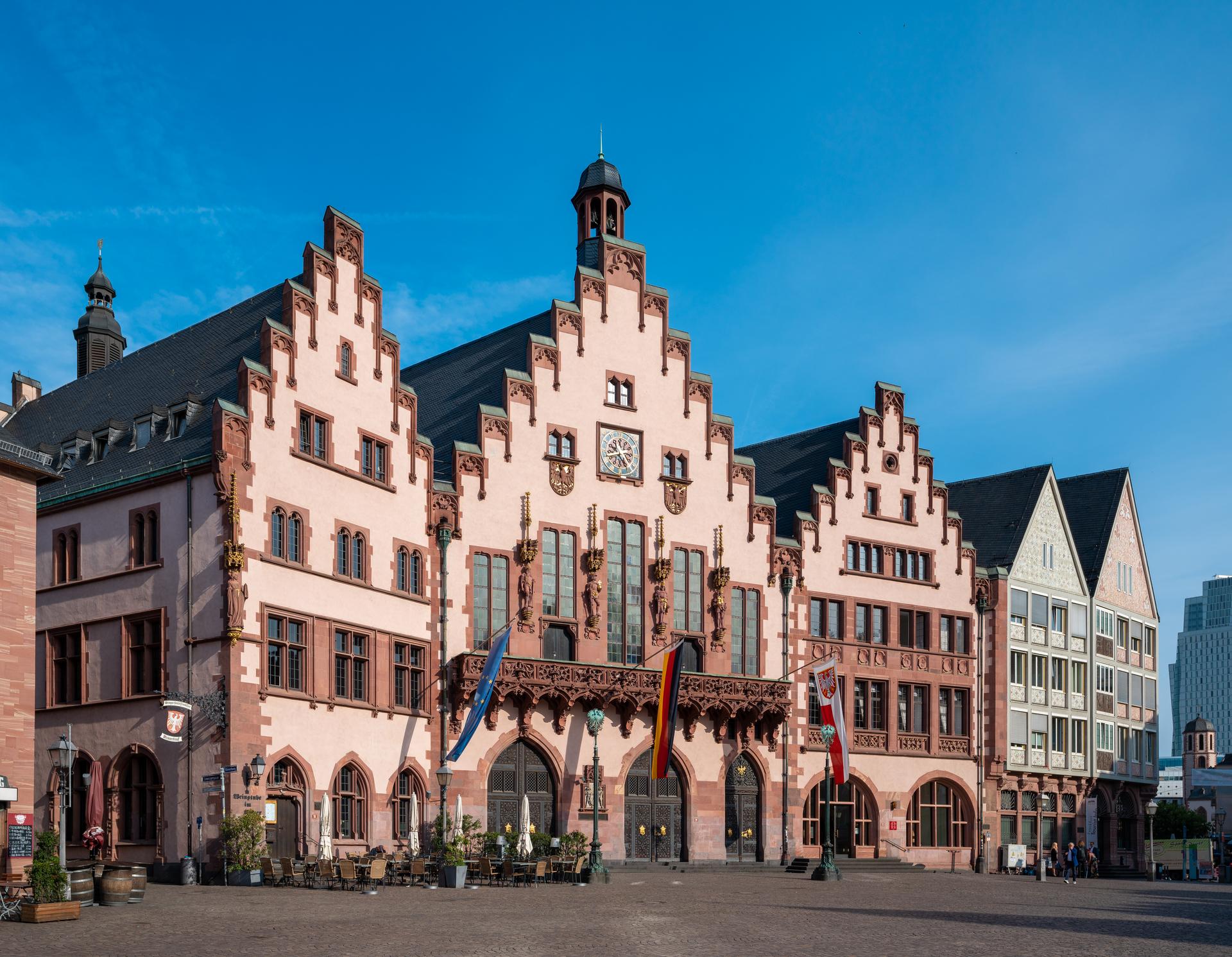
Looking beyond Ring der Statuen? Discover Frankfurt for broader travel guides, local hot-spots, and regional highlights.
Explore Frankfurt
Discover the vibrant Wandmalerei am CineStar in Frankfurt, a stunning mural blending art and entertainment in the heart of the city's bustling Innenstadt district.

Experience Frankfurt's vibrant heart at Opernplatz, where the historic Alte Oper meets modern skyscrapers, offering a blend of culture, events, and architectural splendor.
