

Free Freiburg Travel Guide & Mobile App
Plan your Freiburg trip with Evendo. Get free guides to top attractions, restaurants, hotels, and bars. Web access or download the mobile app.


Freiburg, Germany blends medieval lanes, Black Forest landscapes, Gothic architecture, lively markets and sustainable city culture for memorable sightseeing.
Medieval Streets and Southern Light
Freiburg im Breisgau stands at the western edge of the Black Forest, close to the French and Swiss borders and surrounded by the vineyards of Baden. Its compact Altstadt is framed by fragments of medieval fortifications, narrow lanes and the city’s distinctive Bächle: shallow open water channels that run beside many streets. At its centre, Freiburg Minster rises above Münsterplatz, its intricate Gothic tower providing one of the clearest expressions of the city’s long religious and civic history.Read more about Freiburg
A City Shaped by Its Setting
Culture, Markets and Green Living
When is the best time to visit Freiburg?
Best: July–September · 22–25°C| Month | High (°C) | Rainfall (mm) |
|---|---|---|
| January | 6 | 52 |
| February | 8 | 45 |
| March | 11 | 55 |
| April | 15 | 62 |
| May | 20 | 87 |
| June | 24 | 92 |
| July (best) | 25 | 83 |
| August (best) | 25 | 83 |
| September (best) | 22 | 65 |
| October | 17 | 51 |
| November | 11 | 57 |
| December | 7 | 56 |
Getting to and around Freiburg
How to get there
Transportation
Best attractions in Freiburg
Freiburg’s principal sights are concentrated around the Altstadt, making the city rewarding to explore on foot. Freiburg Minster dominates Münsterplatz, where the Münstermarkt brings a daily succession of regional produce, flowers and prepared food. The Augustinermuseum presents medieval and Baroque art in a former Augustinian monastery, while the Museum für Stadtgeschichte explains the city’s development through objects and models. The Schwabentor and Martinstor preserve two of the old town’s best-known gateways, and the narrow streets between them retain the distinctive Bächle water channels. For open-air breathing space, climb or walk around Schlossberg, whose wooded slopes rise directly above the centre, or head to Seepark in the west for lawns, water and broad paths. The Colombischlössle Archaeological Museum adds a deeper view of the region’s prehistoric and Roman past, while the Dreisam offers a more local perspective on everyday Freiburg life.
-
Catholic cathedral
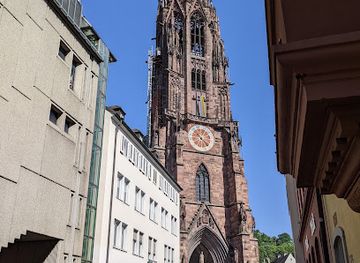
Freiburg Cathedral
Discover the architectural wonder of Freiburg Cathedral, a Gothic masterpiece in the heart of Freiburg im Breisgau, steeped in history and culture.
3 min walk · 0.2 km from city centre
-
Tourist attraction
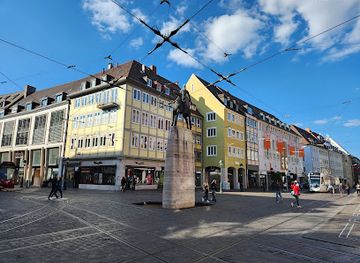
Bertoldsbrunnen
Explore the historic Bertoldsbrunnen, a vibrant landmark in Freiburg, where history meets modern life in the heart of the city.
1 min walk · 0.1 km from city centre
-
Tourist attraction
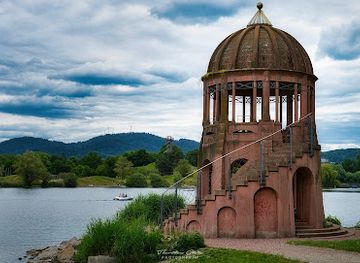
Seepark Freiburg
Experience the beauty and tranquility of Seepark Freiburg, a stunning urban park perfect for relaxation, recreation, and family fun.
8 min drive · 2.6 km from city centre
-
City park
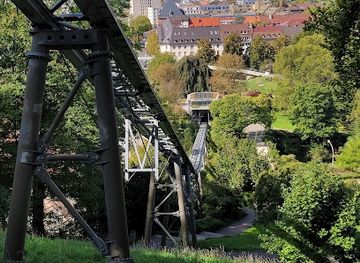
Stadtgarten Freiburg
Discover the serene beauty of Stadtgarten Freiburg, a lush urban park perfect for relaxation, recreation, and cultural experiences in the heart of the city.
8 min walk · 0.7 km from city centre



Best landmarks in Freiburg
Freiburg Minster is the city’s defining landmark, celebrated for its finely worked Gothic tower, sculptural decoration and survival through periods of war and reconstruction. On the surrounding Münsterplatz, the red Historical Merchants’ Hall represents the civic and commercial power of the late medieval town, with stepped gables and richly ornamented façades. The Schwabentor and Martinstor are the most visible remnants of Freiburg’s medieval gateways, though both have been altered over time as the city expanded beyond its walls. Schlossberg carries the traces of the fortifications that once guarded Freiburg’s strategic position, while the Colombischlössle, a nineteenth-century villa set in gardens, reflects a later period of urban refinement. The Augustinermuseum’s former monastery buildings add another layer, linking the city’s religious foundations with its present cultural institutions and collections.
-
Cathedral
Freiburg Cathedral
Discover Freiburg Cathedral, a magnificent Gothic landmark with a soaring spire, stunning stained glass, and a rich history in the heart of Freiburg's vibrant Münsterplatz.
3 min walk · 0.2 km from city centre
-
Historical landmark
Bertoldsbrunnen
Meet 'Berti,' the vibrant heart of Freiburg! This central landmark, a hub for trams and locals, is surrounded by shops, cafes, and the city's rich history.
1 min walk · 0.1 km from city centre
-
Park
Seepark Freiburg
Discover Seepark Freiburg: A vibrant urban oasis offering a scenic lake, Japanese garden, recreational activities, and stunning views for a perfect day of relaxation and fun in the heart of Freiburg.
8 min drive · 2.6 km from city centre
-
City park
Stadtgarten Freiburg
Discover Freiburg's green heart at the Stadtgarten, a historic park offering tranquility, vibrant gardens, and cultural events in the city center since 1888.
8 min walk · 0.7 km from city centre

Explore Freiburg on the map
Plan your Freiburg trip on one map. See where the top attractions, landmarks, restaurants, bars and hotels are, find what's near where you're staying, and book hotels and experiences in a few clicks.
Best hotels in Freiburg
Best restaurants in Freiburg
Freiburg’s dining culture reflects Baden’s position between the Black Forest, the Rhine plain and neighbouring France. Traditional restaurants serve dishes such as käsespätzle, Maultaschen, seasonal asparagus, trout and hearty preparations accompanied by Baden wines, while Flammkuchen is common across the wider Upper Rhine. The Münstermarkt provides an accessible introduction to regional ingredients, with stalls offering bread, cured foods, sausages, vegetables and ready-to-eat specialities. Around the Altstadt, long-established inns sit alongside vegetarian cafés, international kitchens and modern restaurants shaped by Freiburg’s student and environmental culture. The Stühlinger and Wiehre districts also have independent cafés and casual dining. Local wine from Baden, including varieties grown in the Kaiserstuhl and Markgräflerland, is a natural companion to the cuisine, and seasonal menus often make the most of produce from nearby farms.
-
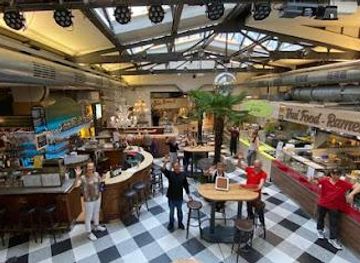
Food court
Markthalle
Discover Markthalle in Freiburg - A vibrant food court offering local delicacies & global flavors amidst a lively atmosphere.
1 min walk · 0.1 km from city centre
-
German
Das Kartoffelhaus
Explore authentic German cuisine at Das Kartoffelhaus in Freiburg - where organic meets tradition in every delicious dish.
10 min walk · 0.8 km from city centre
-
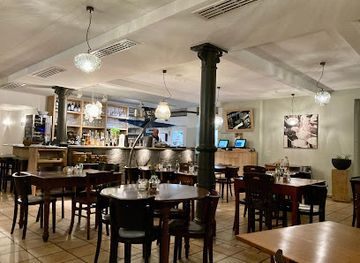
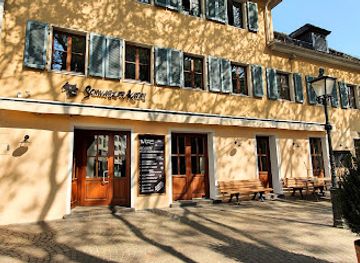
Restaurant
Schwarzer Kater
Experience the lively atmosphere and delectable cuisine at Schwarzer Kater in Freiburg im Breisgau—your go-to spot for food and drinks.
2 min walk · 0.2 km from city centre
-
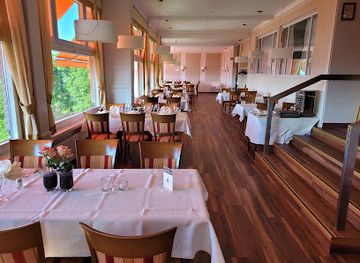
German
Dattler
Experience authentic German cuisine at Dattler in Freiburg im Breisgau—where stunning views meet delectable dishes.
10 min walk · 0.8 km from city centre
Best bars in Freiburg
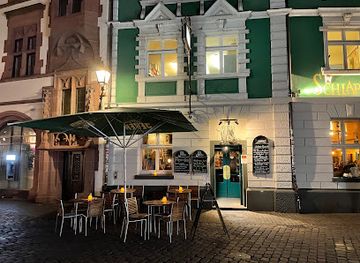
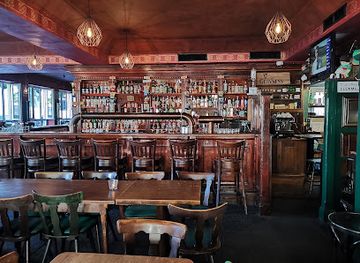
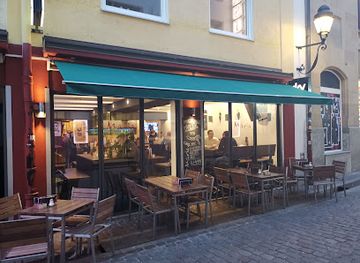
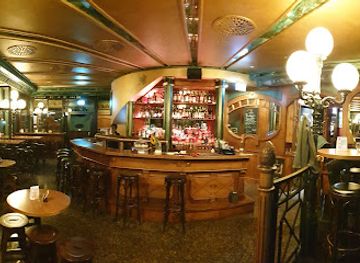
Freiburg’s evening life is varied but not metropolitan in scale, with activity concentrated around the Altstadt, the area near the university and parts of Stühlinger. Traditional pubs and student bars provide relaxed places for beer, regional wine and conversation, while smaller cocktail bars and cafés offer a more polished alternative. The city also has a long association with live music, independent cultural venues and university events, with programmes ranging from concerts and theatre to club nights. On warm evenings, outdoor seating and riverside gatherings give the centre a sociable atmosphere, although public drinking and noise remain subject to ordinary local rules. Nightlife is generally strongest from Thursday through Saturday, while Freiburg’s theatres, cinemas and concert venues provide cultural options beyond bars and clubs.
-
Pub
Schlappen
Experience the vibrant nightlife of Freiburg at Schlappen, a lively pub offering delicious food and an extensive drink selection in a welcoming atmosphere.
2 min walk · 0.1 km from city centre
-
Irish pub
O'Kellys Irish Pub
Discover the authentic taste of Ireland at O'Kellys Irish Pub, a lively spot for food, drinks, and sports in the heart of Freiburg.
5 min walk · 0.4 km from city centre
-
Bar
Maria
Maria Bar in Freiburg: Enjoy American and vegan delicacies in a lively atmosphere with creative cocktails and late-night fun.
2 min walk · 0.2 km from city centre
-
Irish pub
Oscar Wilde‘s Irish Pub & Whiskey Bar
Discover the charm of an authentic Irish pub in Freiburg, featuring traditional cuisine, an extensive whiskey selection, and a lively atmosphere.
3 min walk · 0.2 km from city centre
Best nightclubs in Freiburg
Freiburg’s evening life is varied but not metropolitan in scale, with activity concentrated around the Altstadt, the area near the university and parts of Stühlinger. Traditional pubs and student bars provide relaxed places for beer, regional wine and conversation, while smaller cocktail bars and cafés offer a more polished alternative. The city also has a long association with live music, independent cultural venues and university events, with programmes ranging from concerts and theatre to club nights. On warm evenings, outdoor seating and riverside gatherings give the centre a sociable atmosphere, although public drinking and noise remain subject to ordinary local rules. Nightlife is generally strongest from Thursday through Saturday, while Freiburg’s theatres, cinemas and concert venues provide cultural options beyond bars and clubs.
-
Disco club
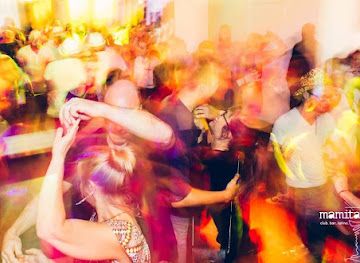
mamita, club bar latino
Dive into the vibrant nightlife at Mamita Club Bar Latino, Freiburg's top destination for Latin rhythms and unforgettable dance experiences.
4 min walk · 0.3 km from city centre
-
Night club
Hans Bunte Areal
Experience the vibrant energy of Freiburg's nightlife at Hans Bunte Areal, a top destination for music lovers and party-goers alike.
12 min drive · 4.1 km from city centre
-
Night club
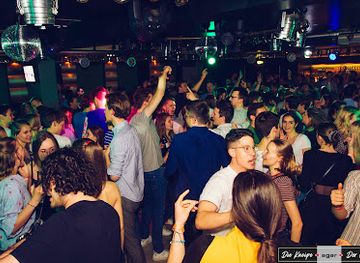
AGAR Kneipe Club
Experience the vibrant nightlife of Freiburg at AGAR Kneipe Club, your go-to destination for energetic music and unforgettable nights.
2 min walk · 0.2 km from city centre
-
Night club
Drifters Club GmbH - Freiburg im Breisgau
Discover Freiburg's nightlife at Drifters Club, where pulsating beats and vibrant energy create unforgettable nights out.
10 min walk · 0.8 km from city centre


Best shops in Freiburg
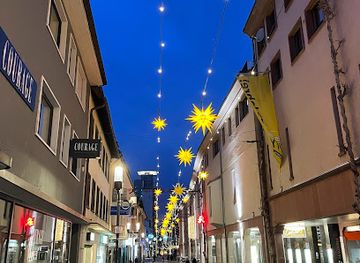
Shopping in Freiburg is centred on the pedestrian streets and squares of the Altstadt, where independent bookshops, fashion retailers, specialist food shops and cafés occupy historic surroundings. Kaiser-Joseph-Straße is the main commercial artery, while smaller lanes around Rathausgasse and the old gates provide a more varied mix of local businesses. The Münstermarkt is the city’s most distinctive shopping experience, offering flowers, farm produce, bread, sausage, cheese and regional specialities beside the minster. Visitors looking for Baden flavours can seek out local wines, fruit products and Black Forest food traditions, while craft and design shops reflect Freiburg’s contemporary environmental outlook. Vauban and Wiehre have a neighbourhood scale, with selected independent retailers rather than large concentrations of shops. Germany’s normal Sunday trading restrictions apply, so market and retail plans should take the weekly pattern into account.
-
Shopping mall
Einkaufszentrum Schwarzwald City Freiburg
Discover a shopping paradise at Einkaufszentrum Schwarzwald City Freiburg, where diverse brands and delightful dining await every visitor.
4 min walk · 0.3 km from city centre
-
Department store
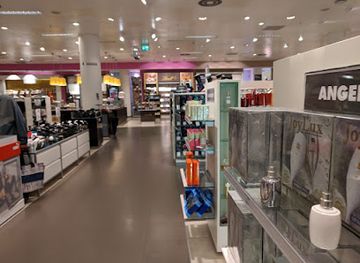
GALERIA Freiburg am Europaplatz
Explore a diverse range of products in the heart of Freiburg at GALERIA am Europaplatz, a vibrant department store offering everything you need.
3 min walk · 0.3 km from city centre
-
Shopping mall
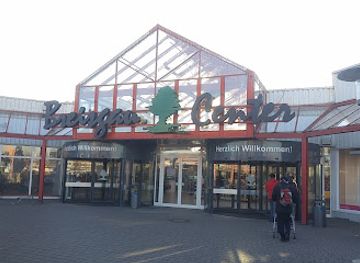
Breisgau-Center
Explore the Breisgau-Center in Freiburg: A shopping haven with diverse stores and a local supermarket for all your needs.
12 min drive · 4.0 km from city centre
-
Clothing store
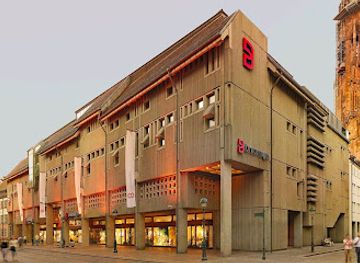
Breuninger Freiburg
Explore Breuninger Freiburg, the ultimate shopping destination in the heart of the city, offering a diverse selection of fashion and footwear for everyone.
2 min walk · 0.2 km from city centre
Get your free copy of our complete guide to Freiburg, delivered straight to you.
Everything on this page, from attractions and restaurants to essentials and local phrases, in one PDF you can read offline, print or share.
Already have an account? Sign in
Your Freiburg guide is ready.
We'll send it to · Not you? Sign out

Getting your guide ready…
We are putting together a fresh copy of the Freiburg guide. This can take up to a minute.
This can take a few moments. If your browser asks, choose Allow so the download can start. You'll find the guide in your Downloads folder.
Nothing happened? Download it again
Sorry, the guide is taking longer than usual. Please try again in a minute, or get it by email instead.
Freiburg essentials
Currency and Payment
Safety
Emergency Situations
Do's and Don'ts
Local Tips
From Eve
Local phrases worth knowing
You don't need to get them perfect. A few words go a long way, and locals appreciate the effort.
Basics
| English | Local | Say it |
|---|---|---|
| Hello | Hallo | [ha-lo] |
| Goodbye | Auf Wiedersehen | [auf vee-der-zay-en] |
| Yes | Ja | [ya] |
| No | Nein | [nine] |
| Please/You're welcome | Bitte | [bi-te] |
| Thank you | Danke | [dahn-kuh] |
| Excuse me/Sorry | Entschuldigung | [ent-shool-di-gung] |
| How are you? | Wie geht es Ihnen? | [vee geht es een-en] |
| Fine. And you? | Gut. Und dir? | [goot. oond deer] |
| Do you speak English? | Sprechen Sie Englisch? | [shpre-khen zee eng-lish] |
| I don't understand | Ich verstehe nicht | [ikh fer-shtay-eh nikht] |
Eating & Drinking
| English | Local | Say it |
|---|---|---|
| I'd like to see the menu, please | Ich würde gerne die Speisekarte sehen, bitte | [ikh vur-de gair-ne dee shpi-ze-kar-te zay-en, bi-te] |
| I don't eat meat | Ich esse kein Fleisch | [ikh es-se kine fli-sh] |
| Cheers! | Prost! | [prohst] |
| I would like to pay, please | Ich möchte bitte zahlen | [ikh muhrk-te bi-te tza-len] |
Emergencies
| English | Local | Say it |
|---|---|---|
| Help! | Hilfe! | [hil-feh] |
| Go away! | Geh weg! | [gay vegg] |
| Call the Police! | Rufen Sie die Polizei! | [roo-fen zee dee po-lee-tsai] |
| Call a doctor! | Rufen Sie einen Arzt! | [roo-fen zee i-nen artsht] |
| I'm lost | Ich habe mich verirrt | [ikh hah-bee mikh fer-eert] |
| I'm ill | Ich bin krank | [ikh bin krank] |
Shopping
| English | Local | Say it |
|---|---|---|
| I'd like to buy... | Ich möchte ... kaufen | [ikh muhrk-te ... kow-fen] |
| I'm just looking | Ich schaue nur | [ikh shou-e noor] |
| How much is it? | Wie viel kostet es? | [vee feel kos-tet es] |
| That's too expensive | Das ist zu teuer | [dahs ist tso toi-er] |
| Can you lower the price? | Können Sie den Preis senken? | [ker-nen zee den prees zeng-ken] |
Time & Numbers
| English | Local | Say it |
|---|---|---|
| What time is it? | Wie spät ist es? | [vee shpet ist es] |
| It's one o'clock | Es ist ein Uhr | [es ist iyn oor] |
| Half past (10) | Halb elf | [halb elf] |
| Morning | Morgen | [mohr-gen] |
| Afternoon | Nachmittag | [nahk-mit-tahk] |
| Evening | Abend | [ah-bend] |
| Yesterday | Gestern | [geh-stern] |
| Today | Heute | [hoy-teh] |
| Tomorrow | Morgen | [mohr-gen] |
| 1 | Eins | [iyns] |
| 2 | Zwei | [tsvai] |
| 3 | Drei | [dry] |
| 4 | Vier | [feer] |
| 5 | Fünf | [foonf] |
| 6 | Sechs | [zeks] |
| 7 | Sieben | [zee-ben] |
| 8 | Acht | [ahkht] |
| 9 | Neun | [noyn] |
| 10 | Zehn | [tsayn] |
Transport & Directions
| English | Local | Say it |
|---|---|---|
| Where's a/the...? | Wo ist ein/der...? | [vo ist iyn/dehr] |
| What's the address? | Was ist die Adresse? | [vas ist dee ah-dres-seh] |
| Can you show me (on the map)? | Können Sie mir zeigen (auf der Karte)? | [ker-nen zee meer tsay-gen (ouf dehr kar-teh)] |
| When's the next (bus)? | Wann kommt der nächste (Bus)? | [van kommt dehr nayk-steh (boos)] |
| A ticket (to ....) | Eine Fahrkarte (nach ...) | [i-ne fahr-kar-te (nahkh ...)] |
History of Freiburg
Roman and Early Medieval Foundations
The Freiburg area was occupied before the city itself emerged, with Roman settlement and roads shaping the wider Upper Rhine region. After the Roman period, Alemannic communities became established across south-western Germany, while the Breisgau developed through changing ecclesiastical and aristocratic powers. The nearby Black Forest supplied timber and natural resources, and the Rhine plain supported agriculture and trade. Freiburg’s later location reflected these advantages: it stood near routes crossing the region and beside the Dreisam, with access to both mountain resources and the commercial networks of the Upper Rhine.
The Zähringen Foundation
Freiburg was founded around 1120 by Duke Konrad of Zähringen, who established a planned settlement below the Schlossberg. Its name, meaning ‘free town’, reflected the privileges intended to attract settlers and merchants. The new town was laid out around a market and protected by walls, while its position near routes through the Black Forest encouraged commerce. Freiburg’s early prosperity was connected to trade and the region’s silver resources, particularly those worked in the nearby Black Forest. The wealth generated in this period helped establish the civic institutions and religious foundations that shaped the medieval town.
Minster, Markets and Habsburg Rule
Construction of Freiburg Minster began in the early thirteenth century and continued over several centuries, producing the building’s distinctive combination of Romanesque and Gothic elements. After the Zähringen line ended in 1218, the Counts of Freiburg governed the town before Freiburg was transferred to the Habsburgs in 1368. Under Habsburg rule, the city became part of Further Austria and retained close political and cultural links with the dynasty’s south-western territories. Trade, religious institutions and municipal privileges continued to shape the urban landscape, although warfare and regional rivalries repeatedly brought disruption.
War, Occupation and Changing Sovereignty
Freiburg was repeatedly affected by the conflicts that unsettled central Europe, including the Thirty Years’ War, when the city changed hands and suffered economic and demographic damage. French forces occupied Freiburg at various points, and the city’s frontier position made fortification an enduring concern. In 1677, during the Franco-Dutch War, Freiburg was incorporated into the French kingdom, and Vauban-style fortifications were developed around the town. Many of those defences were later dismantled, but their former lines still influence the layout of streets and green spaces around the Altstadt.
Baden and Nineteenth-Century Growth
The Napoleonic reorganisation of south-west Germany transferred Freiburg from Habsburg Austria to the Grand Duchy of Baden in 1805. The change connected the city more closely with the emerging Baden state and its administrative and educational institutions. The University of Freiburg, founded in 1457, remained an important intellectual presence, while improved roads and the arrival of the railway in the nineteenth century stimulated urban growth and trade. Freiburg expanded beyond its medieval walls, and new civic, residential and university buildings gave the city a broader urban form.
War, Reconstruction and Environmental Identity
Freiburg suffered extensive damage during the Second World War, particularly in air raids in 1944. Post-war reconstruction restored much of the historic centre while retaining its medieval street pattern and important landmarks, including the minster. In the later twentieth century, Freiburg became associated with environmental politics, renewable energy and sustainable urban planning. Neighbourhoods such as Vauban developed with strong emphasis on public transport, cycling and reduced car use. This modern identity complements, rather than replaces, the older character expressed through the Altstadt, the minster and the city’s relationship with the Black Forest.
Freiburg in Photos
Browse through our photo collection highlighting the charm and character of the destination.
Cities near Freiburg
The closest cities to Freiburg, if you have time for more than one stop.
-

-

-

-

-


Swipe for more cities
Explore more

Explore more of Germany
Experience Germany: where history meets innovation, and urban energy blends with natural beauty. Discover diverse cultures, delicious cuisine, and stunning landscapes.
Explore Germany