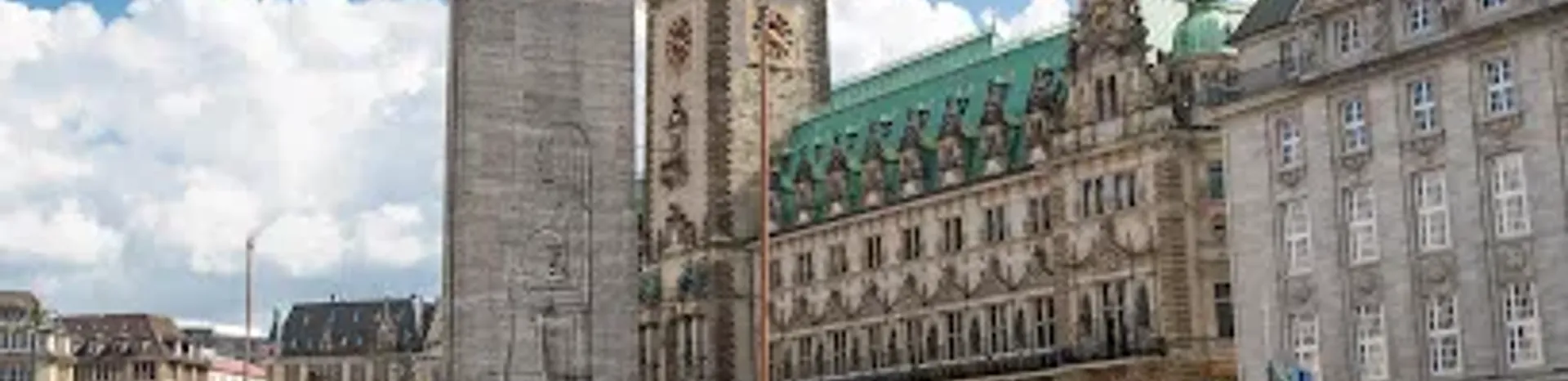
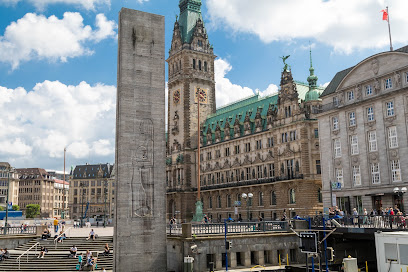
Memorial for the Fallen of Both World Wars
A poignant memorial in Hamburg-Mitte honoring the fallen of both World Wars, featuring Ernst Barlach's moving sculpture and offering a space for reflection and remembrance.
The Memorial for the Fallen of Both World Wars, also known as the Hamburger Ehrenmal, is a poignant monument located near the Rathaus in Hamburg-Mitte. Designed by architect Klaus Hoffmann, it features a striking relief, 'Trauernde Mutter mit Kind' (Mourning Mother with Child), created by sculptor Ernst Barlach. Originally dedicated to the fallen soldiers of World War I, it was later rededicated to include those who perished in World War II. The memorial serves as a somber reminder of the human cost of war, inviting reflection on loss and remembrance. Its central location makes it easily accessible, and its minimalist design, in contrast to more ornate war memorials, amplifies its emotional impact. A visit offers a moment of contemplation amidst the bustling city, connecting visitors to Hamburg's history and the shared experience of grief and resilience.
A brief summary to Denkmal für die Gefallenen beider Weltkriege
- Schleusenbrücke 1, Hamburg, Hamburg-Mitte, 20354, DE
- Visit website
Local tips
- Visit on Volkstrauertag (National Day of Mourning) in November to witness the official wreath-laying ceremony.
- Take a moment to reflect on the memorial's message of peace and reconciliation amidst the bustling city center.
- Combine your visit with a tour of the nearby Rathaus (City Hall) to learn more about Hamburg's history and government.
- Explore the Alsterarkaden, located adjacent to the memorial, for picturesque views of the Kleine Alster lake.
- Look for parking regulations nearby.

Getting There
-
Public Transport
The Memorial is easily accessible via Hamburg's extensive public transport network. From Hamburg Hauptbahnhof (main train station), take any S-Bahn (S1, S3) or U-Bahn (U2, U4) line to Jungfernstieg station. From Jungfernstieg, exit towards Rathausmarkt. The memorial is a short walk from the Rathaus, located on Schleusenbrücke. A single ticket within Hamburg (Rings A & B) costs approximately €3.60. Alternatively, a day ticket is €8.40, or €7.10 if starting after 9 AM. Consider using the HVV app for easy ticket purchase and route planning.
-
Walking
If you are already in the Hamburg-Mitte area, the memorial is easily reachable on foot. From the Rathausmarkt, simply walk towards the Kleine Alster (Little Alster) lake. The memorial is located on Schleusenbrücke, a bridge spanning the Alsterfleet, adjacent to the Alsterarkaden. The walk from the Rathausmarkt takes only a few minutes and offers pleasant views of the city center.
-
Taxi/Ride-Share
Taxis and ride-sharing services are readily available throughout Hamburg. A taxi ride from Hamburg Hauptbahnhof to the memorial will take approximately 10-15 minutes, depending on traffic, and cost around €9.50 - €15. Ride-sharing services like Uber are also available and may offer competitive pricing. Be sure to specify 'Denkmal für die Gefallenen beider Weltkriege' or 'Schleusenbrücke 1, 20354 Hamburg' as your destination.
-
Driving
If driving, be aware that parking in the immediate vicinity of the memorial is limited and can be expensive. Several multi-story car parks are located within walking distance, including those at the German-Japanese Center (An der Stadthausbrücke 1, €3.00/hour), Rödingsmarkt (Rödingsmarkt 14, €2.00/hour), and Hanse-Viertel (Hohe Bleichen 22, €3.50/hour). Consider parking at one of these garages and walking to the memorial. Check for parking regulations.
Discover more about Denkmal für die Gefallenen beider Weltkriege
Iconic landmarks you can’t miss

Denkmal für die Gefallenen beider Weltkriege
0.0 km
A poignant memorial in Hamburg-Mitte honoring the fallen of both World Wars, featuring Ernst Barlach's moving sculpture and offering a space for reflection and remembrance.
Rathausmarkt
0.1 km
Discover the Rathausmarkt in Hamburg: a historic square, architectural marvel, and vibrant hub for events, culture, and Hanseatic charm in the heart of the city.
Otto Liss Gedenktafel
0.1 km
A poignant memorial in Hamburg honoring Otto Liss, a worker who died building the U-Bahn, serving as a reminder of the human cost of progress and the city's history.
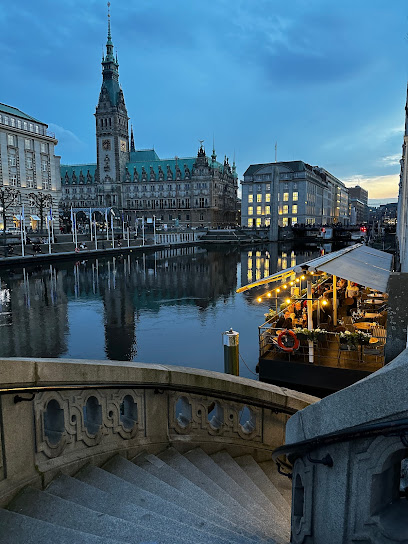
Reesendamm bridge
0.1 km
Experience Hamburg's heart at the Reesendamm Bridge: where history meets stunning views and vibrant city life on the Jungfernstieg, connecting you to the best of the Hanseatic city.
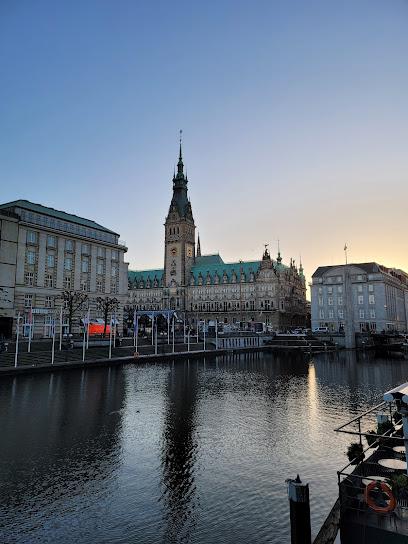
Heinrich Heine Monument
0.1 km
A poignant tribute to the celebrated German poet Heinrich Heine, commemorating his legacy of literary brilliance and his struggles against intolerance, located in the heart of Hamburg.
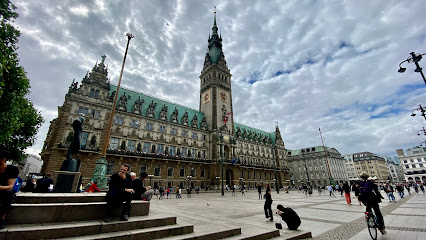
Hygieia Fountain
0.1 km
Discover the Hygieia Fountain in Hamburg's City Hall: a symbol of resilience and a tribute to the city's triumph over the cholera epidemic of 1892, embodying Hamburg's enduring spirit.
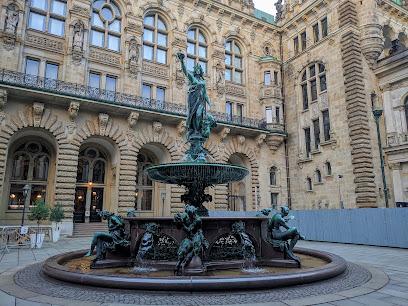
Alte Post
0.2 km
Explore the Alte Post in Hamburg: a historic landmark blending stunning architecture with a vibrant shopping experience in the heart of the city's Passagenviertel.
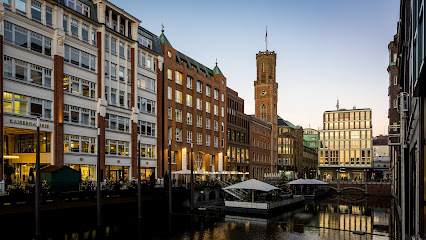
Jungfernstieg Promenade
0.2 km
Explore Hamburg's iconic Jungfernstieg Promenade – a scenic waterfront destination for shopping, dining, and unforgettable views of the Alster Lakes.
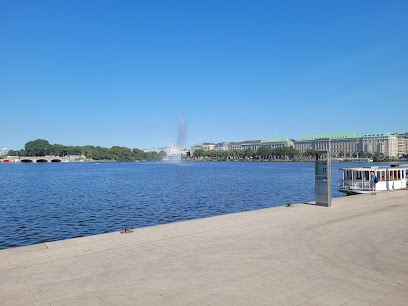
St. Peter's Church
0.3 km
Discover Hamburg's oldest parish church, a symbol of resilience and architectural splendor, offering panoramic city views and a journey through centuries of history and cultural heritage.
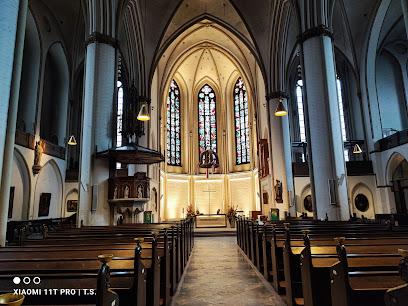
Inner Alster
0.3 km
Discover the Inner Alster in Hamburg: a picturesque lake framed by elegant promenades, historic buildings, and vibrant city life, offering boat tours and stunning views.
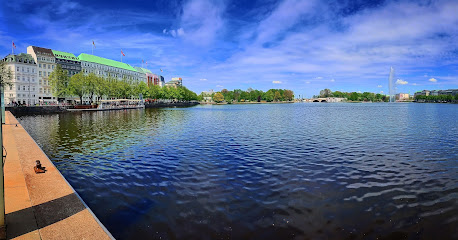
Hulbe house
0.4 km
Discover the Hulbe House in Hamburg: A stunning example of Dutch Renaissance architecture, built in 1910, showcasing intricate details and a rich history on Mönckebergstraße.
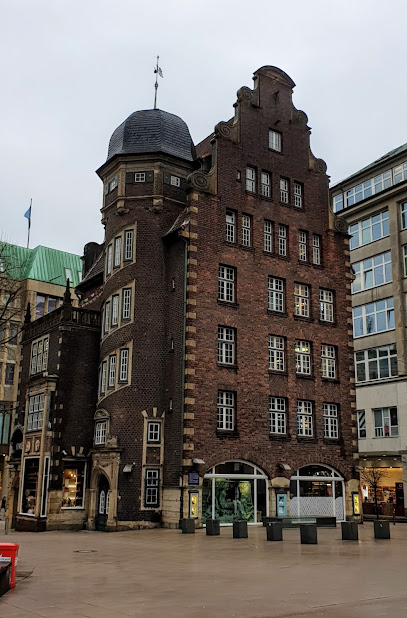
Trostbrücke
0.4 km
Cross the Trostbrücke in Hamburg, where history whispers from every stone, connecting you to the heart of the city's Hanseatic past and offering stunning views of the Nikolaifleet.
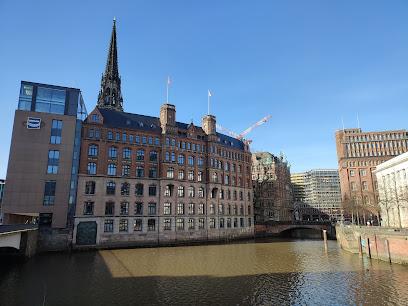
Archaeoscope Hammaburg
0.4 km
Journey back to the 9th century at the Archaeoscope Hammaburg, where virtual reality unveils the origins of Hamburg on the historic Domplatz, the site of the Hammaburg fortress.
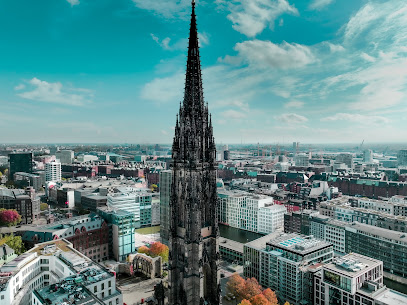
St. Nikolai Museum
0.4 km
Explore the ruins of St. Nikolai, a WWII memorial in Hamburg, offering panoramic city views, a poignant museum, and a carillon, fostering remembrance and reflection.
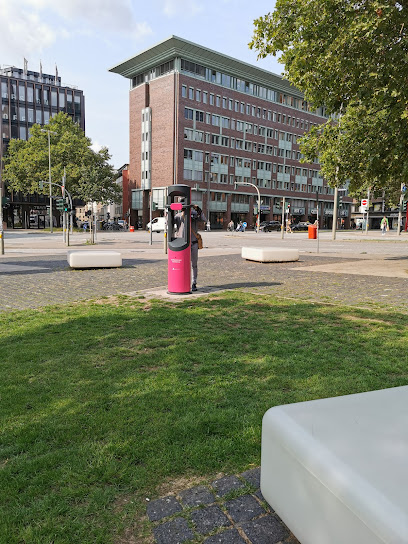
Gerhart Hauptmann Square
0.4 km
Experience the vibrant heart of Hamburg at Gerhart Hauptmann Square, a historic hub where culture, commerce, and city life converge in a dynamic urban setting.
Unmissable attractions to see

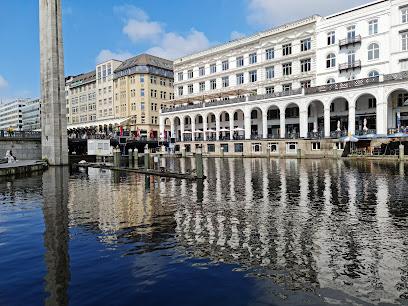
Alster Arcade
0.1 km
Explore the historic Alster Arcade in Hamburg, where stunning architecture meets vibrant shops and cafes along the picturesque canals.
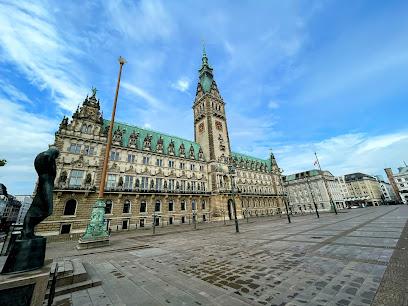
Hamburg Townhall
0.1 km
Explore Hamburg Townhall, a stunning historical landmark blending architectural beauty with rich history in the heart of Hamburg.
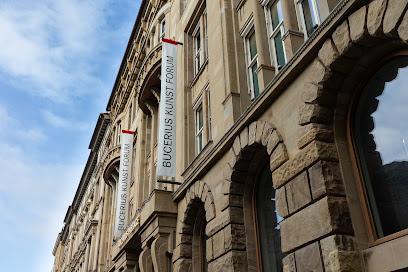
Bucerius Kunst Forum
0.1 km
Explore Bucerius Kunst Forum, an art museum in Hamburg showcasing diverse exhibitions, concerts, and cultural events in a stunning architectural setting.
Bleichensteg
0.2 km
Explore the picturesque Bleichensteg in Hamburg, a tranquil oasis of beauty, history, and culture perfect for leisurely strolls and stunning photography.
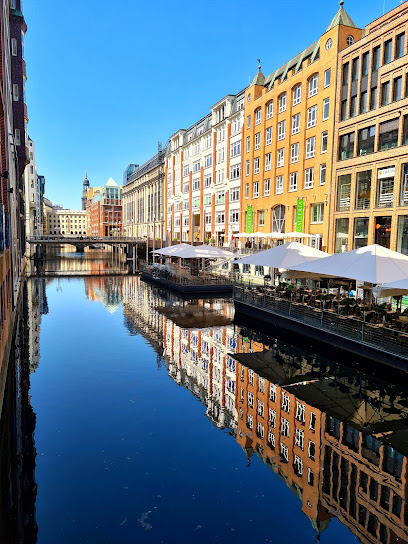
Börsentag Hamburg
0.2 km
Explore the fascinating world of finance at Börsentag Hamburg, an engaging exhibition center in the heart of one of Germany's vibrant cities.
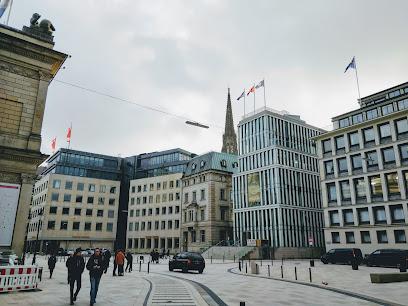
Jungfernstieg
0.2 km
Discover Jungfernstieg, Hamburg's stunning waterfront promenade, where shopping, dining, and breathtaking views of the Alster lake await every visitor.

Mönkedamm channel
0.4 km
Discover the serene beauty of Mönkedamm Channel in Hamburg, a perfect blend of nature and tranquility in the heart of the city.
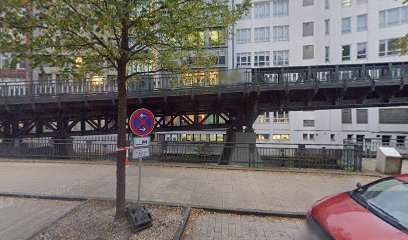
Bishop's Tower
0.4 km
Explore the historical essence of Hamburg at Bishop's Tower, a captivating landmark showcasing the city's rich heritage and stunning architecture.
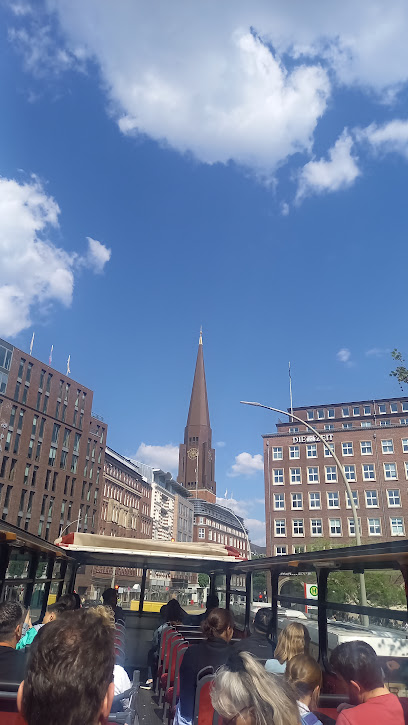
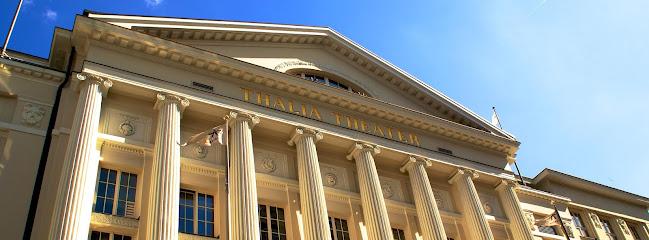
Thalia Theater
0.4 km
Experience the magic of live theater at Hamburg's Thalia Theater, a cultural landmark showcasing innovative performances in a historic setting.
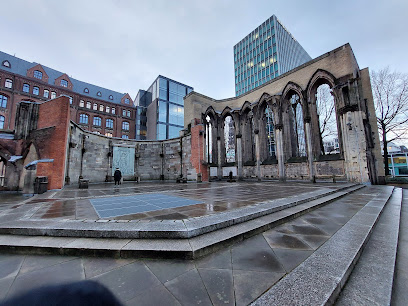
St. Nikolai Memorial
0.5 km
Explore the St. Nikolai Memorial in Hamburg, a breathtaking monument reflecting resilience and rich history, offering panoramic views of the city.
Hopfenmarkt
0.5 km
Experience the vibrant atmosphere of Hopfenmarkt, Hamburg's lively town square filled with history, culture, and local charm.

Gänsemarkt
0.5 km
Explore Gänsemarkt in Hamburg: a vibrant square filled with unique shops, delicious eateries, and rich cultural experiences, perfect for every traveler.
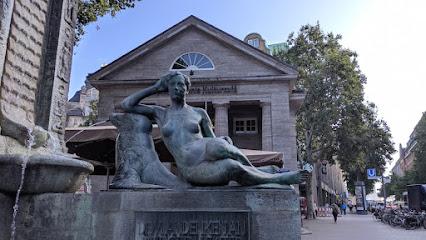
Mönckeberg fountain
0.5 km
Discover the stunning Mönckeberg Fountain in Hamburg, where historic charm meets modern vibrancy in a picturesque urban setting.
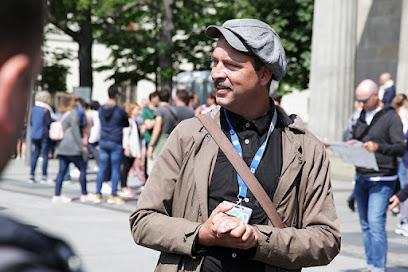
Original Hamburg Walks
0.6 km
Uncover the beauty and history of Hamburg with guided tours that showcase the city's stunning architecture and vibrant culture.
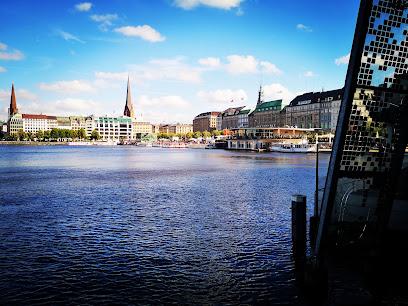
Neuer Jungfernstieg
0.6 km
Experience the charm of Neuer Jungfernstieg, a stunning waterfront promenade in Hamburg known for its scenic views, shopping, and vibrant atmosphere.
Essential places to dine

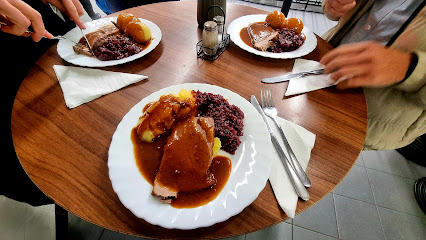
Wloka‘s
0.2 km
Savor authentic German Hausmannskost at Wloka's in Hamburg-Mitte - A must-visit for food lovers seeking traditional flavors.
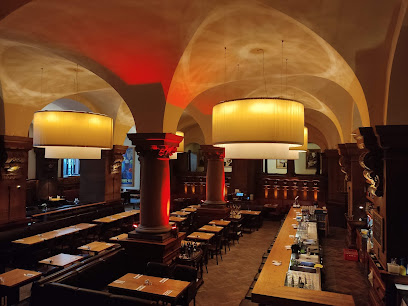
Restaurant Parlament Hamburg
0.2 km
Discover authentic German cuisine at Restaurant Parlament in Hamburg, where tradition meets modern dining in a historic setting.
I Vigneri Osteria Enoteca
0.3 km
Experience authentic Marche cuisine at I Vigneri Osteria Enoteca in Hamburg, where exquisite dishes meet an extensive wine selection.
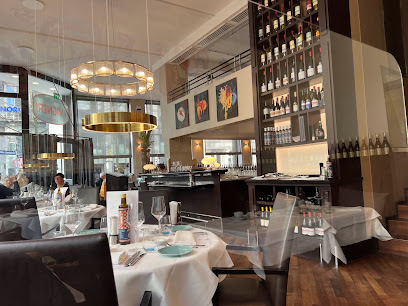
Restaurante Español Picasso
0.3 km
Experience authentic Spanish cuisine at Restaurante Español Picasso in Hamburg, where every dish tells a story from the Mediterranean.
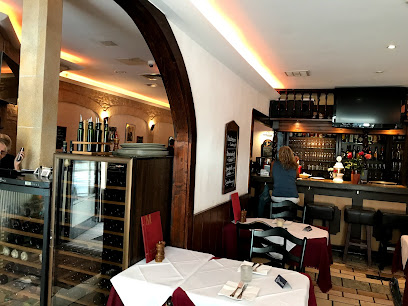
Le Plat du Jour
0.3 km
Discover authentic French cuisine at Le Plat du Jour in Hamburg – where every dish tells a story of culinary excellence.
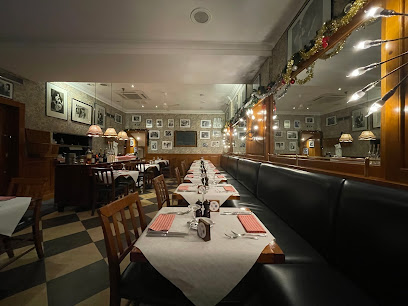
brasserie TORTUE
0.4 km
Experience exquisite French dining at Brasserie TORTUE in Hamburg—where culinary artistry meets elegant ambiance.
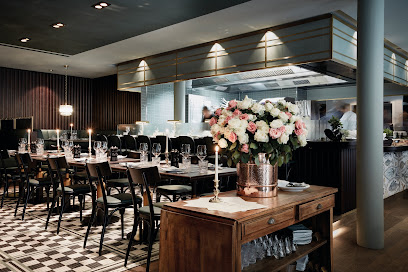
chez l'ami TORTUE
0.4 km
Experience exquisite French cuisine at Chez l'ami TORTUE in Hamburg – where culinary tradition meets modern elegance.
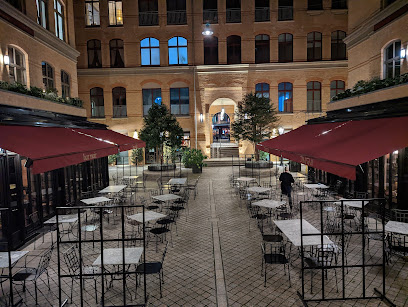
NIKKEI NINE
0.4 km
Experience a unique blend of Japanese and Peruvian cuisine at NIKKEI NINE in Hamburg, where every dish tells a story.
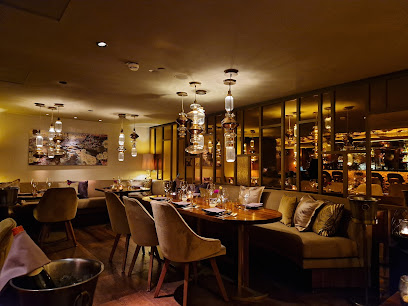
Haerlin Restaurant
0.5 km
Experience unparalleled fine dining at Haerlin Restaurant in Hamburg, where culinary artistry meets exceptional service in an elegant setting.
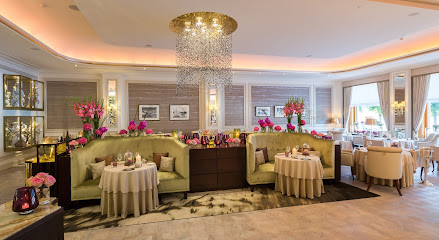
Casse Croute
0.5 km
Discover exquisite French-inspired cuisine at Casse Croute in Hamburg – where every meal is a celebration of culinary excellence.
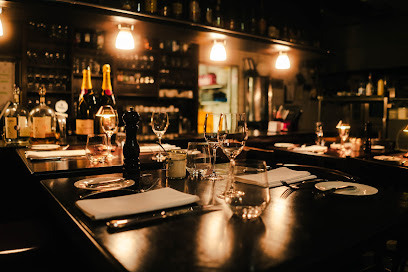
THE DINING RooM
0.5 km
Discover the exquisite flavors of American, French, and German cuisine at The Dining RooM in Hamburg - a fine dining experience like no other.
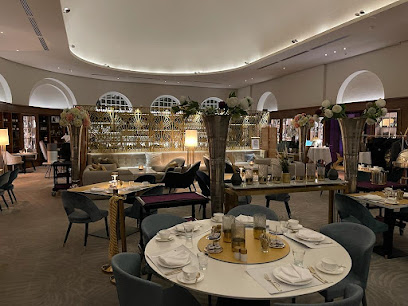
Restaurant Perle
0.5 km
Discover Hamburg's culinary treasure at Restaurant Perle, where local flavors meet modern elegance in every dish.
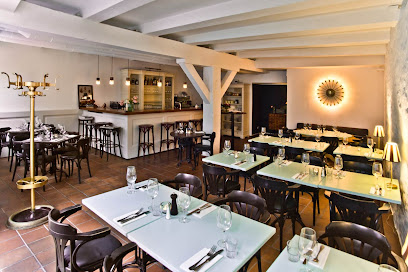
Restaurant Rialto
0.6 km
Experience the flavors of Hamburg at Restaurant Rialto - where tradition meets modern cuisine in a charming atmosphere.
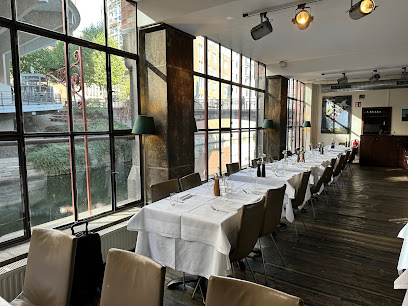
Kornhauskeller
0.6 km
Experience the best of Mediterranean and Middle Eastern cuisine at Kornhauskeller in Hamburg's vibrant bistro scene.
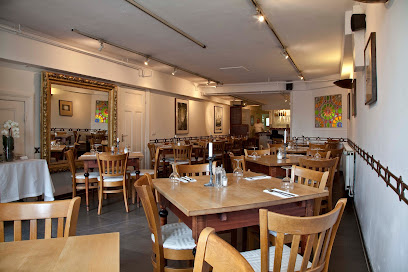
Restaurant Kartoffelkeller
0.7 km
Savor authentic German flavors at Restaurant Kartoffelkeller in Hamburg – a delightful culinary experience awaits!
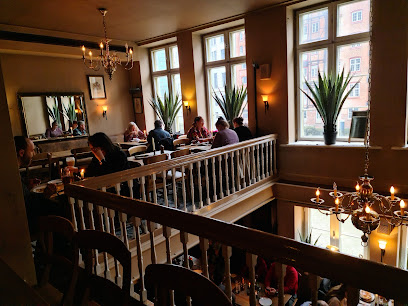
Markets, malls and hidden boutiques

La plus belles rue
0.1 km
Explore Neuer Wall, Hamburg's luxurious shopping street, where high-end brands meet local craftsmanship in a picturesque setting.
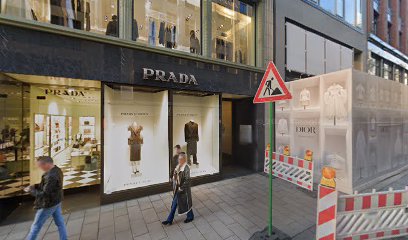
PRADA Hamburg Neuer Wall Store
0.1 km
Explore the elegance of PRADA at Neuer Wall in Hamburg, where luxury fashion meets sophisticated style in a stunning retail environment.
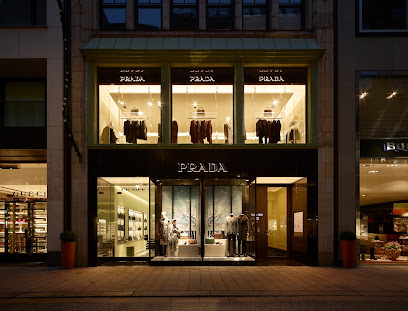
Alsterhaus
0.2 km
Discover the essence of luxury shopping at Alsterhaus, Hamburg's premier department store, offering fashion, fragrances, and fine dining experiences.
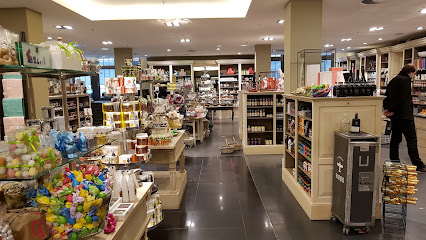
Europa Passage
0.2 km
Discover the vibrant shopping experience at Europa Passage in Hamburg, featuring over 120 stores and a variety of dining options.
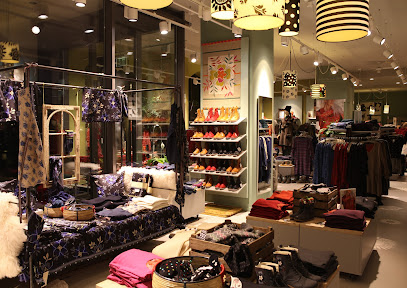
Gudrun Sjödén - concept store Hamburg
0.2 km
Explore Gudrun Sjödén's concept store in Hamburg for vibrant women's fashion, unique accessories, and a touch of sustainable style.
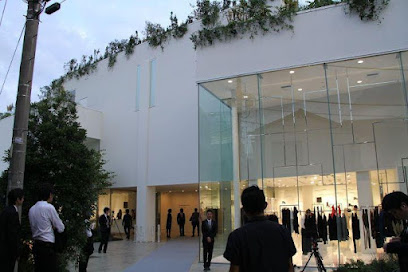
C'N'C
0.2 km
Explore the latest fashion trends at C'N'C, Hamburg's chic clothing store on the stunning Jungfernstieg promenade.
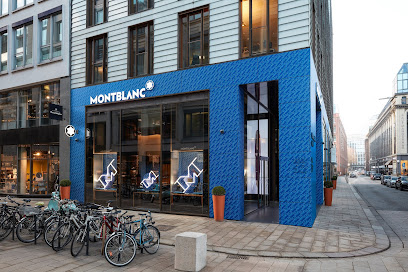
Montblanc Boutique Hamburg - Neuer Wall
0.2 km
Experience the epitome of luxury at Montblanc Boutique Hamburg, offering exquisite jewelry, leather goods, and fine stationery in a sophisticated setting.
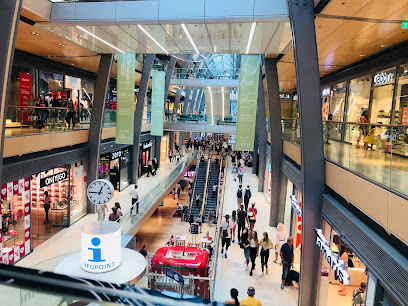
GALLERIA
0.2 km
Discover Galleria Hamburg: A luxurious shopping mall blending high-end fashion, delicious dining, and an elegant atmosphere in the heart of the city.
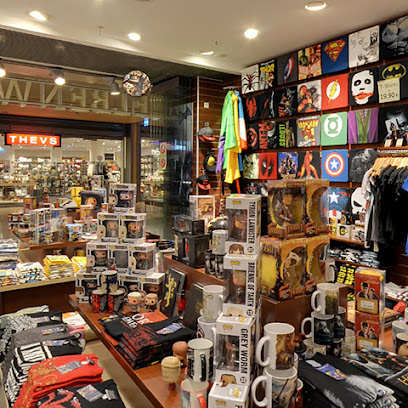
Elbenwald
0.2 km
Experience the magic of Elbenwald, Hamburg's ultimate destination for fantasy gifts, clothing, and collectibles for every fan.
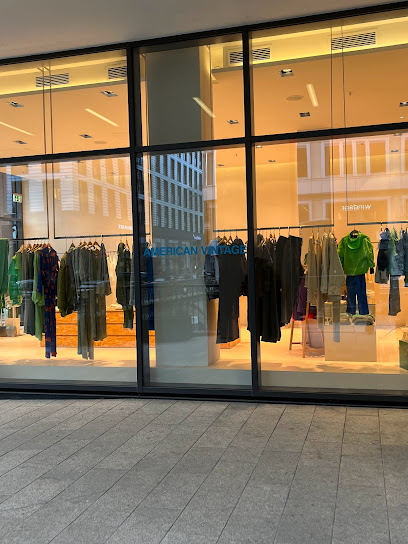
American Vintage
0.3 km
Explore the latest trends and unique styles at American Vintage, a chic clothing store in the heart of Hamburg, perfect for all fashion enthusiasts.
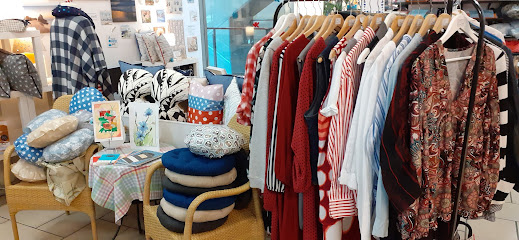
Der Nordische Stil
0.3 km
Explore Der Nordische Stil in Hamburg for exquisite Nordic gifts and fashion, showcasing the essence of Scandinavian design and craftsmanship.
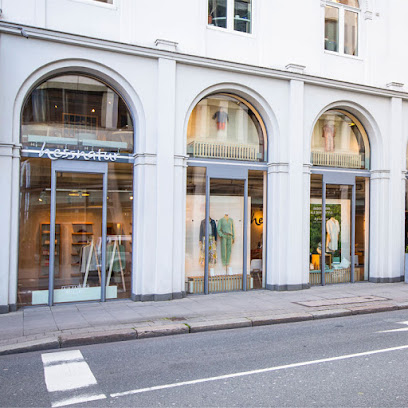
hessnatur Store Hamburg
0.3 km
Explore the hessnatur Store in Hamburg for sustainable fashion, offering stylish clothing and accessories for men, women, and children.
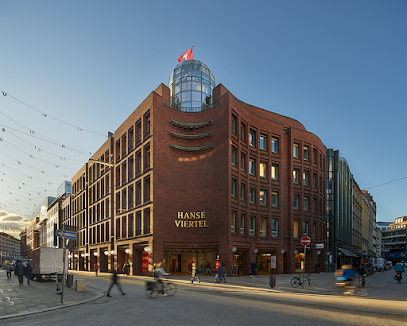
Hanseviertel
0.3 km
Discover Hanseviertel: Hamburg's premier shopping mall blending boutique stores, eateries, and a vibrant cultural atmosphere.
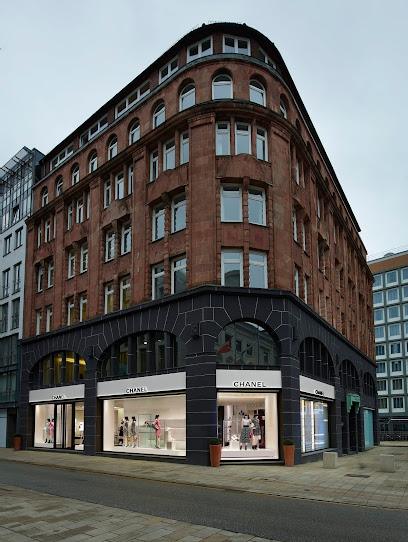
CHANEL BOUTIQUE HAMBURG
0.4 km
Explore the luxury and elegance of CHANEL Boutique Hamburg, where timeless fashion meets exquisite craftsmanship in a stunning shopping experience.
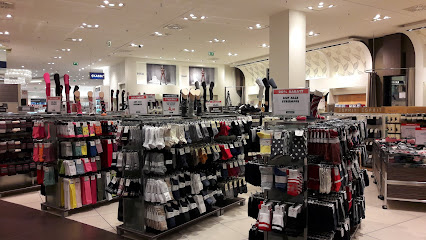
GALERIA Hamburg Mönckebergstraße
0.4 km
Discover the heart of shopping in Hamburg at GALERIA Hamburg Mönckebergstraße, where retail therapy meets vibrant city life.
Essential bars & hidden hideouts

Le Lion • Bar de Paris
0.2 km
Discover the luxury of Le Lion • Bar de Paris, Hamburg's premier destination for exquisite cocktails and elegant ambiance.
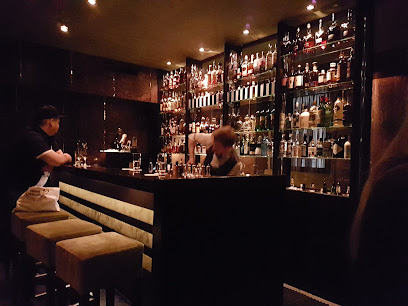
Paddy's Bar
0.2 km
Discover the vibrant atmosphere of Paddy's Bar, Hamburg's favorite Irish pub, offering hearty meals, a wide drink selection, and live music.
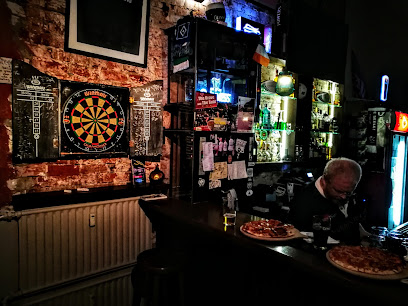
Ba Nomu | Bar
0.3 km
Discover Ba Nomu, Hamburg's cocktail haven, where creativity meets taste in a vibrant, stylish atmosphere perfect for unforgettable nights.
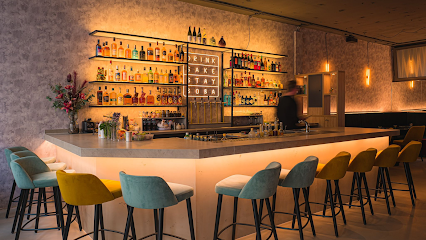
Gugu Bar
0.3 km
Experience the vibrant nightlife of Hamburg at Gugu Bar, where eclectic decor meets an extensive drink menu in a lively atmosphere.
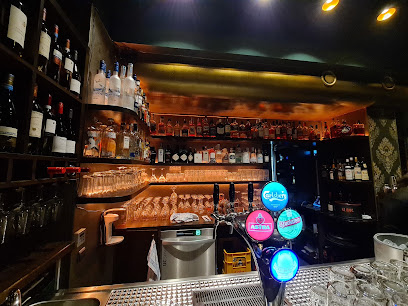
Irish Pub in the Fleetenkieker
0.3 km
Immerse yourself in the lively spirit of the Irish Pub in the Fleetenkieker, Hamburg, where great food, drinks, and live music await.
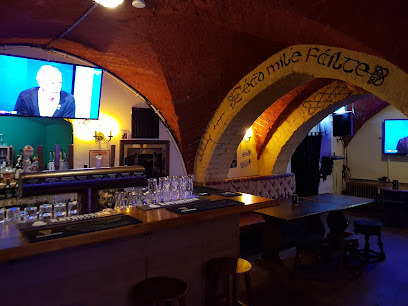
Meyer Lansky's
0.5 km
Discover the energetic spirit of Hamburg at Meyer Lansky's, where exquisite cocktails meet a lively atmosphere for an unforgettable night out.
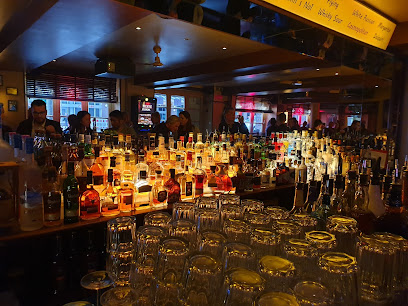
CIU` DIE BAR
0.5 km
Discover CIU` DIE BAR in Hamburg for innovative cocktails, a stylish atmosphere, and an unforgettable nightlife experience.
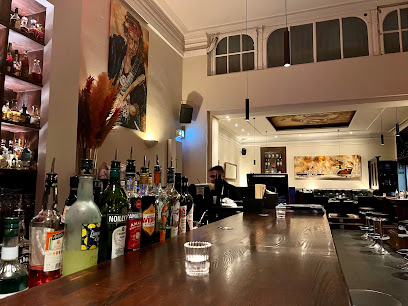
Liquid Garden - Cocktailbar
0.6 km
Discover Liquid Garden, Hamburg's vibrant cocktail bar where creativity and flavor blend for unforgettable nights and unique drinks.
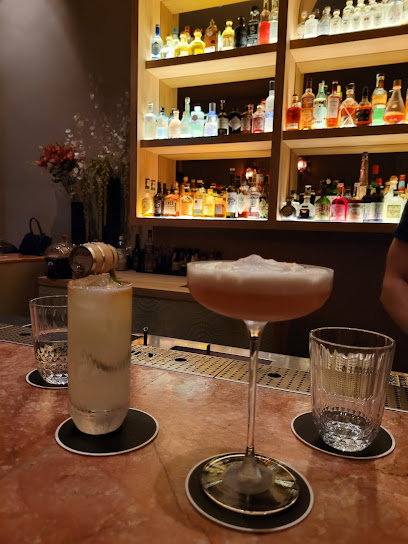
The Bohemian - Bar
0.7 km
Discover The Bohemian, Hamburg's premier cocktail bar, known for its signature drinks and vibrant nightlife in the heart of the city.
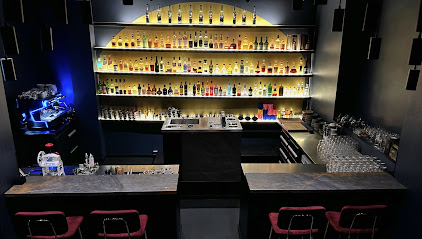
Tipsy Baker Bar Hamburg
0.7 km
Discover the best drinks and vibrant nightlife at Tipsy Baker Bar, Hamburg's favorite spot for cocktails and socializing.
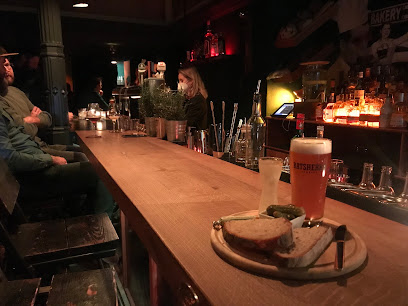
Whiskyplaza & Altstadt Restaurant am Fleet
0.8 km
Discover Hamburg's Whiskyplaza & Altstadt Restaurant, a culinary haven where fine dining meets an exquisite cocktail experience in a historic setting.
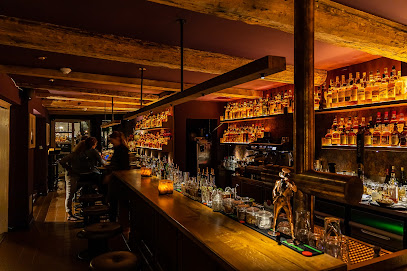
Central Congress
0.8 km
Experience the trendy ambiance and innovative drinks at Central Congress, Hamburg's must-visit bar that caters to every night owl.
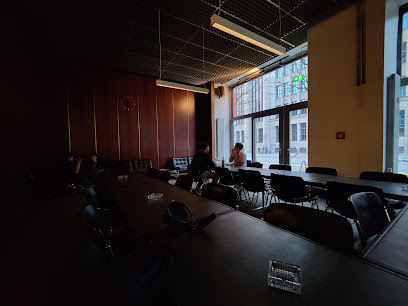
Three Fingers Bar
0.9 km
Experience the vibrant nightlife of Hamburg at Three Fingers Bar, where stunning waterfront views meet expertly crafted cocktails.
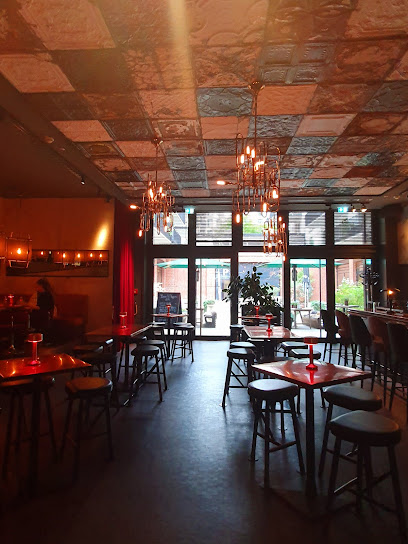
MOON 46
0.9 km
Discover the lively ambiance and exquisite cocktail selection at MOON 46, a must-visit bar in Hamburg's vibrant nightlife scene.
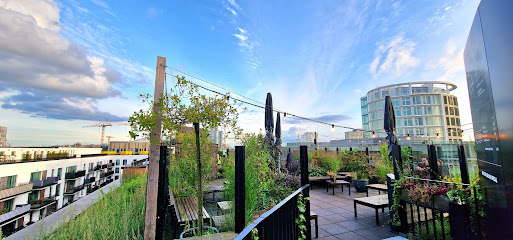
Club 20457
1.0 km
Experience Hamburg's vibrant nightlife at Club 20457, where art meets music in a lively bar setting.
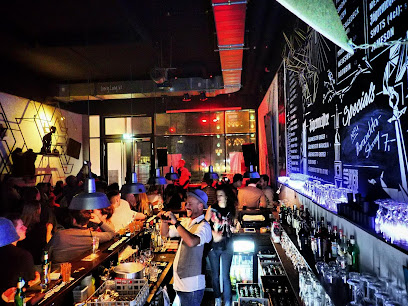
Nightclubs & after hour spots

Cotton Club
0.7 km
Discover the soulful sounds of live jazz at the Cotton Club, Hamburg's premier jazz venue for an unforgettable night out.
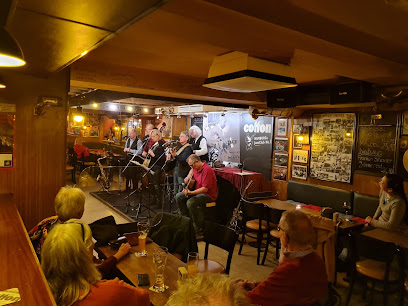
Die Insel Hamburg
0.7 km
Die Insel Hamburg: A premier night club offering an electrifying nightlife experience in the heart of the city, perfect for dancing and socializing.
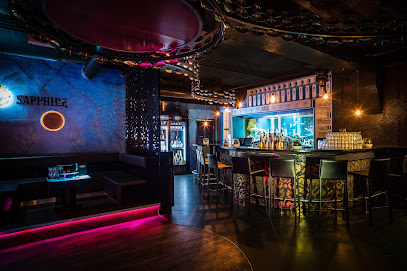
Chilli Club
1.0 km
Experience the vibrant flavors of Asia at Chilli Club, Hamburg's premier destination for sushi and authentic Asian cuisine.
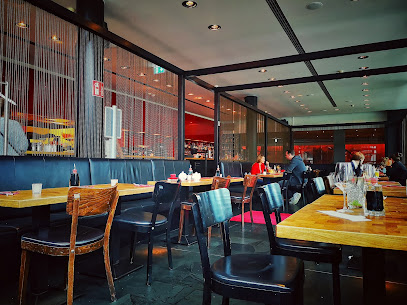
Golden Cut - Hamburg
1.0 km
Experience the electrifying nightlife at Golden Cut, Hamburg's premier night club, where music and energy collide for an unforgettable evening.
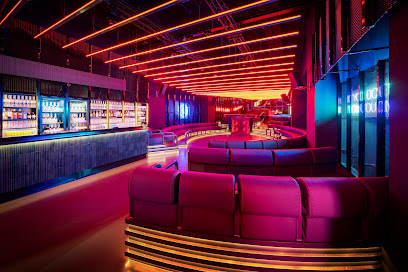
The Room Bar & Club
1.2 km
Experience the vibrant nightlife at The Room Bar & Club in Hamburg, where music, dancing, and cocktails come together for an unforgettable evening.
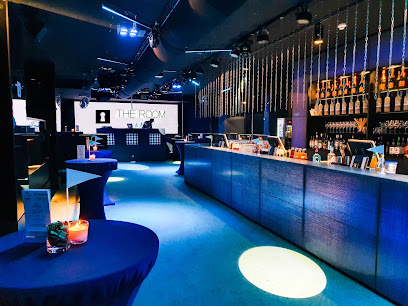
Relax Nightclub - Nachtclub - Bordell Hamburg
1.5 km
Experience the vibrant nightlife at Relax Nightclub, Hamburg's premier destination for adult entertainment and unforgettable nights out.
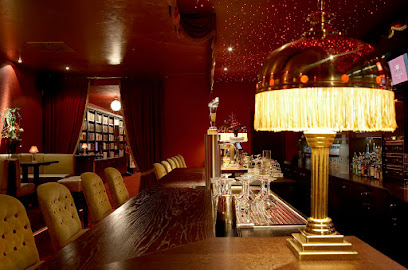
Volt
1.6 km
Discover the electrifying atmosphere of Volt, Hamburg's premier night club, known for its vibrant techno parties and unforgettable nightlife experience.
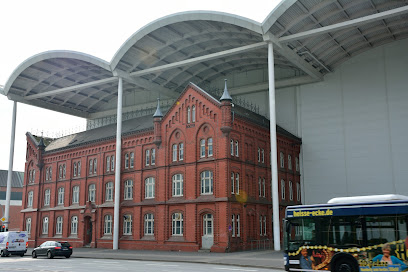
Terrace Hill
1.6 km
Discover the heart of Hamburg's nightlife at Terrace Hill, where unforgettable dance experiences and electric music await every night.
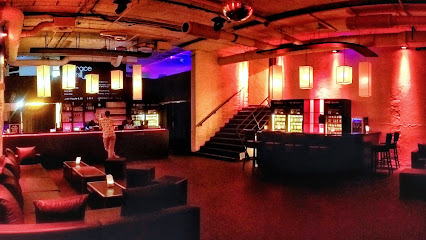
Baalsaal - Hamburg
1.8 km
Experience the heart of Hamburg's nightlife at Baalsaal, a vibrant night club on Reeperbahn with an electric atmosphere and unforgettable parties.
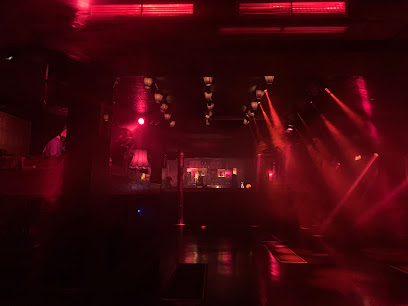
Cave Club & Lounge
1.9 km
Experience the electrifying atmosphere of Cave Club & Lounge, a premier disco in Hamburg's iconic Reeperbahn, where unforgettable nights await.
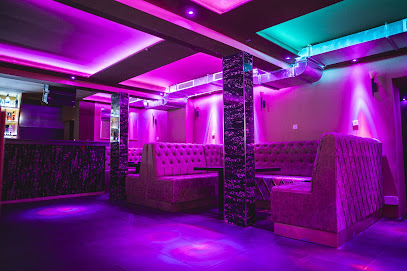
Summer Salon in the clubhouse
1.9 km
Experience the pulsating nightlife of Hamburg at Summer Salon, where live music, cocktails, and a vibrant beer garden await you.
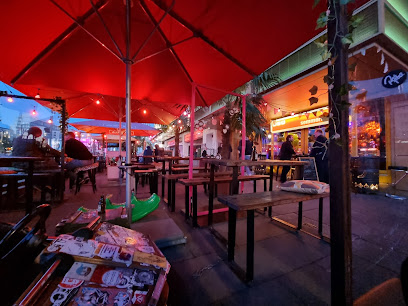
GAGA
1.9 km
Discover the pulsating energy of GAGA, Hamburg's premier night club, where dining meets vibrant nightlife and live music ignites the dance floor.
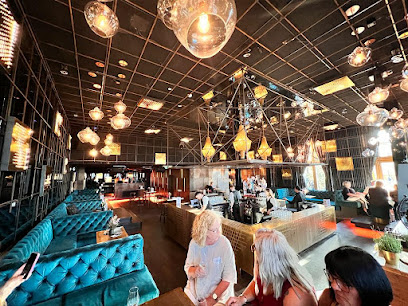
GeizClub
1.9 km
Experience Hamburg's nightlife at GeizClub, a premier nightclub known for its vibrant ambiance, diverse music, and unforgettable nights out.
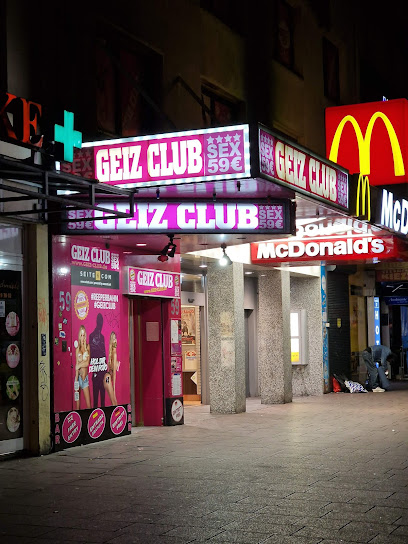
Angie's
1.9 km
Experience the vibrant nightlife at Angie's, Hamburg's premier live music venue and night club, where every night promises unforgettable entertainment.
Headcrash
2.1 km
Discover Headcrash: Hamburg's Ultimate Disco Club, Where Music Meets Vibrant Nightlife and Unforgettable Experiences Await.