Trostbrücke, Hamburg Travel Guide
Free Guide: Cross the Trostbrücke in Hamburg, where history whispers from every stone, connecting you to the heart of the city's Hanseatic past and offering stunning views of the Nikolaifleet.


A brief summary of Trostbrücke
Cross the Trostbrücke in Hamburg, where history whispers from every stone, connecting you to the heart of the city's Hanseatic past and offering stunning views of the Nikolaifleet.
The Trostbrücke, or "Comfort Bridge," is a historic bridge in Hamburg that spans the Nikolaifleet, marking the boundary between the old and new towns. Built in 1881, it stands as a testament to Hamburg's rich history and architectural evolution. Adorned with statues of Bishop Ansgar and Count Adolf III, founders of Hamburg, the bridge offers a glimpse into the city's medieval past. Its name, steeped in lore, hints at its location on the route to the courthouse, offering solace to those facing judgment. Today, the Trostbrücke is a must-see landmark, connecting visitors to the heart of Hamburg's historical narrative and offering picturesque views of the Nikolaifleet and surrounding architecture. The bridge is more than just a crossing; it's a tangible link to Hamburg's Hanseatic heritage and a reminder of the city's enduring spirit.
- Address
- 20457 Hamburg
Getting there
Public Transport
Walking
Taxi/Ride-Share
Discover more about Trostbrücke
Overview
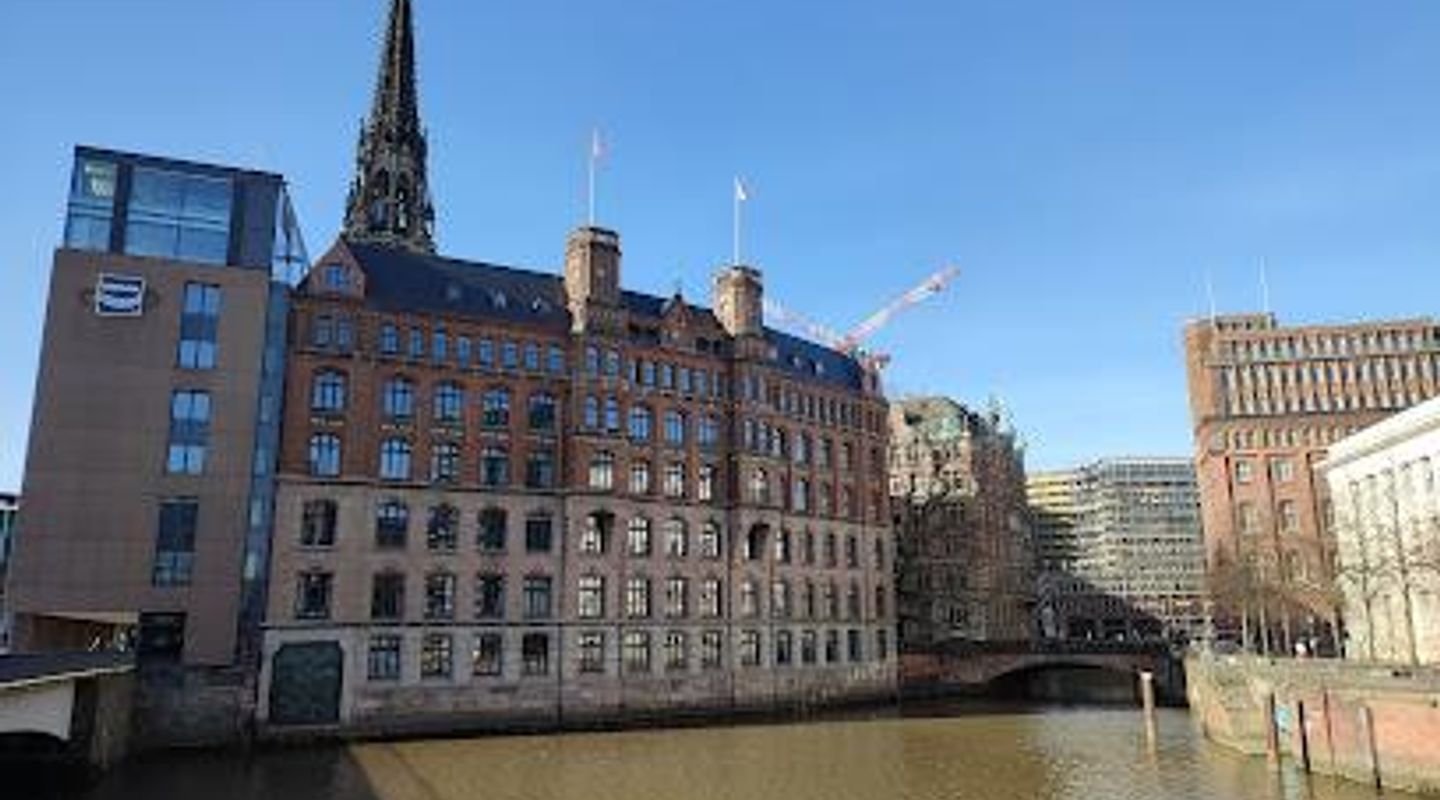
The Trostbrücke, gracefully arching over the Nikolaifleet in Hamburg, is more than just a bridge; it's a journey through time. This historic landmark, whose name translates to "Comfort Bridge," whispers tales of Hamburg's evolution from a medieval settlement to a bustling modern metropolis. Located southwest of Hamburg's city center, the stone bridge marks the historic boundary between Hamburg's Altstadt (old town) and Neustadt (new town). Originally constructed around 1266, the Trostbrücke has undergone several transformations, with the current structure dating back to 1881. Designed by Franz Andreas Meyer, the bridge reflects the architectural sensibilities of the late 19th century, a period of significant economic growth for Hamburg fueled by its thriving maritime trade. The bridge replaced earlier wooden and stone versions, each bearing witness to the city's changing fortunes. The name "Trostbrücke" carries a poignant, albeit somewhat grim, backstory. While its precise origin remains debated, popular belief suggests that the bridge earned its moniker due to its location on the path taken by criminals en route to the courthouse. For those facing trial and potential execution, the bridge offered a final, serene view of the Nikolaifleet, a last moment of comfort before facing their fate. Another theory suggests the name comes from a crucifix that once stood on the bridge, offering solace to those who passed. The Trostbrücke is not only a historical marker but also an artistic showcase. Two prominent statues grace the bridge, each representing a key figure in Hamburg's history. Bishop Ansgar, who established the first cathedral in the Altstadt, stands facing Count Adolf III von Schauenburg, the founder of the Neustadt. These statues serve as symbolic representations of the two distinct areas that the bridge historically connected, highlighting the interplay between religious and secular powers in shaping the city. Adjacent to the Trostbrücke, visitors can explore a wealth of historical buildings that further enrich the area's charm. The Haus der Patriotischen Gesellschaft, located near the bridge, stands on the site of the old Hamburg Rathaus (town hall), which was destroyed in the Great Fire of 1842. The Laeiszhof, a striking Kontorhaus (office building) built in the late 19th century, showcases the architectural grandeur of Hamburg's trading era. Its statues of Wilhelm I, Bismarck, Albrecht von Roon, and Moltke reflect the political climate of the time. Today, the Trostbrücke serves as a vital pedestrian link, seamlessly connecting the Altstadt with the modern city center. As you stroll across the bridge, take a moment to appreciate the panoramic views of the Nikolaifleet, the historic waterways that once served as the lifeblood of Hamburg's port. The gentle lapping of water against the stone embankments, the cries of seagulls overhead, and the reflections of historic buildings in the water create an atmosphere that is both captivating and evocative. Beyond its historical and architectural significance, the Trostbrücke offers a gateway to exploring the surrounding Nikolai Quarter. This area is rich in history, with numerous landmarks and attractions within easy walking distance. The ruins of St. Nikolai church, a poignant reminder of the devastation of World War II, stand as a symbol of resilience and remembrance. The Speicherstadt, a UNESCO World Heritage site, beckons with its impressive warehouse district, a testament to Hamburg's maritime heritage. The nearby HafenCity, a modern urban development, showcases the city's forward-thinking vision. Visiting the Trostbrücke is an immersive experience that allows you to connect with Hamburg's past while appreciating its present. Whether you're a history enthusiast, an architecture aficionado, or simply a curious traveler, the Trostbrücke offers a unique perspective on this vibrant and dynamic city. It's a place where the echoes of the past resonate with the energy of the present, creating a truly unforgettable experience. As you stand on the Trostbrücke, imagine the countless souls who have crossed this very spot over the centuries: merchants, sailors, laborers, and even those facing their final judgment. Feel the weight of history beneath your feet and let the stories of Hamburg unfold before your eyes. The Trostbrücke is more than just a bridge; it's a living testament to the enduring spirit of a city that has weathered countless storms and emerged stronger than ever before. So, come and experience the Trostbrücke for yourself. Let its charm and history captivate you, and discover the magic of Hamburg, a city that seamlessly blends its rich past with its vibrant present. The Trostbrücke awaits, ready to transport you on a journey through time and reveal the heart and soul of this remarkable city.
Evendo Review Centre
 Google
Guest reviews
Explore Trostbrücke on the map
A handpicked selection of must-see spots near Trostbrücke, mapped for you.
Get your free copy of our complete guide to Trostbrücke, delivered straight to you.
Everything on this page, from opening hours and how to get there to Eve’s tips and the best time to go, in one PDF you can read offline, print or share.
Already have an account? Sign in
Your Trostbrücke guide is ready.
We'll send it to · Not you? Sign out

Getting your guide ready…
We are putting together a fresh copy of the Trostbrücke guide. This can take up to a minute.
This can take a few moments. If your browser asks, choose Allow so the download can start. You'll find the guide in your Downloads folder.
Nothing happened? Download it again
Sorry, the guide is taking longer than usual. Please try again in a minute, or get it by email instead.
Unlock the best of Trostbrücke
Skip-the-line tickets, guided tours with entry, and walking tours of the area, booked in a few clicks.



Other nearby places you may find interesting
The closest places of the same kind, if this one is not quite what you had in mind.
-
-
-
-
-


Swipe for more places
More to explore near Trostbrücke

 Best experiences near Trostbrücke
 Best hotels near Trostbrücke
 Best landmarks near Trostbrücke
 Best attractions near Trostbrücke
 Best shops near Trostbrücke
 Best restaurants near Trostbrücke
 Best bars near Trostbrücke
Do you manage this location?
Take control to get all the benefits, like improved information, better appearance, and stronger visibility across AI-powered discovery.
Explore more

Explore more of Hamburg
Discover Hamburg: A vibrant port city blending rich maritime heritage, eclectic neighborhoods, and cultural treasures, offering unforgettable experiences for every traveler.
Explore Hamburg
Explore more of Germany
Experience Germany: where history meets innovation, and urban energy blends with natural beauty. Discover diverse cultures, delicious cuisine, and stunning landscapes.
Explore Germany