Background

Deichstraße: A Journey Through Time

Discover Hamburg's oldest street, a picturesque lane of meticulously restored 17th-19th century houses along the Nikolaifleet, offering a glimpse into the city's Hanseatic past.

4.6

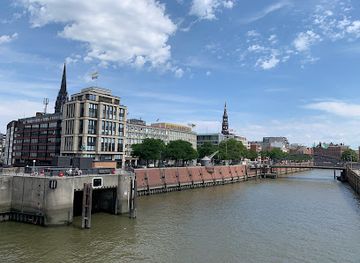
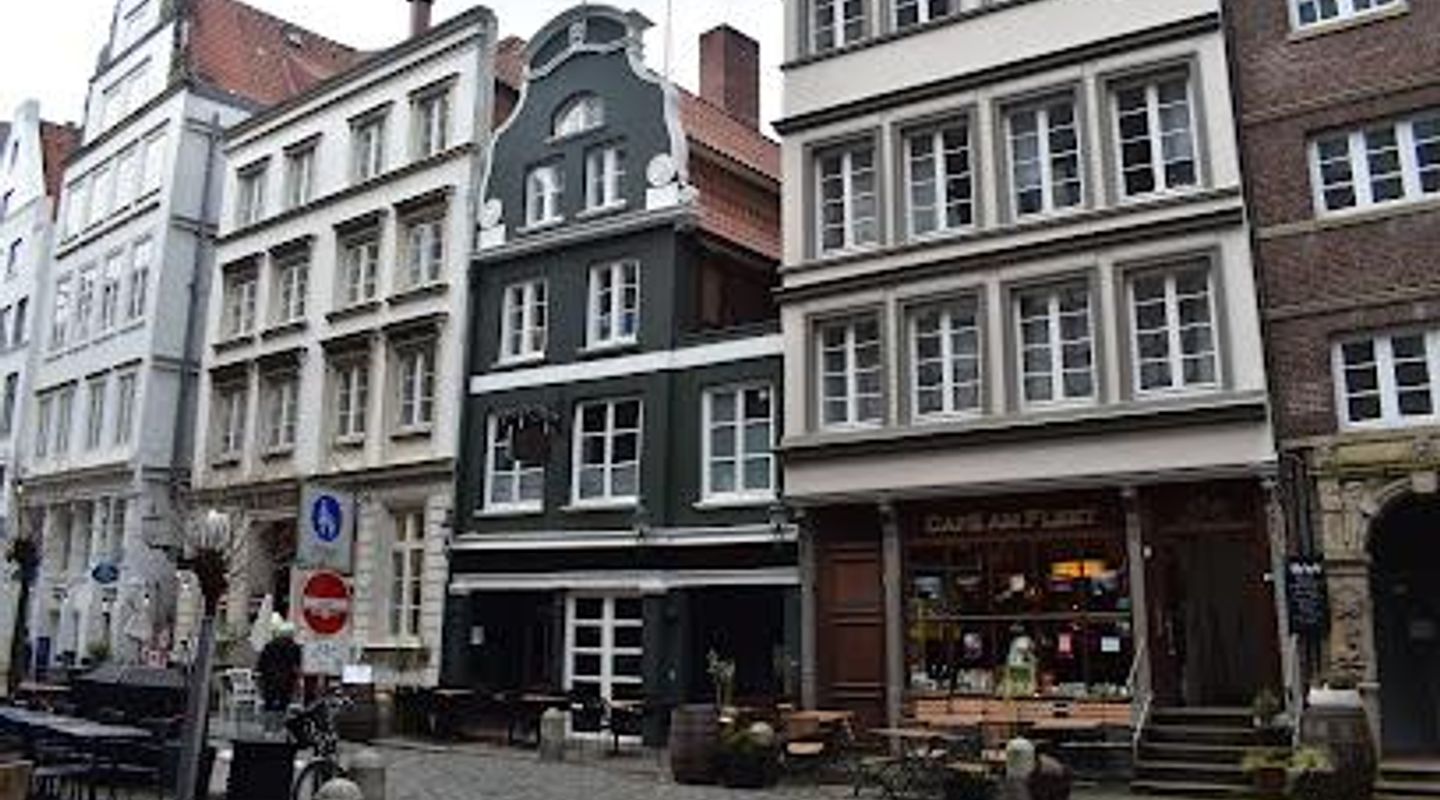
Deichstraße, Hamburg's oldest remaining street, offers a captivating glimpse into the city's past. Nestled along the Nikolaifleet canal, its meticulously restored 17th to 19th-century timber-framed houses evoke a bygone era of merchants and maritime trade. Once the heart of Hamburg's commercial activity, Deichstraße narrowly escaped destruction during the Great Fire of 1842 and WWII bombings, preserving its unique architectural heritage. Today, visitors can stroll along the cobblestone street, explore traditional restaurants and boutiques, and soak in the Hanseatic atmosphere. With its picturesque setting and historical significance, Deichstraße is a must-see destination for anyone seeking an authentic Hamburg experience, a living museum where history whispers from every corner.

A brief summary to Deichstraße

  • Hamburg, Hamburg-Mitte, 20459, DE

Local tips

  • Visit during the early morning or late afternoon for fewer crowds and the best light for photography.
  • Explore the narrow alleyways (Gänge) leading off Deichstraße to discover hidden courtyards and charming details.
  • Try a traditional Labskaus dish at one of the local restaurants for an authentic taste of Hamburg.
  • Combine your visit with a tour of the nearby Speicherstadt, a UNESCO World Heritage Site, to delve deeper into Hamburg's maritime history.
  • Check for local events or markets happening in the area, especially during the summer months, to enhance your experience.
widget icon

Getting There

  • Public Transport

    From Hamburg's Hauptbahnhof (Central Station), take the U3 subway line to Rödingsmarkt station. From there, it's a short 3-minute walk to Deichstraße. Exit the station and walk towards the Nikolaikirche (St. Nicholas Church) memorial. Deichstraße is located just behind the memorial, running along the Nikolaifleet canal. A single ride ticket on the Hamburg U-Bahn costs approximately €3.50.

  • Walking

    If you are already in the Altstadt (Old Town) or Speicherstadt area, Deichstraße is easily accessible on foot. From Rathausmarkt (Town Hall Square), walk east towards the Nikolaikirche memorial. Continue past the memorial, and you'll find Deichstraße running parallel to the Nikolaifleet canal. The walk from Rathausmarkt takes approximately 5-10 minutes.

  • Taxi/Ride-Share

    A taxi or ride-sharing service from Hamburg Hauptbahnhof to Deichstraße will typically cost between €10-€15, depending on traffic. The journey takes approximately 5-10 minutes. Be sure to specify 'Deichstraße' as your destination, as it's a well-known location.

  • Driving

    Driving directly to Deichstraße is not recommended due to limited parking. The nearest parking garage is Parkhaus Rödingsmarkt (Schaarsteinweg 6), a 5-minute walk away. Parking fees at Parkhaus Rödingsmarkt are approximately €2 per half hour, with a daily maximum of €30. Alternatively, consider parking further away and taking public transport or a taxi for the final leg of your journey.

Unlock the Best of Deichstraße

Buy tickets

    No tickets available

Book tours with entry

    No tours available

Book tours without entry

    No tours available

Discover more about Deichstraße

Deichstraße, a narrow street winding along the Nikolaifleet canal in Hamburg's Altstadt (Old Town), stands as a remarkable testament to the city's rich history and resilience. Dating back to the 14th century, this historic thoroughfare offers visitors a captivating journey through time, showcasing meticulously restored buildings that whisper tales of merchants, seafarers, and the Hanseatic League. Originally known as a vital trade route connecting the harbor to the city's bustling markets, Deichstraße thrived as a center of commerce. Its strategic location along the Nikolaifleet, a canal that once served as Hamburg's primary harbor, facilitated the transport of goods and the exchange of ideas. The street's distinctive architecture, characterized by tall, narrow timber-framed houses with baroque facades, reflects its dual purpose as both a commercial and residential district. These buildings, constructed between the 17th and 19th centuries, housed counting houses, living quarters, and storage spaces under one roof, allowing merchants to conduct their business and reside in close proximity to their goods. Deichstraße's survival through centuries of upheaval is nothing short of miraculous. The Great Fire of 1842, a devastating conflagration that consumed a third of Hamburg, miraculously spared the southern end of Deichstraße, leaving a cluster of historic buildings intact. Similarly, the Allied bombing raids of World War II, which decimated much of the city, left Deichstraße relatively unscathed. These fortunate escapes have allowed Deichstraße to retain its authentic character and provide visitors with a tangible link to Hamburg's past. In the post-war era, Deichstraße faced a new threat: urban development. Ambitious plans to transform the street into a modern thoroughfare threatened to erase its historic fabric. However, a dedicated group of citizens rallied to save Deichstraße, forming an organization called "Rettet die Deichstraße" (Save Deichstraße). Through tireless advocacy and fundraising efforts, they successfully preserved the street's architectural heritage and ensured its survival for future generations. Today, Deichstraße is a vibrant pedestrian zone, lined with traditional restaurants, cozy cafes, and charming boutiques. Visitors can stroll along the cobblestone street, admire the meticulously restored buildings, and soak in the unique atmosphere. Many of the restaurants offer outdoor seating, allowing patrons to enjoy the picturesque views of the Nikolaifleet canal. The street's historic buildings now house a variety of businesses, from art galleries and antique shops to traditional German pubs and French-inspired creperies. Deichstraße's historical significance extends beyond its architecture. The street has been home to numerous prominent Hamburg citizens throughout the centuries, including merchants, artists, and intellectuals. Their stories are woven into the fabric of Deichstraße, adding depth and richness to its cultural heritage. The street also played a role in Hamburg's maritime history, serving as a hub for shipbuilding, trade, and navigation. For those seeking a deeper understanding of Hamburg's history, a visit to the Museum of Hamburg History is highly recommended. The museum's exhibits provide valuable context for Deichstraße's significance, showcasing artifacts and documents that illuminate the street's past. Additionally, a stroll through the nearby Speicherstadt, a UNESCO World Heritage Site, offers a complementary perspective on Hamburg's maritime heritage. Deichstraße is more than just a street; it is a living museum, a testament to Hamburg's enduring spirit. Its meticulously restored buildings, picturesque setting, and rich history make it a must-see destination for anyone seeking an authentic Hamburg experience. Whether you are a history buff, an architecture enthusiast, or simply a curious traveler, Deichstraße will captivate your senses and leave you with a lasting appreciation for Hamburg's unique cultural heritage. As you wander through Deichstraße, take a moment to imagine the merchants of centuries past, conducting their business in the shadow of these historic buildings. Picture the canal teeming with ships, laden with goods from distant lands. Feel the weight of history in the cobblestones beneath your feet. Deichstraße is a place where the past comes alive, offering a glimpse into a world that has shaped Hamburg into the vibrant city it is today. Deichstraße's charm extends beyond its historical significance. The street is also a popular destination for food lovers, offering a diverse array of culinary experiences. From traditional German cuisine to international fare, there is something to satisfy every palate. Many of the restaurants specialize in seafood, reflecting Hamburg's maritime heritage. Others offer traditional German dishes, such as Labskaus, a hearty stew made with cured meats, potatoes, and beetroot. In addition to its restaurants, Deichstraße is also home to a number of cafes and bars, providing ample opportunities for relaxation and refreshment. Whether you are looking for a quick coffee, a leisurely lunch, or a lively evening out, Deichstraße has something to offer. The street's vibrant atmosphere and friendly locals make it a welcoming destination for visitors from all over the world. Deichstraße is a place where history, culture, and cuisine come together to create a truly unique experience. Its meticulously restored buildings, picturesque setting, and vibrant atmosphere make it a must-see destination for anyone visiting Hamburg. So, take a stroll along Deichstraße, soak in the Hanseatic flair, and discover the magic of this historic street.

Popular Experiences near Deichstraße

Popular Hotels near Deichstraße

Select Currency