

Harz National Park, Harz Mountains Travel Guide
Discover Germany's legendary mountain wilderness: Hike through ancient forests, explore mystical moors, and ascend the Brocken peak in Harz National Park.
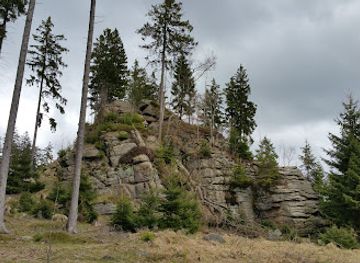
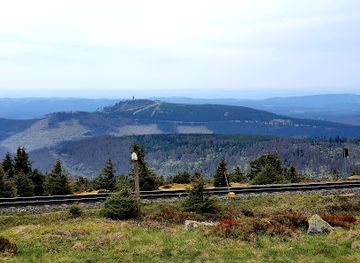
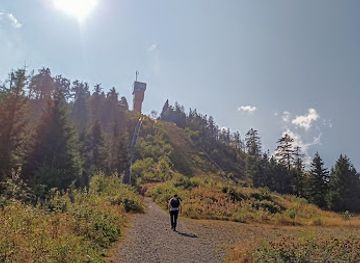
The Harz National Park, a sprawling natural reserve straddling Lower Saxony and Saxony-Anhalt, offers a captivating blend of untamed wilderness and accessible beauty. Established in 2006 through the merger of two existing parks, it encompasses nearly 25,000 hectares of the Harz Mountains, Germany's northernmost range. Characterized by dense forests of beech and spruce, interspersed with bogs, granite cliffs, and meandering streams, the park provides a haven for diverse flora and fauna, including the elusive Eurasian lynx. Visitors can explore a network of hiking trails, discover legendary sites like the Brocken peak, steeped in folklore, and immerse themselves in the tranquility of this unique ecosystem. Whether seeking outdoor adventure or peaceful respite, the Harz National Park promises an unforgettable experience in the heart of Germany.
A brief summary to Harz National Park

Know before you go
Hi, I'm Eve. Here are a few practical things to know before exploring Harz National Park.
- Check the weather forecast before you go, as conditions in the Harz Mountains can change rapidly, especially on the Brocken.
- Wear sturdy hiking shoes and appropriate clothing, as the terrain can be uneven and the weather unpredictable.
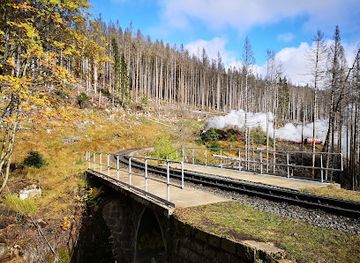
- Take advantage of the Harz Narrow Gauge Railway for a scenic and relaxing ride to the Brocken summit.
- Visit one of the park's visitor centers to learn about the park's history, ecology, and hiking trails.
- Be aware of the park's rules and regulations, such as staying on marked trails and keeping dogs on a leash, to help protect the environment.
Do you manage this location?
Take control to get all the benefits, like improved information, better appearance, and stronger visibility across AI-powered discovery. Learn more about listing your business on Evendo
Activate your presenceOther nearby places you may find interesting
The closest places of the same kind, if this one is not quite what you had in mind.

Explore Harz National Park on the Map
A handpicked selection of must-see spots near Harz National Park, mapped for you.
Getting There
-
Public Transport
Many towns surrounding the Harz National Park, such as Wernigerode, Goslar, and Bad Harzburg, offer bus connections into the park. From these towns, local buses provide access to various trailheads and points of interest. For example, from Bad Harzburg, bus lines 810, 871, 873, and 875 connect to different areas within the park. A single bus fare typically costs around €3-€5, depending on the distance. Consider purchasing a HATIX travel card if you are staying overnight in the Harz region, as it provides free access to most local buses and trams. Note that some bus lines may require advance booking for larger groups.
-
Driving
Several roads lead to parking areas around the perimeter of Harz National Park, offering access to different trailheads and attractions. For example, to reach the TorfHaus visitor center, drive along B4. Parking fees vary depending on the location and duration, typically ranging from €2-€5 per day. Be aware that parking can be limited during peak season, so arriving early is recommended. Driving on forest roads within the park is restricted to authorized vehicles only. Please adhere to designated parking areas to avoid obstructing rescue vehicles or forestry operations.
-
Harz Narrow Gauge Railway
For a unique and scenic approach to the Brocken summit, take the Harz Narrow Gauge Railway (Harzer Schmalspurbahnen). Board the train at Wernigerode or Drei Annen Hohne. A round-trip ticket to the Brocken costs approximately €49 for adults. Reservations are recommended, especially during peak season. The train journey offers stunning views of the park's landscape and is a memorable way to reach the summit. Note that there is a short, unpaved section between the train station and the Brockenhaus visitor center at the summit.
Discover more about Harz National Park













Your all‑in‑one travel companion app
Explore expert travel guides, compare and book tours, experiences, hotels, and more—all from the palm of your hand. Download now for seamless trip planning wherever your wanderlust takes you.


Explore More of Harz Mountains
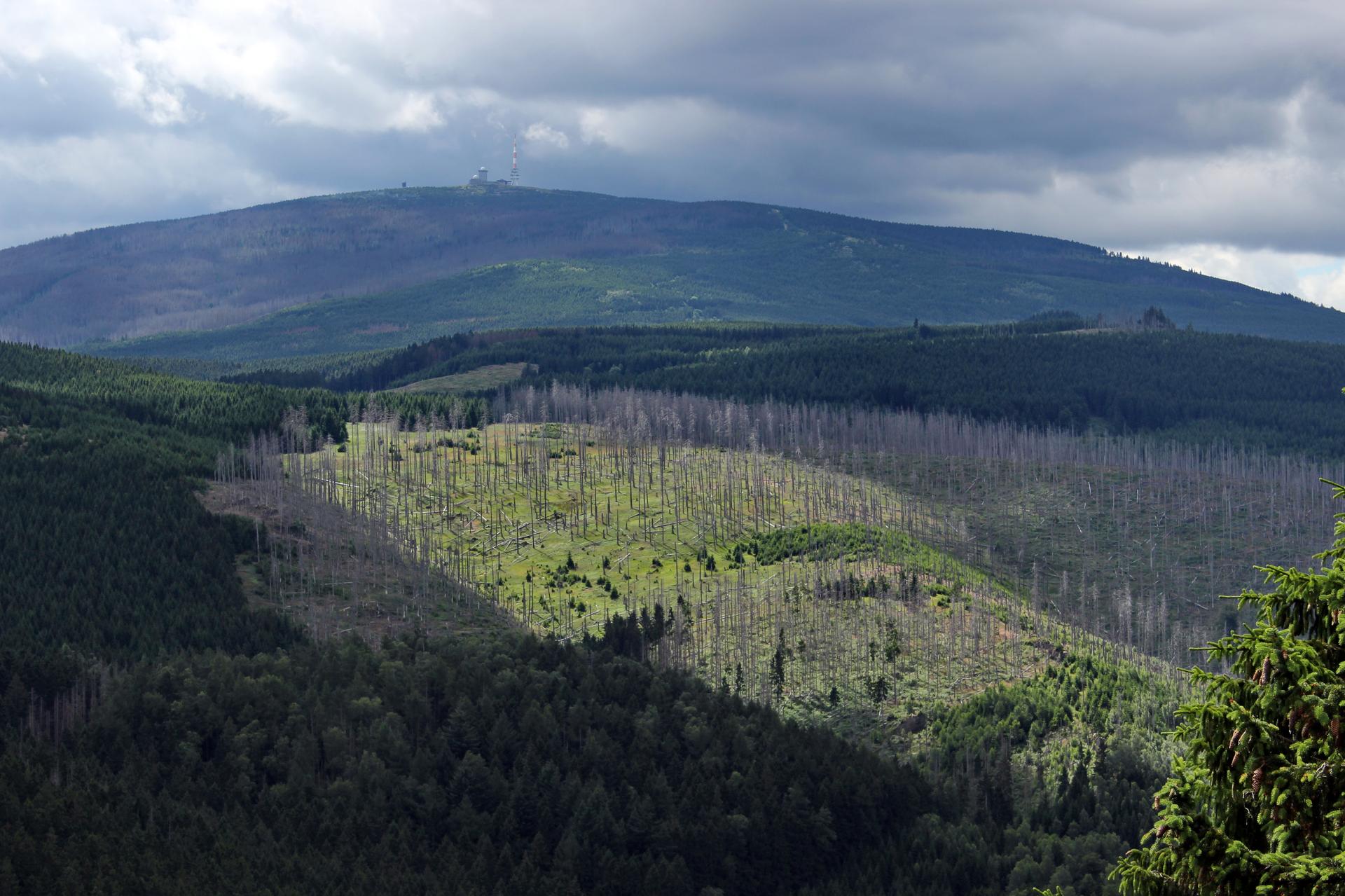
Looking beyond Harz National Park? Discover Harz Mountains for broader travel guides, local hot-spots, and regional highlights.
Explore Harz Mountains
Discover the serene beauty of Torfhausmoor in Harz National Park: Hike through lush moorlands, spot unique wildlife, and immerse yourself in the tranquility of nature.

Discover Germany's Harz National Park: A haven of natural beauty, historical significance, and outdoor adventure in the heart of the Harz Mountains, offering trails, wildlife, and stunning views.
