Background

Bear Monument: A Harz History Marker

Discover the Bear Monument near Quedlinburg, a historical landmark in the Harz Mountains, marking the spot of the last bear and offering scenic hiking trails.

4.1

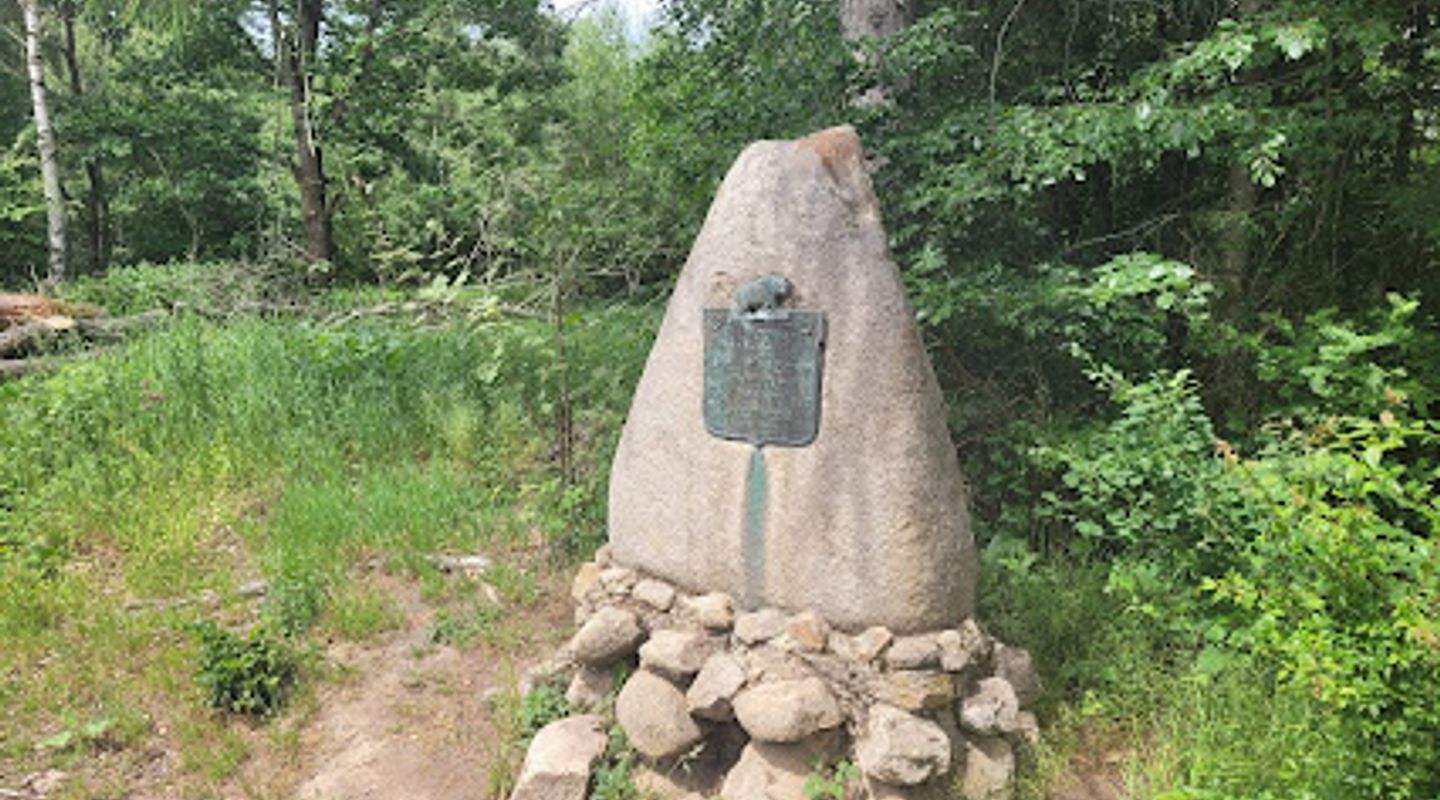
The Bear Monument, nestled in the Harz Mountains near Quedlinburg, marks the spot where the last bear in the Anhalt Forest was killed in 1696. Erected around 1900, this glacial erratic boulder features a cast-iron plaque commemorating the event. More than just a historical marker, the monument serves as a popular destination for hikers exploring the scenic trails around Bremer Teich and Viktorshöhe. It also acts as a checkpoint on the Harzer Wandernadel network, encouraging visitors to discover the natural beauty and history of the Harz region. The monument offers a glimpse into the past, reminding us of the changing relationship between humans and wildlife in this captivating landscape. A visit to the Bear Monument combines a pleasant walk in nature with a touch of local history.

A brief summary to Bear Monument

  • Quedlinburg, Gernrode, 06485, DE

Local tips

  • Combine your visit with a hike to Viktorshöhe for panoramic views of the Harz Mountains.
  • Look for the Harzer Wandernadel stamp at the monument to add to your hiking collection.
  • Explore the nearby town of Gernrode, known for its Romanesque St. Cyriakus church.
widget icon

Getting There

  • Walking

    From the parking area accessible via GPS coordinates 51.6822567, 11.0965417, the Bear Monument is a short walk along well-marked forest trails. Follow signs towards Bremer Teich and Viktorshöhe; the monument is located along the path. The walk is generally easy, suitable for most fitness levels.

  • Public Transport

    From Quedlinburg, take bus line 240 or a regional train to Gernrode (Harz). From the Gernrode train station, it's approximately a 5km hike to the Bear Monument. Follow the hiking trails marked towards Bremer Teich and Viktorshöhe. The bus fare from Quedlinburg to Gernrode is approximately €3-5. Check local transport schedules for accurate times.

Unlock the Best of Bear Monument

Buy tickets

    No tickets available

Book tours with entry

    No tours available

Book tours without entry

    No tours available

Discover more about Bear Monument

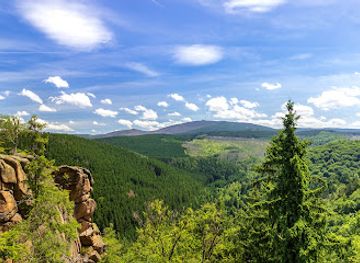
The Bear Monument, known in German as Bärendenkmal, stands as a stoic reminder of a bygone era in the Harz Mountains. Located near Quedlinburg, specifically in the vicinity of Gernrode, this monument marks the spot where the last bear in the Anhalt Forest met its end in 1696. The event signified a major shift in the region's ecology and human presence, transitioning from a wild, untamed landscape to one increasingly shaped by human activity. The monument itself is a simple yet evocative structure. It consists of a large glacial erratic boulder, a remnant of the last ice age, upon which a cast-iron memorial plate has been affixed. The plaque bears an inscription in German, commemorating the killing of the last bear. Erected around 1900, the monument serves not only as a historical marker but also as a symbol of the changing relationship between humans and the natural world. Nestled within a tranquil forest setting, the Bear Monument is easily accessible via a network of well-maintained forest tracks and hiking trails. The surrounding area is characterized by dense woodlands, interspersed with open glades and small bodies of water, such as the nearby Bremer Teich. The Viktorshöhe hill, another prominent landmark in the area, offers panoramic views of the Harz Mountains and the surrounding countryside. The monument's location makes it a popular destination for hikers and nature enthusiasts seeking to explore the natural beauty of the region. Beyond its historical significance, the Bear Monument holds additional appeal for hikers participating in the Harzer Wandernadel program. This unique hiking network features a series of checkpoints scattered throughout the Harz Mountains, each marked with a stamp. Hikers collect these stamps in a booklet as they explore the region, earning awards for completing various trails and challenges. The Bear Monument serves as checkpoint number 184, making it a popular stop for those seeking to complete the Harzer Wandernadel. The story of the last bear in the Harz is a poignant one, reflecting the broader ecological changes that have swept across Europe over the centuries. Once a common sight in the forests of the Harz, bears gradually disappeared due to hunting and habitat loss. The killing of the last bear in 1696 marked the end of an era, symbolizing the decline of the region's wilderness and the increasing dominance of human influence. Today, the Harz Mountains are undergoing a transformation, with efforts underway to restore the region's natural ecosystems and promote biodiversity. While bears have not yet returned to the Harz, other wildlife species, such as lynx and wildcats, have made a comeback, thanks to conservation efforts. The Bear Monument serves as a reminder of the past, while also inspiring hope for a future in which humans and wildlife can coexist in harmony. Visiting the Bear Monument offers a unique opportunity to connect with the history and natural beauty of the Harz Mountains. The monument is easily accessible from nearby towns and villages, including Quedlinburg and Gernrode. The hike to the monument is a pleasant one, winding through scenic forests and offering glimpses of the surrounding landscape. Upon reaching the monument, visitors can take a moment to reflect on the history of the region and the changing relationship between humans and the natural world. The Bear Monument is more than just a stone and a plaque; it is a symbol of the Harz Mountains' rich history and natural heritage. It is a place where visitors can connect with the past, appreciate the present, and contemplate the future of this remarkable region. Whether you are a seasoned hiker, a history buff, or simply someone seeking a peaceful escape into nature, the Bear Monument is well worth a visit. Quedlinburg, a nearby town, is a UNESCO World Heritage site, known for its well-preserved medieval architecture. The town's charming cobblestone streets, half-timbered houses, and historic churches offer a glimpse into Germany's rich cultural heritage. Gernrode, another town close to the Bear Monument, is known for its Romanesque St. Cyriakus church, a stunning example of medieval architecture. The Harz Mountains themselves are a popular tourist destination, offering a wide range of outdoor activities, including hiking, biking, and skiing. The region is also home to numerous castles, caves, and other historical sites, making it a fascinating destination for those interested in history and culture. The Brocken, the highest peak in the Harz Mountains, is a popular destination for hikers, offering panoramic views of the surrounding landscape. Legend has it that the Brocken is also a gathering place for witches on Walpurgis Night, adding to the region's mystique. The Harz National Park, located in the heart of the Harz Mountains, is a protected wilderness area, home to a diverse range of plant and animal species. The park offers numerous hiking trails, allowing visitors to explore the region's natural beauty. The park also offers guided tours and educational programs, providing visitors with insights into the region's ecology and history. The Bear Monument, therefore, is not just an isolated landmark, but rather an integral part of a larger network of historical, cultural, and natural attractions. A visit to the monument can easily be combined with other activities in the region, such as exploring the historic towns of Quedlinburg and Gernrode, hiking in the Harz Mountains, or visiting the Harz National Park. This makes the Bear Monument a valuable addition to any travel itinerary in the Harz region, offering a unique and enriching experience for visitors of all ages and interests.

Popular Experiences near Bear Monument

Popular Hotels near Bear Monument

Select Currency