
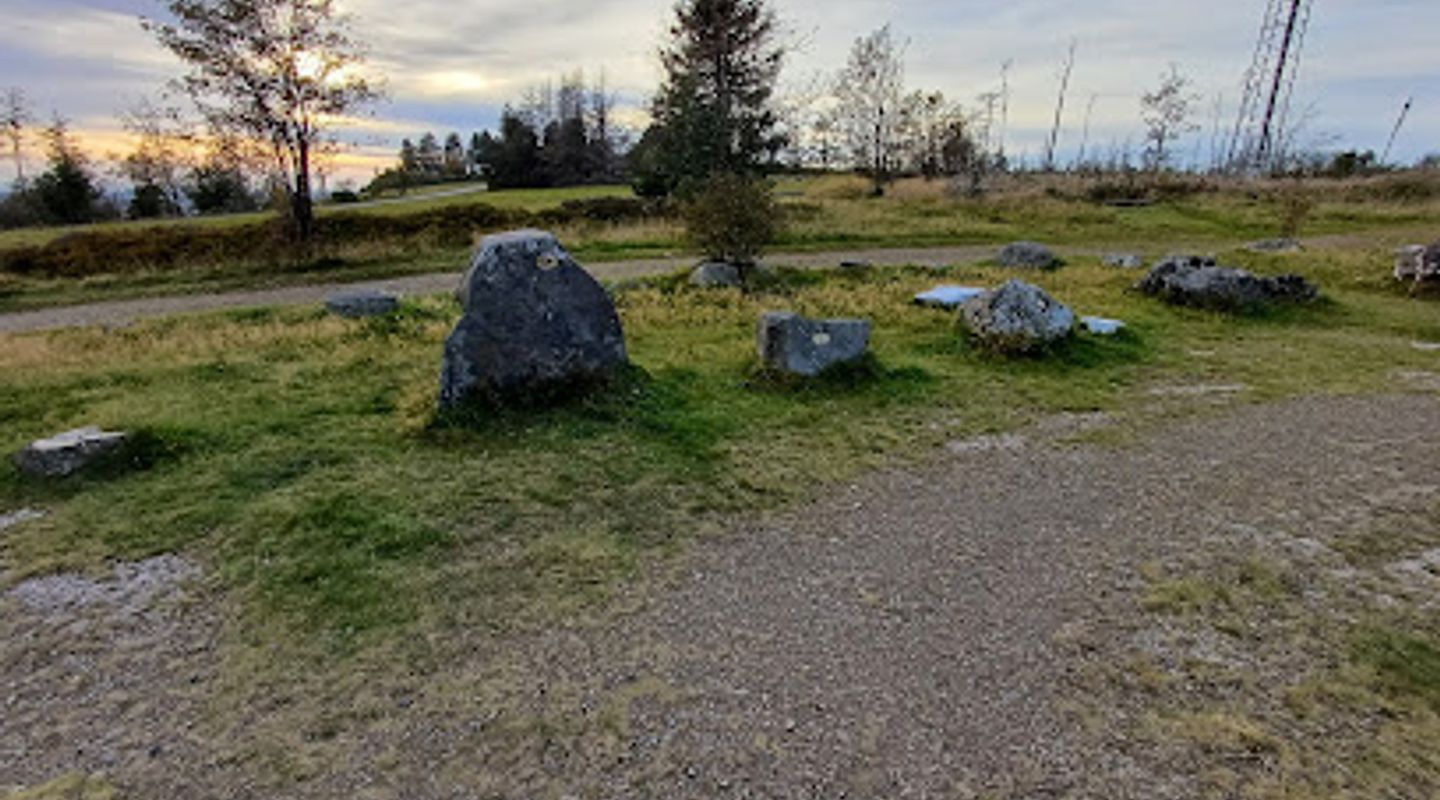
Harzer Gesteine, Harz Travel Guide
Explore the geological wonders of the Harz Mountains at Harzer Gesteine, an open-air exhibit showcasing the region's diverse rock formations and mining history on Jordanshöhe.
Harzer Gesteine, located on the Jordanshöhe near Sankt Andreasberg, is an open-air geological exhibit showcasing the diverse rock formations of the Harz Mountains. Established in 1994, this educational trail features around 40 different rock samples, each labeled with its origin and description, offering a fascinating glimpse into the region's petrography. The trail is easily accessible and provides a unique opportunity to learn about the geological history of the Harz, making it a worthwhile stop for both casual visitors and geology enthusiasts. The site is open 24/7 and has free parking, making it an accessible and informative attraction for those exploring the Harz region. While there, visitors can enjoy the surrounding natural beauty and hiking trails.
A brief summary to Harzer Gesteine
- St. Andreasberg Jordanshöhe, Sankt Andreasberg, 37444, DE

Know before you go
Hi, I'm Eve. Here are a few practical things to know before exploring Harzer Gesteine.
- Combine your visit with a hike on the Jordanshöhe to enjoy panoramic views of the Harz National Park.
- Visit the nearby Samson Pit Mine in Sankt Andreasberg to delve deeper into the region's mining history.
- Bring a camera to capture the unique textures and colors of the various rock samples on display.
Do you manage this location?
Take control to get all the benefits, like improved information, better appearance, and stronger visibility across AI-powered discovery. Learn more about listing your business on Evendo
Activate your presenceOther nearby places you may find interesting
The closest places of the same kind, if this one is not quite what you had in mind.

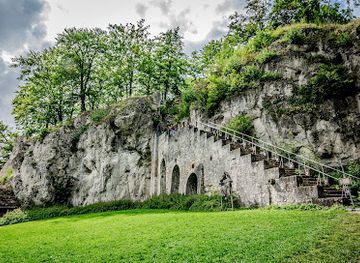
Explore Harzer Gesteine on the Map
A handpicked selection of must-see spots near Harzer Gesteine, mapped for you.
Getting There
-
Driving
From Sankt Andreasberg town center, head towards Jordanshöhe following the signs. The drive is short, approximately 5 minutes. Parking is available directly at the site free of charge.
-
Public Transport
Take bus line 820 towards St. Andreasberg, Jordanshöhe. The bus stop is directly at the exhibit. A single ticket from Sankt Andreasberg is approximately €2.50.
-
Walking
From Sankt Andreasberg, the walk to Jordanshöhe is approximately 30-45 minutes, following well-marked hiking trails. The path is uphill, so wear appropriate footwear. No costs involved.
Discover more about Harzer Gesteine













Your all‑in‑one travel companion app
Explore expert travel guides, compare and book tours, experiences, hotels, and more—all from the palm of your hand. Download now for seamless trip planning wherever your wanderlust takes you.


Explore More of Harz
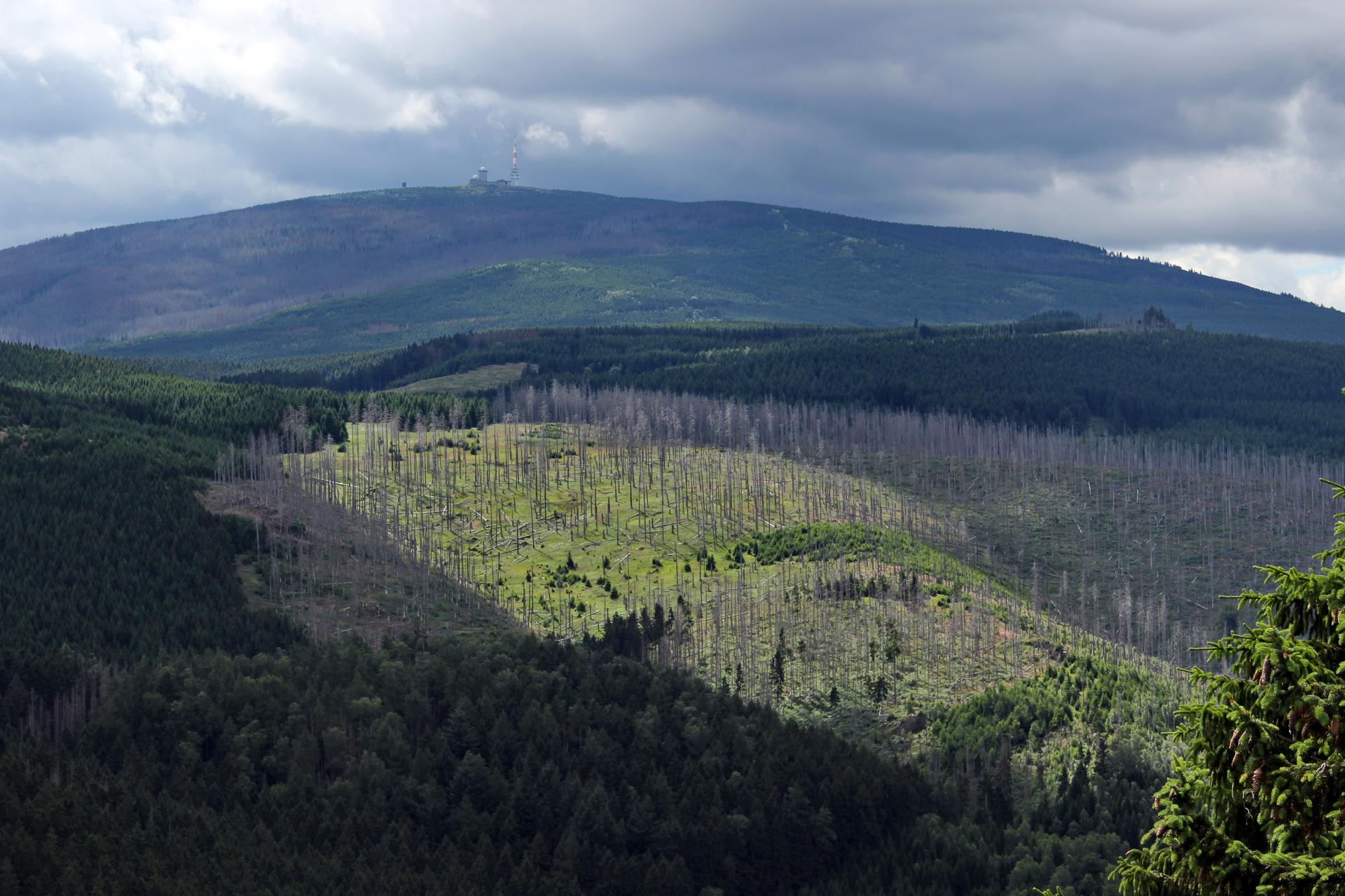
Looking beyond Harzer Gesteine? Discover Harz for broader travel guides, local hot-spots, and regional highlights.
Explore Harz
Discover the untamed beauty of the Harz Nature Park: Hike through ancient forests, explore historic mining sites, and witness breathtaking views from the legendary Brocken peak.
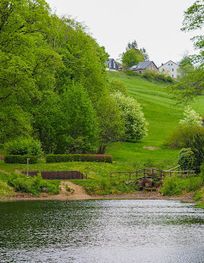
Explore the depths of the Samson Pit in Sankt Andreasberg, a historic silver mine offering a fascinating glimpse into the Harz Mountains' rich mining heritage and the lives of the miners.
