

Wernigerode Castle, Harz Travel Guide
Discover Wernigerode Castle, a stunning neo-romantic palace with centuries of history, offering panoramic views and a glimpse into aristocratic life in the Harz Mountains.
Perched atop the Agnesberg hill, overlooking the charming town of Wernigerode, stands the majestic Wernigerode Castle. This isn't just a castle; it's a journey through centuries of architectural evolution, from its humble beginnings as a medieval fortress in the 12th century to its transformation into a stunning neo-romantic palace in the 19th century. Explore opulent rooms showcasing aristocratic life, wander through meticulously designed gardens, and soak in panoramic views of the Harz Mountains. Whether you arrive by foot, following the winding paths from the town center, or ascend via the delightful castle train, Wernigerode Castle promises an unforgettable experience, blending history, culture, and breathtaking scenery into a truly magical destination. Don't miss the castle church of St. Pantaleon and Anna, a historic hall church with stained glass windows, the neo-Gothic altar, and the pulpit made of French limestone.
A brief summary to Wernigerode Castle
- Am Schloß 1, Wernigerode, 38855, DE
- Click to display
- Click to display
- Monday 10 am-6 pm
- Tuesday 10 am-6 pm
- Wednesday 10 am-6 pm
- Thursday 10 am-6 pm
- Friday 10 am-6 pm
- Saturday 10 am-6 pm
- Sunday 10 am-6 pm

Know before you go
Hi, I'm Eve. Here are a few practical things to know before exploring Wernigerode Castle.
- Take the Wernigerode Castle Railway for a scenic ride up to the castle, especially enjoyable for families with children.
- Visit during the off-season (November-April) for fewer crowds, but be aware of the reduced opening hours and Monday closures.
- Allow at least 3-4 hours to fully explore the castle interiors, grounds, and gardens.
- Check the castle's website for special events and exhibitions that may be taking place during your visit.
- Combine your visit with a walk through Wernigerode's charming old town, known for its timber-framed houses.
Do you manage this location?
Take control to get all the benefits, like improved information, better appearance, and stronger visibility across AI-powered discovery. Learn more about listing your business on Evendo
Activate your presenceOther nearby places you may find interesting
The closest places of the same kind, if this one is not quite what you had in mind.
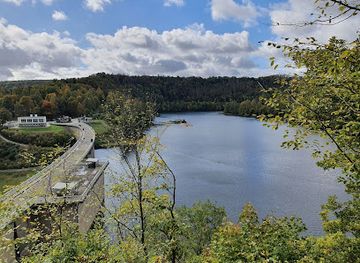
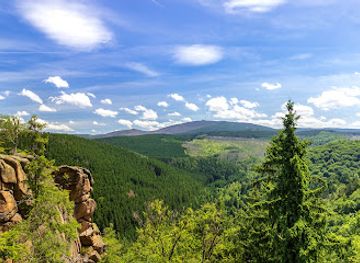
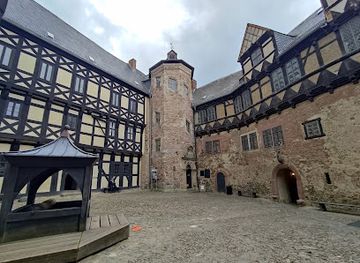
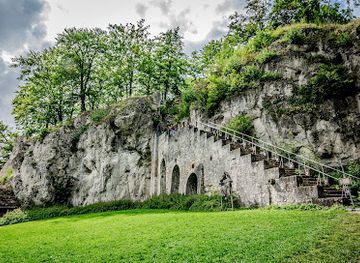
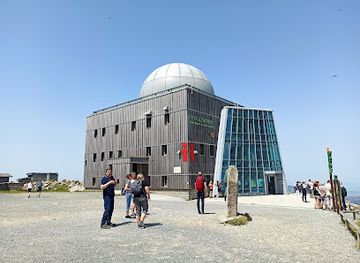
Explore Wernigerode Castle on the Map
A handpicked selection of must-see spots near Wernigerode Castle, mapped for you.
Unlock the Best of Wernigerode Castle
Buy tickets
-
No tickets available
Book tours with entry
-
No tours available
Book tours without entry

Getting There
-
Walking
From Wernigerode's town center (e.g., Marktplatz), follow the signs towards Wernigerode Castle. The walk uphill takes approximately 20 minutes via Breite Straße. Note that the incline can be steep in some sections.
-
Public Transport
The Wernigerode Castle Railway (Schlossbahn) departs regularly from various stops in the town center, including near the Town Hall and the 'Altstadt/Schloss' car park. A round-trip ticket costs approximately €6 for adults. The Bimmelbahn also provides service to the castle, departing from Marktstraße, behind the town hall, every 20 minutes in the summer and every 40 minutes in the winter. A single ticket costs around €4.
-
Taxi/Ride-Share
A taxi or ride-share from Wernigerode's train station or town center to the base of the castle (where vehicle access ends) will cost approximately €8-€12. From there, you'll need to walk the final section uphill.
-
Parking
Parking is available at the 'Altstadt/Schloss' car park, located a short distance from the town center. From there, you can either walk to the castle (approx. 20 minutes uphill) or take the Wernigerode Castle Railway. Parking fees at this car park are approximately €2.50 per hour.
Discover more about Wernigerode Castle













Your all‑in‑one travel companion app
Explore expert travel guides, compare and book tours, experiences, hotels, and more—all from the palm of your hand. Download now for seamless trip planning wherever your wanderlust takes you.


Explore More of Harz
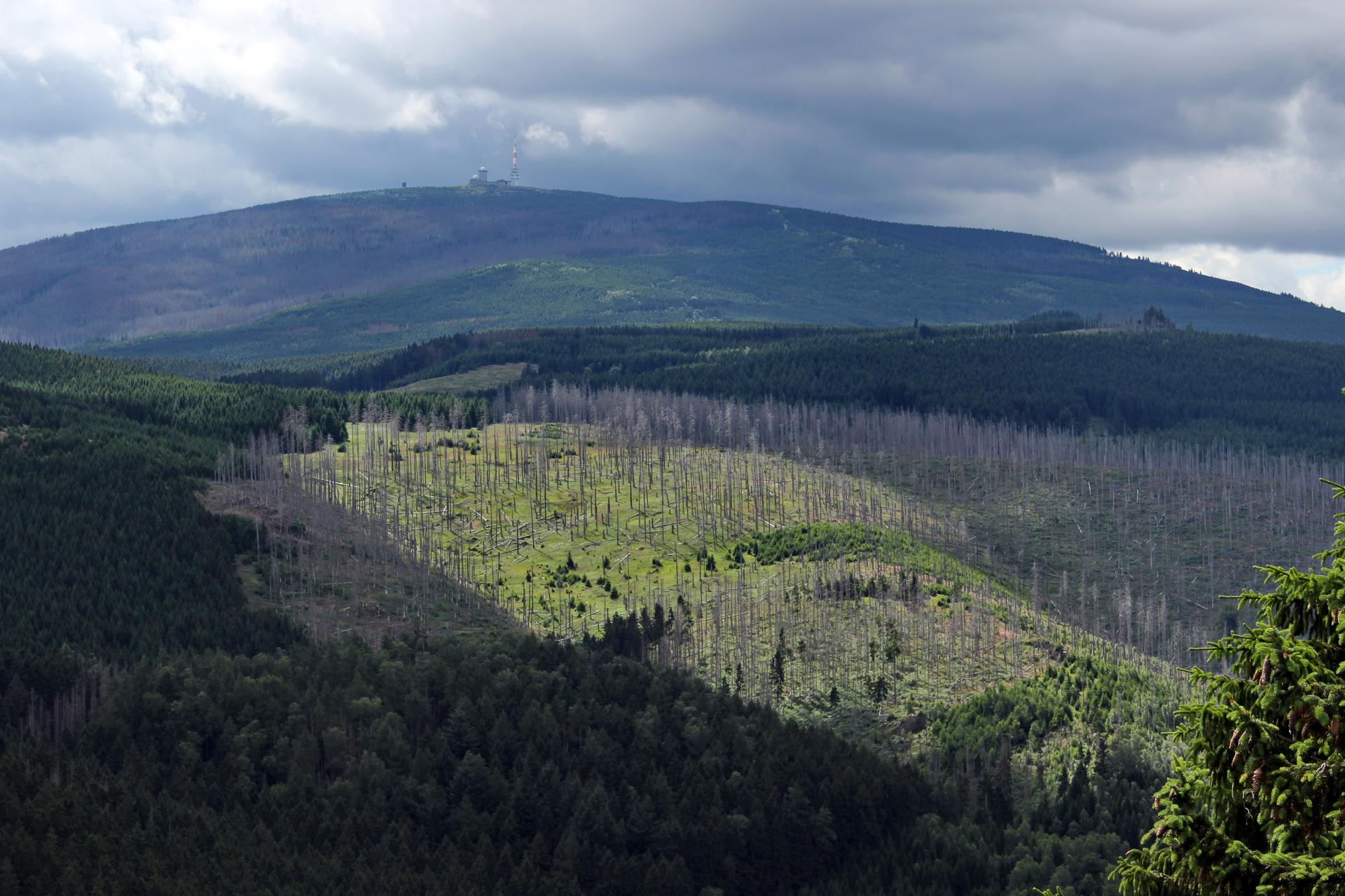
Looking beyond Wernigerode Castle? Discover Harz for broader travel guides, local hot-spots, and regional highlights.
Explore Harz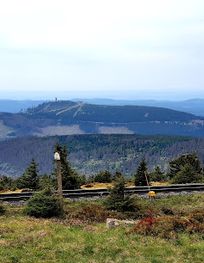
Discover the Teufelskanzel, a legendary rock formation on the Brocken in the Harz Mountains, steeped in folklore and offering breathtaking views, perfect for hikers and nature enthusiasts.
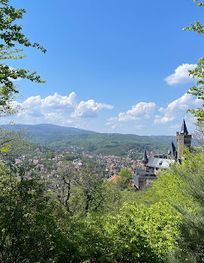
Hike to Agnesberg in Wernigerode for panoramic views of the castle, historic town, and the Brocken, a perfect escape into nature and Harz Mountain beauty.
