
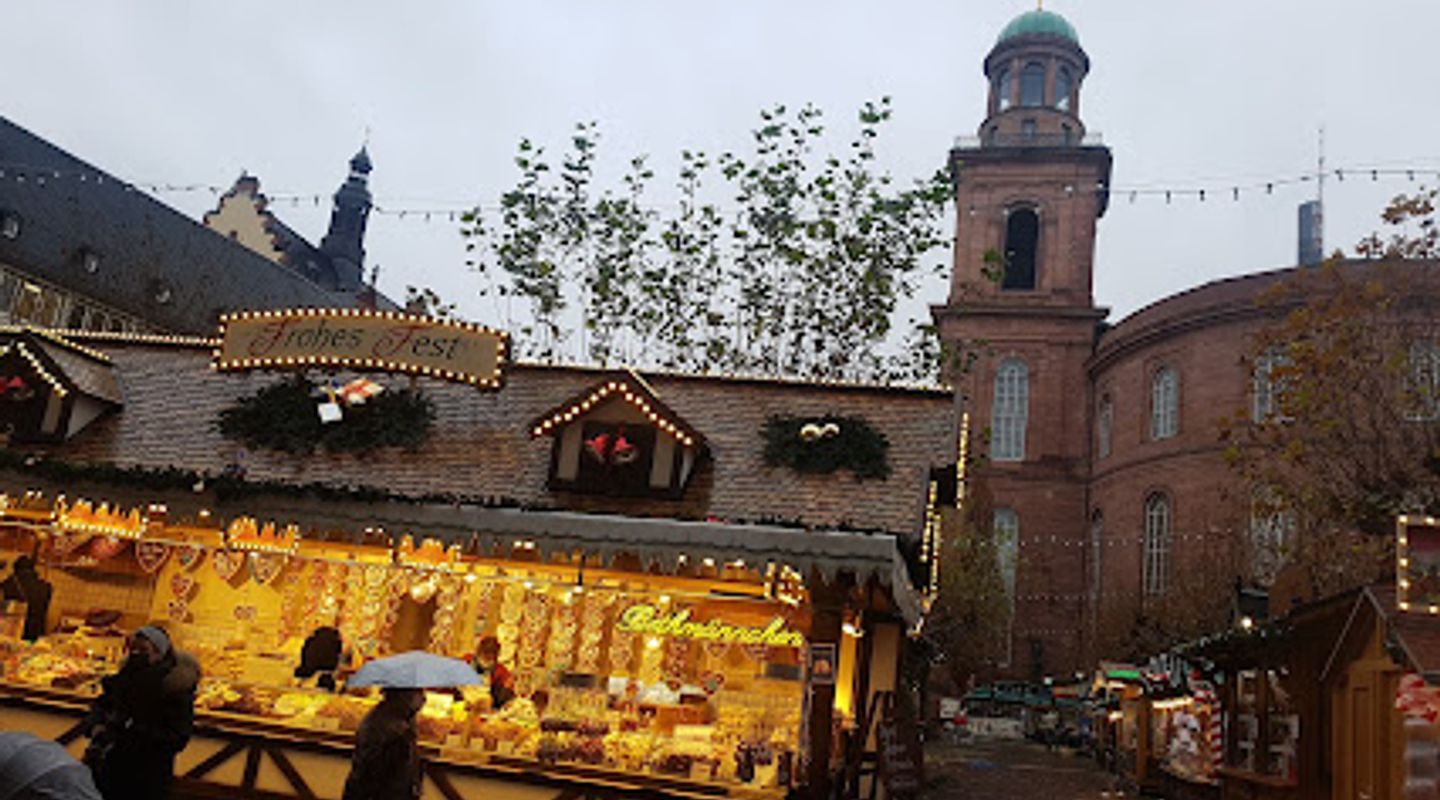
St. Paul's Church, Hesse Travel Guide
Discover the Paulskirche in Frankfurt: a symbol of German democracy, the site of the first German parliament, and a monument to freedom and unity.
St. Paul's Church (Paulskirche) in Frankfurt is more than just a building; it's a symbol of German democracy. Originally built as a Lutheran church in the early 19th century, it gained prominence as the seat of the Frankfurt Parliament in 1848, the first freely elected German assembly. Though the parliament's efforts to create a unified German constitution ultimately failed, the Paulskirche remains a potent reminder of the country's aspirations for freedom and unity. Severely damaged during World War II, it was one of the first structures rebuilt, not as a religious space, but as a secular monument and venue for important civic events, including the awarding of the Peace Prize of the German Book Trade. Visitors can explore exhibitions detailing its history and significance, reflecting on the ongoing pursuit of democratic ideals.
A brief summary to St. Paul's Church
- Paulsplatz 11, Frankfurt, Innenstadt I, 60311, DE
- Click to display
- Monday 10 am-5 pm
- Tuesday 10 am-5 pm
- Wednesday 10 am-5 pm
- Thursday 10 am-5 pm
- Friday 10 am-5 pm
- Saturday 10 am-5 pm

Know before you go
Hi, I'm Eve. Here are a few practical things to know before exploring St. Paul's Church.
- Check the church's schedule in advance, as it's a popular venue for events, including the Peace Prize of the German Book Trade, which may affect accessibility.
- Explore the permanent exhibition on the history of the Frankfurt Parliament and the development of German democracy for a deeper understanding of the church's significance.
- Take a walk around Paulsplatz to see the commemorative plaques and monuments dedicated to important figures and events in German history.
- Combine your visit with a trip to nearby Römerberg, Frankfurt's historic city center, and the Frankfurt Cathedral for a comprehensive exploration of the city's landmarks.
Do you manage this location?
Take control to get all the benefits, like improved information, better appearance, and stronger visibility across AI-powered discovery. Learn more about listing your business on Evendo
Activate your presenceOther nearby places you may find interesting
The closest places of the same kind, if this one is not quite what you had in mind.

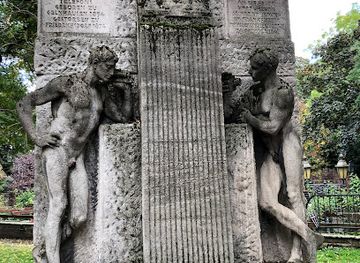
Explore St. Paul's Church on the Map
A handpicked selection of must-see spots near St. Paul's Church, mapped for you.
Unlock the Best of St. Paul's Church
Buy tickets
-
No tickets available
Book tours with entry


Getting There
-
Public Transport
St. Paul's Church is easily accessible via Frankfurt's efficient public transportation system. From Frankfurt Hauptbahnhof (Central Station), take the U4 or U5 subway lines to the Dom/Römer station, which is a short 4-minute walk to Paulsplatz. Alternatively, take tram lines 11 or 12 to the Römer/Paulskirche stop, practically at the church's doorstep. A single ticket within Frankfurt costs €3.80. A short-trip ticket (Kurzstrecke), valid for a limited distance, is available for €2.25 if applicable. A day ticket for unlimited travel within Frankfurt is €7.40.
-
Walking
From the Römerberg, Frankfurt's central square, St. Paul's Church is a very short walk. Head north from the Römer, passing the Justice Fountain (Justitiabrunnen) on your left. Continue straight ahead; St. Paul's Church will be visible within a few minutes on Paulsplatz. The walk is flat and takes approximately 5 minutes. No costs are involved.
-
Taxi/Ride-Share
A taxi or ride-share from Frankfurt Hauptbahnhof to St. Paul's Church will take approximately 5-10 minutes, depending on traffic. Expect to pay around €8-€12. Note that traffic in the city center can be congested, especially during peak hours.
-
Driving
Driving directly to St. Paul's Church is not recommended due to limited parking in the immediate vicinity. Paid parking is available at nearby parking garages such as Q-Park Opernplatz and Parkhaus MyZeil - PalaisQuartier APCOA, both within a 10-minute walk. Hourly parking rates typically range from €3-€5, with daily maximums around €20-€25. Street parking is very limited and often restricted to residents or taxis.
Discover more about St. Paul's Church













Your all‑in‑one travel companion app
Explore expert travel guides, compare and book tours, experiences, hotels, and more—all from the palm of your hand. Download now for seamless trip planning wherever your wanderlust takes you.


Explore More of Hesse
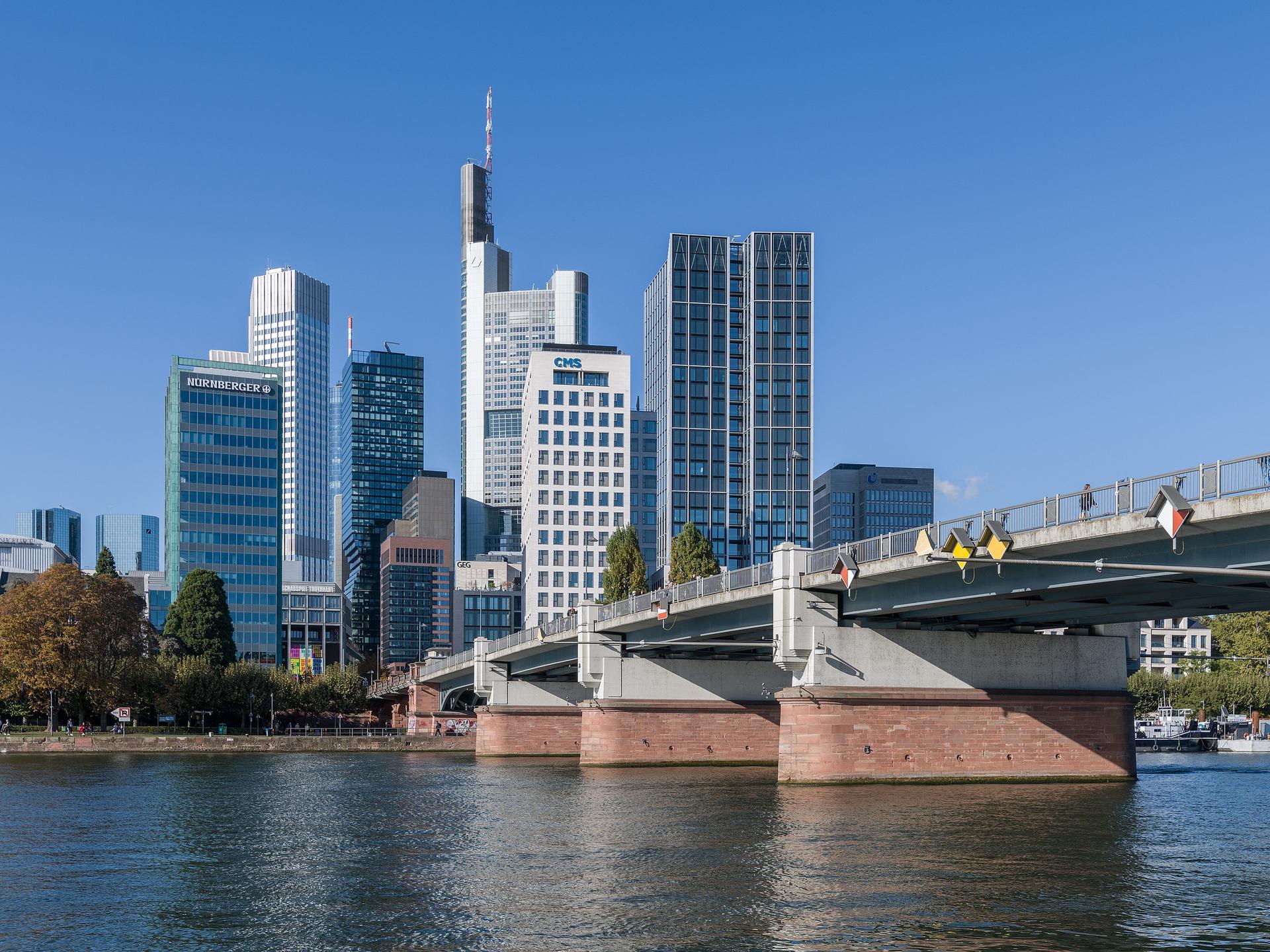
Looking beyond St. Paul's Church? Discover Hesse for broader travel guides, local hot-spots, and regional highlights.
Explore Hesse
Discover Frankfurt's medieval heart: a meticulously reconstructed Old Town blending history with modern life, offering a unique cultural experience in the heart of the city.
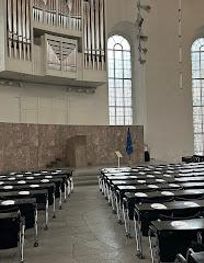
Visit the Paulskirche in Frankfurt: a symbol of German democracy, where the first German parliament convened in 1848, shaping the nation's path towards unity and freedom.
