
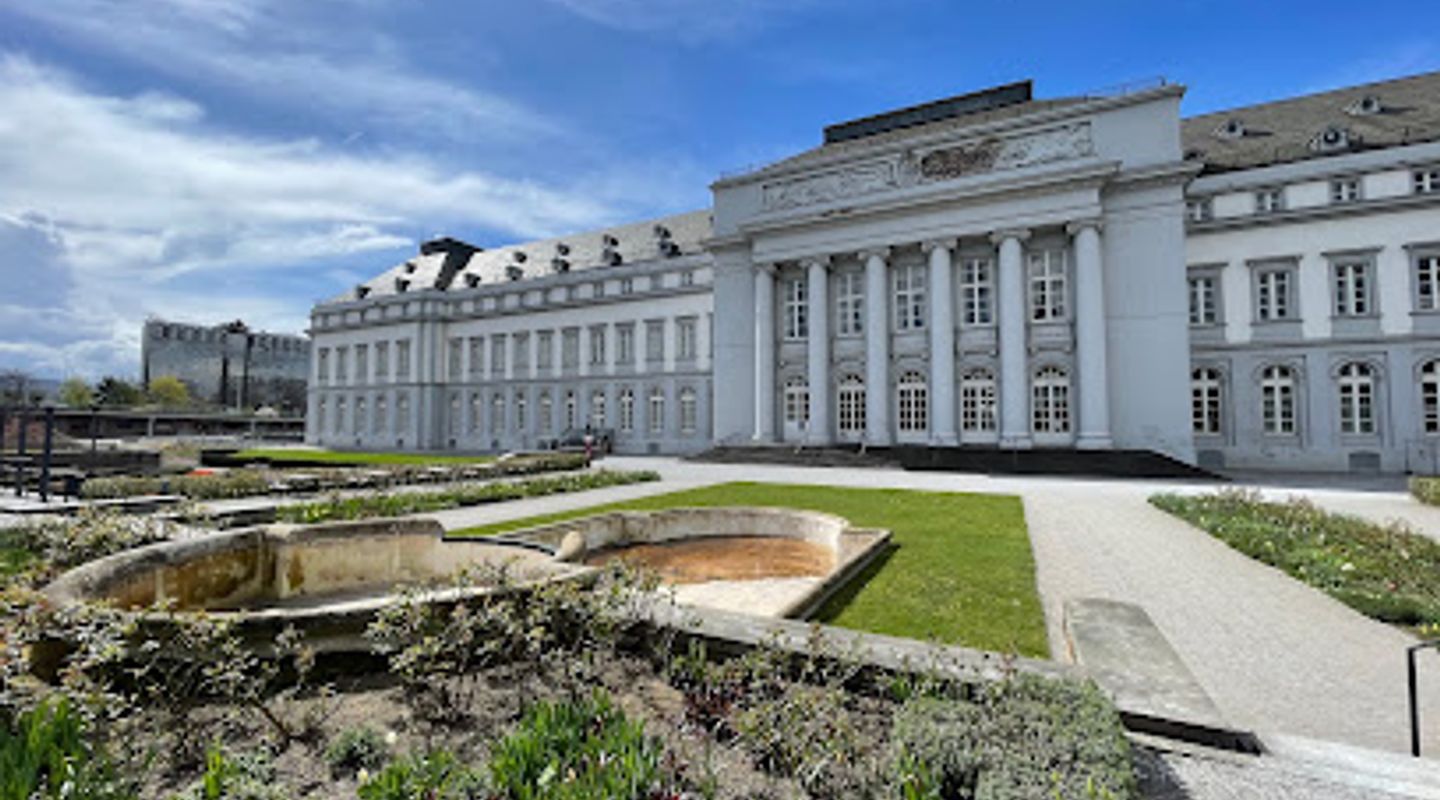
Schloss Koblenz, Hunsruck Travel Guide
Explore the grandeur of Koblenz's Electoral Palace, a French classicism masterpiece with a rich history, stunning architecture, and beautiful Rhine-side gardens, a must-see landmark.
The Electoral Palace (Kurfürstliches Schloss) in Koblenz is a stunning example of French early classicism, marking it as one of the last palaces built in Germany before the French Revolution. Constructed between 1777 and 1793, it served as the residence for the last Archbishop and Elector of Trier, Clemens Wenceslaus of Saxony. Later, it became the official residence of the Prussian Crown Prince Wilhelm (later Emperor Wilhelm I). Severely damaged during World War II, the palace was meticulously reconstructed, and today, it hosts government offices and serves as a venue for significant cultural events. Its location along the Rhine Promenade, near the Deutsches Eck and the Koblenz cable car, makes it a central point for visitors exploring the city. The palace gardens, freely accessible, provide a serene escape with beautiful views of the Rhine.
A brief summary to Schloss Koblenz
- Neustadt 24, Koblenz, 56068, DE
- Click to display
- Click to display
- Monday 7 am-7 pm
- Tuesday 7 am-7 pm
- Wednesday 7 am-7 pm
- Thursday 7 am-7 pm
- Friday 7 am-7 pm
- Saturday 7 am-7 pm
- Sunday 7 am-7 pm

Know before you go
Hi, I'm Eve. Here are a few practical things to know before exploring Schloss Koblenz.
- Visit the palace gardens in the early morning or late afternoon for the best light and fewer crowds.
- Check the event calendar for concerts or exhibitions held in the palace's Kaisersaal for a unique cultural experience.
- Combine your visit with a walk along the Rhine Promenade and a ride on the Koblenz cable car for panoramic views of the city.
Do you manage this location?
Take control to get all the benefits, like improved information, better appearance, and stronger visibility across AI-powered discovery. Learn more about listing your business on Evendo
Activate your presenceOther nearby places you may find interesting
The closest places of the same kind, if this one is not quite what you had in mind.
Explore Schloss Koblenz on the Map
A handpicked selection of must-see spots near Schloss Koblenz, mapped for you.
Unlock the Best of Schloss Koblenz
Buy tickets
-
No tickets available
Book tours with entry
-
No tours available


Getting There
-
Walking
From the Deutsches Eck (German Corner), walk along the Rhine Promenade heading south. The Electoral Palace will be on your left, approximately a 5-10 minute walk. The path is flat and easily accessible. Alternatively, from Koblenz town center, follow the signs towards the Rhine; the palace is a short walk from the main streets.
-
Public Transport
The nearest bus stop is "Koblenz Schloss," served by several local bus lines. From Koblenz Hauptbahnhof (main train station), take any bus heading towards the city center and get off at "Koblenz Schloss." The palace is directly across the street from the bus stop. A single bus fare costs approximately €2-3.
-
Taxi/Ride-Share
A taxi or ride-share from Koblenz Hauptbahnhof to the Electoral Palace costs approximately €8-12, depending on traffic. The journey takes about 5-10 minutes. Simply ask to be dropped off at Kurfürstliches Schloss.
-
Parking
Underground parking is available at Tiefgarage Schloss, Neustadt 30, 56068 Koblenz, Germany, which is located near the palace. Hourly rates are approximately €1.50, with a daily maximum of around €20. Parking can be limited during peak tourist season or special events.
Discover more about Schloss Koblenz













Your all‑in‑one travel companion app
Explore expert travel guides, compare and book tours, experiences, hotels, and more—all from the palm of your hand. Download now for seamless trip planning wherever your wanderlust takes you.


Explore More of Hunsruck
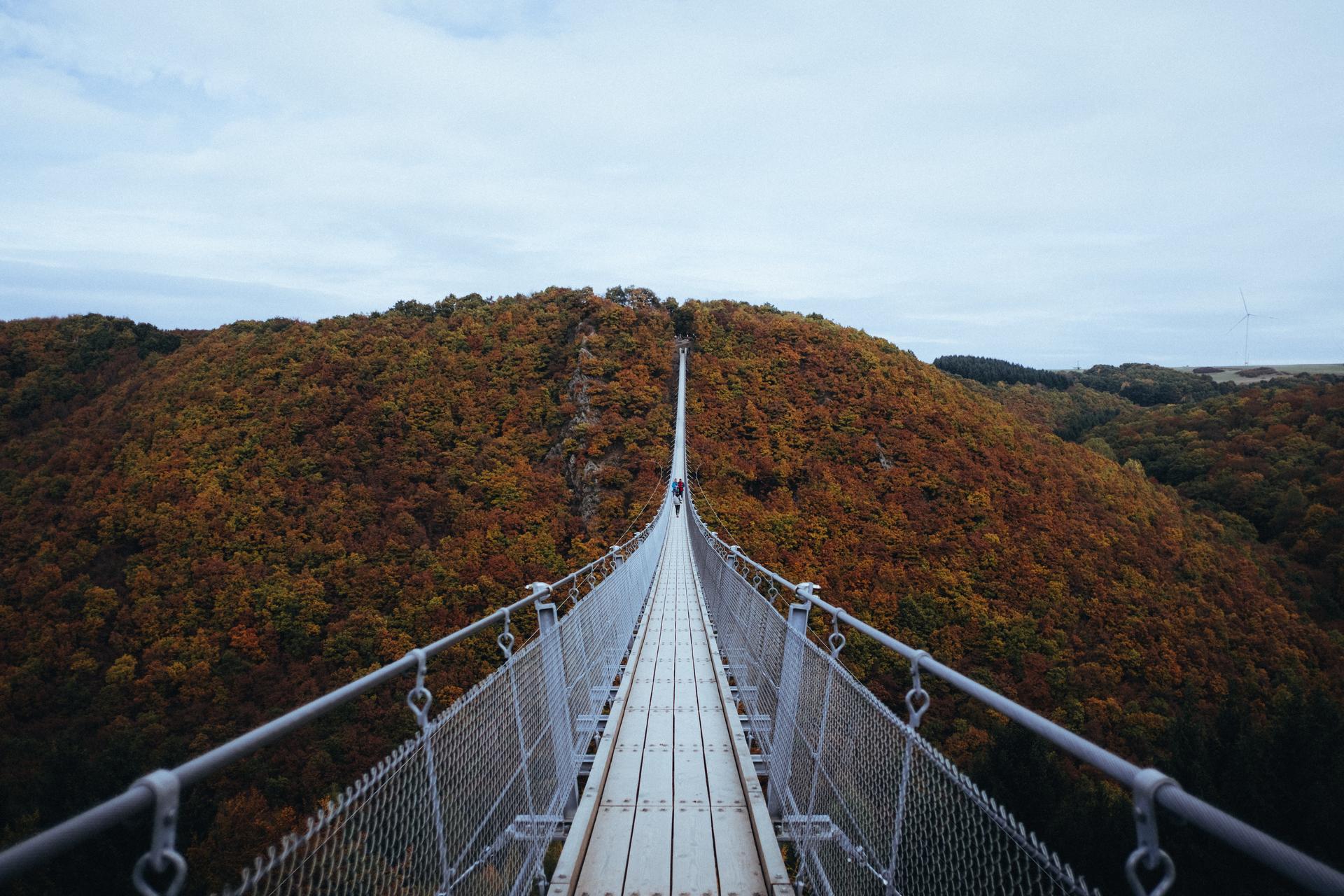
Looking beyond Schloss Koblenz? Discover Hunsruck for broader travel guides, local hot-spots, and regional highlights.
Explore Hunsruck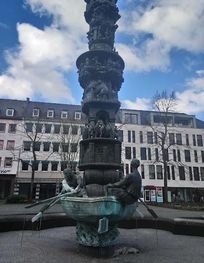
Experience the vibrant heart of Koblenz at Josef-Görres-Platz: a historic square where culture, architecture, and local life intertwine, offering an unforgettable glimpse into the city's soul.
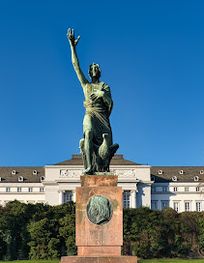
Honoring Joseph Görres: A monument to freedom of speech and intellectual pursuit in the scenic Kaiserin-Augusta-Anlagen, Koblenz, reflecting his lasting impact on German history.
