
Deutsches Eck, Koblenz Travel Guide
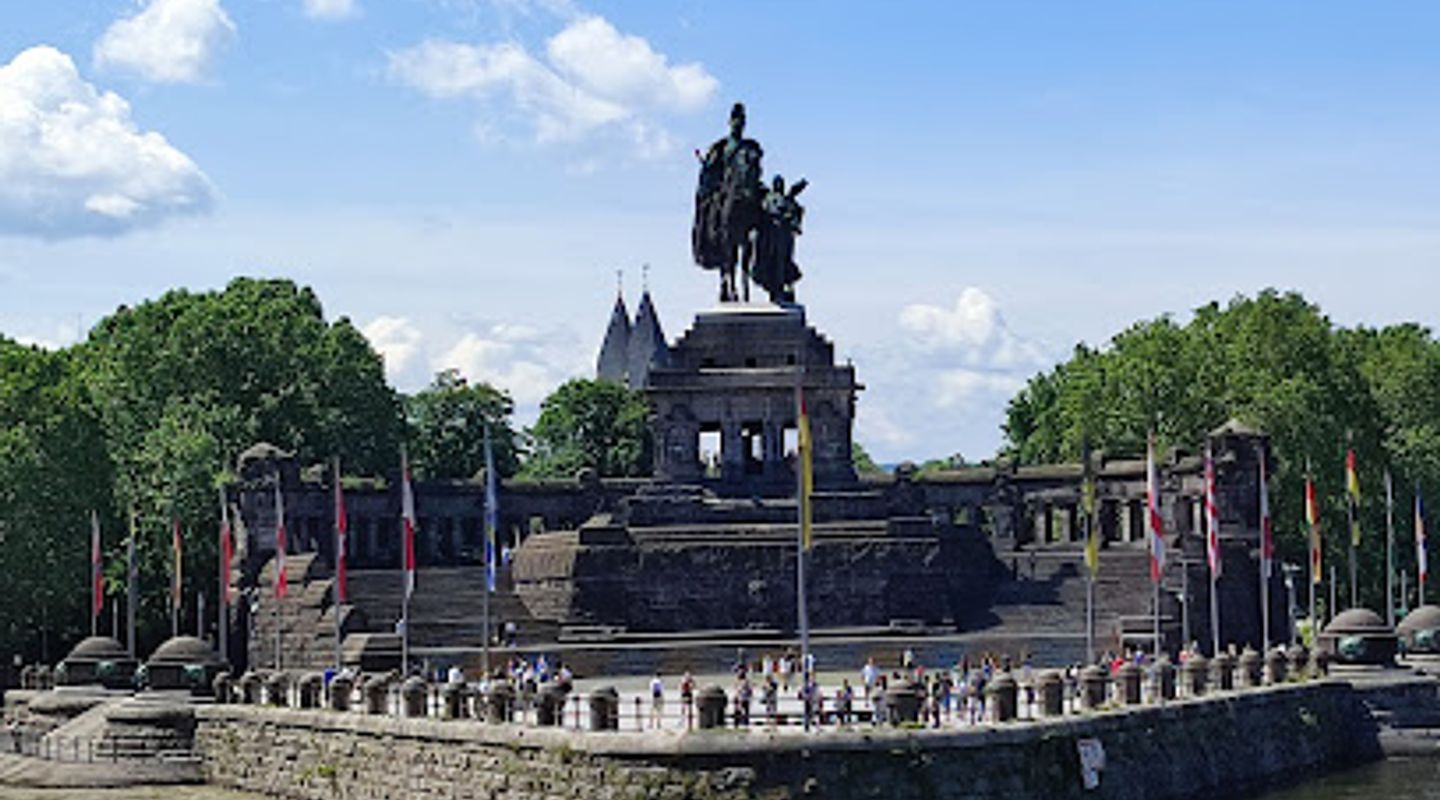
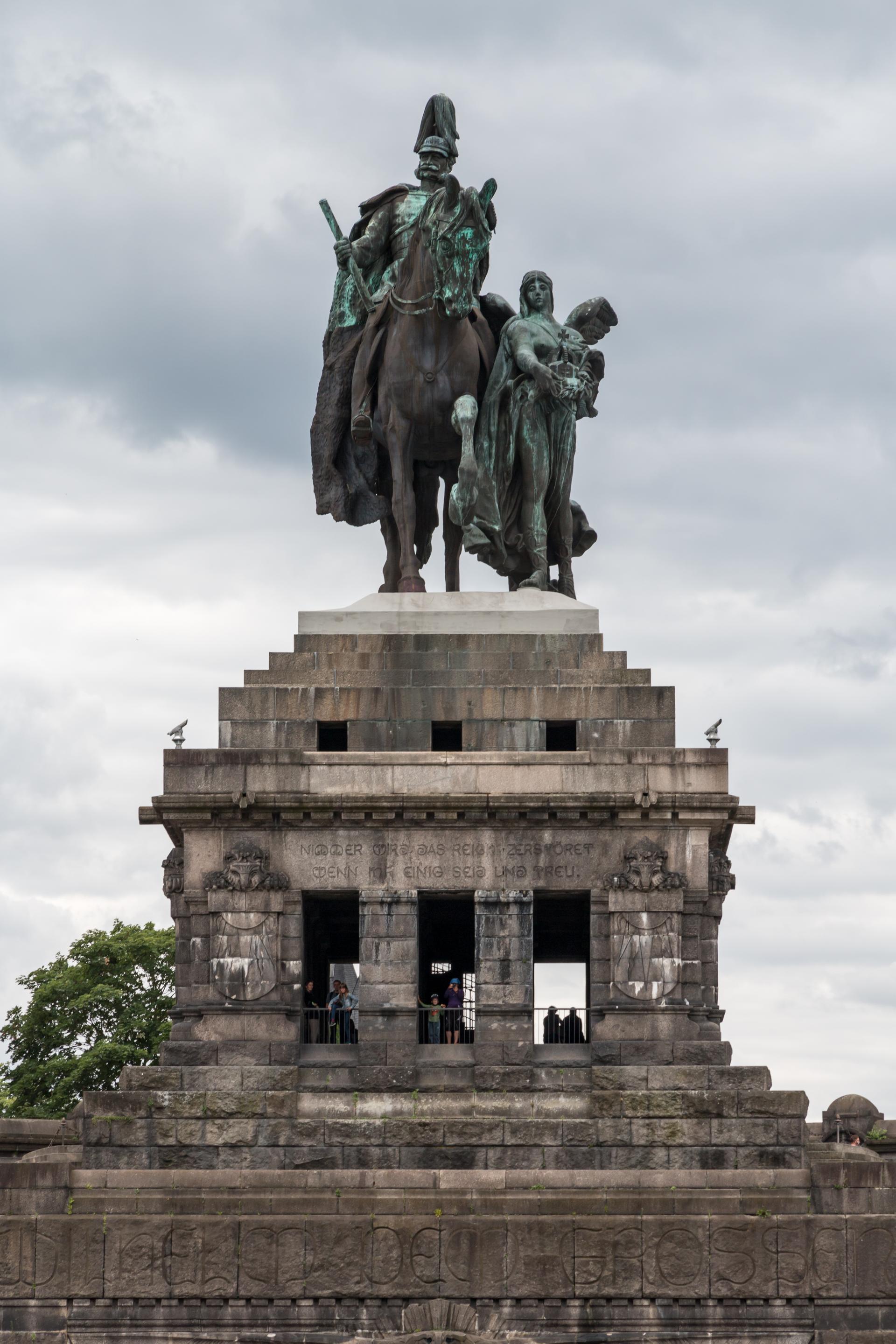
Witness the confluence of history and nature at Deutsches Eck in Koblenz, where the Rhine and Moselle meet beneath the gaze of Kaiser Wilhelm I's monument, a symbol of German unity.
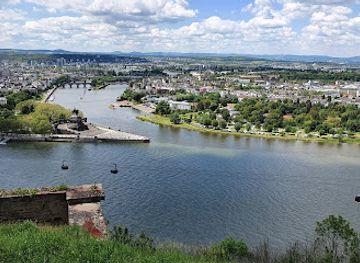
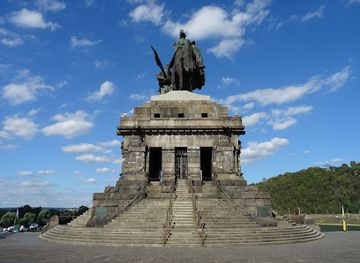
The Deutsches Eck (German Corner) in Koblenz is a powerful symbol of German history and reunification. This iconic landmark marks the confluence of the Rhine and Moselle rivers, offering stunning panoramic views and a tangible connection to the nation's past. Dominated by a colossal equestrian statue of Kaiser Wilhelm I, the Deutsches Eck serves as a reminder of German imperial ambitions and the subsequent divisions of the 20th century. Today, it stands as a monument to unity and a popular gathering place for locals and tourists alike. The surrounding promenade provides ample space for leisurely strolls, while the vibrant atmosphere and the constant flow of river traffic create a dynamic and engaging experience. Whether you're a history buff, a photography enthusiast, or simply seeking a picturesque spot to soak in the beauty of the Rhineland, the Deutsches Eck is an unmissable destination.
A brief summary to Deutsches Eck
- Konrad-Adenauer-Ufer, Koblenz, 56068, DE
- Click to display
- Click to display

Know before you go
Hi, I'm Eve. Here are a few practical things to know before exploring Deutsches Eck.
- Take a stroll along the Rhine and Moselle promenades for stunning views and photo opportunities.
- Visit the Ehrenbreitstein Fortress across the Rhine for panoramic views of Koblenz and the Deutsches Eck.
- Consider a river cruise to experience the Deutsches Eck from a unique perspective.
Do you manage this location?
Take control to get all the benefits, like improved information, better appearance, and stronger visibility across AI-powered discovery. Learn more about listing your business on Evendo
Activate your presenceOther nearby places you may find interesting
The closest places of the same kind, if this one is not quite what you had in mind.
Explore Deutsches Eck on the Map
A handpicked selection of must-see spots near Deutsches Eck, mapped for you.
Unlock the Best of Deutsches Eck
Buy tickets
-
No tickets available
Book tours with entry


Getting There
-
Walking
From Koblenz Hauptbahnhof (main train station), the Deutsches Eck is approximately a 20-25 minute walk. Head east along Bahnhofstraße, then turn left onto Hohenzollernstraße. Continue straight, crossing the Mosel river via the Pfaffendorf Bridge. After crossing the bridge, turn right onto Konrad-Adenauer-Ufer. The Deutsches Eck will be visible ahead, marked by the large Kaiser Wilhelm I monument. Alternatively, from the city center (e.g., around the Rathaus), walk north along Am Plan and then follow the signs towards the Rhine River and Deutsches Eck. The walk is mostly flat and offers pleasant views of the city and the rivers.
-
Public Transport
Several bus lines service the area around the Deutsches Eck. From Koblenz Hauptbahnhof, take bus lines 1, 2, 5, 8, 9, or 10 to the 'Deutsches Eck' stop. The journey takes approximately 10-15 minutes. From the bus stop, the Deutsches Eck is a short walk. A single ticket costs around €2.60. Check the local transport authority (evm Verkehrs GmbH) for the most up-to-date schedules and fares.
-
Taxi/Ride-Share
A taxi or ride-share from Koblenz Hauptbahnhof to the Deutsches Eck typically takes 5-10 minutes, depending on traffic. Expect to pay around €8-€12. Ride-sharing services like Uber and Bolt are also available in Koblenz.
Discover more about Deutsches Eck













Your all‑in‑one travel companion app
Explore expert travel guides, compare and book tours, experiences, hotels, and more—all from the palm of your hand. Download now for seamless trip planning wherever your wanderlust takes you.


Explore More of Koblenz
Looking beyond Deutsches Eck? Discover Koblenz for broader travel guides, local hot-spots, and regional highlights.
Explore Koblenz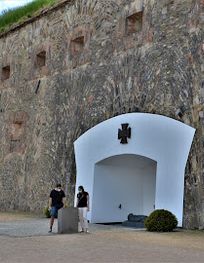
A somber memorial within Ehrenbreitstein Fortress, Koblenz, honoring German Army soldiers and offering a space for reflection on war and remembrance.
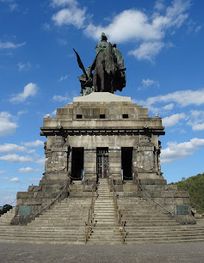
A historic monument at the confluence of the Rhine and Moselle rivers, symbolizing German unity and offering panoramic views of Koblenz and the Upper Middle Rhine Valley.
