

Moselweiss (Koblenz) Travel Guide - Free
Explore Moselweiss in Koblenz with Evendo's free guide. Find the best shops, historic streets, restaurants, and gems on web or mobile.


Moselweiß in Koblenz pairs Moselle river walks, village lanes, wine-growing heritage, St Laurentius Church and easy cycling with local city access in Germany.
Village Character beside the Moselle
Moselweiß occupies a south-western stretch of Koblenz where the city gives way to the broad, gently curving Moselle. Although administratively part of Koblenz, it retains the feel of a former village, particularly around its older streets and the parish church of St Laurentius. Residential lanes, modest historic buildings and the river-facing landscape create a quieter atmosphere than the central districts across the Rhine and Moselle.Read more about Moselweiss
Wine, Water and Everyday Koblenz
Heritage beyond the Historic Centre
Best landmarks in Moselweiss
St Laurentius Church is Moselweiß’s defining historic landmark, anchoring the former village centre and expressing the parish-based structure that shaped local life for centuries. Its setting is more significant than monumental scale: the church helps visitors read the surrounding streets as an older settlement absorbed into a growing city. The Moselle itself is another essential landmark, forming the district’s western edge and explaining its historic relationship with vineyards, transport and riverside recreation. Koblenz-Moselweiß station represents the later integration of the area into regional rail networks, while the German Federal Archives gives the district a distinctive institutional landmark connected with the preservation of Germany’s documentary heritage. Together, these places show Moselweiß as a meeting point of village history, river geography, transport infrastructure and modern public institutions.
-
Hiking area
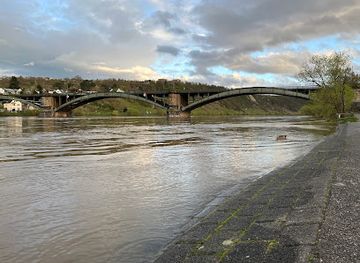
Moseluferweg Moselweiß
Discover the scenic beauty of Koblenz with a stroll along the Moseluferweg Moselweiß, a picturesque riverside path offering stunning views of the Mosel River and surrounding vineyards.
9 min walk · 0.8 km from neighbourhood centre
-
Park
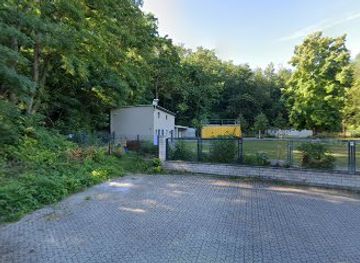
Alte Ziegelei FVM Generationen Park
Discover Koblenz's Alte Ziegelei FVM Generationen Park: a community-led oasis blending history, nature, and recreation for all ages, showcasing local commitment and sustainable practices.
6 min walk · 0.5 km from neighbourhood centre
Explore Moselweiss on the map
A handpicked selection of must-see spots in Moselweiss, mapped for you.
Best hotels in Moselweiss
Best restaurants in Moselweiss
Moselweiß has a comparatively modest dining scene, reflecting its role as a residential Koblenz district rather than a concentrated restaurant quarter. Visitors are more likely to encounter neighbourhood restaurants, cafés and traditional German cooking than a dense sequence of destination venues, with the local wine-growing setting providing a natural connection to Moselle wines and regional dishes. Dining options are spread along main roads and within the older settlement rather than gathered around one celebrated food street. The riverside is primarily a place for walking and cycling, so it is sensible to check current opening arrangements before setting out specifically for a meal. For a broader choice of international restaurants, bakeries and late dining, Koblenz’s central districts are nearby, while Moselweiß offers a quieter setting in which to combine food with a village-and-river experience.
-
Greek
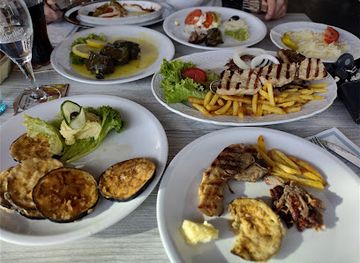
Restaurant Syrtaki
Discover the essence of Greek cuisine at Restaurant Syrtaki in Koblenz - where every meal is a celebration of flavor.
5 min drive · 1.8 km from neighbourhood centre
-
Italian
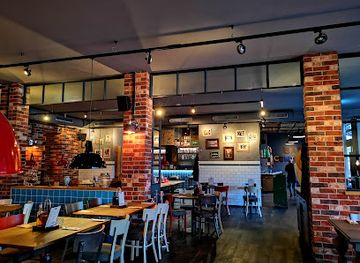
Remo's Koblenz
Experience the best Italian cuisine at Remo's Koblenz - famous for its authentic pizzas and warm hospitality in the heart of Germany.
6 min drive · 1.9 km from neighbourhood centre
-
Restaurant
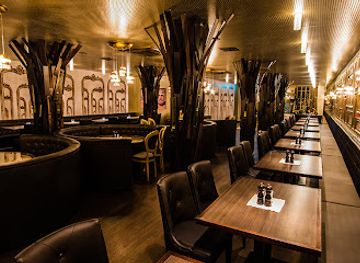
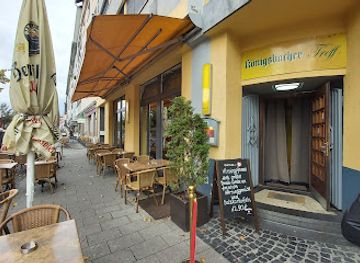
Königsbacher Treff - Koblenz
Discover authentic German cuisine at Königsbacher Treff in Koblenz—an inviting restaurant with a diverse menu and warm atmosphere.
5 min drive · 1.8 km from neighbourhood centre
-
Greek
Restaurant Delphi im Bootshaus
Experience authentic Greek cuisine at Restaurant Delphi im Bootshaus with stunning views over Moselstausee in Koblenz.
17 min walk · 1.3 km from neighbourhood centre
Best bars in Moselweiss
Moselweiß is not one of Koblenz’s main nightlife districts, and its evening character is generally quiet and residential. Traditional hospitality associated with the wider Moselle wine region is more relevant here than a cluster of nightclubs, with local restaurants and occasional wine or community events providing the most plausible evening settings. The old village area can be pleasant for a low-key drink or meal when venues are open, but visitors seeking late bars, clubs or a programme of live music will find a fuller choice in central Koblenz. After dark, the riverside and residential lanes become places for a calm walk rather than a nightlife circuit, so plan the journey back around the current bus or rail timetable and avoid making assumptions about late services.
-
Wine bar
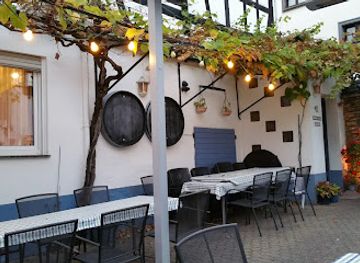
Winzerhof Wirges
Experience the essence of German culture at Winzerhof Wirges with exquisite wines and authentic local cuisine in the heart of Koblenz.
5 min walk · 0.4 km from neighbourhood centre
Best nightclubs in Moselweiss
Moselweiß is not one of Koblenz’s main nightlife districts, and its evening character is generally quiet and residential. Traditional hospitality associated with the wider Moselle wine region is more relevant here than a cluster of nightclubs, with local restaurants and occasional wine or community events providing the most plausible evening settings. The old village area can be pleasant for a low-key drink or meal when venues are open, but visitors seeking late bars, clubs or a programme of live music will find a fuller choice in central Koblenz. After dark, the riverside and residential lanes become places for a calm walk rather than a nightlife circuit, so plan the journey back around the current bus or rail timetable and avoid making assumptions about late services.
-
 Jazz
Jazzclub Koblenz e.V.
Immerse yourself in the vibrant rhythms of live jazz at Jazzclub Koblenz, a must-visit destination for music lovers in the heart of Koblenz.
14 min walk · 1.1 km from neighbourhood centre
Moselweiss essentials
Getting There
Getting Around
Safety
Emergency Situations
Do's and Don'ts
Local Tips

From Eve
Local phrases worth knowing
You don't need to get them perfect. A few words go a long way, and locals appreciate the effort.
Basics
| English | Local | Say it |
|---|---|---|
| Hello | Hallo | [hah-loh] |
| Goodbye | Auf Wiedersehen | [owf vee-der-zay-en] |
| Yes | Ja | [yah] |
| No | Nein | [nine] |
| Please/You're welcome | Bitte | [bi-teh] |
| Thank you | Danke | [dahn-keh] |
| Excuse me/Sorry | Entschuldigung | [ent-shool-dee-gung] |
| How are you? | Wie geht es Ihnen? | [vee gayt es een-en] |
| Fine. And you? | Gut. Und Ihnen? | [goot oont een-en] |
| Do you speak English? | Sprechen Sie Englisch? | [shpre-khen zee eng-leesh] |
| I don't understand | Ich verstehe nicht | [ikh fer-shteh-eh nikht] |
Eating & Drinking
| English | Local | Say it |
|---|---|---|
| I'd like to see the menu, please | Ich hätte gerne die Speisekarte, bitte | [ikh hah-teh gehr-neh dee shpey-zeh-kahr-teh, bi-teh] |
| I don't eat meat | Ich esse kein Fleisch | [ikh ess-eh kine flysh] |
| Cheers! | Prost! | [prohst] |
| I would like to pay, please | Ich möchte bitte bezahlen | [ikh merkhte bi-teh beh-tsal-en] |
Emergencies
| English | Local | Say it |
|---|---|---|
| Help! | Hilfe! | [hil-feh] |
| Go away! | Geh weg! | [geh vehg] |
| Call the Police! | Rufen Sie die Polizei! | [roo-fen zee dee poh-lee-tsey] |
| Call a doctor! | Rufen Sie einen Arzt! | [roo-fen zee i-nen ahrts] |
| I'm lost | Ich habe mich verirrt | [ikh hah-beh meekh feh-rirt] |
| I'm ill | Ich bin krank | [ikh been krahnk] |
Shopping
| English | Local | Say it |
|---|---|---|
| I'd like to buy... | Ich möchte kaufen... | [ikh merkhte kow-fen] |
| I'm just looking | Ich schaue nur | [ikh shou-eh noor] |
| How much is it? | Wie viel kostet das? | [vee feel kohs-tet dahs] |
| That's too expensive | Das ist zu teuer | [dahs ist tsoo toy-er] |
| Can you lower the price? | Können Sie den Preis senken? | [kew-nen zee den prees zehn-ken] |
Time & Numbers
| English | Local | Say it |
|---|---|---|
| What time is it? | Wie spät ist es? | [vee shpet ist es] |
| It's one o'clock | Es ist ein Uhr | [es ist iyn oor] |
| Half past (10) | Halb (zehn) | [halb (tsayn)] |
| Morning | Morgen | [mor-gen] |
| Afternoon | Nachmittag | [nahkh-mit-tahk] |
| Evening | Abend | [ah-bent] |
| Yesterday | Gestern | [ges-tern] |
| Today | Heute | [hoi-teh] |
| Tomorrow | Morgen | [mor-gen] |
| 1 | Eins | [ayns] |
| 2 | Zwei | [tsvai] |
| 3 | Drei | [dray] |
| 4 | Vier | [feer] |
| 5 | Fünf | [foonf] |
| 6 | Sechs | [zeks] |
| 7 | Sieben | [zee-ben] |
| 8 | Acht | [akt] |
| 9 | Neun | [noyn] |
| 10 | Zehn | [tsayn] |
Transport & Directions
| English | Local | Say it |
|---|---|---|
| Where's a/the...? | Wo ist ein/der...? | [vo ist iyn/dehr] |
| What's the address? | Was ist die Adresse? | [vas ist dee ah-dreh-suh] |
| Can you show me (on the map)? | Können Sie mir zeigen (auf der Karte)? | [kew-nen zee meer tsai-gen (owf dehr kar-teh)] |
| When's the next (bus)? | Wann kommt der nächste (Bus)? | [vahn kohmt dehr neh-khs-teh (boos)] |
| A ticket (to ....) | Eine Fahrkarte (nach ....) | [i-nuh fahr-kahr-teh (nahkh)] |
History of Moselweiss
A Medieval Moselle Village
Moselweiß developed as a settlement on the west bank of the Moselle outside the fortified core of Koblenz. Medieval records associate the village with ecclesiastical and agricultural landholding, while its position beside the river supported movement, cultivation and links with neighbouring communities. The name is generally understood in relation to the Moselle and the settlement’s older rural identity, although its precise linguistic development is less important to visitors than the landscape it describes: a village shaped by river meadows, cultivated slopes and access to Koblenz.
Parish, Farms and Vineyards
For centuries, Moselweiß was characterised by farming and wine-growing rather than urban industry. The parish church of St Laurentius gave the settlement a visible religious and communal centre, while vineyards and smallholdings occupied the surrounding slopes and open land. Seasonal work in the vines, church observances and local festivals formed part of the rhythm of village life. As Koblenz expanded during the nineteenth century, Moselweiß increasingly stood between a traditional rural economy and the growing transport, administrative and residential demands of the city.
Incorporation into Koblenz
Moselweiß was incorporated into Koblenz in 1902, a change that brought the village more directly into the city’s municipal and transport framework. Its older settlement pattern did not disappear, but roads, public services and new housing gradually connected it with adjacent districts. The relationship between village centre and expanding city remains visible today: historic church and residential streets sit alongside larger institutions, through-routes and modern housing. The Moselle continued to provide both a geographical edge and an important recreational corridor.
A District of Archives and Riverside Life
During the twentieth century, Moselweiß became increasingly urban in function while retaining its association with the river and wine-growing landscape. The establishment of the Koblenz branch of the German Federal Archives gave the district national institutional significance, complementing its local parish and residential character. Post-war development added housing, healthcare and infrastructure, including the Kemperhof complex, without turning Moselweiß into a dense commercial centre. Contemporary Moselweiß is therefore best understood as a city district with a village core, a working institutional presence and direct access to the Moselle.
Moselweiss in Photos
Browse through our photo collection highlighting the charm and character of the destination.
Neighbourhoods near Moselweiss
The closest neighbourhoods to Moselweiss, if you have time for more than one stop.
-

-


Swipe for more neighbourhoods
Explore more

Explore more of Koblenz
Discover Koblenz: A Historic City at the Confluence of the Rhine and Moselle, Offering Stunning Views, Rich Culture, and Scenic River Cruises.
Explore Koblenz