Background

Electoral Palace: A Neoclassical Gem in Koblenz

Discover Koblenz's Electoral Palace: A neoclassical masterpiece with a rich history, stunning Rhine views, and beautiful gardens, part of the UNESCO World Heritage Site.

4.4

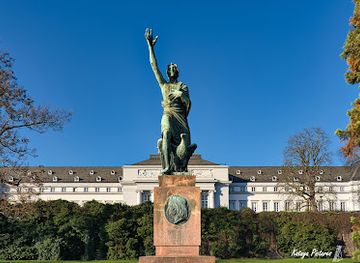
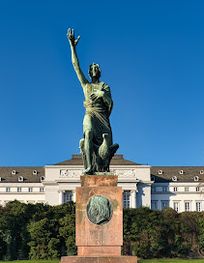
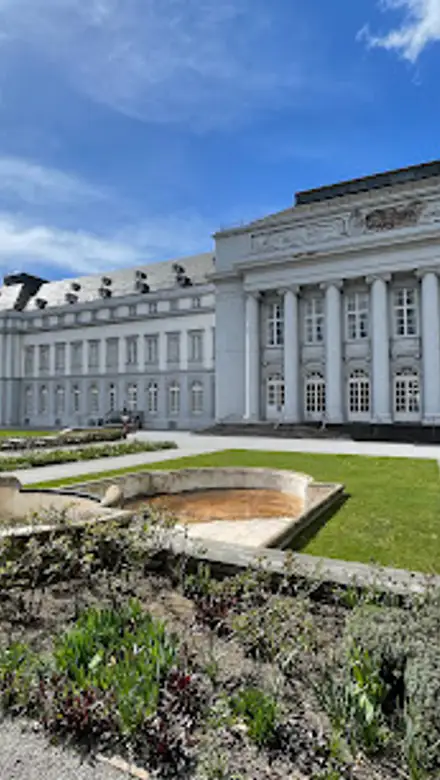
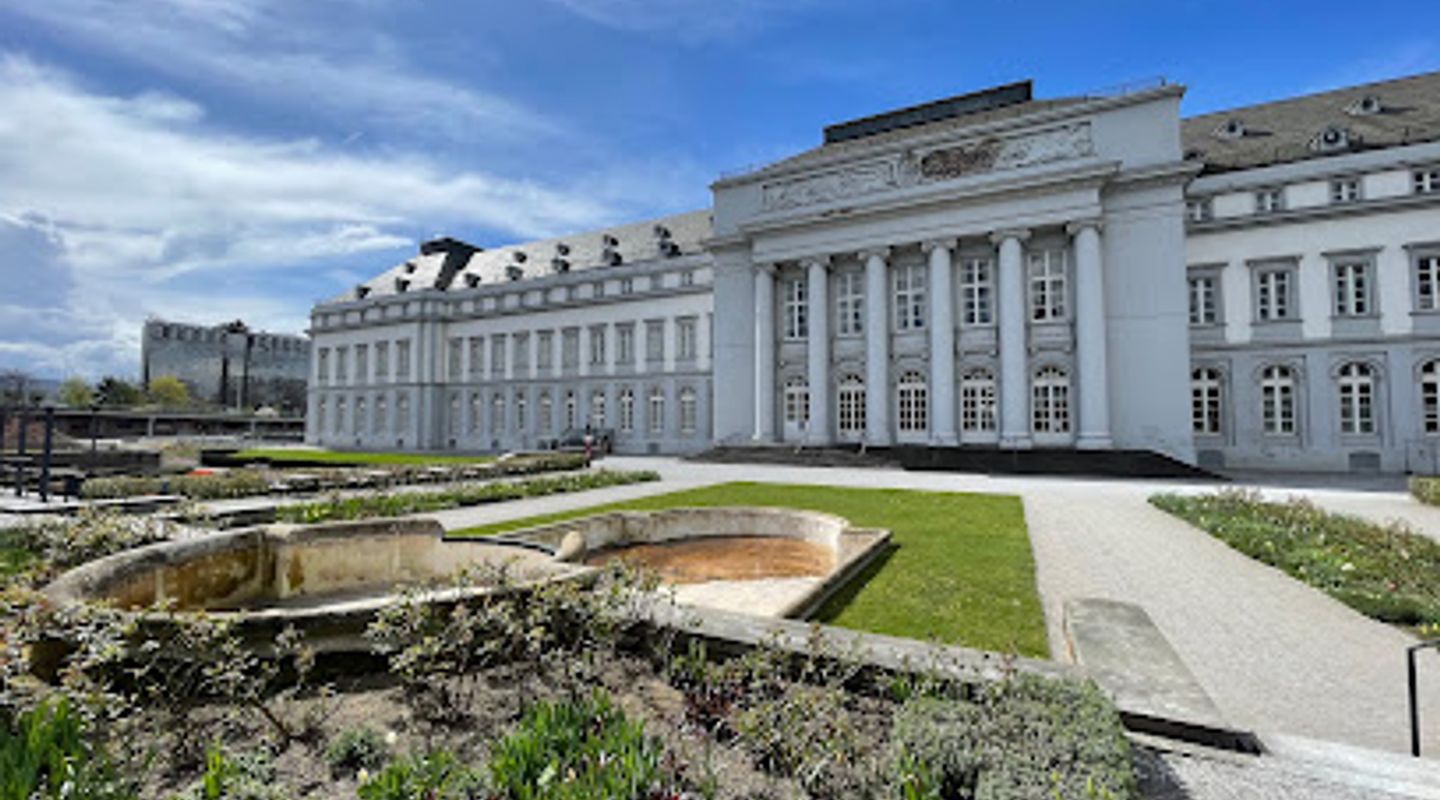
The Electoral Palace in Koblenz, or Kurfürstliches Schloss, stands as a significant example of early French neoclassical architecture in Germany. Built in the late 18th century as the residence for the last Archbishop and Elector of Trier, Clemens Wenceslaus of Saxony, it later served as the official residence for the Prussian Crown Prince Wilhelm (later Emperor Wilhelm I). Today, the palace houses government offices and serves as a venue for events, seamlessly blending historical significance with modern functionality. Its location along the Rhine River, coupled with its architectural grandeur and historical importance, makes it a must-see attraction for visitors to Koblenz. The palace is surrounded by beautiful gardens and offers stunning views of the Rhine, providing a serene escape within the city. Explore the palace's rich history and admire its elegant design, a testament to the region's cultural heritage. The palace is part of the Rhine Gorge UNESCO World Heritage Site.

A brief summary to Schloss Koblenz

Local tips

  • Explore the palace gardens for free and enjoy scenic views of the Rhine and Moselle rivers.
  • Check the event calendar for concerts, exhibitions, and other cultural events held at the palace.
  • Visit the palace during the warmer months to fully appreciate the beauty of the surrounding gardens.
  • Combine your visit with a walk along the Rhine promenade, easily accessible from the palace.
  • Take a guided tour to learn more about the palace's history and architectural significance.
widget icon

Getting There

  • Walking

    From Koblenz city center (e.g., near the Forum Confluentes or Hauptbahnhof), the Electoral Palace is a pleasant 15-20 minute walk. Head north along the Rhine promenade, following signs for 'Kurfürstliches Schloss'. The palace will be visible on your left. No costs involved.

  • Public Transport

    Several bus lines stop near the Electoral Palace. From Koblenz Hauptbahnhof, take bus lines 1, 8, or 9 towards 'Schloss'. The ride is approximately 5-10 minutes. A single ticket costs around €3.00. From the bus stop, it's a short walk to the palace entrance.

  • Taxi/Ride-Share

    A taxi or ride-share from Koblenz Hauptbahnhof to the Electoral Palace takes approximately 5-10 minutes, depending on traffic. The estimated fare is between €8-€12. The drop-off point is directly in front of the palace.

  • Driving

    If driving, several parking garages are located near the Electoral Palace, including 'Parkhaus Schloss' and 'Tiefgarage am Theater'. Hourly parking rates range from €1.50 to €2.00. From the parking garages, it's a short walk to the palace. Be aware that street parking is limited in the city center.

Unlock the Best of Schloss Koblenz

Buy tickets

    No tickets available

Book tours with entry

    No tours available

Book tours without entry

    No tours available

Discover more about Schloss Koblenz

The Electoral Palace in Koblenz, a striking example of neoclassical architecture, holds a prominent place in the city's history and landscape. Constructed between 1777 and 1793, it served as the residence of Clemens Wenceslaus, the last Archbishop and Elector of Trier, marking a shift from the traditional Schloss Philippsburg across the Rhine. The palace's design, initially conceived by Parisian architect Pierre Michel d'Ixnard, reflects the elegance and restraint of French neoclassicism, a departure from the baroque styles that previously dominated the region. Clemens Wenceslaus, a member of the Saxon-Polish royal family, sought a residence befitting his status, leading to the construction of this grand palace. However, the estates were initially reluctant to fund the project, agreeing only after considerable debate. The palace was built in Neustadt, a new section of Koblenz, symbolizing a fresh start and a modern outlook. The palace's construction marked a significant moment in Koblenz's architectural history, ushering in a new era of design influence. The palace consists of a rectangular main building, running parallel to the Rhine, and two semi-circular wings that extend towards the city, creating a large forecourt. The main building's facade is characterized by its horizontal articulation, with five of its 39 axes emphasized by projecting bays. A portico with eight columns graces the city-facing facade, while the river side features a central bay with six columns, topped by a relief by sculptor Sebastian Pfaff, depicting allegories of the Rhine and Mosel rivers. These architectural details underscore the palace's grandeur and its connection to the surrounding landscape. However, the palace's history took a dramatic turn with the advent of the French Revolution. In 1794, the French army approached Koblenz, causing Clemens Wenceslaus to flee. The palace was subsequently occupied by the French, and later by the Prussians, marking the beginning of a period of changing ownership and usage. Despite the upheaval, the palace remained a significant landmark, witnessing the shifting tides of European history. In the mid-19th century, the palace became the official residence of the Prussian Crown Prince Wilhelm, later Emperor Wilhelm I, during his tenure as military governor of the Rhine Province and Westphalia. From 1842 to 1845, the interior was redesigned by Johann Claudius von Lassaulx, based on designs by Friedrich August Stüler, to accommodate the royal family. These renovations added a new layer to the palace's history, reflecting the tastes and preferences of the Prussian monarchy. During this period, the belvedere of the southern wing housed a station of the Prussian semaphore line, connecting Berlin, Cologne, and Koblenz. This technological addition highlights the palace's role in the communication networks of the time. From 1850 to 1858, Prince Wilhelm and his wife Augusta resided in the palace, further cementing its status as a center of power and influence. Augusta, in particular, left a lasting mark on Koblenz, commissioning Peter Joseph Lenné to design the Rhine promenade, later named Kaiserin Augusta Anlagen in her honor. Her annual visits to the palace and the city, which she affectionately called her "Rhenish Potsdam," underscored her deep connection to the region. The Second World War brought devastation to the Electoral Palace. In 1944, the palace was completely burned down during an air raid. However, the main building was reconstructed in 1950/51, faithfully replicating its exterior appearance. The side wings, however, underwent significant transformations, reflecting the architectural sensibilities of the post-war era. Today, the Electoral Palace houses various offices of the federal government, blending its historical significance with modern administrative functions. The palace also serves as a venue for events, hosting concerts, exhibitions, and conferences, ensuring its continued relevance in the cultural life of Koblenz. The palace's extensive gardens, meticulously maintained, provide a tranquil oasis for visitors, offering stunning views of the Rhine and the surrounding landscape. The Electoral Palace stands as a testament to Koblenz's rich history, its architectural grandeur, and its enduring connection to the Rhine River. Its neoclassical design, its role in Prussian history, and its modern-day functions make it a compelling destination for tourists and locals alike. A visit to the Electoral Palace is a journey through time, offering insights into the region's political, cultural, and architectural evolution. The palace is also part of the Rhine Gorge UNESCO World Heritage Site, further solidifying its importance as a cultural landmark. Explore the palace's opulent rooms, stroll through its picturesque gardens, and immerse yourself in the history of this remarkable site. The Electoral Palace is more than just a building; it is a symbol of Koblenz's past, present, and future.

Popular Experiences near Schloss Koblenz

Popular Hotels near Schloss Koblenz

Select Currency