

Kaisertor, Lubeck Travel Guide
Free Guide: Discover the Kaisertor in Lübeck: a hidden gem offering a tranquil escape into the city's medieval past within the peaceful Wallanlagen, complete with a charming water playground.


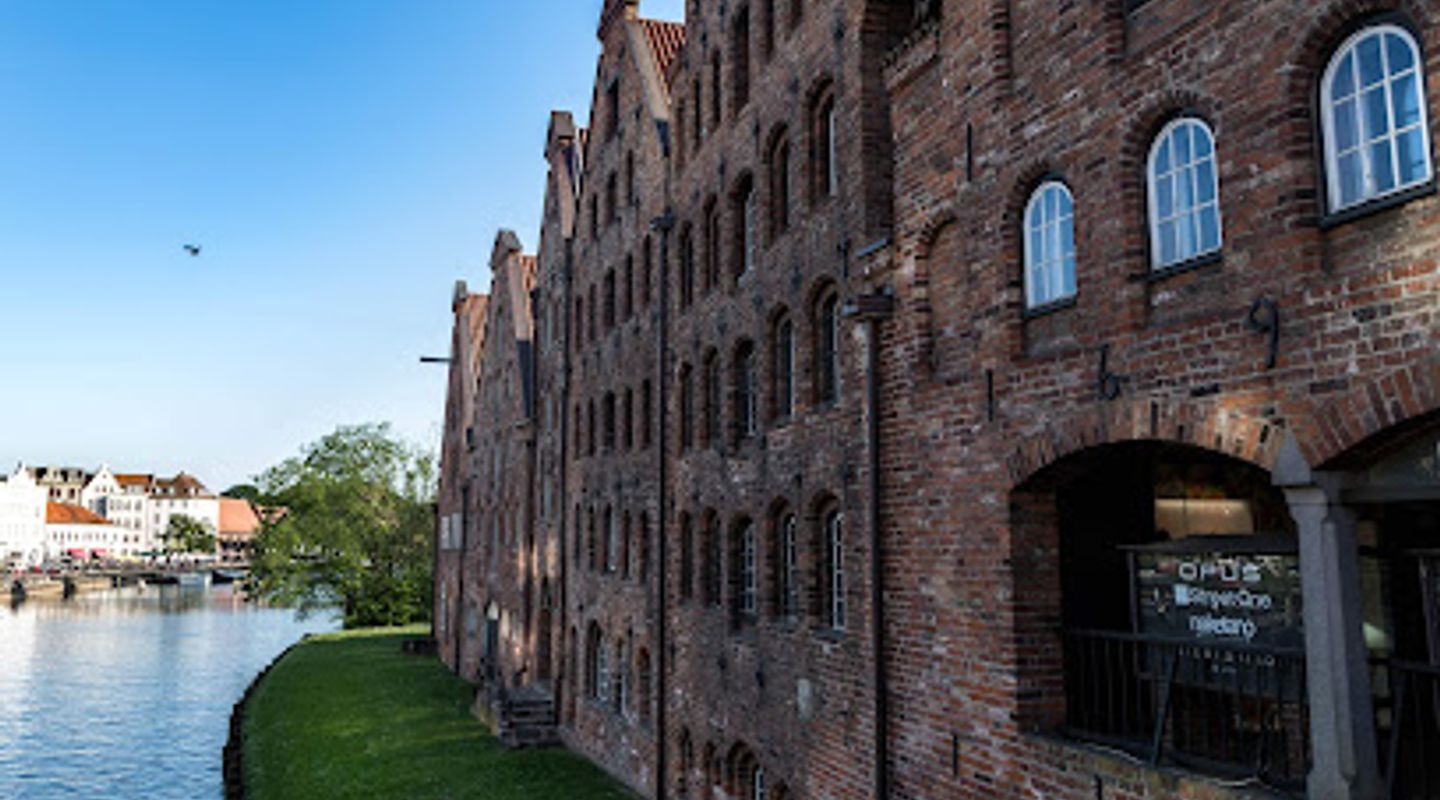
A brief summary of Kaisertor
Discover the Kaisertor in Lübeck: a hidden gem offering a tranquil escape into the city's medieval past within the peaceful Wallanlagen, complete with a charming water playground.
The Kaisertor, or Emperor's Gate, in Lübeck, is a historical landmark offering a glimpse into the city's medieval past. Originally built around 1300 as a defensive tower, it protected the Mühlendamm. Though somewhat hidden within the city's green ramparts, it holds a unique charm. The gate was walled up around 1500 and later partially torn down in the 17th century. Its upper floor was rebuilt in the 19th century when the Elbe-Lübeck Canal was constructed and the gate was reopened in 1899. Today, the Kaisertor stands as a reminder of Lübeck's strategic importance and resilience, inviting visitors to explore its intriguing history and enjoy the surrounding parkland. Despite being lesser-known than other city gates, its historical significance and peaceful setting make it a worthwhile visit. A nearby water playground adds to its appeal for families.
Opening hours
- Every dayOpen 24 hours
Opening hours as listed on the venue’s Google Business Profile. Hours can change for services and special events, so check with the venue before you go.
- Address
- Wallstraße 40, 23552 Lübeck
- Website
Getting there
Walking
Public Transport
Taxi/Ride-Share
Parking
Discover more about Kaisertor
Overview
The Kaisertor, often overlooked by visitors rushing to see the more famous Holstentor, offers a quieter, more contemplative experience of Lübeck's rich history. Nestled within the green embrace of the Wallanlagen, the city's ramparts, this unassuming gate whispers tales of medieval defenses, forgotten bishops, and imperial visits. Originally constructed around 1300, the Kaisertor served as a crucial defensive tower protecting the Mühlendamm, a vital waterway for the city's mills. Its sturdy brickwork formed part of Lübeck's formidable city fortifications, a testament to the city's strategic importance as a Hanseatic League powerhouse. Unlike the Holstentor, which proudly displayed Lübeck's wealth and power, the Kaisertor was a more functional structure, designed for practical defense rather than grand pronouncements. Around 1500, the gate's function diminished, and it was walled up, its passage closed to all but the memories of those who once guarded it. In the 17th century, the tower suffered further indignity, being partially torn down, its stones repurposed for other projects. For centuries, the Kaisertor faded into obscurity, a forgotten relic swallowed by the earth and overgrown with vegetation. The 19th century brought a renewed interest in Lübeck's historical heritage. In 1826, a navigation school was built atop the remaining base of the Kaisertor, giving the structure a new purpose. Then, in 1899, with the construction of the Elbe-Lübeck Canal, the gate was reopened, allowing passage once more. It was during this period, in 1900, that the gate received its current name, Kaisertor, commemorating Kaiser Wilhelm II's visit to inaugurate the canal. This imperial association added a layer of prestige to the once-humble defensive tower. Today, the Kaisertor presents a unique architectural blend. The lower section, constructed of sturdy medieval brick, speaks of its origins as a defensive structure. The upper story, added in the 19th century, reflects a more classical style, a testament to the changing architectural tastes of the time. This juxtaposition of styles creates a fascinating visual narrative, a tangible representation of the gate's long and varied history. Unlike the bustling Holstentor, the Kaisertor offers a tranquil escape. Shrouded by trees and surrounded by parkland, it invites visitors to slow down, breathe deeply, and connect with the past. The Wallanlagen themselves provide a peaceful setting for a stroll, with winding paths, shady benches, and glimpses of the canal. The air is filled with the sounds of birdsong and the gentle rustling of leaves, a welcome respite from the noise and bustle of the city center. Adding to the Kaisertor's appeal, particularly for families, is the presence of a nearby water playground. This playful space offers children a chance to cool off and have fun, while parents can relax and enjoy the scenery. The combination of history and recreation makes the Kaisertor a destination that appeals to all ages. Despite its historical significance, the Kaisertor remains relatively unknown, even to many Lübeck residents. This obscurity adds to its charm, creating a sense of discovery for those who venture off the beaten path. It is a place to escape the crowds, to reflect on the past, and to appreciate the quiet beauty of Lübeck's hidden corners. To truly appreciate the Kaisertor, take the time to explore the surrounding Wallanlagen. Wander along the canal, discover hidden pathways, and imagine what life was like when this gate was a vital part of Lübeck's defenses. Look closely at the brickwork, feel the weight of history in the stones, and listen to the whispers of the past. The Kaisertor may not be the most imposing or the most famous of Lübeck's landmarks, but it is a place of quiet beauty, historical significance, and unexpected charm. It is a reminder that even the most unassuming places can hold profound stories, waiting to be discovered by those who take the time to look. Visiting the Kaisertor is more than just seeing an old gate; it's about experiencing a different side of Lübeck, a side that is both peaceful and profound. It's about connecting with the city's history on a personal level, away from the crowds and the noise. It's about discovering a hidden gem and appreciating the beauty of the unexpected. So, the next time you find yourself in Lübeck, take a detour from the well-trodden path and seek out the Kaisertor. You may be surprised by what you find.
Evendo Review Centre
 Google
Guest reviews
Explore Kaisertor on the map
A handpicked selection of must-see spots near Kaisertor, mapped for you.
Get your free copy of our complete guide to Kaisertor, delivered straight to you.
Everything on this page, from opening hours and how to get there to Eve’s tips and the best time to go, in one PDF you can read offline, print or share.
Already have an account? Sign in
Your Kaisertor guide is ready.
We'll send it to · Not you? Sign out

Getting your guide ready…
We are putting together a fresh copy of the Kaisertor guide. This can take up to a minute.
This can take a few moments. If your browser asks, choose Allow so the download can start. You'll find the guide in your Downloads folder.
Nothing happened? Download it again
Sorry, the guide is taking longer than usual. Please try again in a minute, or get it by email instead.
Other nearby places you may find interesting
The closest places of the same kind, if this one is not quite what you had in mind.
-

-
-
-
-


Swipe for more places
More to explore near Kaisertor

 Best experiences near Kaisertor
 Best hotels near Kaisertor
 Best landmarks near Kaisertor
 Best attractions near Kaisertor
 Best shops near Kaisertor
 Best restaurants near Kaisertor
 Best bars near Kaisertor
Do you manage this location?
Take control to get all the benefits, like improved information, better appearance, and stronger visibility across AI-powered discovery.
Explore more

Explore more of Lubeck
Discover Lübeck, the Queen of the Hanseatic League, with its medieval charm, rich history, and delicious marzipan treats. A perfect blend of past and present awaits you.
Explore Lubeck
Explore more of Germany
Experience Germany: where history meets innovation, and urban energy blends with natural beauty. Discover diverse cultures, delicious cuisine, and stunning landscapes.
Explore Germany
