Lübeck Cathedral, Lubeck Travel Guide
Free Guide: Explore Lübeck Cathedral, a historic landmark showcasing stunning Gothic architecture, priceless art, and a resilient spirit in the heart of Lübeck's UNESCO-listed Old Town, offering a serene and enriching experience.


A brief summary of Lübeck Cathedral
Explore Lübeck Cathedral, a historic landmark showcasing stunning Gothic architecture, priceless art, and a resilient spirit in the heart of Lübeck's UNESCO-listed Old Town, offering a serene and enriching experience.
Lübeck Cathedral, or Lübecker Dom, is a magnificent Lutheran cathedral that stands as a powerful symbol of Lübeck's history and resilience. Founded in 1173 by Henry the Lion, it showcases a blend of Romanesque and Gothic architectural styles. Severely damaged during World War II, the cathedral has been meticulously restored, housing invaluable art treasures such as Bernt Notke's Triumphal Cross. Visitors can explore its awe-inspiring interior, attend services, and appreciate the rich musical heritage fostered within its walls. Located on the southern edge of Lübeck's Old Town, a UNESCO World Heritage site, the cathedral is easily accessible and offers a serene escape, inviting contemplation and reflection amidst its stunning architecture and historical significance. A visit promises an enriching experience, connecting you to centuries of faith, art, and the enduring spirit of Lübeck.
Opening hours
- Every day10 am–4 pm
Opening hours as listed on the venue’s Google Business Profile. Hours can change for services and special events, so check with the venue before you go.
- Address
- Mühlendamm 2-6, 23552 Lübeck
- Phone
- Website
Getting there
Walking
Public Transport
Taxi/Ride-Share
Driving
Discover more about Lübeck Cathedral
Overview
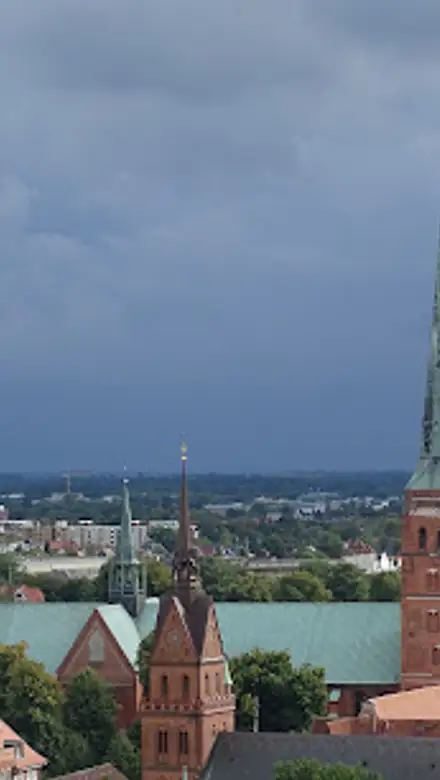
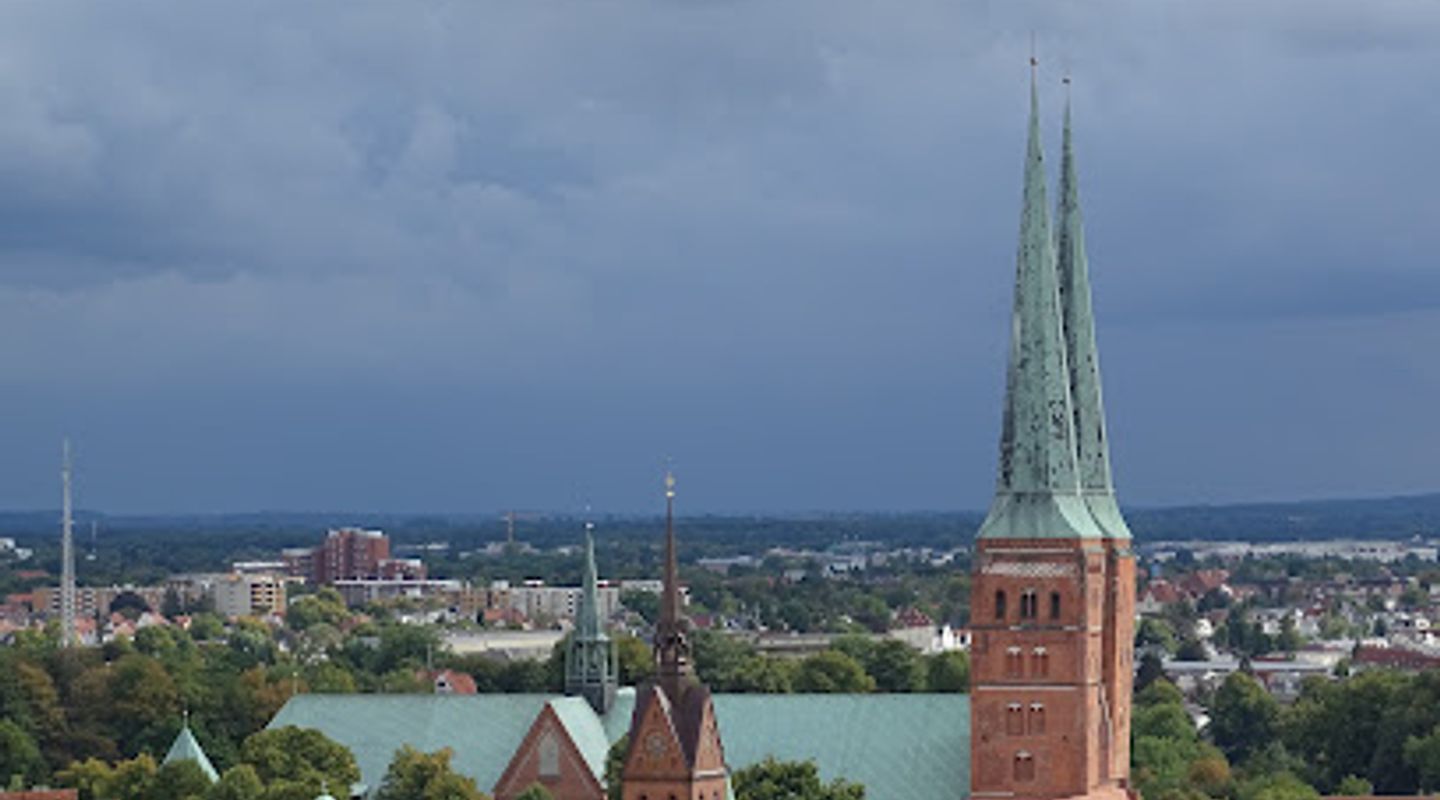
Lübeck Cathedral, known locally as Lübecker Dom, is more than just a religious building; it's a living chronicle of Lübeck's evolution, bearing witness to its triumphs and tragedies. Founded in 1173 by Henry the Lion, Duke of Saxony, the cathedral was established to serve as the seat of the Bishop of Lübeck, marking a significant moment in the city's religious and political landscape. Originally conceived in the Romanesque style, reflecting the architectural preferences of the time, the cathedral underwent a dramatic transformation between 1266 and 1335, embracing the emerging Gothic style that would define its character for centuries to come. The cathedral's imposing twin spires, reaching a height of 125 meters, dominate the Lübeck skyline, creating an unforgettable visual landmark. These spires, adorned with intricate brickwork and decorative elements, exemplify the craftsmanship of the Gothic era. The sheer scale of the cathedral is breathtaking, a testament to the ambition and skill of its builders. Inside, soaring vaulted ceilings, pointed arches, and expansive stained-glass windows create a mesmerizing interplay of light and color, evoking a sense of reverence and awe. Throughout its history, Lübeck Cathedral has been a repository of artistic treasures. The 17-meter-high Triumphal Cross by Bernt Notke, commissioned in 1477, stands as a masterpiece of late medieval art. The carvings adorning the rood screen are also attributed to Notke, further solidifying the cathedral's status as a center for artistic innovation. While the famous altar by Hans Memling now resides in Lübeck's St. Annen Museum, the cathedral continues to house notable polyptychs and Baroque-era memorials by the Flemish sculptor Thomas Quellinus, enriching the visitor experience. The cathedral's story took a devastating turn during World War II. On Palm Sunday in 1942, a British Royal Air Force bombing raid inflicted severe damage on Lübeck's historic center, with the cathedral bearing the brunt of the attack. The eastern vault collapsed, destroying the altar built in 1696, and fire engulfed the building, consuming the Arp Schnitger organ. Reconstruction efforts commenced in 1960, prioritizing the restoration of St. Mary's Church before focusing on the cathedral. The new consecration of the restored cathedral took place in 1973, marking a triumph of preservation and renewal. Today, Lübeck Cathedral stands as a symbol of hope and resilience. The meticulous restoration has revived its architectural grandeur and allowed its artistic treasures to shine once more. Visitors can explore the cathedral's interior, marveling at the soaring nave, the intricate details of the rood screen, and the vibrant colors of the stained-glass windows. The cathedral also serves as a concert hall, hosting a diverse range of musical performances that showcase its exceptional acoustics. The sounds of the Marcussen organ and the Italian Baroque organ fill the space, creating an immersive and unforgettable experience. Beyond its artistic and architectural significance, Lübeck Cathedral remains an active place of worship. Regular services are held, providing a space for reflection and spiritual connection. The cathedral also plays a vital role in the community, hosting events and initiatives that promote social justice and interfaith dialogue. A visit to Lübeck Cathedral is an opportunity to connect with the city's history, appreciate its artistic heritage, and experience the enduring power of faith. Whether you are drawn to its architectural splendor, its artistic treasures, or its spiritual atmosphere, Lübeck Cathedral offers a profound and enriching experience that will leave a lasting impression. Located on the southern edge of Lübeck's Old Town, a UNESCO World Heritage site, the cathedral is easily accessible and offers a serene escape, inviting contemplation and reflection amidst its stunning architecture and historical significance. A visit promises an enriching experience, connecting you to centuries of faith, art, and the enduring spirit of Lübeck. The cathedral is the first church in Lübeck to be represented with an audio guide on the church app - an offer from the Protestant Church in Germany. Download the church app; NDR has dedicated a short special to Bernt Notke's triumphal cross. We also report on the cathedral in our cultural magazine Lübeck ZWISCHENZEILEN.
Evendo Review Centre
 Google
Guest reviews
Explore Lübeck Cathedral on the map
A handpicked selection of must-see spots near Lübeck Cathedral, mapped for you.
Get your free copy of our complete guide to Lübeck Cathedral, delivered straight to you.
Everything on this page, from opening hours and how to get there to Eve’s tips and the best time to go, in one PDF you can read offline, print or share.
Already have an account? Sign in
Your Lübeck Cathedral guide is ready.
We'll send it to · Not you? Sign out

Getting your guide ready…
We are putting together a fresh copy of the Lübeck Cathedral guide. This can take up to a minute.
This can take a few moments. If your browser asks, choose Allow so the download can start. You'll find the guide in your Downloads folder.
Nothing happened? Download it again
Sorry, the guide is taking longer than usual. Please try again in a minute, or get it by email instead.
Unlock the best of Lübeck Cathedral
Skip-the-line tickets, guided tours with entry, and walking tours of the area, booked in a few clicks.
 Tour with entry
Lubeck: Discover UNESCO Landmarks & Hanseatic Heritage
from $319.78 Tour with entry
Lübeck: Old Town Highlights Private Walking Tour
from $327.35 Tour with entry
Private Tour of the Holstentor Museum and Historic Lubeck
from $373.07 Tour with entry
Private Tour of the Historic Churches in Lubeck
from $391.30


Other nearby places you may find interesting
The closest places of the same kind, if this one is not quite what you had in mind.
-

-
-
-
-


Swipe for more places
More to explore near Lübeck Cathedral

 Best experiences near Lübeck Cathedral
 Best hotels near Lübeck Cathedral
 Best landmarks near Lübeck Cathedral
 Best attractions near Lübeck Cathedral
 Best shops near Lübeck Cathedral
 Best restaurants near Lübeck Cathedral
 Best bars near Lübeck Cathedral
Do you manage this location?
Take control to get all the benefits, like improved information, better appearance, and stronger visibility across AI-powered discovery.
Explore more

Explore more of Lubeck
Discover Lübeck, the Queen of the Hanseatic League, with its medieval charm, rich history, and delicious marzipan treats. A perfect blend of past and present awaits you.
Explore Lubeck
Explore more of Germany
Experience Germany: where history meets innovation, and urban energy blends with natural beauty. Discover diverse cultures, delicious cuisine, and stunning landscapes.
Explore Germany