The Rathaus-Glockenspiel: Munich's Animated Marvel
Experience Munich's enchanting Rathaus-Glockenspiel: a historic mechanical clock in Marienplatz, offering free daily performances that celebrate Bavarian culture and heritage.
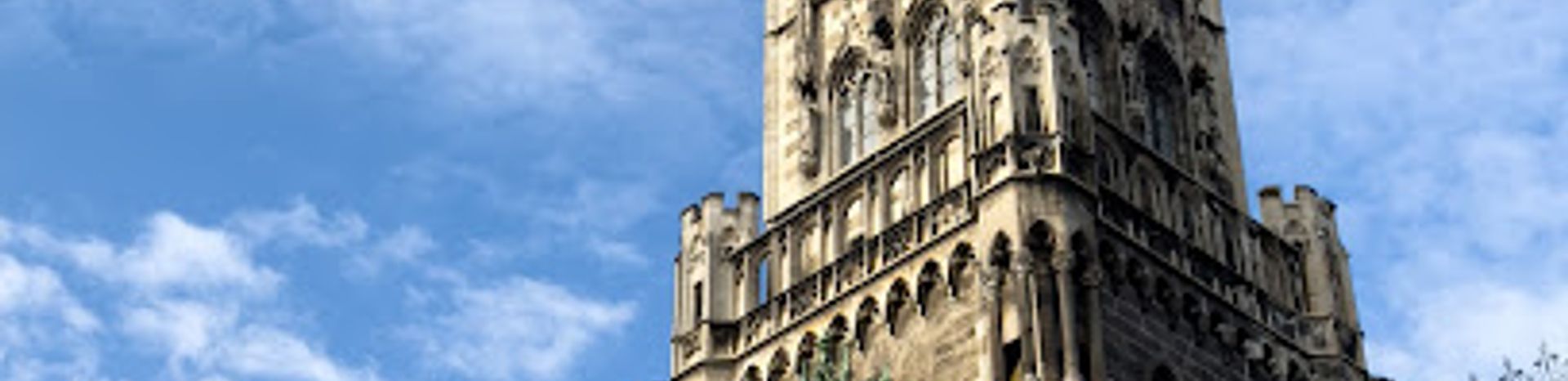
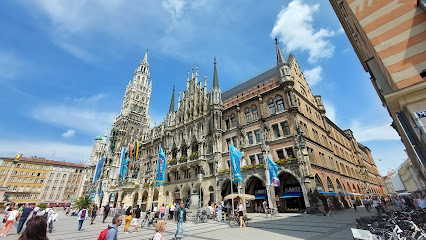
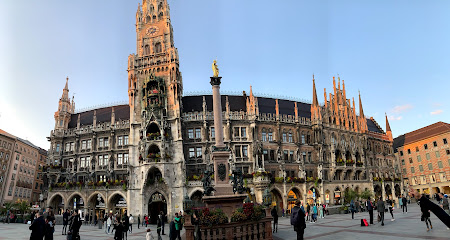
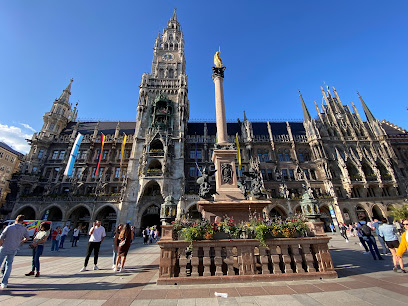
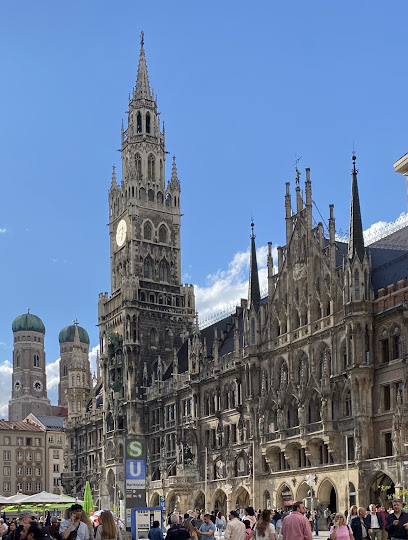
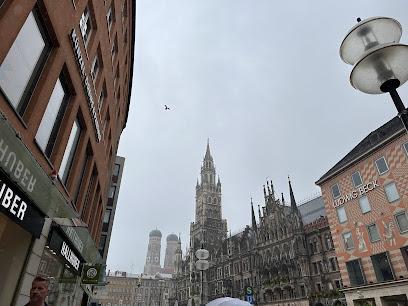
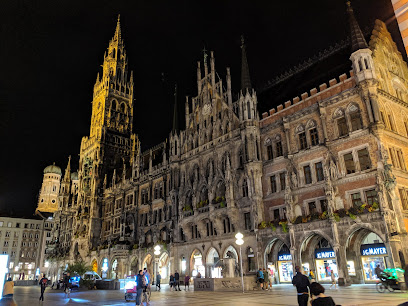
The Rathaus-Glockenspiel, a captivating mechanical clock in Munich's Marienplatz, has been enchanting visitors since 1908. Housed in the New Town Hall, this elaborate carillon features 43 bells and 32 life-sized figures that re-enact two significant events from Munich's history. The upper level depicts the wedding of Duke Wilhelm V and Renata of Lorraine in 1568, complete with a jousting tournament. Below, the Schäfflertanz (coopers' dance) commemorates the end of the 1517 plague, with dancers bringing cheer to the streets. The performance, lasting about 15 minutes, is a delightful spectacle of Bavarian tradition and craftsmanship, drawing crowds daily to witness this free and unforgettable show. A small golden rooster chirps three times at the end of the show.
A brief summary to Rathaus-Glockenspiel
- Marienplatz 8, Munich, Altstadt-Lehel, 80331, DE
- +498923300155
- Visit website
Local tips
- Arrive early to Marienplatz to secure a good viewing spot, as the Glockenspiel performances draw large crowds, especially during peak tourist season.
- Check the Glockenspiel's monthly schedule to see which songs and musical pieces will be featured during your visit, adding a unique touch to each performance.
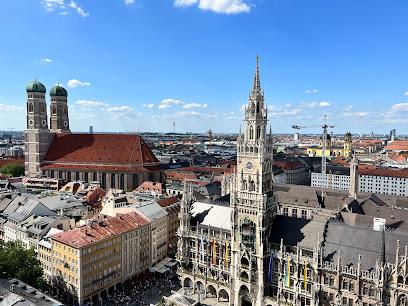
- Combine your visit to the Glockenspiel with a tour of the New Town Hall to admire its neo-Gothic architecture and enjoy panoramic views of Munich from the tower.

Getting There
-
Public Transport
Marienplatz is easily accessible via Munich's efficient public transport system. Take the U3 or U6 U-Bahn lines or the S1, S2, S3, S4, S6, S7, or S8 S-Bahn lines to Marienplatz station. From the station, the Rathaus-Glockenspiel is a short walk. A single journey ticket within the Munich city zone costs approximately €3.70.
-
Walking
From many central Munich locations, such as Sendlinger Tor or Karlsplatz (Stachus), Marienplatz is easily reachable on foot. Follow the pedestrian zone signs towards the city center. The walk is approximately 10-15 minutes from either location, allowing you to enjoy the city's sights along the way. No costs are involved.
-
Taxi/Ride-Share
A taxi or ride-share from Munich Central Station (Hauptbahnhof) to Marienplatz typically costs between €10 and €15, depending on traffic. The journey usually takes around 10 minutes. Be aware that traffic in the city center can be congested, especially during peak hours.
-
Driving
Driving directly to Marienplatz is not recommended due to it being a pedestrian zone. However, you can park in the Marienplatz Tiefgarage (underground parking garage) at Rindermarkt 16, which is directly adjacent to Marienplatz. Parking fees are approximately €6 per hour or €45 for 24 hours.
Discover more about Rathaus-Glockenspiel
Iconic landmarks you can’t miss

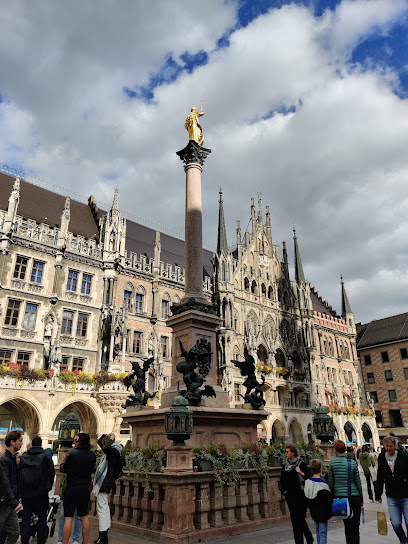
Mariensäule
0.0 km
Experience the heart of Munich at Mariensäule, a stunning baroque monument celebrating the city's history and resilience.
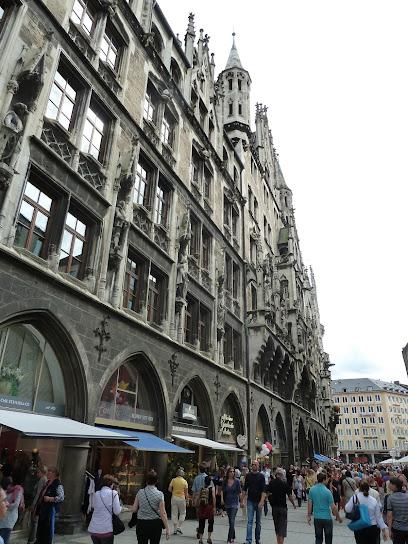
Marienplatz 8
0.1 km
Discover the enchanting Marienplatz in Munich, where history, culture, and vibrant city life converge in a stunning architectural setting.
St. Peter
0.1 km
Discover the historic St. Peter church in Munich, a stunning Baroque masterpiece with breathtaking views and rich cultural significance.
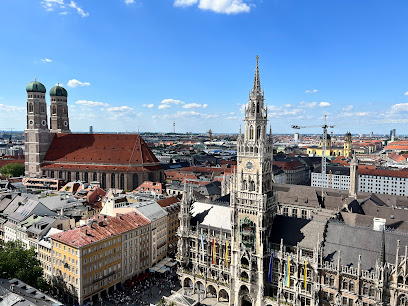
Peterspl.
0.1 km
Discover the charm of Petersplatz in Munich, where history, culture, and local flavors come together in a picturesque setting.
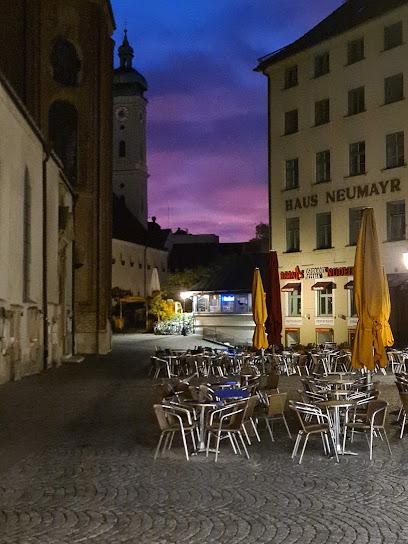
Juliet Capulet Statue
0.2 km
Discover the romantic charm of the Juliet Capulet Statue in the heart of Munich, where history and love come alive.
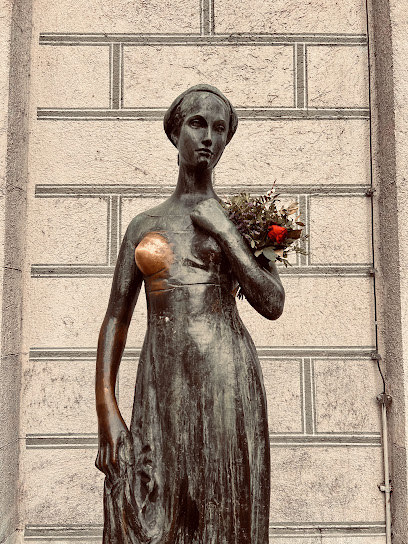
Mozart Plaque
0.2 km
Explore the Mozart Plaque in Munich, a historic landmark celebrating the genius of Wolfgang Amadeus Mozart in the heart of the city.
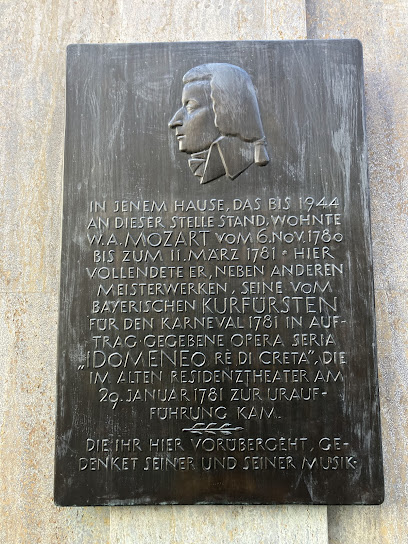
Marienplatz 3
0.2 km
Experience the vibrant atmosphere and rich history of Munich at Marienplatz, the city's iconic central square surrounded by stunning architecture.
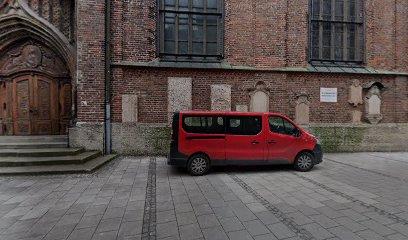
Alter Hof
0.2 km
Discover the historical allure of Alter Hof in Munich, where royal heritage meets vibrant local culture in the heart of the city.
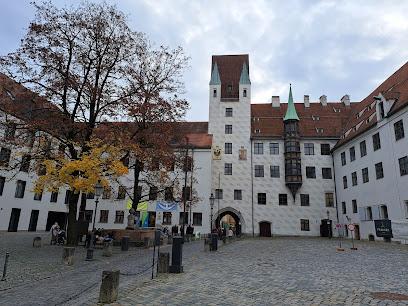
Viktualienmarkt
0.2 km
Explore the heart of Munich at Viktualienmarkt, a vibrant farmers' market filled with fresh produce, gourmet delights, and rich Bavarian culture.
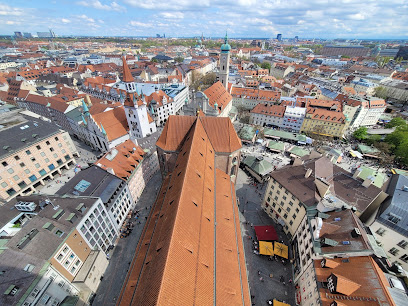
Maibaum viktualienmarkt
0.3 km
Experience the vibrant Maibaum at Viktualienmarkt, a symbol of Bavarian culture in the heart of Munich, offering culinary delights and rich traditions.
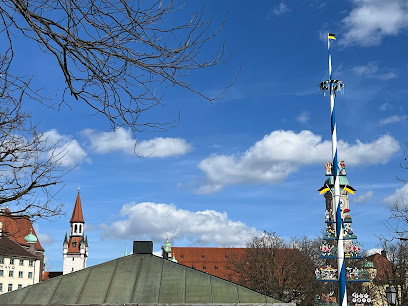
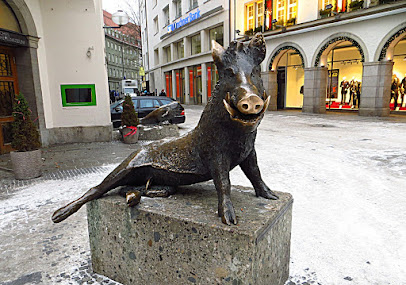
Sitzender Keiler
0.3 km
Explore the cultural heart of Munich with a visit to the iconic Sitting Boar statue, a symbol of the city's rich heritage and artistic craftsmanship.
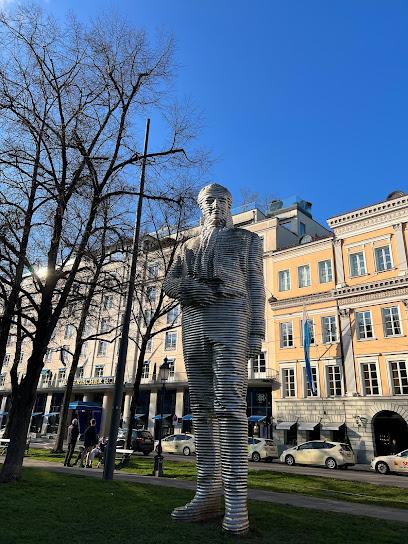
Maximilian-von-Montgelas-Statue
0.3 km
Explore the historical Maximilian-von-Montgelas-Statue in Munich's vibrant Altstadt-Lehel, a tribute to Bavaria's influential statesman.
Hofbräuhaus München
0.3 km
Experience Munich's iconic Hofbräuhaus: a historic beer hall offering traditional Bavarian cuisine, world-famous beer, and a lively atmosphere in the heart of the city.

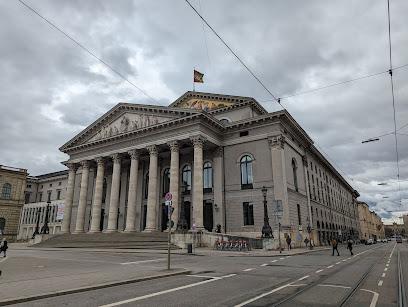
Max-Joseph-Platz
0.4 km
Explore Max-Joseph-Platz in Munich, a cultural gem with stunning architecture, vibrant atmosphere, and a hub for arts and local cuisine.
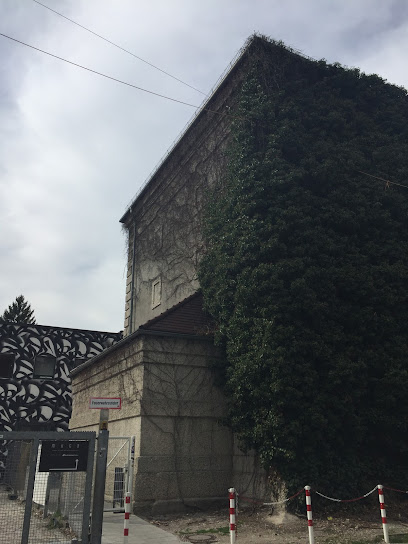
Old Bunker
0.4 km
Explore the Old Bunker in Munich, a historical landmark that reveals the city's resilient past through its intriguing architecture and rich history.
Unmissable attractions to see

Marienplatz
0.0 km
Discover Marienplatz, Munich's iconic square, where history, culture, and Bavarian charm come together in a vibrant atmosphere.
Wurmeck
0.0 km
Discover the historical charm of Wurmeck, a landmark in the heart of Munich's Marienplatz, steeped in culture and architectural beauty.
New Town Hall
0.0 km
Experience the stunning neo-Gothic architecture of Munich's New Town Hall and witness the enchanting Glockenspiel in the bustling Marienplatz.
Fischbrunnen
0.1 km
Discover the enchanting Fischbrunnen, a historic fountain in Munich's Marienplatz, where artistry meets vibrant city life.
München Innenstadt | Munich City
0.1 km
Explore Munich Innenstadt, where history meets modernity in a vibrant city center filled with culture, shopping, and culinary delights.
Mosaik Hl. Onuphrius
0.1 km
Explore the captivating Mosaik Hl. Onuphrius in Munich's Marienplatz, where heritage and artistry meet in a vibrant city center.
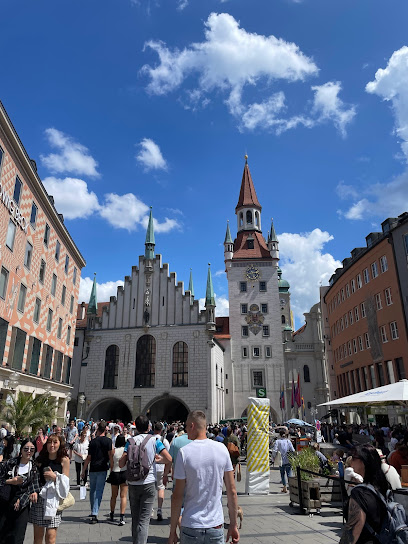
Toy Museum Munich
0.1 km
Explore the Toy Museum in Munich, where nostalgia meets history in a delightful showcase of toys from around the world.
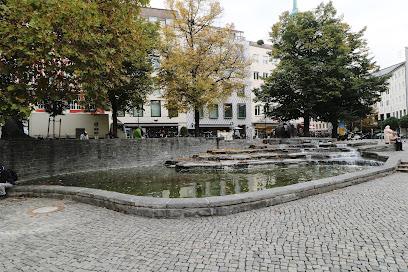
Brunnen Rindermarkt
0.2 km
Discover the vibrant atmosphere of Brunnen Rindermarkt in Munich, where local culture and fresh produce come together in a unique market experience.
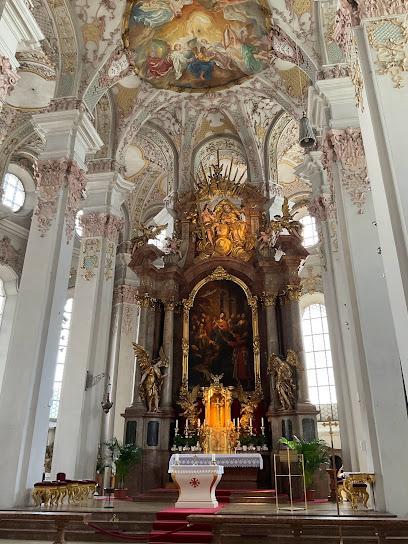
Heilig Geist
0.2 km
Discover the architectural beauty and spiritual serenity of Heilig Geist, a must-visit Catholic church in Munich's historic Altstadt-Lehel district.
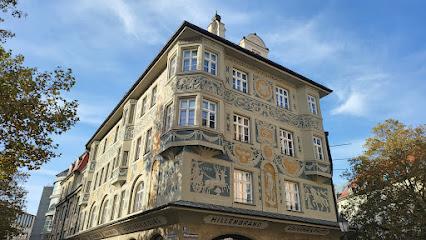
Ruffinihaus
0.2 km
Explore the architectural beauty and historical significance of Ruffinihaus, a must-visit landmark in the heart of Munich's vibrant Altstadt-Lehel district.
Lion's Tower
0.2 km
Explore the iconic Lion's Tower in Munich, a historic landmark that showcases stunning architecture and offers a glimpse into the city's vibrant past.
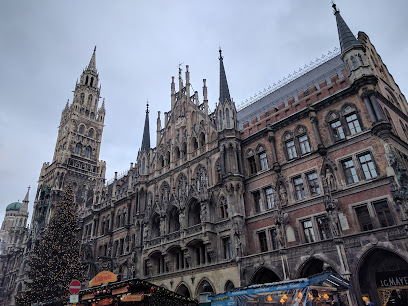
Frauenkirche
0.2 km
Explore the stunning Frauenkirche, Munich's iconic Gothic cathedral, and immerse yourself in its rich history and breathtaking architecture.
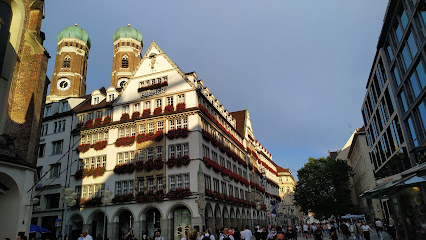
maquette de la ville de Munich
0.2 km
Explore the intricately detailed maquette of Munich, a captivating tourist attraction showcasing the city's architectural beauty and rich history.
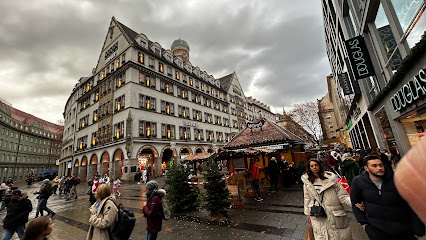
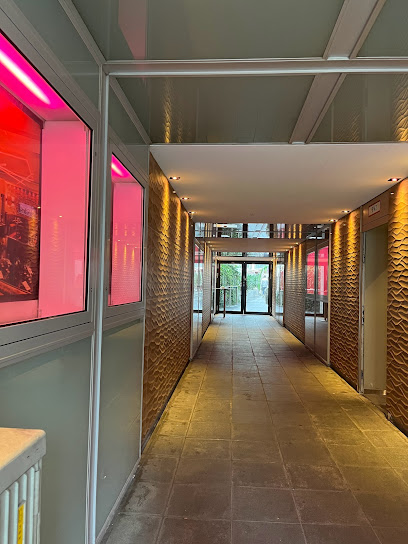
H’ugo’s passage
0.2 km
Discover H’ugo’s Passage in Munich, a charming blend of history, shopping, and delightful Bavarian cuisine nestled in the heart of the city.
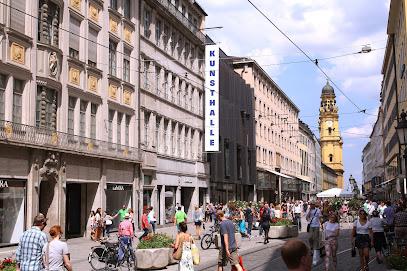
Kunsthalle der Hypo-Kulturstiftung
0.3 km
Explore the dynamic exhibitions at Kunsthalle der Hypo-Kulturstiftung, a cultural highlight in Munich showcasing modern and contemporary art.
Essential places to dine

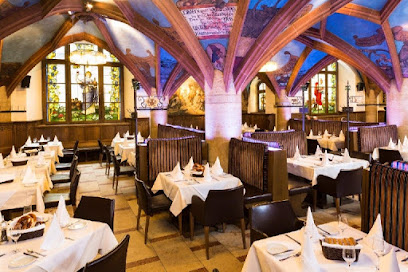
Ratskeller München
0.0 km
Experience authentic Bavarian cuisine at Ratskeller München - a vibrant restaurant in the heart of Munich offering delicious traditional dishes.
DO & CO Restaurant München
0.1 km
Experience exquisite Asian cuisine at DO & CO Restaurant München – where tradition meets modern culinary artistry in an elegant setting.
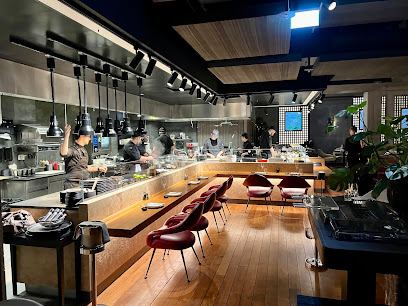
Andechser am Dom
0.2 km
Discover authentic Bavarian cuisine at Andechser am Dom in Munich - a culinary gem serving traditional dishes with local charm.
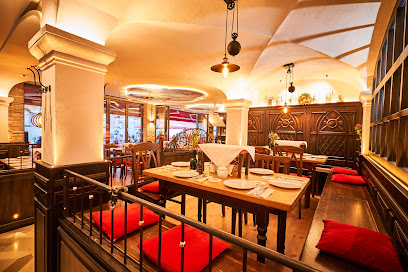
DinnerHopping
0.2 km
Discover DinnerHopping: A Fusion of German and Italian Flavors in the Heart of Munich's Culinary Scene.
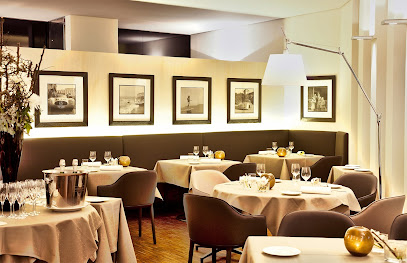
Les Deux
0.2 km
Indulge in exceptional modern French cuisine at Les Deux in Munich - where every dish tells a story.
Hochreiter Gaststättenbetrieb oHG
0.2 km
Savor authentic Bavarian cuisine at Hochreiter Gaststättenbetrieb oHG in Munich's vibrant Viktualienmarkt.
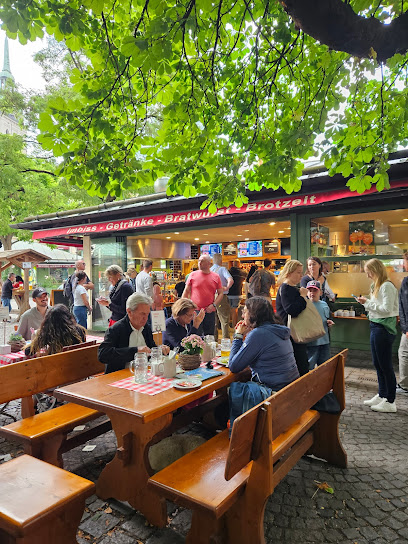
Weisses Bräuhaus im Tal
0.3 km
Discover authentic Bavarian cuisine and vibrant culture at Weisses Bräuhaus im Tal in the heart of Munich.
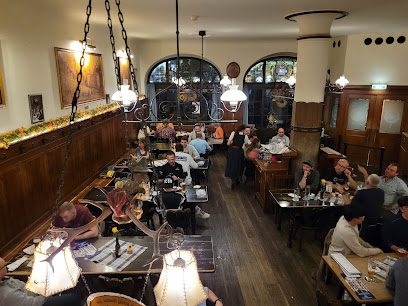
Restaurant Laurin Südtirol
0.3 km
Experience exquisite South Tyrolean cuisine in the heart of Munich at Restaurant Laurin Südtirol - where tradition meets modern gastronomy.
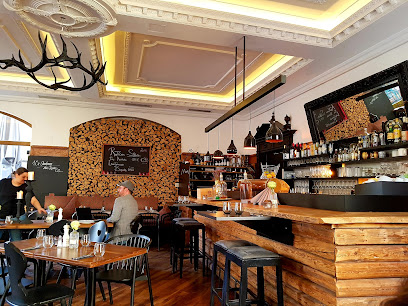
Nordsee
0.3 km
Experience fresh seafood delights at Nordsee in Munich's Viktualienmarkt - where culinary tradition meets modern flavor.
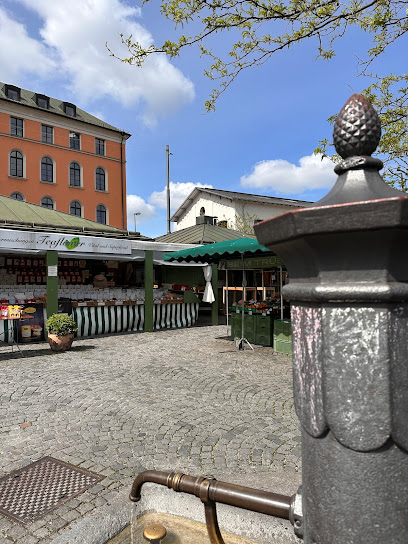
Bratwurstherzl
0.3 km
Experience authentic Bavarian cuisine at Bratwurstherzl in Munich - where tradition meets flavor in every bite.
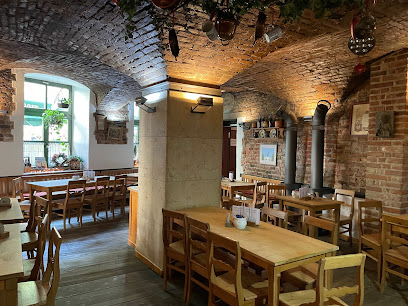
Augustiner Klosterwirt
0.3 km
Discover authentic Bavarian flavors at Augustiner Klosterwirt in Munich—where tradition meets taste in every delightful dish.
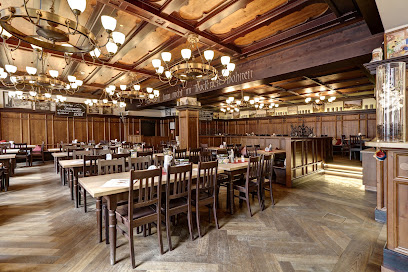
ZWICKL - Gastlichkeit am Viktualienmarkt
0.3 km
Discover authentic Bavarian flavors at Zwickl - a culinary gem near Viktualienmarkt in Munich offering hearty dishes and local brews.
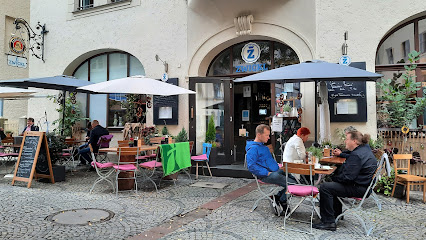
Zum Alten Markt
0.3 km
Experience authentic Bavarian cuisine at Zum Alten Markt in Munich - where tradition meets modern culinary excellence.
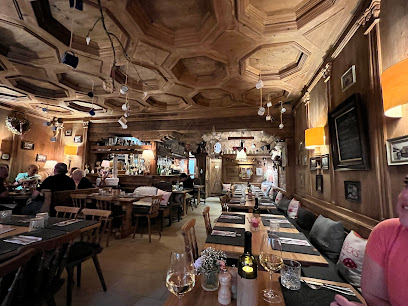
Restaurant Pfistermühle
0.3 km
Discover the perfect blend of traditional German flavors and modern culinary artistry at Munich's esteemed Restaurant Pfistermühle.
Augustiner am Platzl
0.3 km
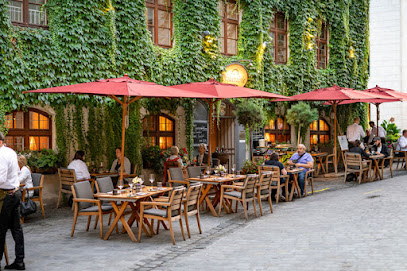
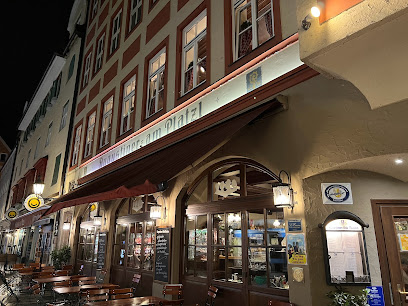
Experience authentic Bavarian cuisine and traditional Augustiner beer at Munich's iconic Augustiner am Platzl restaurant and beer garden.
Markets, malls and hidden boutiques

GALERIA München Marienplatz
0.1 km
Explore GALERIA München Marienplatz, a vibrant department store in the heart of Munich offering a unique shopping experience with local and international brands.
Kunst und Handwerk München
0.2 km
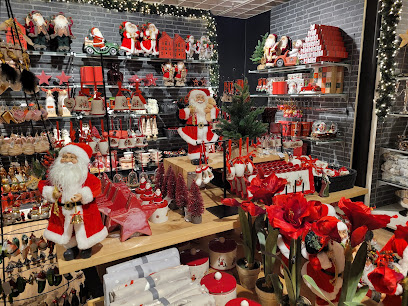
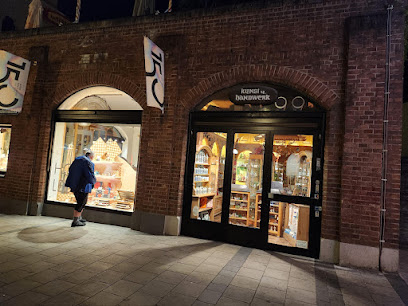
Explore the heart of Munich at Kunst und Handwerk, where unique handcrafted gifts and Bavarian culture come together in a vibrant shopping experience.
Kaufingertor Passage
0.2 km
Experience the heart of Munich at Kaufingertor Passage, where shopping, dining, and culture converge in a vibrant atmosphere.
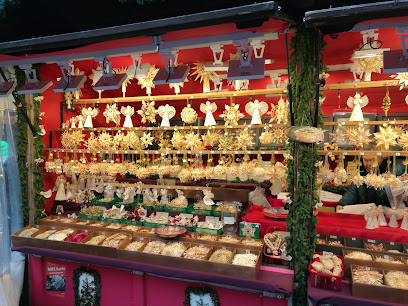
Manufactum Warenhaus
0.2 km
Explore Manufactum Warenhaus in Munich: A unique gift shop and department store offering high-quality German craftsmanship and distinctive souvenirs.
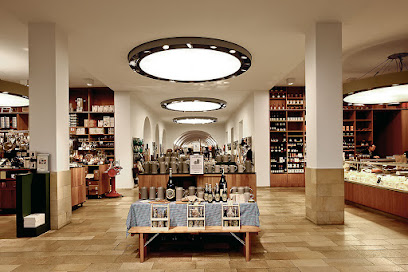
Urban Outfitters
0.2 km
Discover unique fashion and eclectic gifts in Munich at Urban Outfitters, a trendy shopping destination for style enthusiasts.
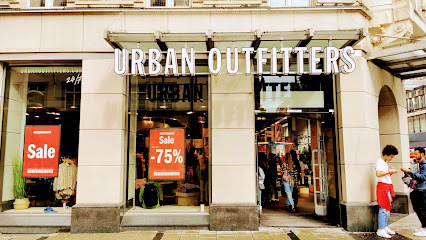
Herzlshop München ( by Malescha GmbH)
0.2 km
Discover unique Bavarian gifts and souvenirs at Herzlshop München, a charming destination in the heart of Munich's Altstadt.
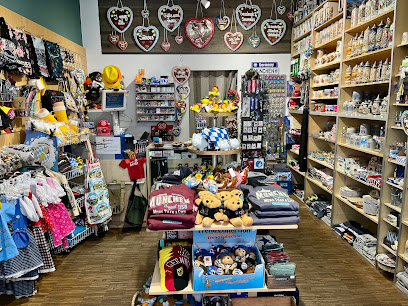
servus.heimat
0.2 km
Explore the heart of Bavarian culture at Servus.heimat, your go-to gift shop for unique souvenirs and local treasures in Munich.
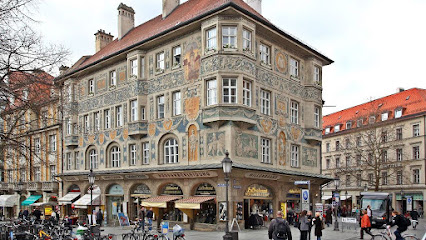
Munich souviner
0.2 km
Explore the heart of Munich at the Munich Souvenir store, where unique treasures await to capture your Bavarian memories.
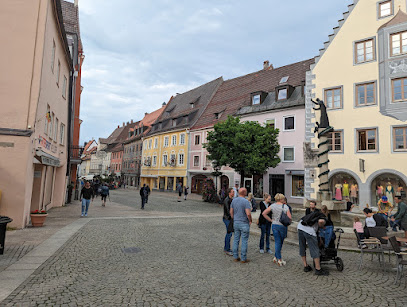
PRADA Munich Store
0.3 km
Discover the elegance and luxury of PRADA Munich, where high fashion meets exceptional craftsmanship in a stunning boutique setting.
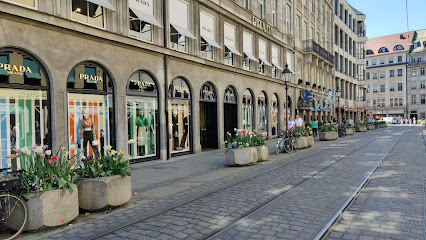
Breuninger
0.3 km
Explore Breuninger in Munich for an unparalleled shopping experience with luxury clothing, shoes, and accessories for all styles.
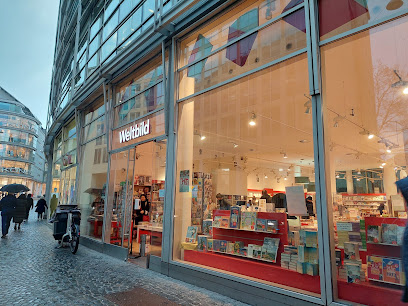
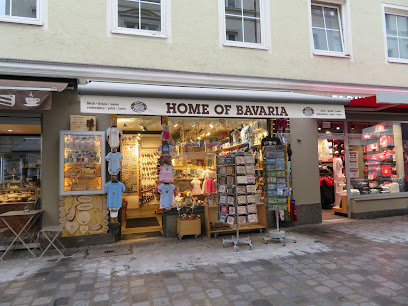
Home of Bavaria
0.3 km
Explore Bavarian culture and find unique souvenirs at the Home of Bavaria, a charming gift shop in the heart of Munich.
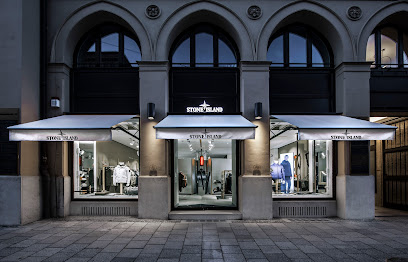
Stone Island
0.3 km
Discover the essence of modern men's fashion at Stone Island in Munich, where style meets function in an iconic shopping experience.
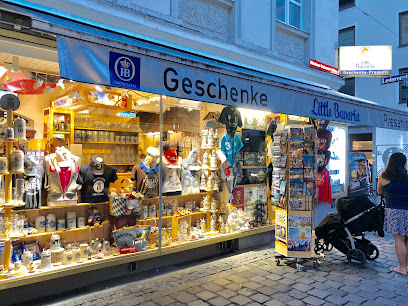
Little Bavaria
0.3 km
Explore the heart of Bavarian culture at Little Bavaria, where unique souvenirs and local craftsmanship come together in Munich's charming souvenir store.
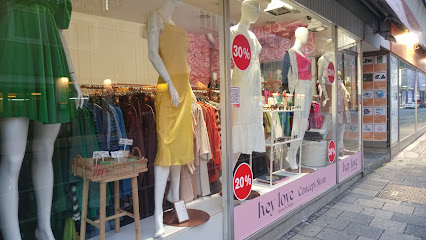
hey love Concept Store
0.3 km
Explore sustainable fashion and unique designs at hey love Concept Store in the heart of Munich for a truly memorable shopping experience.
OBACHT' Der Laden für Heimatgefühl
0.3 km
Discover Bavarian treasures at OBACHT' Der Laden für Heimatgefühl, your go-to gift shop for authentic souvenirs in Munich.
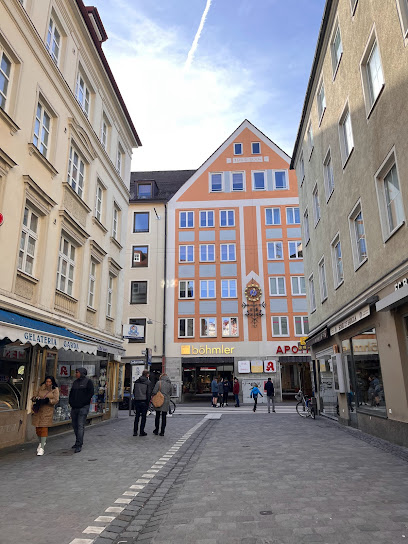
Essential bars & hidden hideouts

The Royal Dolores
0.1 km
Discover the charm of The Royal Dolores, an underground bar in Munich offering a cozy atmosphere, local brews, and a taste of Bavarian culture.
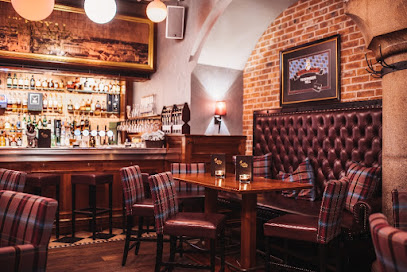
Holy Spirit 1 Bar
0.2 km
Discover the stylish Holy Spirit 1 Bar in Munich, where ambiance meets an exquisite selection of drinks in the heart of the city.
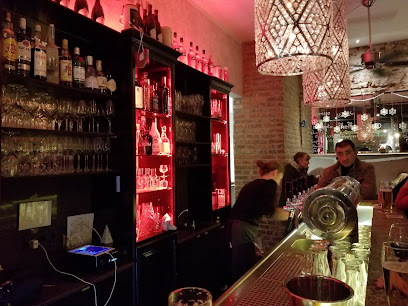
Le Clou - München
0.2 km
Experience Bavarian charm at Le Clou - Munich's cozy pub for drinks, dining, and delightful atmosphere.
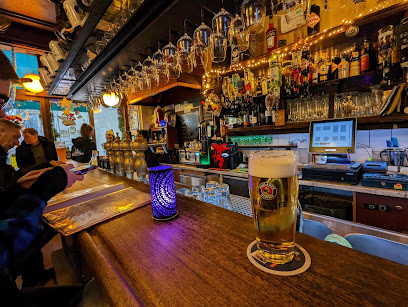
LUX Bar & Restaurant
0.3 km
Experience the finest in dining and nightlife at LUX Bar & Restaurant in Munich, where elegance meets exceptional cuisine.
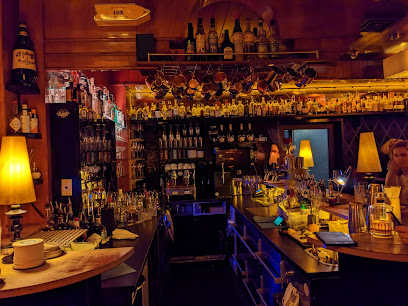
Bar Elf
0.3 km
Discover Bavarian hospitality and flavors at Bar Elf, a lively bar and bistro in Munich's historic Altstadt-Lehel district, perfect for tourists.
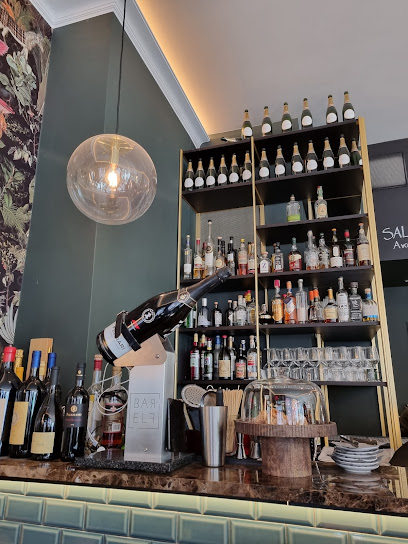
Tabacco
0.3 km
Experience the elegance of Tabacco, Munich's premier cocktail bar, where mixology meets a stylish ambiance in the heart of the city.
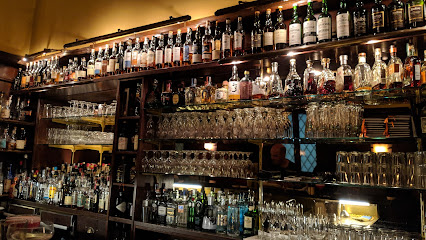
Scholars Lounge Irish Pub - München
0.3 km
Discover the charm of Ireland in Munich at Scholars Lounge Irish Pub, where hearty food and lively atmosphere await you.
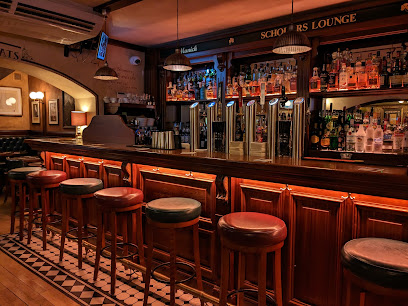
Bar Centrale
0.3 km
Experience authentic Italian cuisine in a warm and inviting setting at Bar Centrale, Munich's charming Italian restaurant and café.
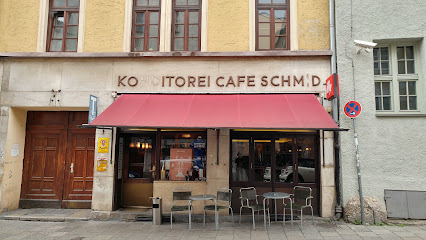
Cole & Porter Bar
0.3 km
Experience the vibrant atmosphere and exquisite cocktails at Cole & Porter Bar, a hidden gem in Munich's Altstadt-Lehel district.
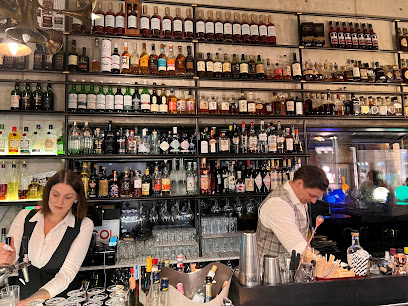
Bar Valentin
0.3 km
Experience the vibrant spirit of Munich at Bar Valentin, a cozy bar offering exquisite cocktails and a welcoming atmosphere in the heart of the city.
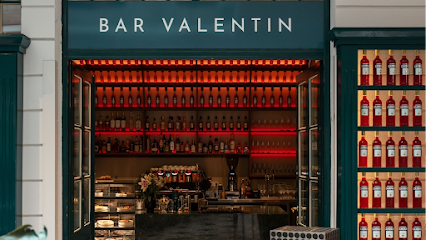
Weinbar Griabig
0.4 km
Experience the Best of Munich's Wine Culture at Weinbar Griabig, Offering Exquisite Wines and Small Plates in a Cozy Atmosphere.
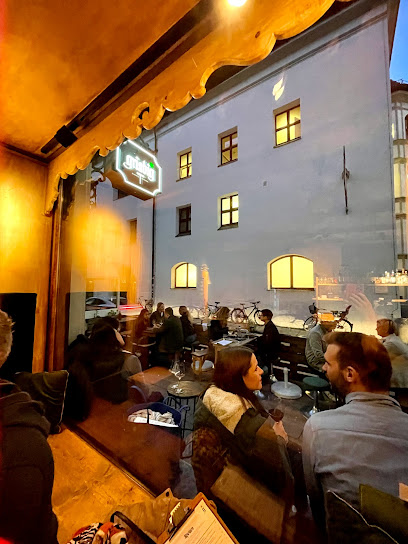
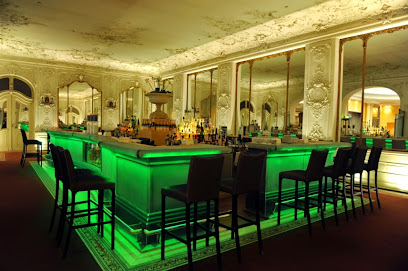
falk's Bar
0.4 km
Discover Munich's elegance at Falk's Bar, where exquisite cocktails meet a sophisticated atmosphere for the perfect evening retreat.
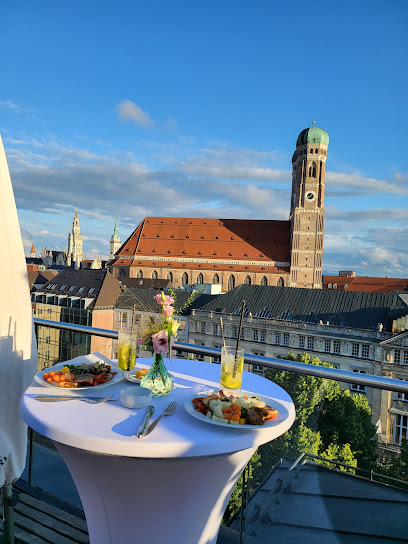
Bayerischer Hof Roof Terrace
0.4 km
Discover the breathtaking views and exquisite grilled flavors at the Bayerischer Hof Roof Terrace in Munich, a true culinary gem in the sky.
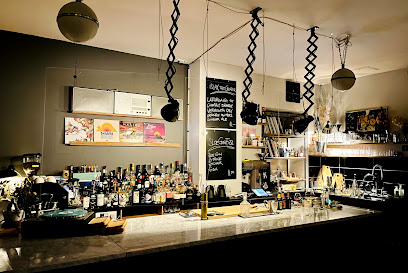
Garçon
0.4 km
Experience the best of Munich at Garçon, a stylish bar and cafe offering exquisite cocktails and a warm atmosphere for all visitors.
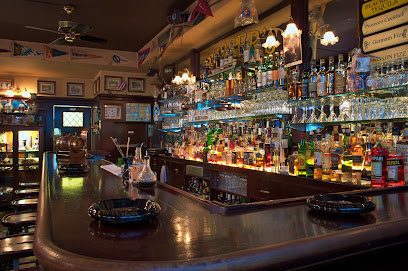
Pusser's
0.4 km
Discover the vibrant nightlife at Pusser's, Munich's premier cocktail bar with live music and an unforgettable atmosphere.
Nightclubs & after hour spots

Paradiso Tanzbar
0.5 km
Experience the vibrant nightlife of Munich at Paradiso Tanzbar, a premier dance club offering unforgettable nights filled with music and energy.
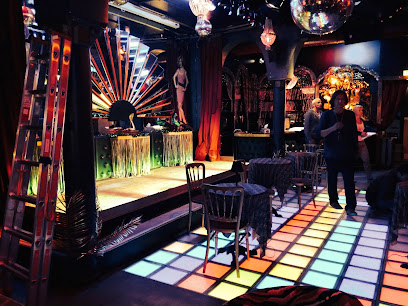
Moj Club
0.5 km
Discover Moj Club, Munich's ultimate nightlife destination, where the rhythms of music and dance create unforgettable memories under the city lights.
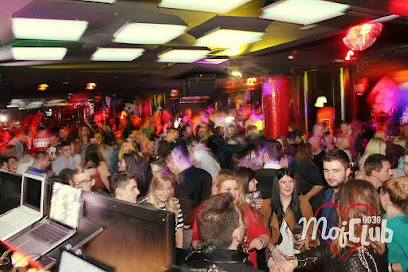
Sweet Club
0.6 km
Immerse yourself in the dynamic nightlife of Munich at Sweet Club, where great music and an electric atmosphere await.
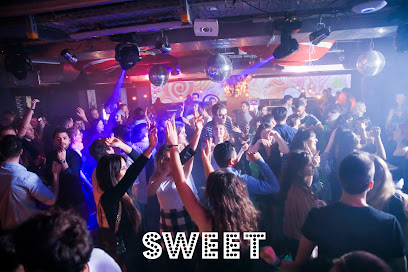
Pacha
0.7 km
Experience the electrifying nightlife of Munich at Pacha, a premier night club known for its vibrant atmosphere and top-tier DJs.
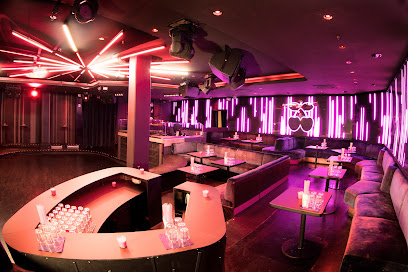
Call Me Drella - München
0.7 km
Discover the electrifying nightlife at Call Me Drella, Munich's premier night club for an unforgettable evening of music, dancing, and fun.
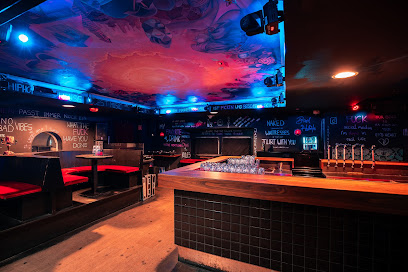
089 Bar & Lounge - München
0.7 km
Experience the vibrant nightlife of Munich at 089 Bar & Lounge, a perfect blend of bar and club atmosphere in the heart of the city.
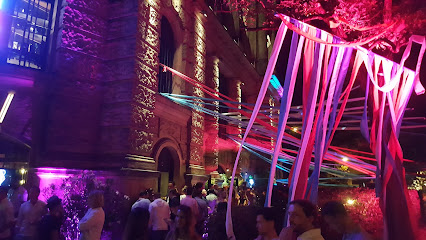
Rote Sonne
0.7 km
Discover Munich's vibrant nightlife at Rote Sonne, a premier night club known for its electrifying atmosphere and eclectic music selection.
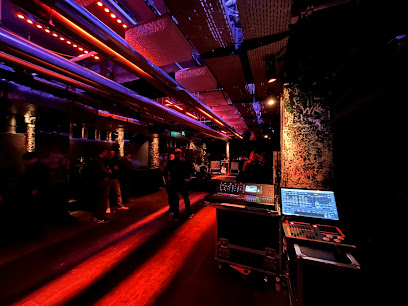
Benny
0.7 km
Discover the vibrant nightlife of Munich at Benny, the ultimate destination for a thrilling nightclub experience with electrifying music and a lively atmosphere.
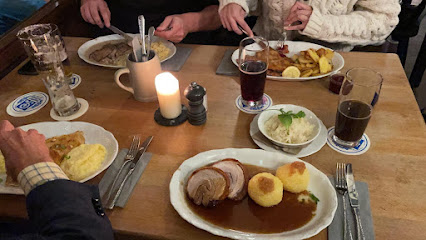
Das LABOR - München
0.7 km
Discover Das LABOR, Munich's vibrant night club and cocktail bar, where unforgettable nightlife meets expertly crafted cocktails.
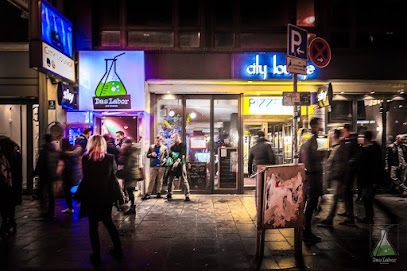
Harry Klein
0.8 km
Discover the heart of Munich's nightlife at Harry Klein, where electrifying music and a stylish atmosphere create unforgettable nights.
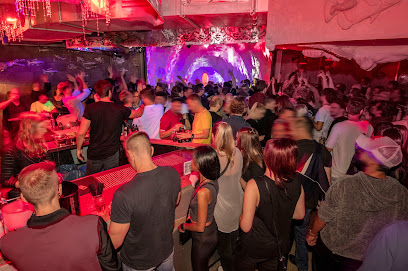
Pimpernel - München
0.8 km
Experience the electrifying nightlife at Pimpernel in Munich, where music, dance, and vibrant energy come together for an unforgettable evening.
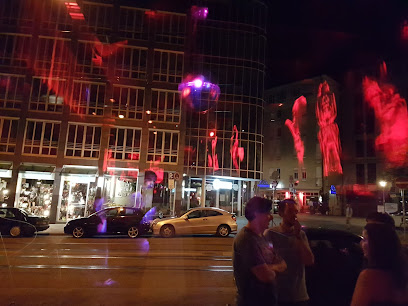
LEGAL Club & Bar
0.9 km
Experience Munich's nightlife at LEGAL Club & Bar, where electrifying music and a vibrant atmosphere create unforgettable nights.
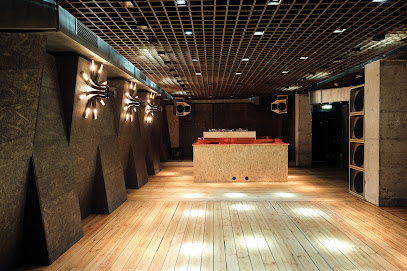
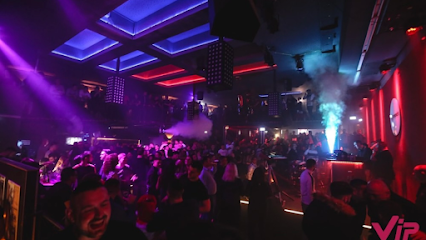
VIP Club Munich - München
0.9 km
Experience the vibrant nightlife of Munich at VIP Club, where electrifying music and an energetic atmosphere create unforgettable nights.
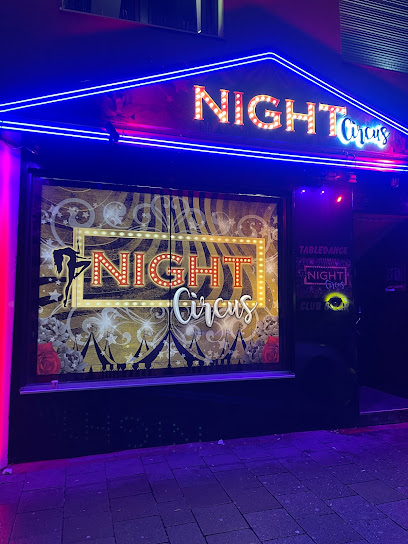
Night Circus | Bar & Tabledance
1.0 km
Discover the allure of Munich's Night Circus, where captivating performances and exquisite cocktails create unforgettable nightlife.
Femina Tabledance Club | Stripclub München (Munich)
1.1 km
Discover the vibrant Femina Tabledance Club in Munich, where captivating performances and a lively atmosphere create unforgettable nightlife experiences.