

RömerMuseum Obernburg Travel Guide
Free Guide: Unearth the secrets of Roman Obernburg at this captivating museum, showcasing remarkable artifacts from a vital outpost on the Limes, the 'Pompeii of the Main'.


A brief summary of RömerMuseum Obernburg
Unearth the secrets of Roman Obernburg at this captivating museum, showcasing remarkable artifacts from a vital outpost on the Limes, the 'Pompeii of the Main'.
Step back in time at the RömerMuseum Obernburg, where the rich history of Roman Obernburg comes to life. Situated along the UNESCO World Heritage Site of the Limes, this museum showcases a remarkable collection of artifacts unearthed from the local Roman fort, offering a fascinating glimpse into daily life, military activities, and religious practices of the Roman soldiers and civilians who once inhabited this strategic outpost. From impressive stone monuments and intricate inscriptions to everyday tools and personal items, the museum provides a tangible connection to the past, revealing the significance of Obernburg as a vital part of the Roman Empire's northern frontier. The museum's exhibits, combined with the visible Roman remains scattered throughout the town, make Obernburg a compelling destination for history enthusiasts and anyone curious about Roman civilization. Don't miss the chance to explore this 'Pompeii of the Main' and uncover the secrets of its Roman past.
Opening hours
- MonClosed
- TueClosed
- WedClosed
- ThuClosed
- Fri2 pm–5 pm
- Sat2 pm–5 pm
- Sun2 pm–5 pm
Opening hours as listed on the venue’s Google Business Profile. Hours can change for services and special events, so check with the venue before you go.
- Address
- u. Gasse 4, 63785 Obernburg am Main
- Phone
- Website
Getting there
Public Transport
Walking
Driving
Discover more about RömerMuseum Obernburg
Overview
The RömerMuseum Obernburg stands as a portal to the past, inviting visitors to immerse themselves in the captivating world of Roman Obernburg. This museum, nestled in the heart of the historic town, safeguards and showcases an impressive collection of Roman artifacts, each telling a story of life along the Limes, the Roman Empire's northern frontier. Obernburg, strategically located on the Main River, played a crucial role in the Roman defense system, and the museum serves as a testament to its significance. As you step inside the RömerMuseum, you're immediately transported back to the 2nd and 3rd centuries AD, the period when Roman influence in Obernburg was at its peak. The museum's exhibits are thoughtfully arranged to guide you through various aspects of Roman life, from the military presence and administrative functions to the daily routines and religious beliefs of the inhabitants. The museum's collection is particularly renowned for its extensive array of stone monuments. These include inscriptions from the beneficiarii consulares, officials who oversaw traffic and maintained order in the region. The building inscription from the headquarters of the cohort fort provides valuable insights into the fort's construction and purpose. Fragments of Jupiter Columns, once towering symbols of Roman power and religious devotion, further attest to the grandeur of Roman Obernburg. One of the museum's highlights is its collection of inscriptions dedicated by members of the Legio XXII Primigenia from Mainz. These inscriptions reveal the legion's involvement in logging operations in the nearby Spessart and Odenwald forests, providing crucial timber for construction and other purposes. The inscriptions offer a glimpse into the logistical challenges and resource management strategies employed by the Roman army. Delving deeper into the museum, you'll encounter a reconstructed Mithraeum, a sacred space dedicated to the worship of the god Mithras. This reconstruction offers a tangible understanding of the mystery cults that flourished within the Roman Empire, attracting followers from various backgrounds, including soldiers and merchants. The Mithraeum provides a glimpse into the spiritual landscape of Roman Obernburg, revealing the diverse religious practices that coexisted alongside traditional Roman beliefs. The museum's collection also features a variety of grave and votive stones, shedding light on the religious beliefs and funerary customs of the Roman inhabitants. These stones, adorned with intricate carvings and inscriptions, offer a poignant reminder of the individuals who lived and died in Obernburg, their hopes, fears, and aspirations. Upstairs, the museum showcases a wealth of smaller artifacts, providing a more intimate glimpse into daily life in Roman Obernburg. Tools, fibulae (brooches), cosmetic and medical instruments, pottery, and coins offer a tangible connection to the everyday routines of the Roman inhabitants. These objects, unearthed from archaeological excavations in and around Obernburg, provide valuable insights into the material culture and economic activities of the Roman settlement. Among the museum's treasures is a Roman glass bowl dating back to the 4th century AD. Adorned with Christian symbols, this bowl stands as one of the earliest pieces of evidence of Christianity in the region, attesting to the gradual spread of the new religion within the Roman Empire. The RömerMuseum Obernburg extends beyond its walls, with Roman remains visible throughout the town. The Römerstraße, Obernburg's main street, follows the course of the ancient Roman road, while the Badgasse marks the location of the Roman fort's main gate. These visible remnants of the Roman past, combined with the museum's exhibits, create a unique and immersive experience for visitors. Obernburg's nickname, 'Pompeii of the Main,' reflects the town's exceptional preservation of Roman artifacts and structures. Like Pompeii, Obernburg offers a rare opportunity to step back in time and witness the daily life of a Roman community. The RömerMuseum Obernburg serves as the gateway to this experience, providing the context and insights needed to fully appreciate the town's rich Roman heritage. Visiting the RömerMuseum Obernburg is not just a journey through history; it's an opportunity to connect with the people who shaped this region centuries ago. It's a chance to marvel at their ingenuity, appreciate their artistry, and understand their place within the vast tapestry of the Roman Empire. Whether you're a seasoned history buff or simply curious about the past, the RömerMuseum Obernburg promises an enriching and unforgettable experience.
Evendo Review Centre
 Google
Guest reviews
Explore RömerMuseum Obernburg on the map
A handpicked selection of must-see spots near RömerMuseum Obernburg, mapped for you.
Get your free copy of our complete guide to RömerMuseum Obernburg, delivered straight to you.
Everything on this page, from opening hours and how to get there to Eve’s tips and the best time to go, in one PDF you can read offline, print or share.
Already have an account? Sign in
Your RömerMuseum Obernburg guide is ready.
We'll send it to · Not you? Sign out

Getting your guide ready…
We are putting together a fresh copy of the RömerMuseum Obernburg guide. This can take up to a minute.
This can take a few moments. If your browser asks, choose Allow so the download can start. You'll find the guide in your Downloads folder.
Nothing happened? Download it again
Sorry, the guide is taking longer than usual. Please try again in a minute, or get it by email instead.
Other nearby places you may find interesting
The closest places of the same kind, if this one is not quite what you had in mind.
-
-
-
-
-


Swipe for more places
More to explore near RömerMuseum Obernburg

 Best experiences near RömerMuseum Obernburg
 Best hotels near RömerMuseum Obernburg
 Best landmarks near RömerMuseum Obernburg
 Best attractions near RömerMuseum Obernburg
 Best shops near RömerMuseum Obernburg
 Best restaurants near RömerMuseum Obernburg
 Best bars near RömerMuseum Obernburg
Do you manage this location?
Take control to get all the benefits, like improved information, better appearance, and stronger visibility across AI-powered discovery.
Explore more
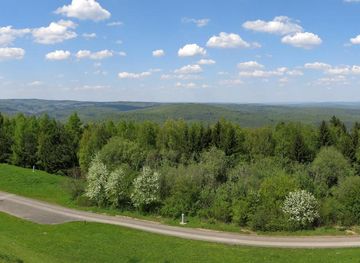
Explore more of Spessart
Discover Spessart, Germany's enchanting forested region, rich in folklore, history, and natural beauty. Wander through medieval towns, ancient woodlands, and captivating trails.
Explore Spessart
Explore more of Germany
Experience Germany: where history meets innovation, and urban energy blends with natural beauty. Discover diverse cultures, delicious cuisine, and stunning landscapes.
Explore Germany
