Aqueduct at the Red Gate, Swabia Travel Guide
Explore Augsburg's ingenious Aqueduct at the Red Gate, a UNESCO World Heritage site showcasing centuries of innovative water management and engineering marvels.
The Aqueduct at the Red Gate in Augsburg is a remarkable testament to the city's historical water management system, which was designated a UNESCO World Heritage site in 2019. Part of a larger complex that includes three water towers and two fountain master houses, the aqueduct dates back to the 15th century, with significant modifications made in 1777. This ingenious structure once supplied Augsburg with both drinking water and power for its waterwheels, showcasing advanced engineering for its time. Visitors can explore the area around the Red Gate, descend into the former moat to view the aqueduct's impressive arches, and learn about the fascinating history of Augsburg's waterworks.
A brief summary to Aqueduct at the Red Gate
- Rote-Torwall-Straße 14, Augsburg, Augsburg-Innenstadt, 86161, DE

Know before you go
Hi, I'm Eve. Here are a few practical things to know before exploring Aqueduct at the Red Gate.
- Visit the Waterworks Museum inside the water towers for a deeper understanding of the aqueduct's function and Augsburg's water management history. Check opening times in advance.
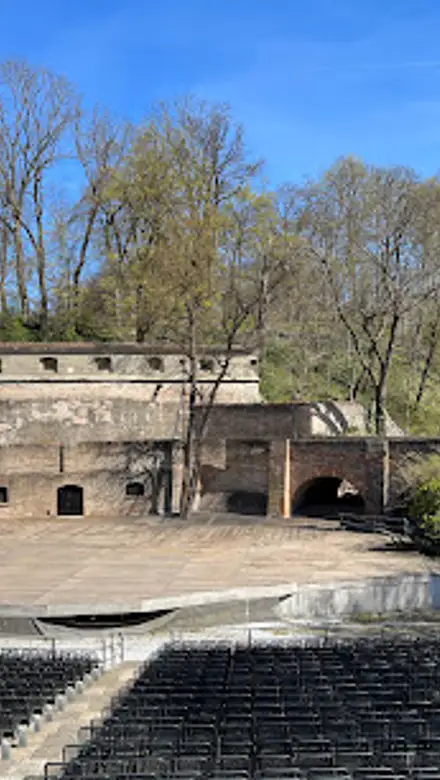
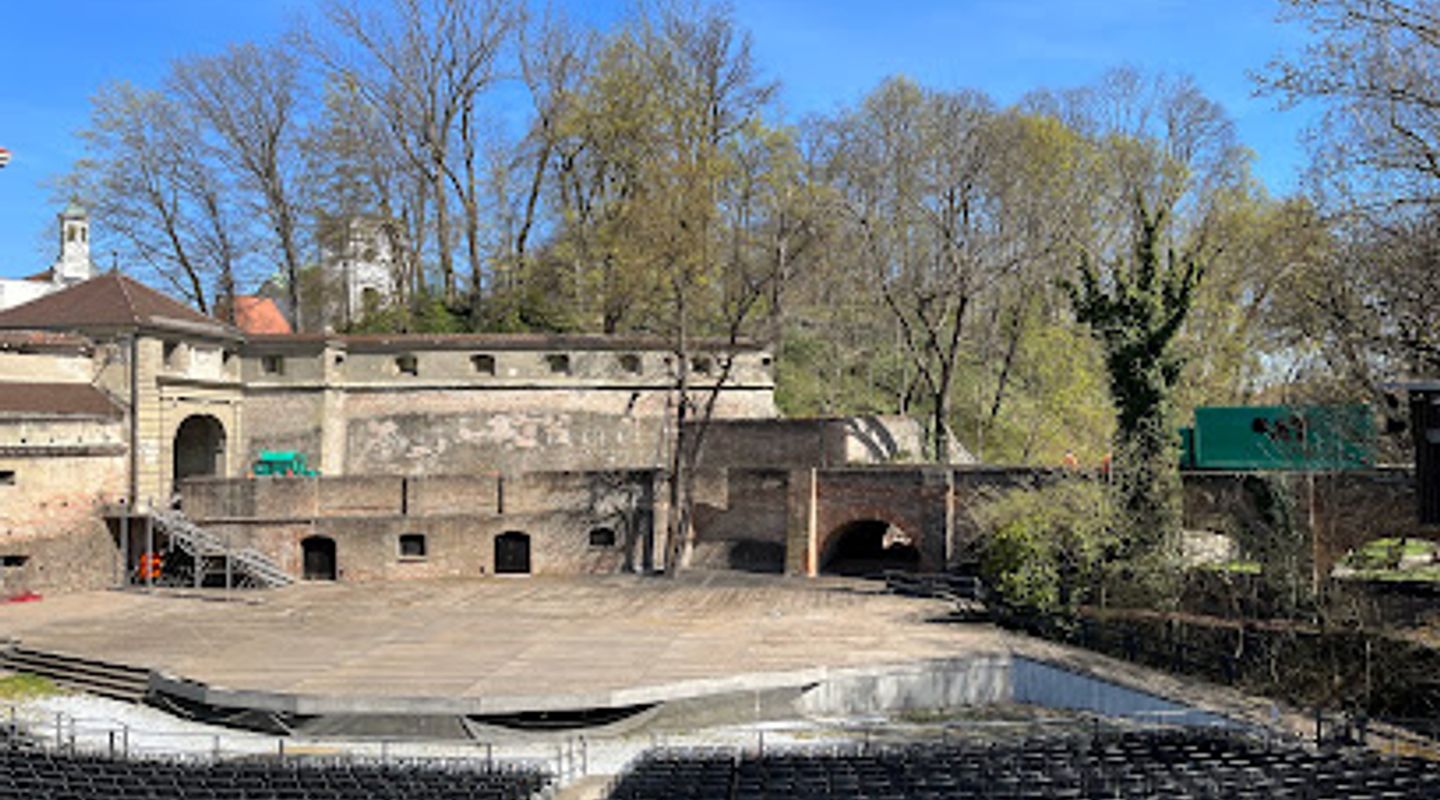
- Combine your visit with a stroll through the Red Gate park (Rotes Torwall), enjoying the open-air stage and the peaceful atmosphere.
- Look for guided tours that include access to the interior of the water towers for a more in-depth experience.
Do you manage this location?
Take control to get all the benefits, like improved information, better appearance, and stronger visibility across AI-powered discovery. Learn more about listing your business on Evendo
Activate your presenceOther nearby places you may find interesting
The closest places of the same kind, if this one is not quite what you had in mind.
Explore Aqueduct at the Red Gate on the Map
A handpicked selection of must-see spots near Aqueduct at the Red Gate, mapped for you.
Unlock the Best of Aqueduct at the Red Gate
Buy tickets
-
No tickets available
Book tours with entry


Book tours without entry

Getting There
-
Public Transport
From Augsburg's Königsplatz, take tram line 2 (direction Haunstetten Nord), tram line 3 (direction Haunstetten West P+R), or tram line 6 (direction Friedberg West P+R) to the 'Rotes Tor' stop. The aqueduct is a short walk from the tram stop, within the park at the Red Gate. A single tram ticket within Augsburg city zones 10 and 20 costs approximately €2.60.
-
Walking
From Augsburg city center (e.g., Rathausplatz), walk east along the main road (Maximilianstraße), then turn south towards the Rotes Tor (Red Gate). The aqueduct is located within the park area just before the Red Gate. The walk is approximately 15-20 minutes. No costs involved.
-
Taxi/Ride-Share
A taxi or ride-share from Augsburg Central Station (Hauptbahnhof) to the Aqueduct at the Red Gate (Rote-Torwall-Straße 14) will cost approximately €8-€12, depending on traffic. The journey takes about 5-10 minutes.
-
Driving
If driving, navigate to Rote-Torwall-Straße 14, 86161 Augsburg. Limited street parking is available nearby. Parking fees in the area typically range from €1-€2 per hour. Consider using a Park and Ride (P+R) option outside the city center and taking public transport for the final leg to avoid parking difficulties.
Discover more about Aqueduct at the Red Gate
More to explore near Aqueduct at the Red Gate













Your all‑in‑one travel companion app
Explore expert travel guides, compare and book tours, experiences, hotels, and more—all from the palm of your hand. Download now for seamless trip planning wherever your wanderlust takes you.


Explore More of Swabia
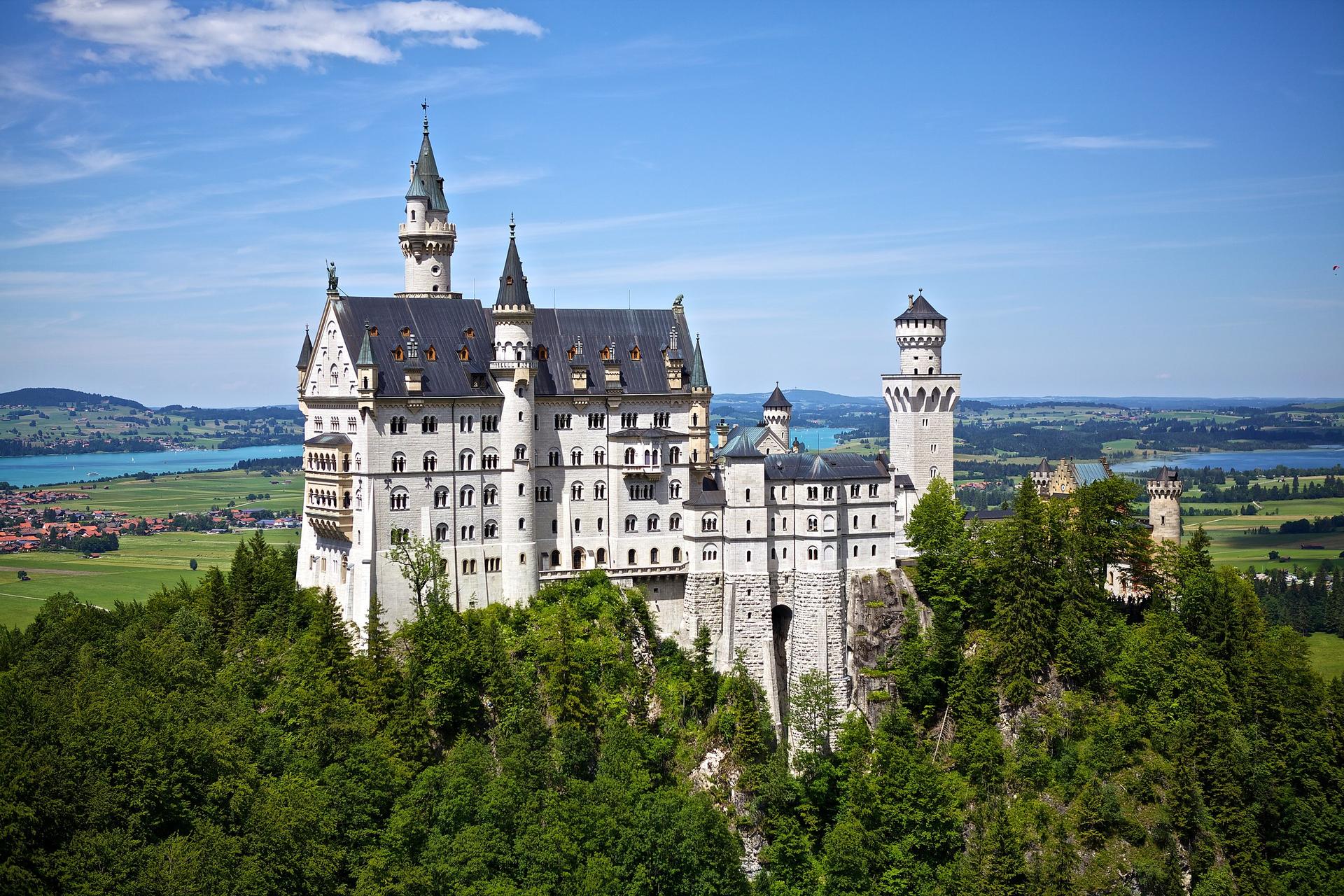
Looking beyond Aqueduct at the Red Gate? Discover Swabia for broader travel guides, local hot-spots, and regional highlights.
Explore Swabia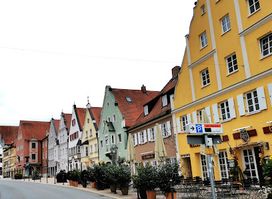
Discover the enchanting world of handcrafted dolls at the Käthe Kruse Museum in Donauwörth, celebrating the legacy of a pioneering German artist and her timeless creations.
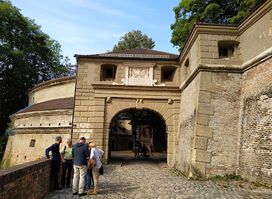
Explore the historic Rotes Tor, Augsburg’s iconic red gate, and immerse yourself in the city's rich medieval history and charming ambiance.