
Fuggerei Brunnen, Swabia Travel Guide
Discover the Fuggerei Brunnen in Augsburg, a historic well within the world's oldest social housing complex, embodying centuries of community and compassionate living.
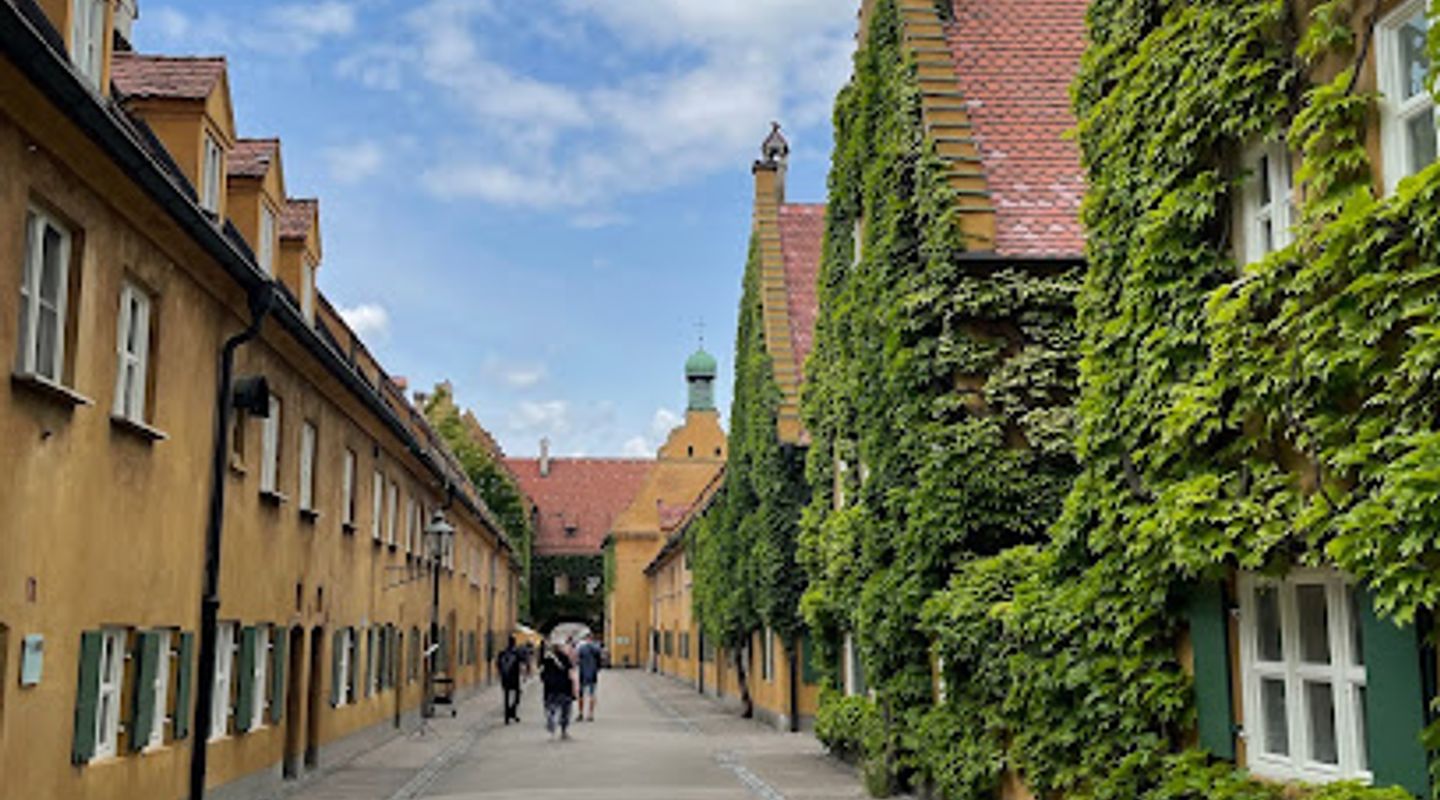
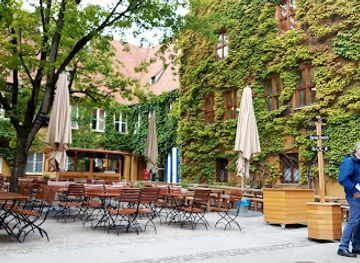
The Fuggerei Brunnen, or Fuggerei Well, stands as a charming centerpiece within the Fuggerei, the world's oldest social housing complex in Augsburg, Germany. Founded in 1521 by Jakob Fugger, the Fuggerei provided affordable housing to needy citizens, and the Brunnen has served as a vital water source and a communal gathering point for centuries. More than just a well, it represents the enduring legacy of social responsibility and the compassionate spirit of the Fugger family. Visitors can admire the well's design, reflecting different eras, and soak in the tranquil atmosphere of this unique historical site. The Fuggerei Brunnen offers a glimpse into the daily lives of residents past and present, making it a must-see attraction for those interested in history, architecture, and social welfare.
A brief summary to Fuggerei Brunnen
- Mittlere G. 17, Augsburg, Augsburg-Innenstadt, 86152, DE

Know before you go
Hi, I'm Eve. Here are a few practical things to know before exploring Fuggerei Brunnen.
- Visit early in the morning or late in the afternoon to avoid crowds and experience the Fuggerei in a more peaceful setting.
- Take a guided tour to gain deeper insights into the history and social significance of the Fuggerei and its residents.
- Explore the Fuggerei Museum to learn about the Fugger family and the daily lives of Fuggerei residents throughout history.
- Respect the privacy of current Fuggerei residents by keeping noise levels down and avoiding photography inside their homes.
Do you manage this location?
Take control to get all the benefits, like improved information, better appearance, and stronger visibility across AI-powered discovery. Learn more about listing your business on Evendo
Activate your presenceOther nearby places you may find interesting
The closest places of the same kind, if this one is not quite what you had in mind.
Explore Fuggerei Brunnen on the Map
A handpicked selection of must-see spots near Fuggerei Brunnen, mapped for you.
Getting There
-
Walking
From Augsburg's Rathausplatz (Town Hall Square), walk east along Philippine-Welser-Straße, then turn right onto Barfüßerstraße. Continue onto Jakoberstraße, where you'll find the Fuggerei entrance on your right. The walk is approximately 10-15 minutes and well-signposted. Look for the Jakobertor (Jakob's Gate), one of Augsburg's historic city gates, as a nearby landmark.
-
Public Transport
Take Tram line 1 (direction Lechhausen/Ostfriedhof) from Königsplatz to the 'Fuggerei' stop. The stop is located right next to the Fuggerei entrance, near St. Jakob's Church. A single tram fare within Augsburg is approximately €2.50.
-
Taxi/Ride-Share
A taxi or ride-share from Augsburg Hauptbahnhof (Central Station) to the Fuggerei will take approximately 5-10 minutes, depending on traffic. Expect to pay around €8-€12. Ask the driver to drop you off at Jakoberstraße 26, near the Fuggerei Stube, for the main entrance.
-
Driving
Driving directly to the Fuggerei is not recommended due to limited parking. It's best to park in a city center parking garage, such as those near the City Galerie or along Fuggerstrasse, and walk or take public transport the remaining distance. Limited short-term parking (with parking disc) is available on Jakobsplatz (1 hour, 8am-6pm) and Am Oberen Graben (3 hours, 9am-6pm). Parking fees in city center garages typically range from €2-€3 per hour.
Discover more about Fuggerei Brunnen













Your all‑in‑one travel companion app
Explore expert travel guides, compare and book tours, experiences, hotels, and more—all from the palm of your hand. Download now for seamless trip planning wherever your wanderlust takes you.


Explore More of Swabia

Looking beyond Fuggerei Brunnen? Discover Swabia for broader travel guides, local hot-spots, and regional highlights.
Explore Swabia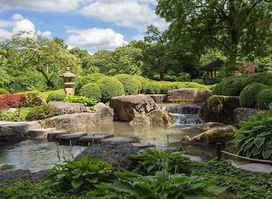
Experience tranquility in Augsburg's Japanese Garden, a serene oasis within the Botanical Garden, showcasing the art of Japanese landscape design and cultural harmony.
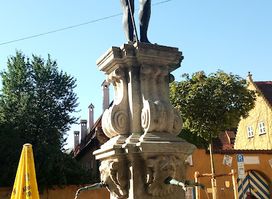
Discover Augsburg's oldest bronze fountain figure, the Neptune Fountain, a captivating landmark reflecting the city's rich history and artistic heritage on Jakobsplatz.
