
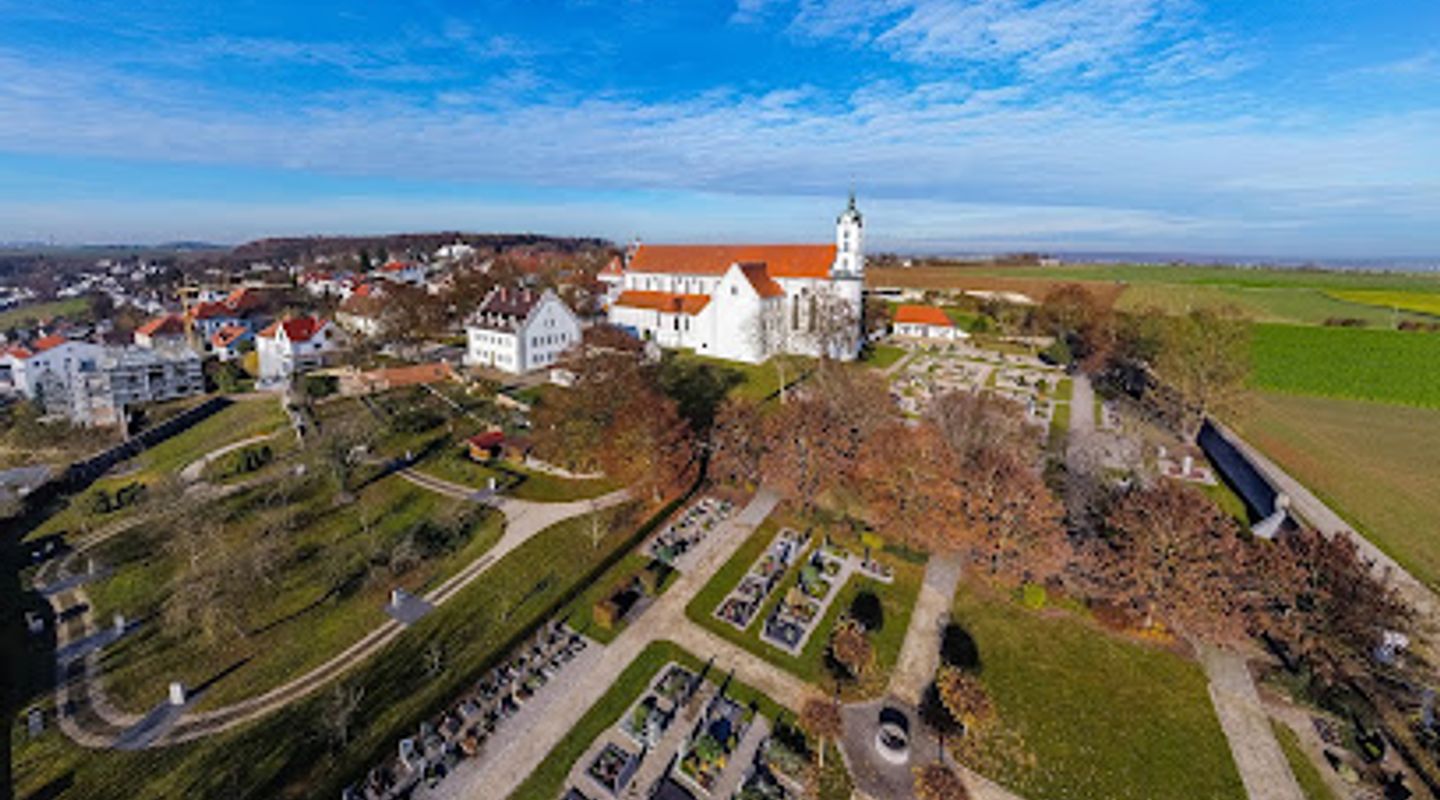
Klosterkirche Oberelchingen, Swabia Travel Guide
Discover the serene beauty and rich history of Klosterkirche Oberelchingen, a stunning Baroque church with panoramic views and a peaceful atmosphere in the heart of Bavaria.
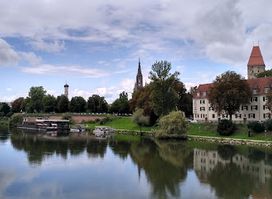
Klosterkirche Oberelchingen, a former Benedictine abbey church, stands as a stunning example of Baroque architecture in the heart of Oberelchingen. Founded in the 12th century and later transformed in the 18th century, this church boasts a rich history, exquisite interiors, and a serene atmosphere. Visitors can marvel at the intricate details of the nave, the decorative northern aisle, and the impressive high altar. Surrounded by peaceful gardens and offering panoramic views, Klosterkirche Oberelchingen provides a tranquil escape and a glimpse into the region's spiritual and artistic heritage. Open daily, it welcomes all to experience its beauty and historical significance, making it a must-see destination for those exploring Bavaria.
A brief summary to Klosterkirche Oberelchingen
- Klosterhof 7, Elchingen, Oberelchingen, 89275, DE
- Click to display
- Click to display
- Monday 8 am-6 pm
- Tuesday 8 am-6 pm
- Wednesday 8 am-6 pm
- Thursday 8 am-6 pm
- Friday 8 am-6 pm
- Saturday 8 am-6 pm
- Sunday 8 am-6 pm

Know before you go
Hi, I'm Eve. Here are a few practical things to know before exploring Klosterkirche Oberelchingen.
- Visit on a weekday morning to avoid crowds and fully appreciate the church's peaceful atmosphere.
- Check the schedule for guided tours to learn about the church's history and architectural details.
- Explore the surrounding gardens for a tranquil escape and scenic views of the Bavarian landscape.
- Attend the annual 'Hohe Umgang' festival for a unique cultural experience with a grand procession.
- Combine your visit with a trip to the nearby Klostermuseum to see newly discovered church treasures.
Do you manage this location?
Take control to get all the benefits, like improved information, better appearance, and stronger visibility across AI-powered discovery. Learn more about listing your business on Evendo
Activate your presenceOther nearby places you may find interesting
The closest places of the same kind, if this one is not quite what you had in mind.
Explore Klosterkirche Oberelchingen on the Map
A handpicked selection of must-see spots near Klosterkirche Oberelchingen, mapped for you.
Getting There
-
Public Transport
From Ulm Hauptbahnhof, take a regional train towards Augsburg and disembark at Elchingen station. From there, you can take a local bus towards Klosterhof. Check local bus schedules for the most up-to-date routes and times. Alternatively, it's approximately a 15-minute walk from Elchingen station to Klosterkirche Oberelchingen. A single bus ticket will cost approximately €2.50 - €3.50.
-
Driving
If driving, navigate to Elchingen via the A7 motorway, taking exit 127 towards Elchingen. Follow the B10 road signs towards Elchingen. Once in Elchingen, follow signs directing you to Klosterhof 7. Parking is available near Klosterkirche Oberelchingen, but be aware of potential parking fees. Parking fees typically range from €1-€2 per hour.
-
Taxi/Ride-Share
From Ulm city center, a taxi or ride-share to Klosterkirche Oberelchingen will take approximately 15-20 minutes, depending on traffic. Expect to pay around €35-€45 for the ride.
Discover more about Klosterkirche Oberelchingen
More to explore near Klosterkirche Oberelchingen













Your all‑in‑one travel companion app
Explore expert travel guides, compare and book tours, experiences, hotels, and more—all from the palm of your hand. Download now for seamless trip planning wherever your wanderlust takes you.


Explore More of Swabia
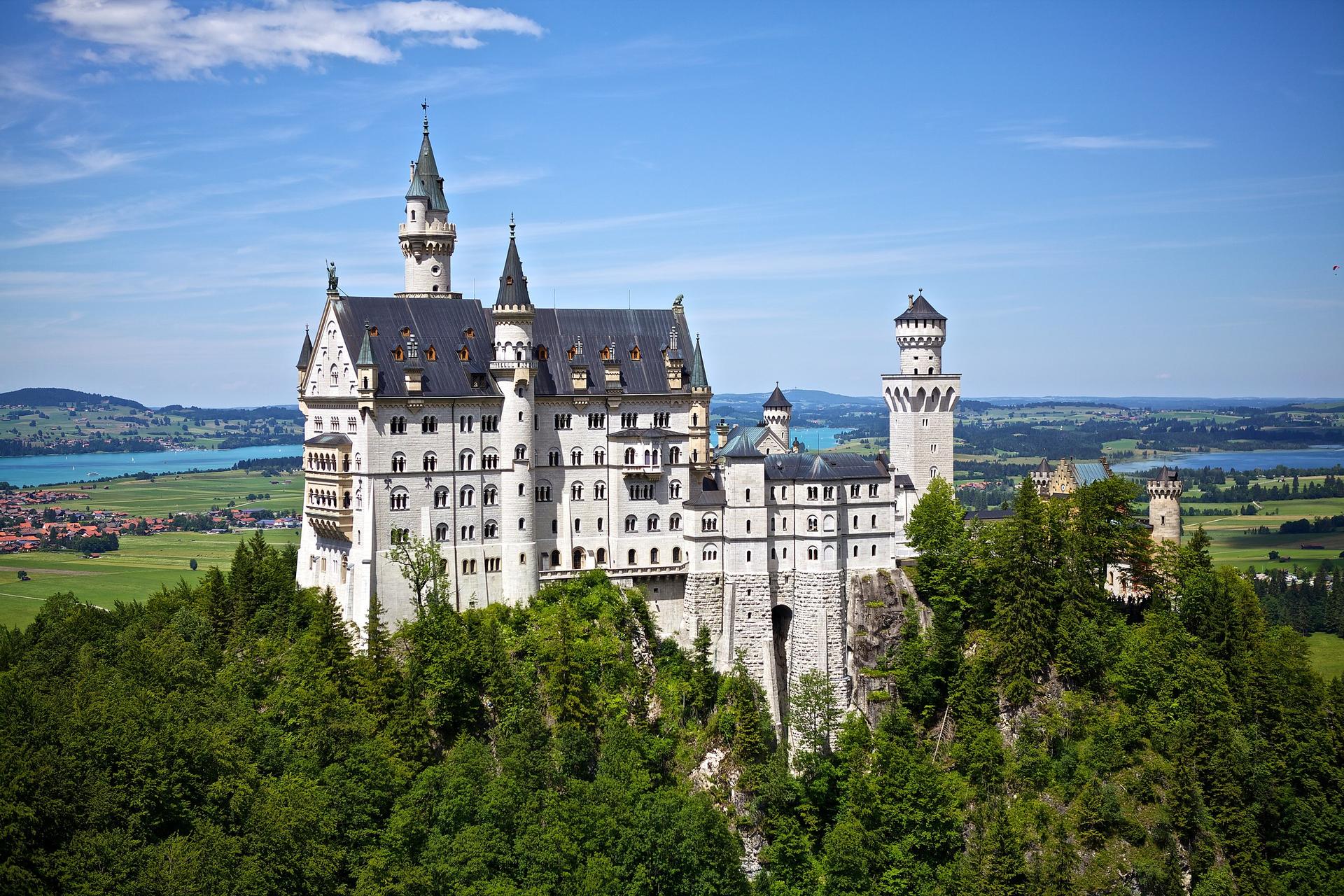
Looking beyond Klosterkirche Oberelchingen? Discover Swabia for broader travel guides, local hot-spots, and regional highlights.
Explore Swabia
Explore the depths of Charlottenhöhle, discover Ice Age art at HöhlenSchauLand, and enjoy family fun in the Lonetal valley at Höhlenerlebniswelt Giengen-Hürben.
Discover a world of wildlife in the heart of Ulm at Tiergarten Ulm, home to over 2,000 animals from around the globe, offering an unforgettable experience for all ages.
