Quellenpark Travel Guide
Free Guide: Discover the tranquil beauty and rich history of Quellenpark in Bad Soden am Taunus, a serene oasis with healing springs, lush greenery, and the iconic Sodenia statue.


A brief summary of Quellenpark
Discover the tranquil beauty and rich history of Quellenpark in Bad Soden am Taunus, a serene oasis with healing springs, lush greenery, and the iconic Sodenia statue.
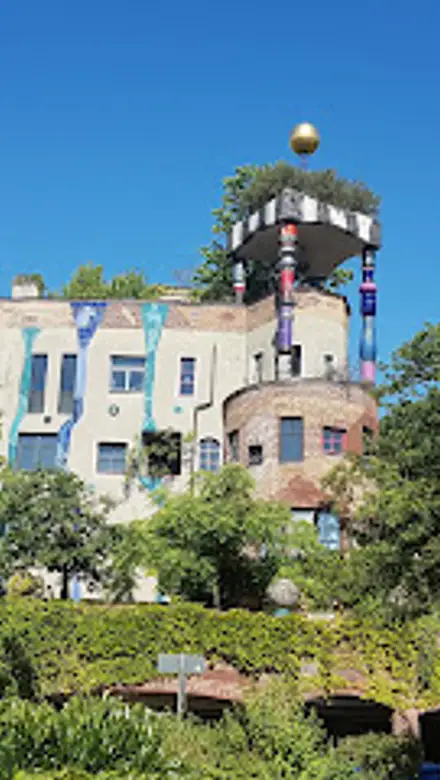
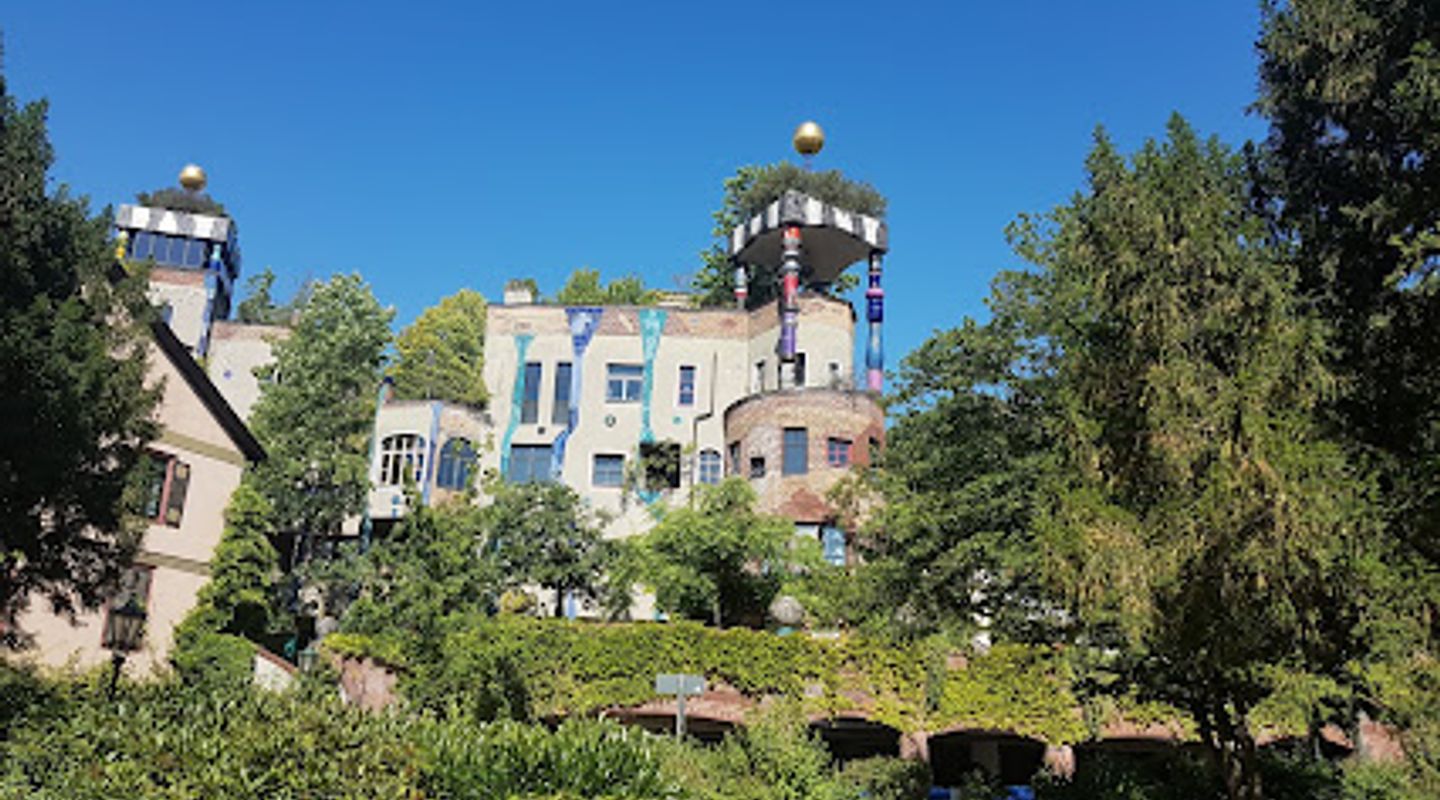
The Quellenpark, nestled in the heart of Bad Soden am Taunus, offers a serene escape with a rich history dating back to 1856. This idyllic park, whose origins trace back to a spring grotto mentioned in 1820, is beautifully integrated into the town, bordered by the Evangelische Kirche, the Hundertwasserhaus, and the historic Altstadt. The park's name reflects the numerous mineral springs that once bubbled within its grounds. Visitors can explore the Sodenia-Tempel, a charming pavilion housing the Sodenia statue, the town's emblem, and sample the salubrious waters of the Solquelle. With its lush greenery, mature trees, and tranquil atmosphere, the Quellenpark provides a refreshing retreat for locals and tourists alike, inviting leisurely strolls and moments of peaceful contemplation. The park is open to the public at all times and offers barrier-free access.
Opening hours
- Every dayOpen 24 hours
Opening hours as listed on the venue’s Google Business Profile. Hours can change for services and special events, so check with the venue before you go.
- Address
- An d. Trinkhalle 2B, 65812 Bad Soden am Taunus
- Phone
- Website
Getting there
Public Transport
Walking
Driving
Discover more about Quellenpark
Overview
Quellenpark, located in Bad Soden am Taunus, is a beautifully landscaped park with a rich history and a tranquil atmosphere. The park's origins can be traced back to 1856 when it was first established as a natural landscape. Over the years, it was expanded, reaching its current size by the 1870s. The design and development of the park were significantly influenced by the ideas of the town's residents, with the Biebrich Garden Director Thelemann overseeing the project. The name Quellenpark, meaning "Spring Park," is derived from the numerous mineral springs that were once found within its boundaries. These springs have played a vital role in the town's history, contributing to its reputation as a spa town. Today, the park remains a testament to this heritage, offering visitors a chance to experience the therapeutic benefits of its mineral waters. At the heart of the Quellenpark lies the Solquelle IV, a spring containing fluoride and carbonated sodium chloride. This spring, which was examined and approved by the Frankfurt Magistrate in 1567, was historically used in conjunction with the nearby Wiesenbrunnen for salt production in the town's former saltworks. In 1854, the spring was repurposed as a spa and drinking fountain, and a new well was constructed in 1856, reaching a depth of six meters. In the mid-1880s, the Sodenia-Pavillon was built directly over the Solquelle IV. This monument, located near the northern entrance of the park, has become an important symbol of the town. The Sodenia-Pavillon houses the Sodenia statue, a representation of the town's goddess of the springs, further emphasizing the park's connection to Bad Soden's spa heritage. The statue has been restored in 2017. Walking through the Quellenpark offers a soothing experience for the senses. Away from the hustle and bustle of the town, the picturesque garden provides a peaceful retreat for visitors. The Sodenia statue in the Sodenia-Pavillon is a captivating sight and one of Bad Soden's most iconic landmarks. While the Wiesenbrunnen, a former fountain complex in the park, is no longer present, its legacy remains a part of the park's history. The Quellenpark is conveniently located in the center of Bad Soden's old town, near the Evangelische Kirche and adjacent to the Hundertwasserhaus. This proximity to other notable landmarks makes it an easily accessible and integral part of the town's cultural landscape. The Hundertwasserhaus, now a spa center, complements the park's relaxing atmosphere, enhancing the overall appeal of the area as a destination for wellness and recreation. The park's origins trace back to a spring grotto mentioned in 1820 by Dr. Küster, a spa physician. Carl Friedrich Thelemann, the Nassau garden director, designed the area, which was expanded several times until the 20th century. The name likely comes from the many healing springs that once emerged in the park. The saline Solquelle IV, approved for salt production by the Frankfurt city council in 1567, still flows today. Other springs, such as the Milch- and Warmbrunnen, were moved to the nearby Franzensbader Platz. The Wilhelmspark, adjacent to the Quellenpark, was created in 1911 by the Siesmayer gardening company and named after Kaiser Wilhelm. The Champagnerbrunnen, discovered in 1823 during the search for brown coal, is integrated into the park. The Hundertwasserhaus, completed in 1993 based on plans by Friedensreich Hundertwasser, stands next to the park. The colorful residential building is supported by 251 concrete piles to secure the difficult subsoil in the spring protection area. Bad Soden am Taunus itself is a town with a rich history and a reputation as a health resort. Located on the southern slopes of the Taunus mountains, it offers a protected environment against northern and eastern winds. The town boasts several parks, including the Alte Kurpark and the Wilhelmspark, as well as numerous mineral springs and historic buildings. While Bad Soden dissolved its Spa Corporation in 2001, it has maintained its charm and continues to attract visitors with its blend of history, culture, and natural beauty. The Quellenpark remains a central element of this appeal, offering a tranquil space for relaxation and reflection. Today, visitors can still experience the charm of the Quellenpark, stroll through its green spaces, admire the Sodenia statue, and learn about the town's history. The park is a testament to Bad Soden's past and a reminder of the importance of preserving natural spaces for future generations. Whether seeking a peaceful escape or a glimpse into the town's heritage, the Quellenpark offers a unique and enriching experience for all who visit.
Evendo Review Centre
 Google
Guest reviews
Explore Quellenpark on the map
A handpicked selection of must-see spots near Quellenpark, mapped for you.
Get your free copy of our complete guide to Quellenpark, delivered straight to you.
Everything on this page, from opening hours and how to get there to Eve’s tips and the best time to go, in one PDF you can read offline, print or share.
Already have an account? Sign in
Your Quellenpark guide is ready.
We'll send it to · Not you? Sign out

Getting your guide ready…
We are putting together a fresh copy of the Quellenpark guide. This can take up to a minute.
This can take a few moments. If your browser asks, choose Allow so the download can start. You'll find the guide in your Downloads folder.
Nothing happened? Download it again
Sorry, the guide is taking longer than usual. Please try again in a minute, or get it by email instead.
Other nearby places you may find interesting
The closest places of the same kind, if this one is not quite what you had in mind.
-
-
-
-
-


Swipe for more places
More to explore near Quellenpark

 Best experiences near Quellenpark
 Best hotels near Quellenpark
 Best landmarks near Quellenpark
 Best attractions near Quellenpark
 Best shops near Quellenpark
 Best restaurants near Quellenpark
 Best bars near Quellenpark
Do you manage this location?
Take control to get all the benefits, like improved information, better appearance, and stronger visibility across AI-powered discovery.
Explore more
Explore more of Taunus
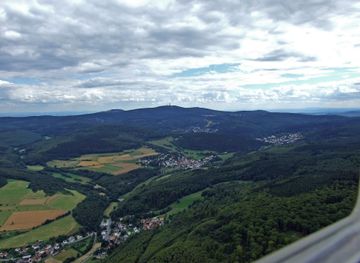
Discover the enchanting Taunus Mountains in Germany, where lush landscapes, historic towns, and cultural treasures await amidst serene natural beauty.
Explore Taunus
Explore more of Germany
Experience Germany: where history meets innovation, and urban energy blends with natural beauty. Discover diverse cultures, delicious cuisine, and stunning landscapes.
Explore Germany