Old St. Alban, Westphalia Travel Guide
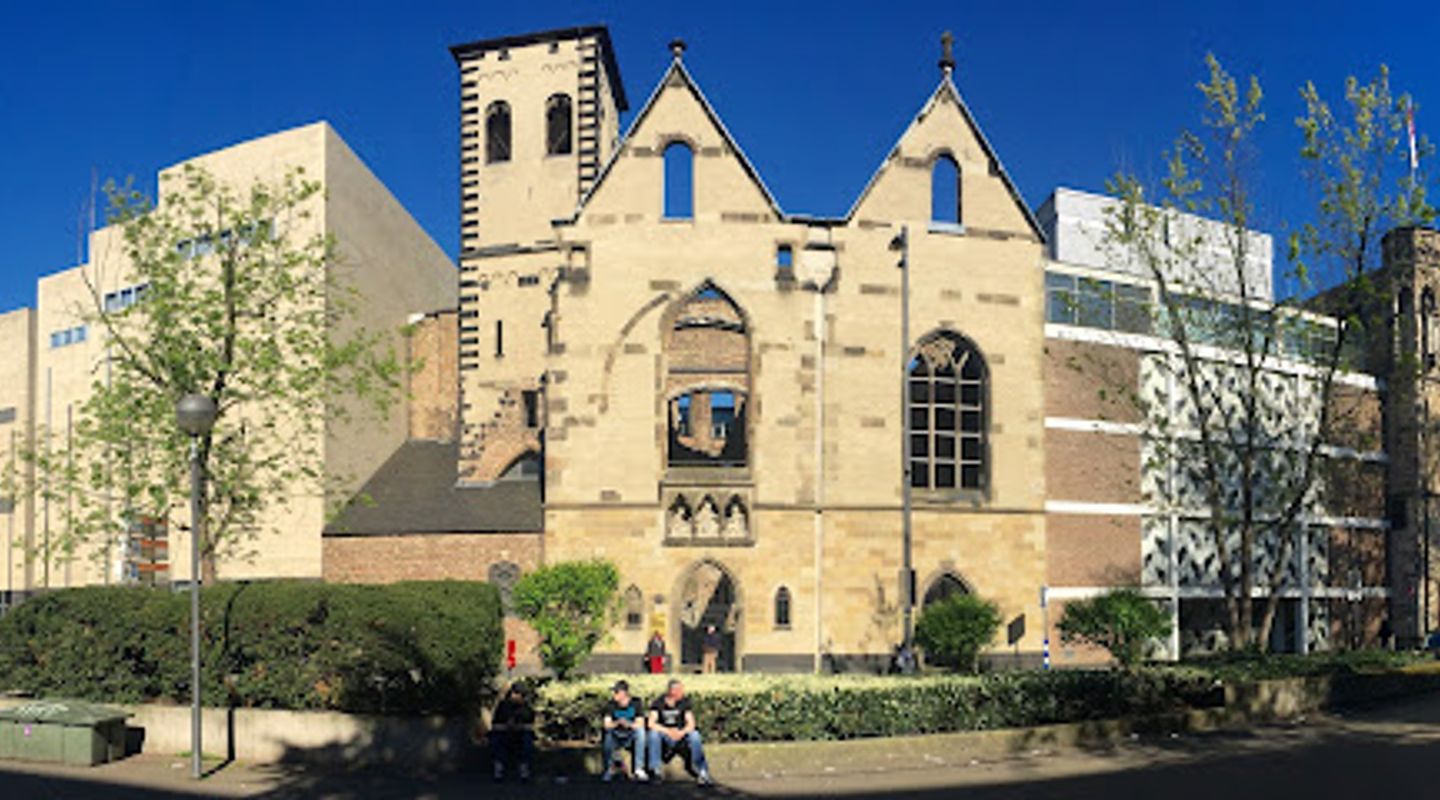
A poignant World War II memorial in Cologne, Old St. Alban's haunting ruins and 'Mourning Parents' sculpture offer a powerful space for reflection and remembrance.
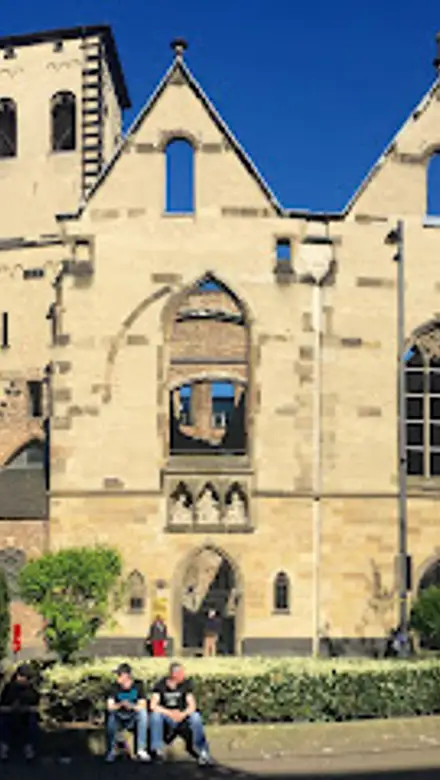
Old St. Alban, a Romanesque church reduced to ruins during World War II, stands as a poignant memorial in the heart of Cologne. Rather than rebuild, the city chose to preserve the remains as a reminder of the war's devastation and a symbol of peace. Today, visitors can witness the haunting beauty of the skeletal structure, featuring a copy of Käthe Kollwitz's sculpture 'Mourning Parents,' a powerful tribute to the fallen. The site offers a space for reflection amidst the bustling city center, easily accessible and serving as a stark contrast to the rebuilt cityscape. While the ruins themselves are not accessible, they can be viewed from the surrounding area, offering a somber yet compelling experience. The Bruder Konrad Chapel, located on the ground floor of the tower, adds another layer of historical and artistic significance to this important landmark.
A brief summary to Old St. Alban
- Quatermarkt 4, Cologne, Innenstadt, 50667, DE
- Click to display

Know before you go
Hi, I'm Eve. Here are a few practical things to know before exploring Old St. Alban.
- Take a moment to reflect on the site's significance as a memorial to the victims of World War II.
- Visit the Bruder Konrad Chapel if it's open to see the 16th-century crescent moon Madonna.
- Combine your visit with a walk through Cologne's Old Town to see other historical landmarks.
Do you manage this location?
Take control to get all the benefits, like improved information, better appearance, and stronger visibility across AI-powered discovery. Learn more about listing your business on Evendo
Activate your presenceOther nearby places you may find interesting
The closest places of the same kind, if this one is not quite what you had in mind.
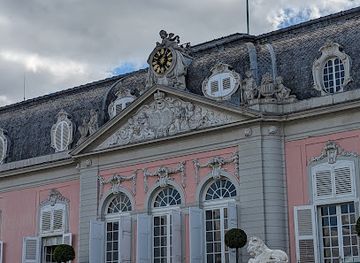
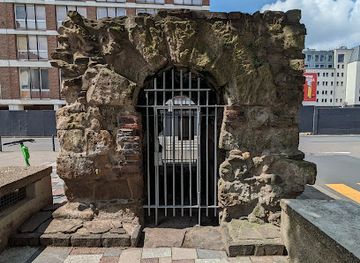
Explore Old St. Alban on the Map
A handpicked selection of must-see spots near Old St. Alban, mapped for you.
Unlock the Best of Old St. Alban
Buy tickets
-
No tickets available
Book tours with entry


Getting There
-
Public Transport
From Cologne Central Station (Köln Hauptbahnhof), take tram line 5 towards Rathaus. The 'Rathaus' stop is approximately 300 meters from Old St. Alban. From the tram stop, walk along Quatermarkt; the ruins will be on your right. A single ticket for a short trip costs approximately €1.90.
-
Walking
From Cologne Cathedral, walk south towards the Old Town (Altstadt). Follow Domhof and turn onto Kurt-Hackenberg-Platz. Continue onto Quatermarkt. Old St. Alban will be on your left, approximately a half-kilometer walk. This is a free and direct way to reach the location.
-
Taxi/Ride-Share
A taxi or ride-share from Cologne Central Station (Köln Hauptbahnhof) to Old St. Alban will take approximately 5-10 minutes, depending on traffic. The estimated fare is between €10-€15. Ask the driver to take you to Quatermarkt 4.
-
Driving
Driving directly to Old St. Alban is possible, but parking in the immediate vicinity is limited and can be expensive. The closest parking garage is Parkhaus Gürzenich, located at Quatermarkt 5, right next to the landmark. Hourly rates range from €1.50-€2.50, with a daily maximum of €10.00-€25.00.
Discover more about Old St. Alban













Your all‑in‑one travel companion app
Explore expert travel guides, compare and book tours, experiences, hotels, and more—all from the palm of your hand. Download now for seamless trip planning wherever your wanderlust takes you.


Explore More of Westphalia
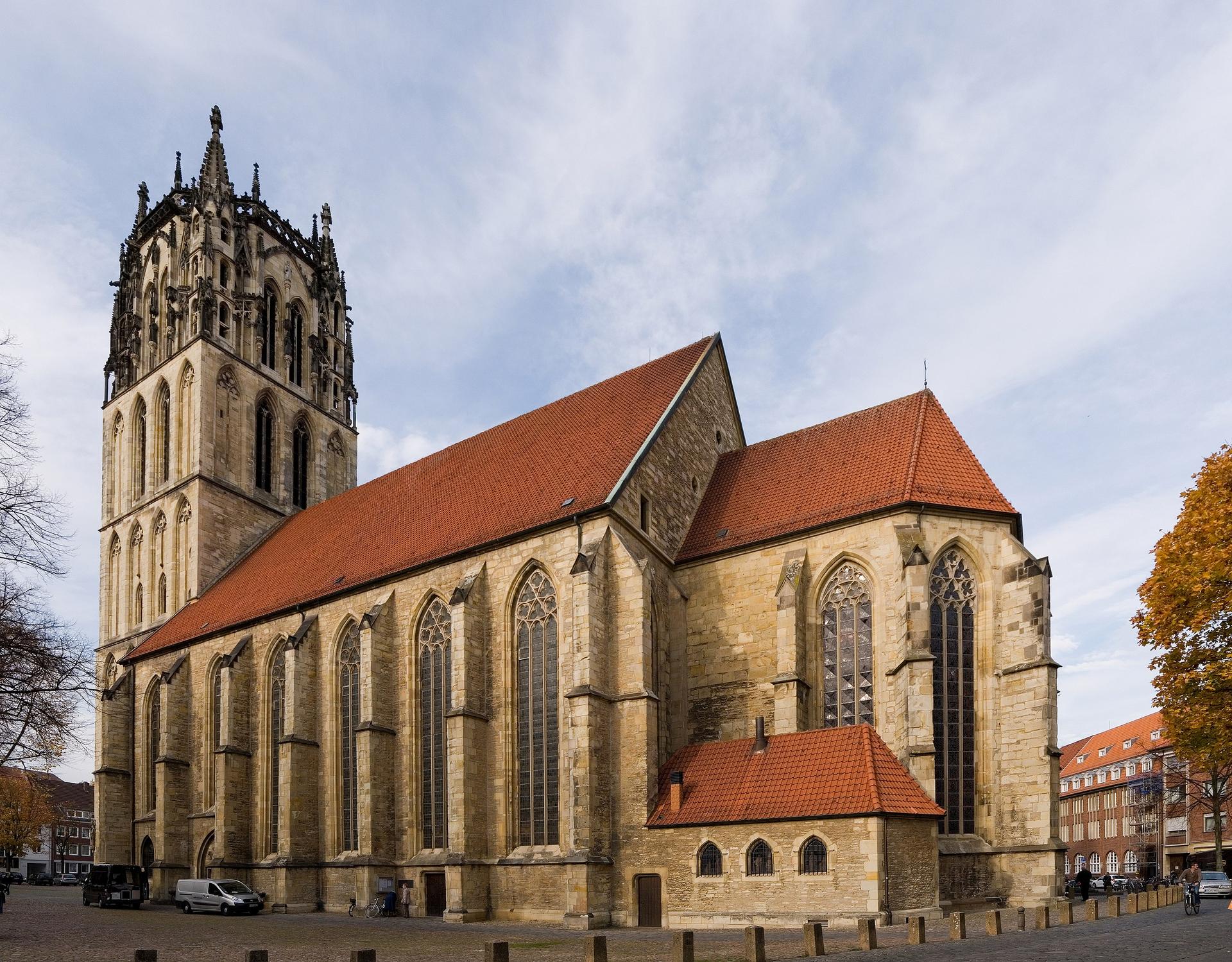
Looking beyond Old St. Alban? Discover Westphalia for broader travel guides, local hot-spots, and regional highlights.
Explore Westphalia
Discover Am Hof in Cologne: A historical square where Roman roots meet medieval charm and modern vibrancy, offering a captivating glimpse into the city's rich heritage.

Discover seven centuries of European art at the Wallraf-Richartz-Museum & Fondation Corboud in Cologne, from medieval masterpieces to Impressionist icons, all in the heart of the city.