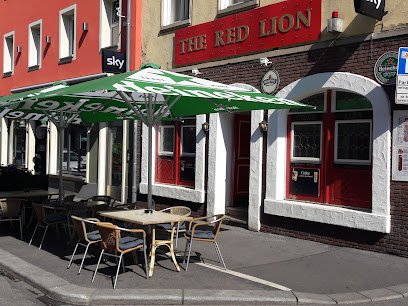
Balthasar-Neumann-Promenade Bastion: A Walk Through History
Stroll along Würzburg's historic Balthasar-Neumann-Promenade Bastion, trace the medieval city walls, and soak in the Baroque splendor of the nearby Residence and gardens.
The Balthasar-Neumann-Promenade Bastion in Würzburg offers a captivating glimpse into the city's rich history. Once part of the medieval city's fortifications, the promenade now provides a scenic route along the edge of the Altstadt (Old Town), adjacent to the Würzburg Residence and its stunning gardens. Named after the renowned Baroque architect Balthasar Neumann, who significantly shaped Würzburg's landscape, the promenade invites visitors to stroll along a path steeped in history. Explore the remnants of the old city wall, enjoy the shade of the trees, and soak in the atmosphere of this historical landmark. The promenade provides easy access to other major attractions, including the Würzburg Residence, a UNESCO World Heritage site, and the picturesque Hofgarten. Whether you're a history enthusiast or simply seeking a pleasant walk, the Balthasar-Neumann-Promenade Bastion is a must-visit destination in Würzburg.
A brief summary to Balthasar-Neumann-Promenade Bastion
- Würzburg, Altstadt, DE
- Visit website
Local tips
- Combine your visit with a tour of the Würzburg Residence and a stroll through the Hofgarten for a full day of historical and architectural exploration.
- Look for the Balthasar-Neumann-Stele, a monument dedicated to the architect, located near the Residenzplatz tram stop.
- Wear comfortable shoes, as you'll be doing a fair amount of walking on paved and gravel paths.
- Check for local events or festivals that may be taking place in the Residenzplatz or Hofgarten during your visit.

Getting There
-
Walking
From the Würzburg Residenz, simply exit towards the Hofgarten (Court Garden). The Balthasar-Neumann-Promenade Bastion runs along the northern edge of the Hofgarten. Follow the path along the garden, enjoying the views of the Residence on one side and the historic city wall remnants on the other. The promenade is easily accessible from the Residenzplatz, the main square in front of the Residence.
-
Public Transport
The closest tram stop is 'Residenzplatz'. From the tram stop, walk towards the Würzburg Residence. The Balthasar-Neumann-Promenade Bastion is located along the side of the Residence, bordering the Hofgarten. A single tram fare within the city (Großwabe Würzburg) is €3.20. A short trip ticket (Kurzstrecke Eins+4) for up to 4 stops is €1.60.
-
Driving
If arriving by car, parking is available at the Residenz parking garage on Balthasar-Neumann-Promenade. From the parking garage, exit towards the Residenz. The Balthasar-Neumann-Promenade Bastion is directly adjacent to the parking area. Parking at Residenz costs €2 per hour from 7:00-20:00, €1 per hour from 20:00-7:00, with a daily maximum of €19.
Discover more about Balthasar-Neumann-Promenade Bastion
Iconic landmarks you can’t miss

Balthasar-Neumann-Promenade Bastion
0.0 km
Discover the charm of the Balthasar-Neumann-Promenade Bastion, a stunning historical landmark in Würzburg, perfect for leisurely strolls and breathtaking views.
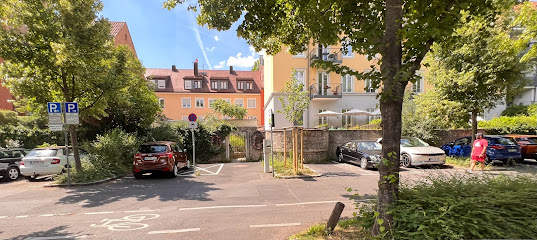
Residenzplatz
0.2 km
Discover the architectural splendor and historical significance of Residenzplatz in Würzburg, a must-visit destination for culture enthusiasts.
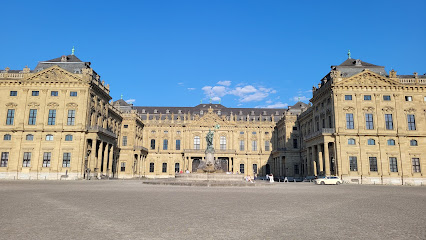
Neubaukirche
0.2 km
Discover the Neubaukirche in Würzburg: A stunning Renaissance church turned university hall, blending history, architecture, and culture in the heart of Bavaria.
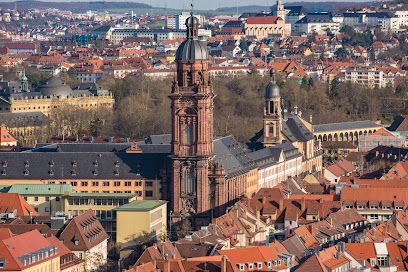
Brunnen an der Residenz
0.3 km
Explore the stunning Brunnen an der Residenz in Würzburg, a historical landmark offering beauty, serenity, and a glimpse into the city's rich past.
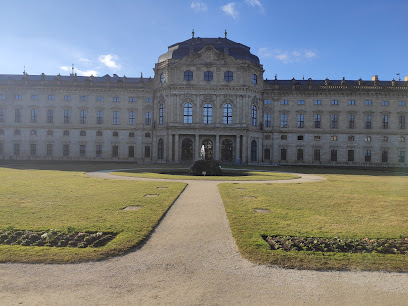
Bürgerspital Winery
0.4 km
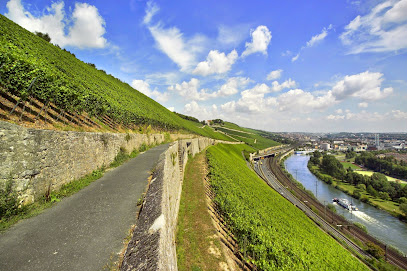
Discover 700 years of Franconian winemaking tradition at Bürgerspital Winery in Würzburg, where exceptional Silvaner wines support a historic charitable foundation.
Puttensäule
0.4 km
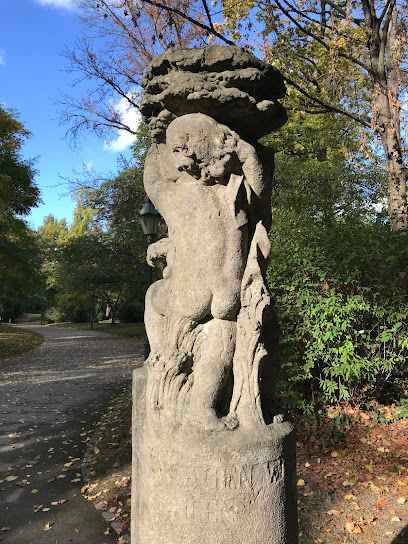
Discover the whimsical charm of Würzburg's Puttensäule, a delightful landmark in the heart of the Altstadt, showcasing the city's artistic spirit and resilience.
Star Square
0.4 km
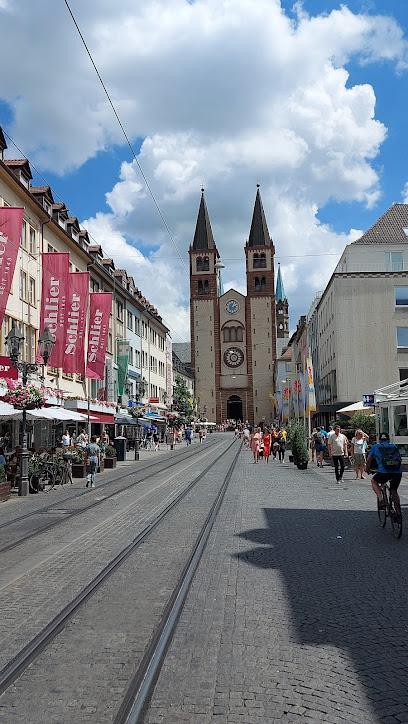
Discover Star Square in Würzburg: A charming fountain square in the heart of the Altstadt, surrounded by baroque architecture, offering a tranquil escape and a taste of local life.
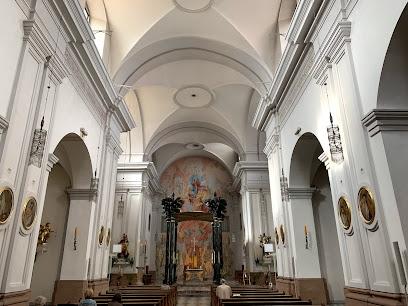
Carmine Church St Joseph and St Mary Magdalene (Reuer Church)
0.5 km
Explore the serene beauty and rich history of Carmine Church in Würzburg, a must-visit for spiritual seekers and architecture lovers alike.
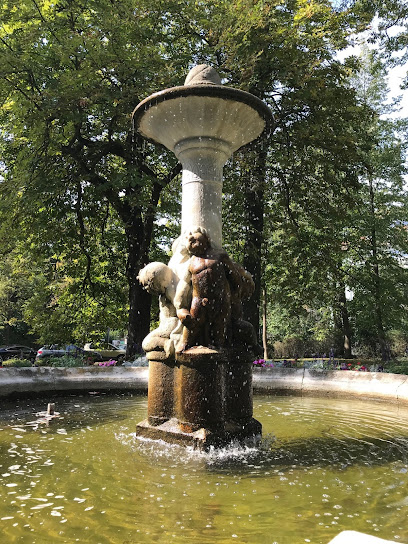
Market Plaza Water Fountain
0.5 km
Discover the captivating beauty and rich history of the Market Plaza Water Fountain in Würzburg, a must-visit historical landmark for all travelers.
Ruschkewitz-Brünnle
0.6 km
Discover the serene beauty and historical charm of Ruschkewitz-Brünnle, the perfect tourist attraction in Würzburg for nature lovers and history buffs alike.
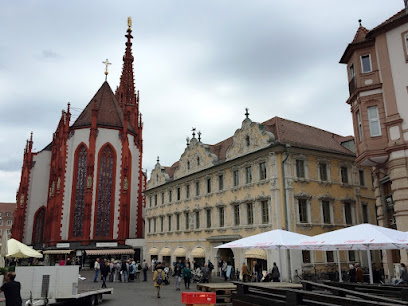
Maria Chappel
0.6 km
Explore the architectural beauty and serene atmosphere of Maria Chapel, a historic Catholic church in the heart of Würzburg's Old Town.
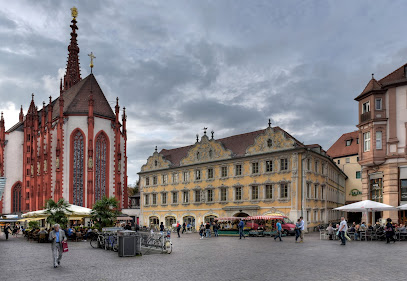
Würzburg City Hall
0.6 km
Discover the architectural beauty and historical significance of Würzburg City Hall, a must-visit landmark in Bavaria's vibrant city center.
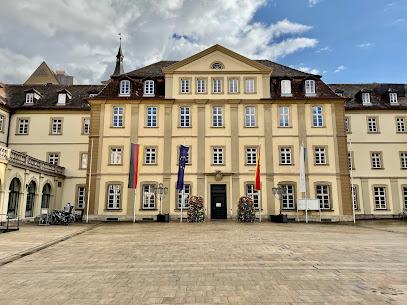
Schwanentor
0.6 km
Explore the architectural beauty and historical significance of Schwanentor, a must-see attraction in Würzburg's charming Altstadt.
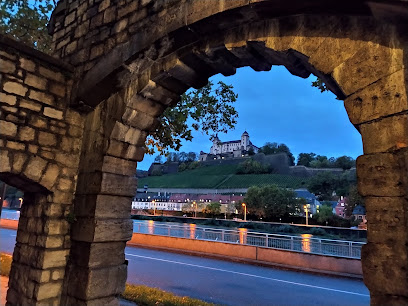
Brunnen am Dominikanerplatz
0.6 km
Discover the charm of Brunnen am Dominikanerplatz, a beautiful fountain in Würzburg's historic Old Town, perfect for relaxation and cultural immersion.
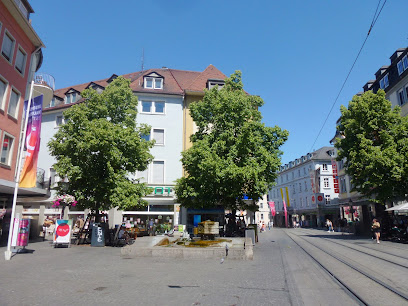
Statue of Saint Kilian
0.7 km
Admire the iconic Statue of Saint Kilian on Würzburg's Old Main Bridge, a symbol of faith and history offering stunning city views and a vibrant atmosphere.
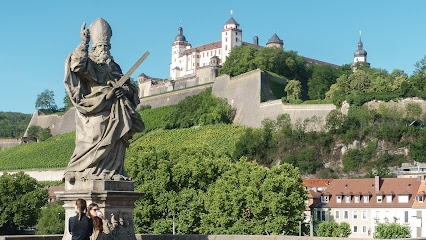
Unmissable attractions to see

Court Garden
0.2 km
Discover the serene beauty of the Court Garden in Würzburg, a stunning attraction filled with vibrant flowers, sculptures, and historic charm.
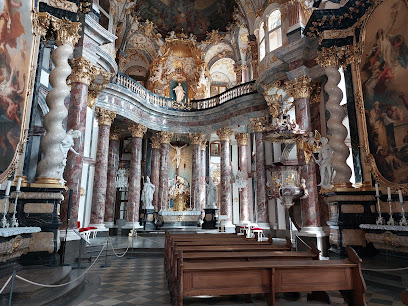
Franconia Fountain
0.2 km
Discover the enchanting Franconia Fountain in Würzburg, a Baroque masterpiece and vibrant social hub amidst stunning historical surroundings.
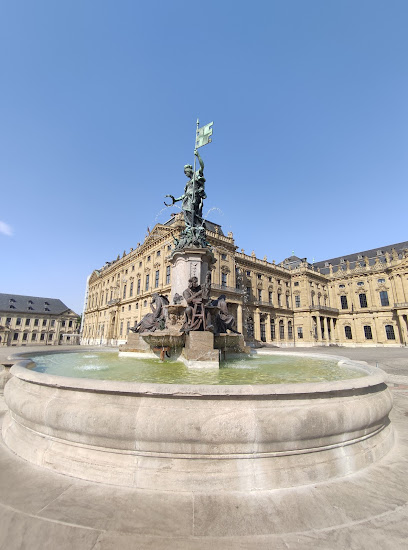
Martin von Wagner Museum
0.3 km
Discover the Martin von Wagner Museum in Würzburg, a captivating blend of art and science showcasing historical masterpieces and engaging exhibitions.
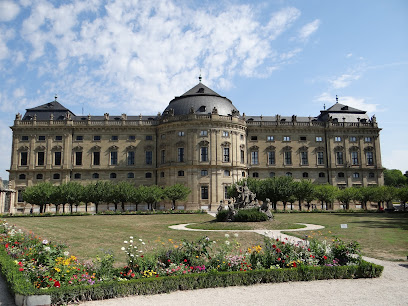
Würzburg Residence
0.3 km
Discover the breathtaking Würzburg Residence, a UNESCO World Heritage Site showcasing stunning baroque architecture and beautiful gardens in Germany.
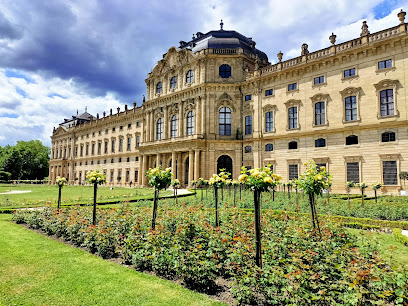
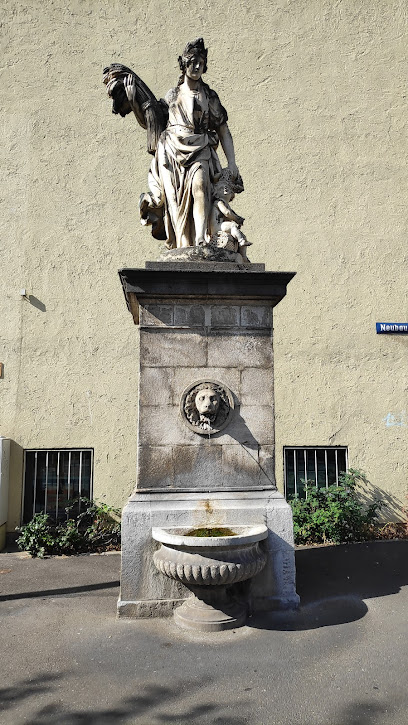
Ceresbrunnen
0.3 km
Explore the enchanting Ceresbrunnen, a stunning Baroque fountain in Würzburg's heart, showcasing the city's rich history and culture.
Wurzburg Cathedral
0.3 km
Discover the architectural splendor and spiritual serenity of Wurzburg Cathedral, a must-visit landmark in Wurzburg offering rich history and stunning artistry.

MAD Museum am Dom
0.4 km
Explore the captivating blend of modern and historical art at the MAD Museum am Dom in Würzburg, a cultural gem in Germany's picturesque landscape.
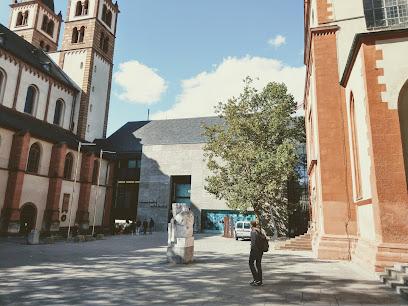
Museum am Dom
0.4 km
Experience the intersection of modern art and history at the Museum am Dom in Würzburg, a cultural gem in the heart of the city.
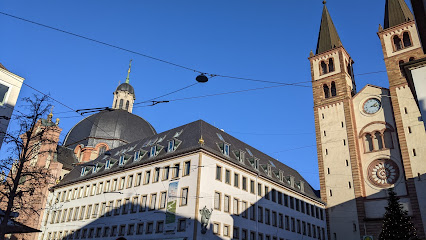
Lusam Garden
0.4 km
Discover the tranquility and beauty of Lusam Garden in Würzburg, a serene oasis perfect for relaxation and nature lovers.
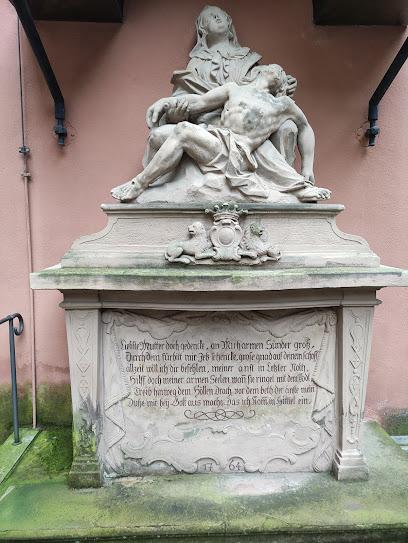
New Munster
0.4 km
Explore the stunning New Munster in Würzburg, a captivating Catholic church rich in history and breathtaking architecture.
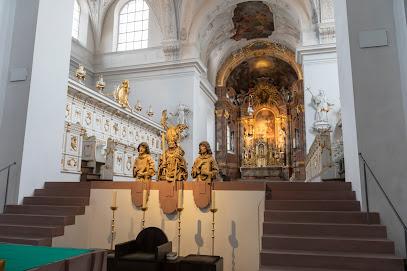
Falkenhaus
0.5 km
Explore the captivating Falkenhaus in Würzburg, a stunning example of Rococo architecture and a key piece of the city's historical heritage.
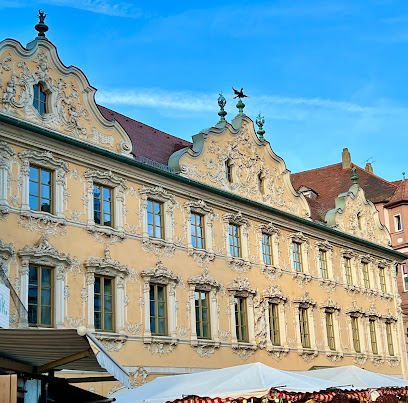
Tourist Information & Ticket Service im Falkenhaus am Markt
0.5 km
Explore the wonders of Würzburg with expert guidance from the Tourist Information & Ticket Service at Falkenhaus am Markt, your essential travel companion.
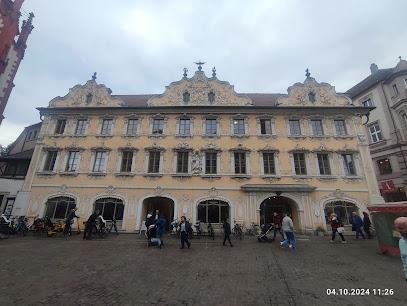
Four Tubes Fountain
0.5 km
Explore the Four Tubes Fountain in Würzburg, a stunning historical landmark showcasing intricate designs and a serene atmosphere amidst vibrant city life.
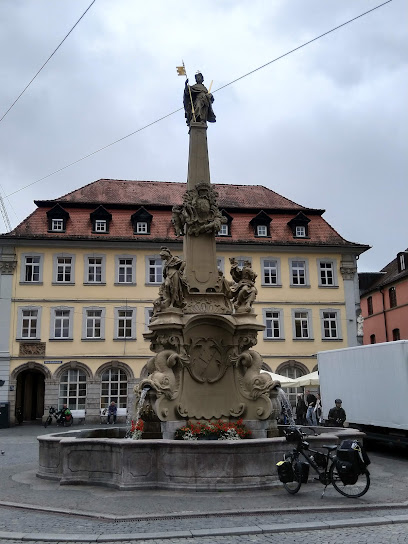
Marktplatz
0.5 km
Explore Würzburg's Marktplatz: a bustling marketplace rich in history, culture, and local flavors, perfect for an unforgettable tourist experience.
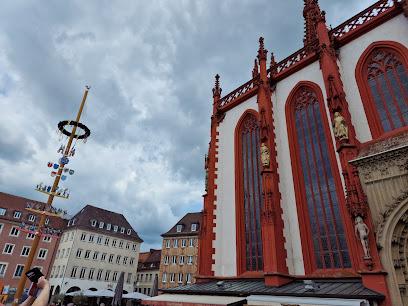
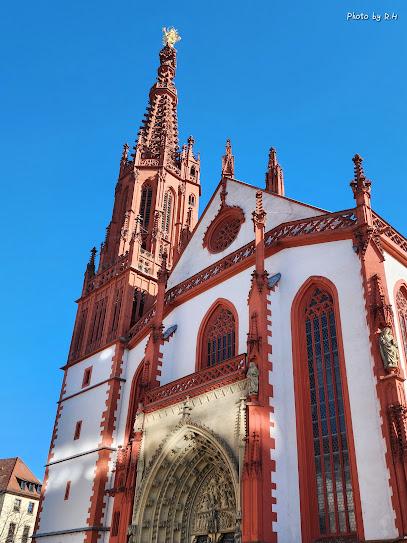
St Mary's Chapel
0.6 km
Explore the enchanting St. Mary's Chapel in Würzburg, a Gothic architectural gem filled with history, stunning artistry, and serene ambiance.
Essential places to dine

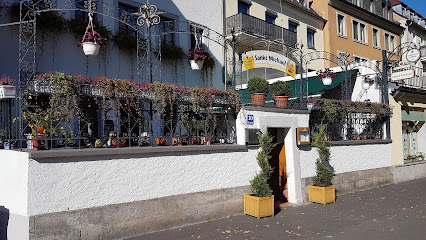
Restaurant Sankt Michael
0.1 km
Experience authentic Franconian cuisine at Restaurant Sankt Michael in Würzburg – where every meal tells a story of local tradition.
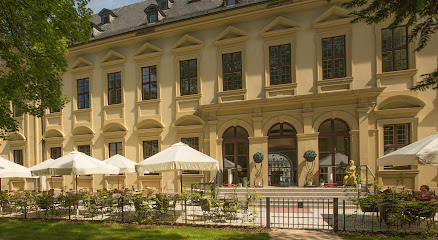
B.Neumann Residenzgaststätten
0.1 km
Discover authentic German cuisine at B.Neumann Residenzgaststätten with a beautiful beer garden in historic Würzburg.
Wirtshaus am Dom Würzburg
0.2 km
Experience authentic European cuisine at Wirtshaus am Dom in Würzburg's historic Altstadt, where culinary excellence meets warm hospitality.
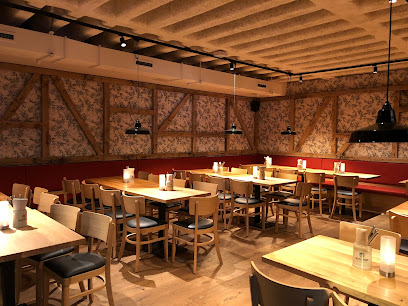
Franziskaner - Würzburg
0.3 km
Discover authentic German cuisine at Franziskaner in Würzburg - where tradition meets flavor in a warm ambiance.
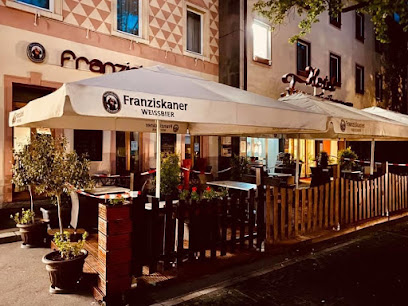
Der Auflauf - Würzburg
0.3 km
Experience authentic Franconian cuisine with a modern twist at Der Auflauf in beautiful Würzburg.
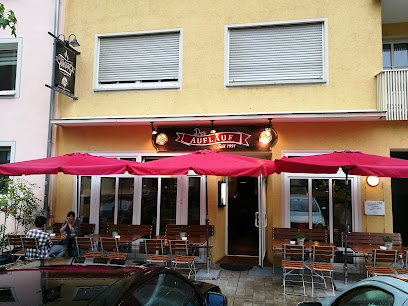
KUNO 1408
0.4 km
Experience fine dining at KUNO 1408 in Würzburg - where traditional Franconian cuisine meets modern culinary artistry.
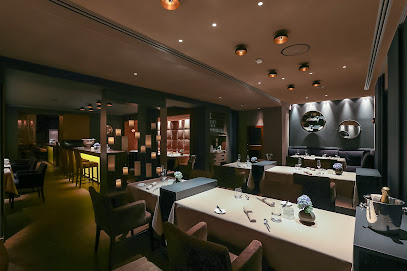
Ristorante Le Candele
0.4 km
Experience authentic Italian cuisine at Ristorante Le Candele in Würzburg - where every dish tells a story.
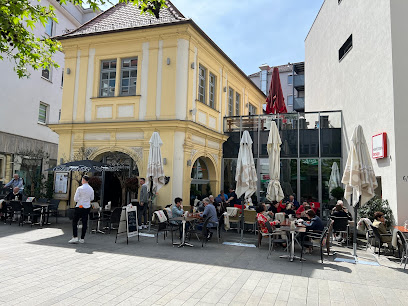
Wirtshaus Karthäuser
0.4 km
Savor traditional Bavarian flavors at Wirtshaus Karthäuser in Würzburg - a must-visit for culinary enthusiasts seeking authentic German dishes.
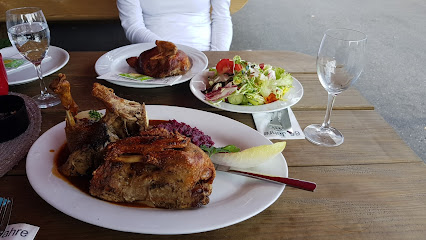
Pasta e Olio - Würzburg
0.4 km
Experience authentic Italian cuisine at Pasta e Olio in Würzburg – a must-visit for food enthusiasts seeking delicious pasta and pizza.
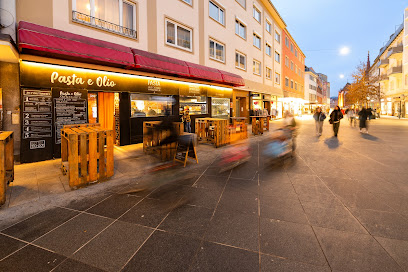
Sternbäck
0.4 km
Experience authentic German cuisine and lively atmosphere at Sternbäck in Würzburg's historic Altstadt.
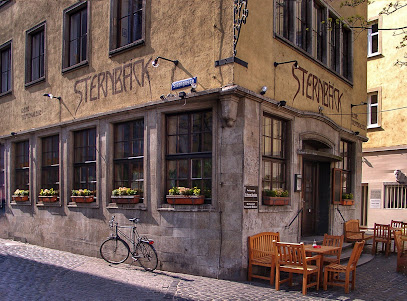
Capri Blue Grotto
0.4 km
Experience culinary bliss at Capri Blue Grotto – where Mediterranean flavors meet warm hospitality in the heart of Würzburg.
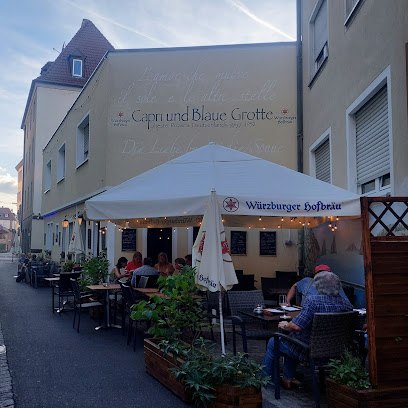
Bürgerspital-Weinstuben
0.4 km
Discover the authentic taste of Franconian cuisine at Bürgerspital-Weinstuben in Würzburg—where tradition meets exceptional dining.
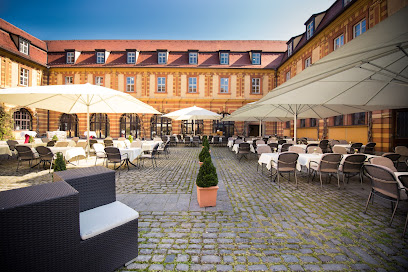
MyWurscht
0.4 km
Savor authentic German street food at MyWurscht in Würzburg - where delicious sausages meet vibrant atmosphere.
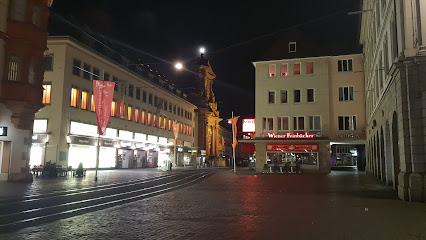
Backöfele
0.5 km
Experience authentic Franconian cuisine at Backöfele in Würzburg, where tradition meets flavor in every dish.
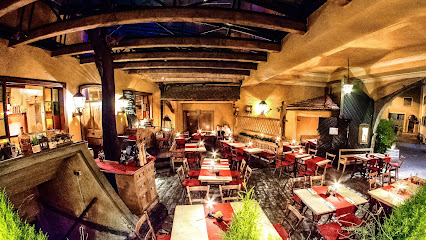
Chase Steakhouse
0.5 km
Experience the finest American dining at Chase Steakhouse in Würzburg – where perfectly grilled steaks meet gourmet flavors.
Markets, malls and hidden boutiques

KulturGut AG Museumsshop Residenz Würzburg
0.1 km
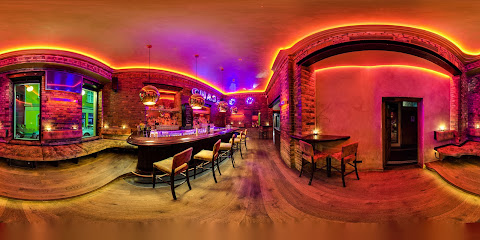
Explore the rich cultural heritage of Würzburg at KulturGut AG Museumsshop, a charming destination for unique souvenirs and gifts.
Das Casa - Bestes Eis und specialty coffee in Würzburg
0.2 km
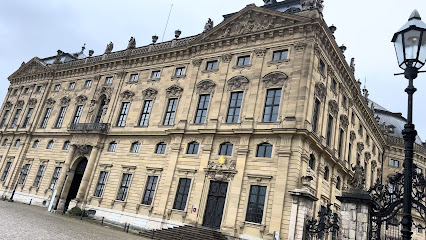
Discover Das Casa in Würzburg for artisanal ice cream and specialty coffee in a cozy atmosphere, perfect for a sweet break during your travels.
5 fine fashion - Der Laden mit Liebe zum Design
0.3 km
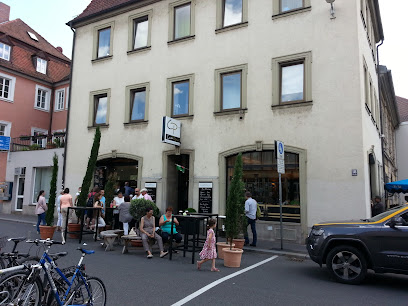
Explore the stylish world of 5 Fine Fashion Boutique in Würzburg, where elegance and unique designs come together in a charming shopping experience.
Lindt Boutique Würzburg
0.4 km
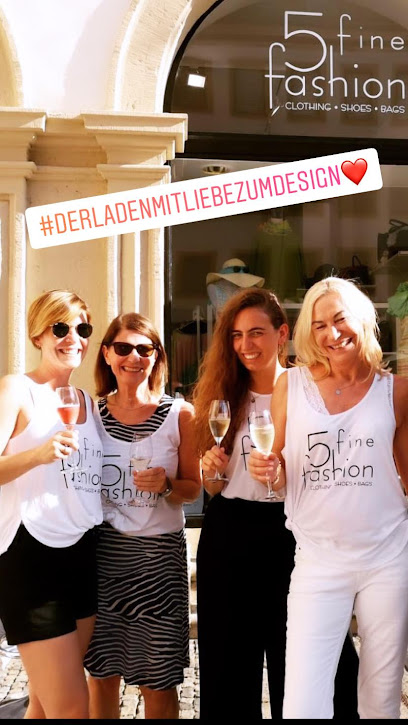
Discover the exquisite world of chocolate at Lindt Boutique Würzburg, where every bite is a rich delight waiting to be savored.
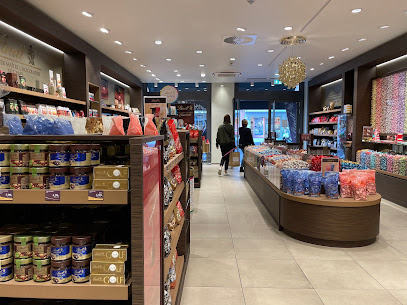
Mainglück
0.4 km
Explore Mainglück in Würzburg for a unique shopping experience, featuring stylish women's clothing and personalized service in a charming boutique atmosphere.
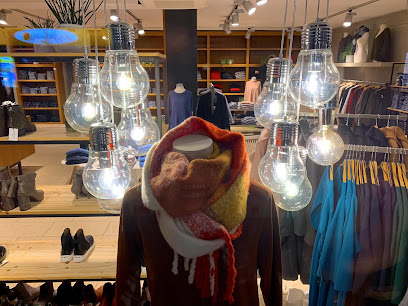
Ellie Boutique Würzburg
0.4 km
Explore unique style at Ellie Boutique Würzburg, where fashion meets local charm in the heart of the city.
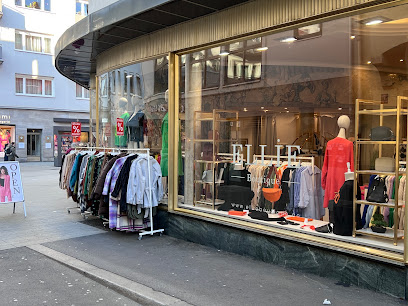
Zeitgeist
0.4 km
Explore Zeitgeist, a charming gift shop in Würzburg, offering unique local crafts and souvenirs that capture the essence of your visit.
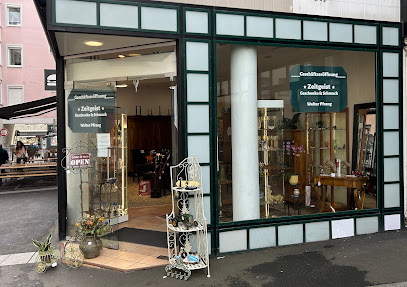
Palm of Paradise
0.4 km
Explore the vibrant fashion scene at Palm of Paradise in Würzburg, where unique styles meet warm hospitality for an unforgettable shopping experience.
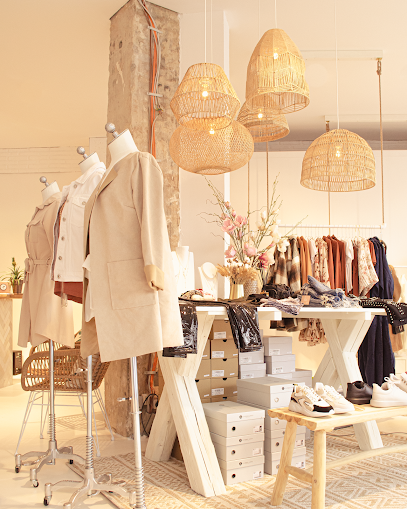
NO REGRETS
0.4 km
Explore the vibrant clothing store NO REGRETS in Würzburg for trendy apparel and a unique shopping experience in the heart of the city.
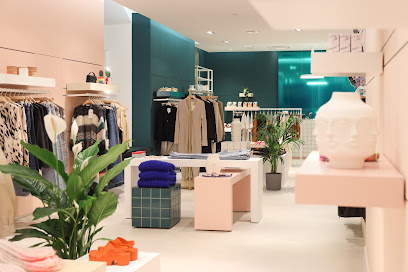
Schlier - Modehaus in Würzburg
0.4 km
Discover a diverse selection of high-quality fashion at Schlier, Würzburg's premier clothing store for the whole family.
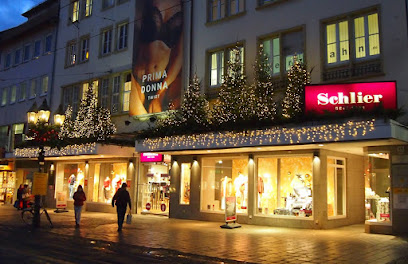
's Fachl Würzburg
0.4 km
Explore 's Fachl Würzburg for unique local gifts and handcrafted treasures that embody the spirit of this charming German city.
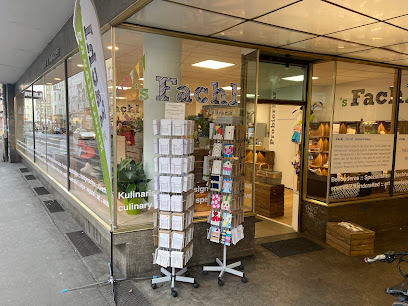
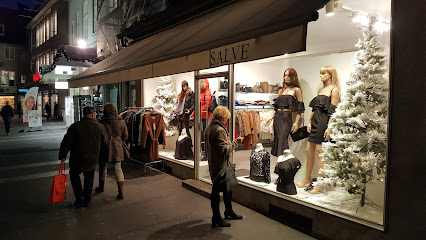
Salve
0.5 km
Discover unique Italian fashion at Salve, the charming boutique in Würzburg’s Altstadt, offering a cozy shopping experience for every style enthusiast.
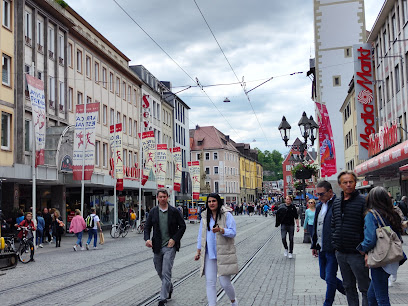
Dompassage
0.5 km
Explore the vibrant shopping scene at Dompassage in Würzburg, where retail therapy meets delightful dining and local culture.
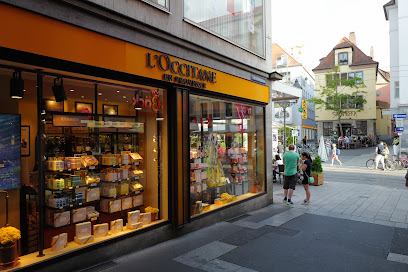
L'OCCITANE EN PROVENCE
0.5 km
Explore the exquisite world of beauty and skincare at L'OCCITANE EN PROVENCE, where nature meets luxury in the heart of Würzburg.
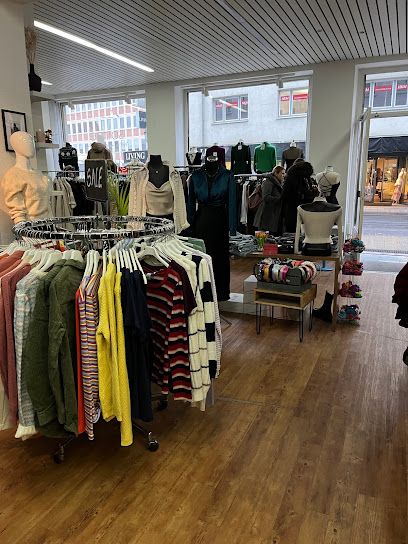
Soirée
0.5 km
Discover unique fashion at Soirée in Würzburg's Altstadt, where style meets local charm for an unforgettable shopping experience.
Essential bars & hidden hideouts

Lemondrive Bar
0.3 km
Discover the vibrant nightlife of Würzburg at Lemondrive Bar, where expertly crafted cocktails meet a lively atmosphere for an unforgettable night out.
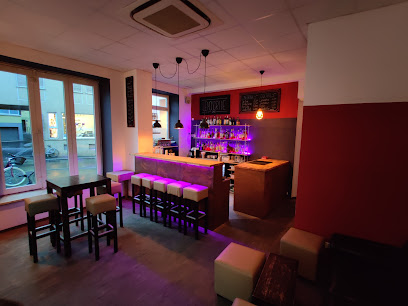
Valentino Café & Highballbar
0.4 km
Experience the perfect blend of delicious cocktails and delightful café treats at Valentino Café & Highballbar in the heart of Würzburg.
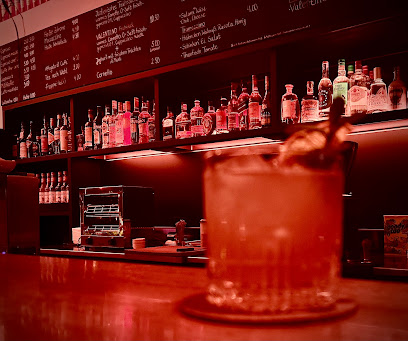
Heinrich
0.4 km
Discover Heinrich in Würzburg – an inviting bar with a vibrant atmosphere and a rich selection of drinks perfect for unwinding and socializing.
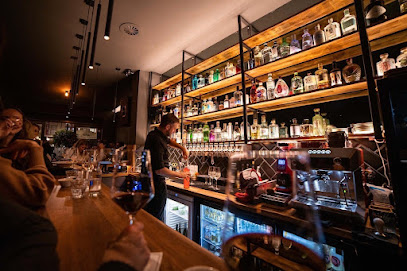
Weinstube und Bierkeller Till Eulenspiegel
0.4 km
Discover the heart of Würzburg's culinary scene at Weinstube und Bierkeller Till Eulenspiegel, where local wines and traditional dishes come together in a cozy setting.
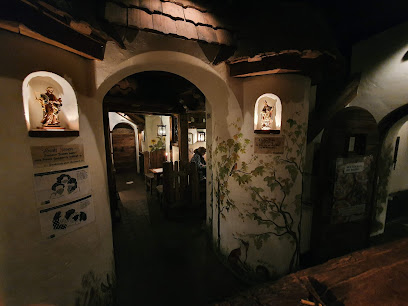
Hoffnung - Würzburg
0.5 km
Discover Hoffnung, a lively bar in Würzburg's Altstadt, perfect for enjoying local drinks and vibrant nightlife amidst charming surroundings.
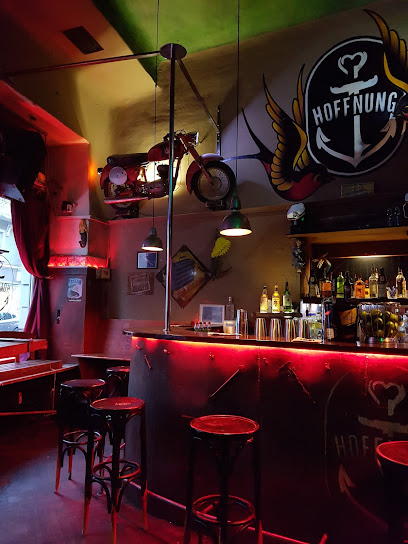
Loma
0.5 km
Discover Loma, Würzburg's vibrant bar that offers exquisite drinks and an electrifying atmosphere for nightlife lovers.
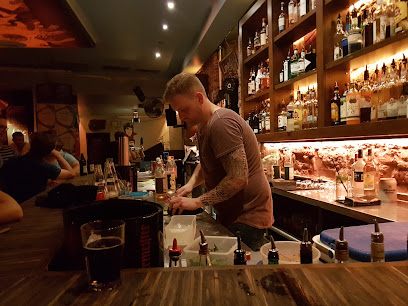
Chase Bar
0.5 km
Discover the vibrant nightlife at Chase Bar in Würzburg, where cocktails flow and the dance floor beckons!
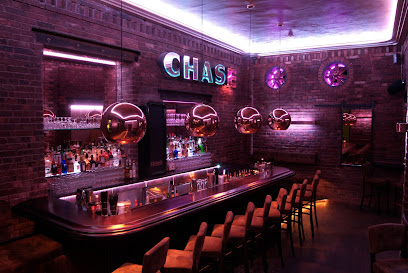
Reuererbäck
0.5 km
Discover the lively bar scene at Reuererbäck in Würzburg, where locals and tourists unite for great drinks and vibrant nightlife.
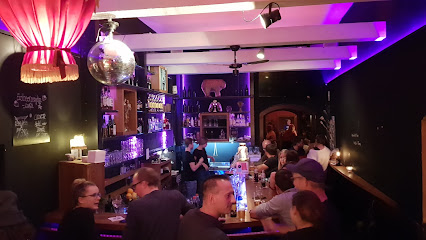
Zum Udo - Würzburg
0.5 km
Discover the vibrant bar scene at Zum Udo in Würzburg, where locals and tourists come together to enjoy exceptional drinks and a lively atmosphere.
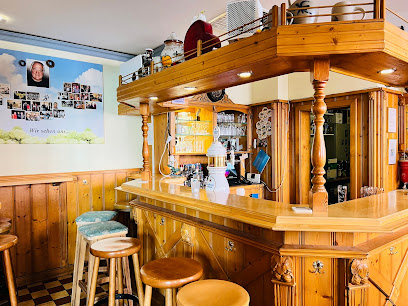
Wohnzimmer Bar Würzburg
0.6 km
Discover the vibrant ambiance and delightful drinks at Wohnzimmer Bar in Würzburg, where nightlife meets cozy comfort.
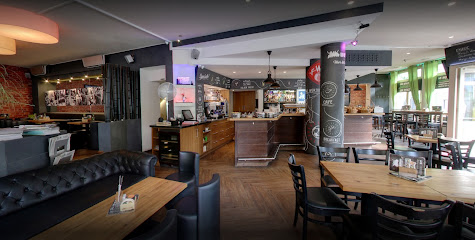
Nachtwächter
0.6 km
Experience the vibrant atmosphere of Nachtwächter, a charming pub in Würzburg offering local beers and traditional German cuisine.
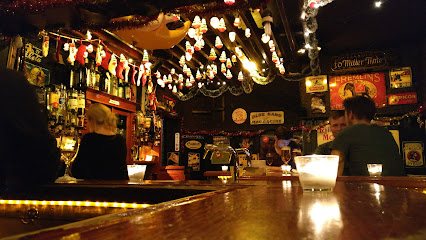
hoch3 - Skylounge
0.6 km
Discover hoch3 - Skylounge, the premier rooftop bar in Würzburg offering stunning views, a vibrant atmosphere, and a delightful selection of drinks.
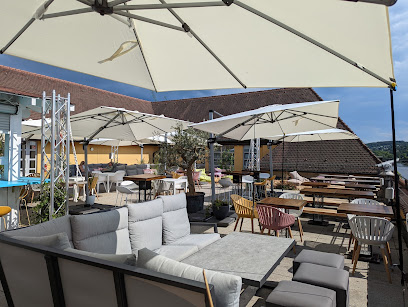
Standard - Würzburg
0.6 km
Explore the vibrant flavors and cultural essence of Würzburg at Standard, a must-visit gastropub and bar for culinary enthusiasts.
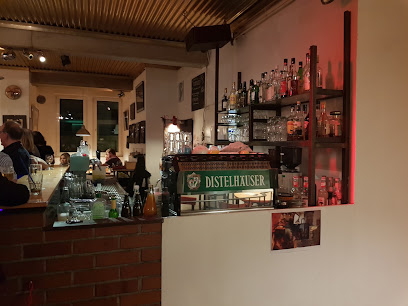
La Bamba - Würzburg
0.6 km
Experience the vibrant nightlife at La Bamba in Würzburg, where delicious drinks and a lively atmosphere await you.
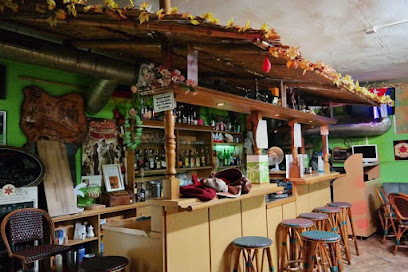
The Red Lion Pub - Würzburg
0.6 km
Experience authentic Irish hospitality at The Red Lion Pub in Würzburg, where delicious food and a vibrant atmosphere await.