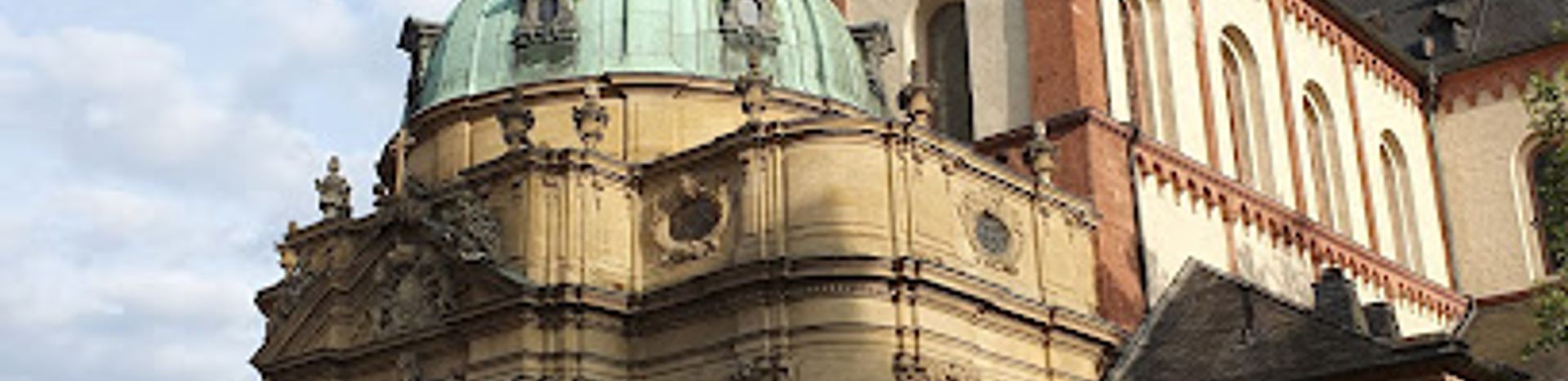
Würzburg Cathedral: A Romanesque Masterpiece
Explore Würzburg Cathedral: A majestic Romanesque basilica with centuries of history, stunning art, and a vibrant spiritual atmosphere in the heart of Würzburg's Old Town.
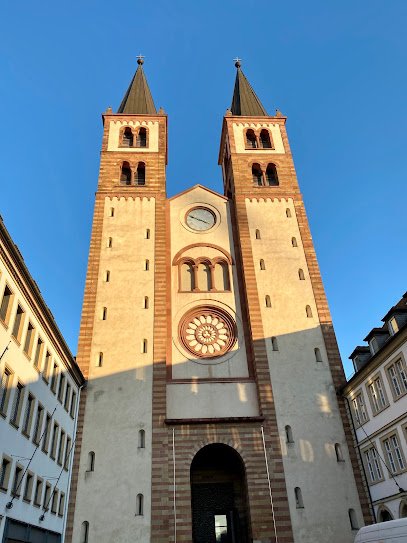
Würzburg Cathedral, also known as St. Kilian's Cathedral, is a magnificent Romanesque basilica that stands as a testament to centuries of history and architectural evolution. Built between 1040 and 1237, it's one of Germany's largest Romanesque churches, showcasing a blend of architectural styles due to numerous reconstructions and renovations. Severely damaged during World War II, the cathedral has been lovingly restored, making it a must-see destination for those seeking to immerse themselves in art, history, and spirituality. The cathedral's imposing facade, intricate interior, and the stories it holds make it a captivating landmark in the heart of Würzburg.
A brief summary to Wurzburg Cathedral
- Domstraße 40, Würzburg, Altstadt, 97070, DE
- +4993138662900
- Visit website
Local tips
- Attend a midday organ meditation for a unique experience of the cathedral's acoustics and spiritual ambiance.
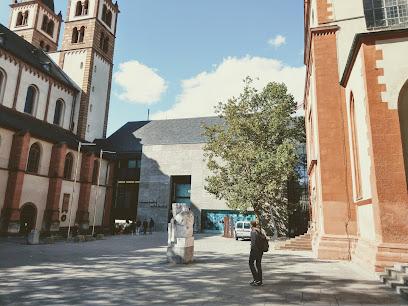
- Visit the Museum am Dom, located next to the cathedral, to delve deeper into the history and art of the cathedral and the diocese of Würzburg.
- Take a guided tour to discover hidden details and fascinating stories about the cathedral's architecture, art, and historical significance.
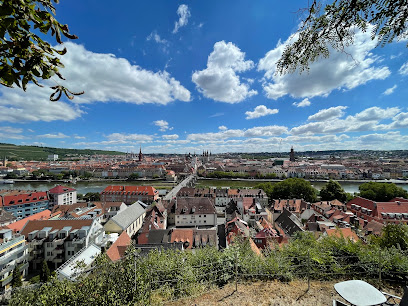
- Combine your visit with a walk across the Old Main Bridge for picturesque views of the cathedral and the Marienberg Fortress.
- Check the cathedral's schedule for concerts and events, offering a chance to experience the space in a unique and memorable way.

Getting There
-
Walking
From the Marktplatz (Market Square), walk east along Domstraße. The cathedral will be on your left, a short walk of approximately 5 minutes. The route is flat and easily walkable, passing by shops and other historical buildings. This is the most direct and scenic route from the city center.
-
Public Transport
From Würzburg Hauptbahnhof (main train station), take Tram line 4 towards 'Würzburg Dom'. The tram stops directly in front of the cathedral. The journey takes approximately 6 minutes and trams run every 10 minutes. A single tram ticket costs around €2.50. Alternatively, several bus lines stop near the Dom, including lines 430. Check local transit schedules for the most up-to-date information.
-
Taxi/Ride-Share
A taxi or ride-share from Würzburg Hauptbahnhof to the cathedral takes approximately 5 minutes, depending on traffic. The cost is typically between €7 and €10. Taxis are readily available at the train station, or you can use a ride-sharing app to request a car.
-
Driving
If driving, be aware that parking near the cathedral is limited and can be expensive. The nearest parking garage is the 'Parkhaus am Dom,' located a short walk from the cathedral. Hourly rates are approximately €2.50, with a daily maximum of €20. Consider parking further away from the city center and walking or taking public transport to avoid traffic and parking hassles.
Discover more about Wurzburg Cathedral
Iconic landmarks you can’t miss

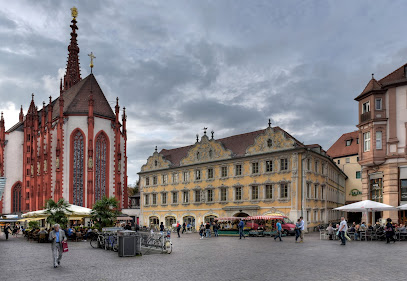
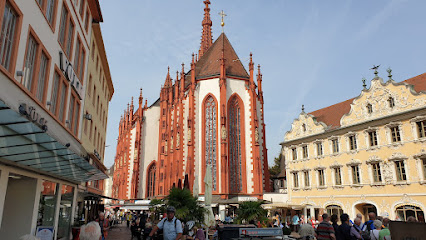
Maria Chappel
0.2 km
Explore the architectural beauty and serene atmosphere of Maria Chapel, a historic Catholic church in the heart of Würzburg's Old Town.
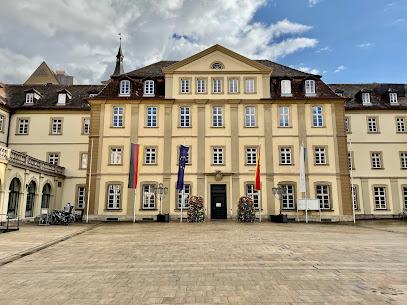
Würzburg City Hall
0.3 km
Discover the architectural beauty and historical significance of Würzburg City Hall, a must-visit landmark in Bavaria's vibrant city center.
Brunnen am Dominikanerplatz
0.3 km
Discover the charm of Brunnen am Dominikanerplatz, a beautiful fountain in Würzburg's historic Old Town, perfect for relaxation and cultural immersion.
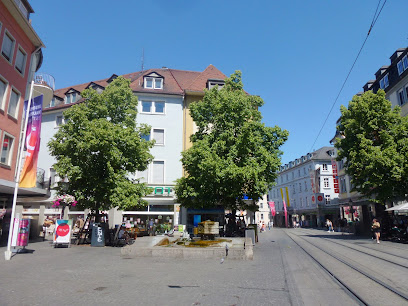
Bürgerspital Winery
0.3 km
Discover 700 years of Franconian winemaking tradition at Bürgerspital Winery in Würzburg, where exceptional Silvaner wines support a historic charitable foundation.
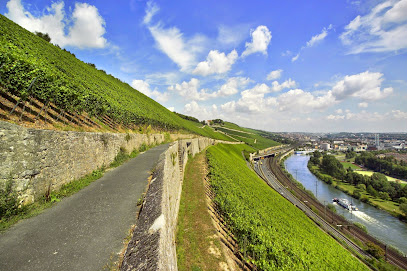
Schwanentor
0.4 km
Explore the architectural beauty and historical significance of Schwanentor, a must-see attraction in Würzburg's charming Altstadt.
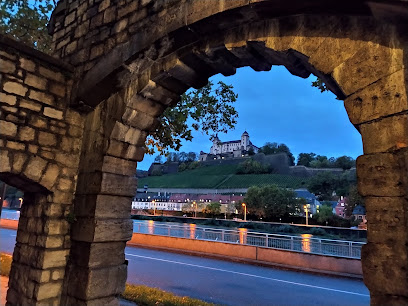
Statue of Saint Kilian
0.4 km
Admire the iconic Statue of Saint Kilian on Würzburg's Old Main Bridge, a symbol of faith and history offering stunning city views and a vibrant atmosphere.
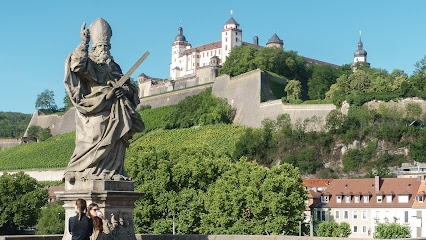
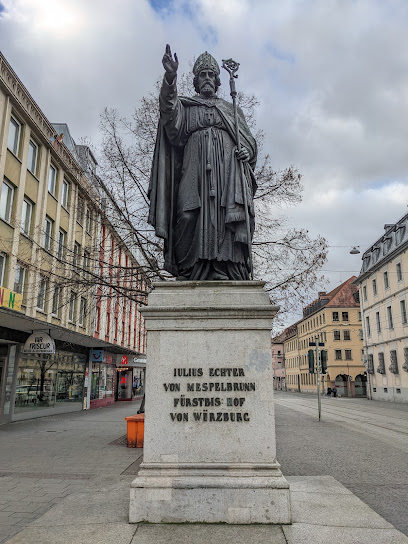
Statue of Julius Echter
0.4 km
A bronze tribute to Prince-Bishop Julius Echter in Würzburg's Old Town, commemorating his complex legacy and contributions to the city's history and culture.
Brückenstatue Jungfrau Maria
0.4 km
Discover the Brückenstatue Jungfrau Maria in Würzburg, a historical landmark offering breathtaking views and rich cultural significance along the beautiful Alte Mainbrücke.
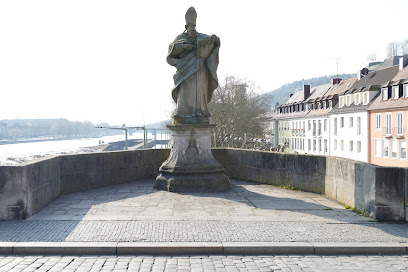
Statue of Saint Bruno
0.5 km
Admire the Statue of Saint Bruno on Würzburg's Old Main Bridge, a historic landmark offering stunning views and a taste of Franconian culture, connecting past and present.
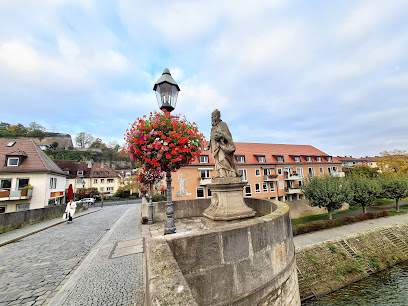
Statue of Emperor Carl the Great
0.5 km
Admire the Statue of Emperor Carl the Great on Würzburg's Alte Mainbrücke, a historical landmark offering stunning views and a taste of Franconian heritage.
Blindenmodell Alte Mainbrücke Würzburg
0.5 km
Experience Würzburg's iconic Old Main Bridge through touch: a tactile model offering a unique and accessible way for visually impaired visitors to explore its history and architecture.
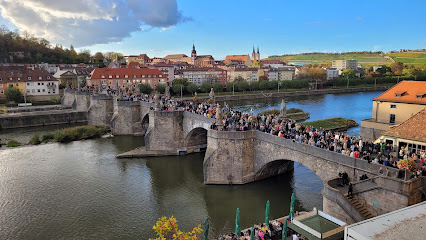
Vier-Flüsse-Brunnen
0.5 km
Discover Würzburg's Baroque heart at the Vier-Flüsse-Brunnen, a stunning fountain celebrating the region's rivers and rich cultural heritage in the city's vibrant market square.
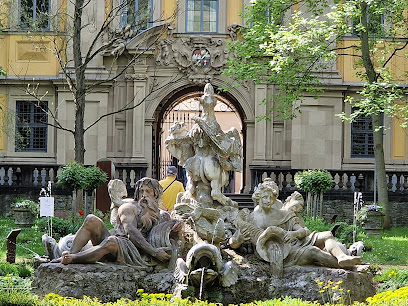
Carmine Church St Joseph and St Mary Magdalene (Reuer Church)
0.6 km
Explore the serene beauty and rich history of Carmine Church in Würzburg, a must-visit for spiritual seekers and architecture lovers alike.
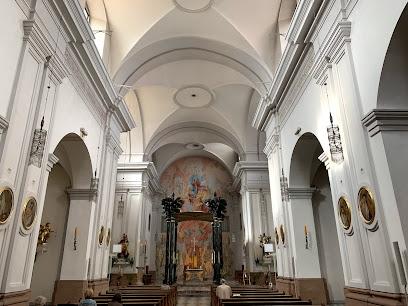
Brunnen an der Residenz
0.6 km
Explore the stunning Brunnen an der Residenz in Würzburg, a historical landmark offering beauty, serenity, and a glimpse into the city's rich past.
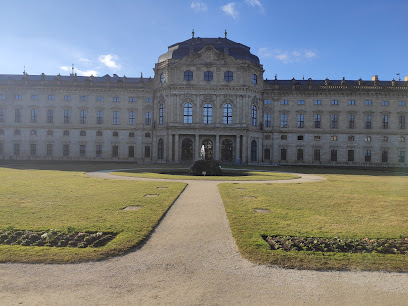
Aussichtspunkt Festung Marienberg
0.7 km
Discover centuries of history and breathtaking views at Festung Marienberg, Würzburg's iconic fortress overlooking the Main River and offering a glimpse into Franconian art and culture.
Unmissable attractions to see

Museum am Dom
0.0 km
Discover modern art and cultural heritage at the Museum am Dom in Würzburg, a captivating destination for art lovers and tourists alike.
MAD Museum am Dom
0.0 km
Explore the captivating blend of modern and historical art at the MAD Museum am Dom in Würzburg, a cultural gem in Germany's picturesque landscape.
Schönborn Chapel
0.0 km
Experience the tranquil beauty and rich history of Schönborn Chapel, a cherished gem in Würzburg's cultural landscape, perfect for reflection and exploration.
New Munster
0.1 km
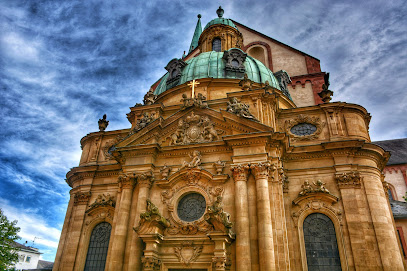
Discover New Munster: A stunning baroque Catholic church in Würzburg, rich in history and artistry, perfect for all travelers.
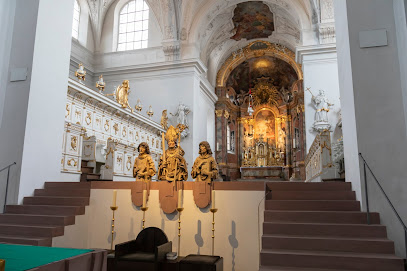
Lusam Garden
0.1 km
Discover the tranquility and beauty of Lusam Garden in Würzburg, a serene oasis perfect for relaxation and nature lovers.
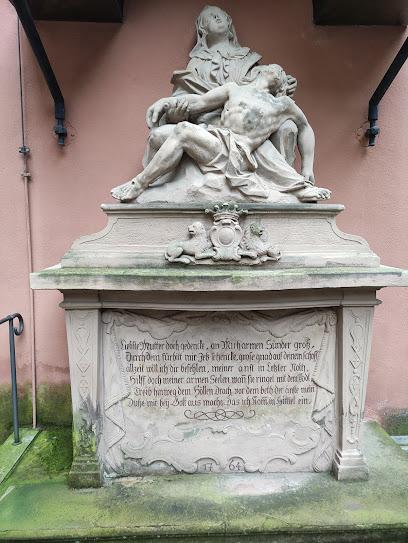
Star Square
0.2 km
Experience the beauty of Star Square, a serene fountain in Würzburg's historic Altstadt, perfect for relaxation and cultural exploration.
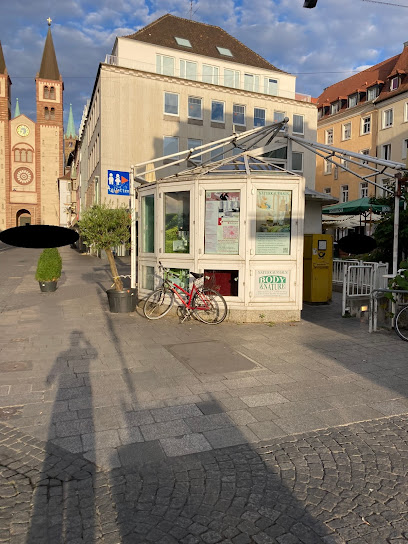
Häckerbrunnen
0.2 km
Experience the beauty and history of Häckerbrunnen, a stunning fountain in Würzburg's Altstadt, perfect for relaxation and exploration.
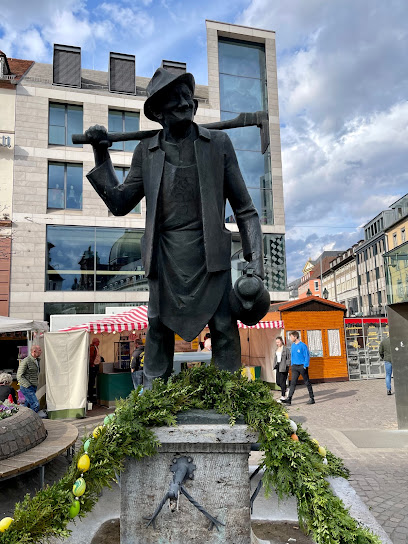
Ehemaliges Wohnhaus Balthasar Neumanns
0.2 km
Explore the historic residence of Balthasar Neumann in Würzburg, a stunning example of Baroque architecture and a significant cultural landmark.
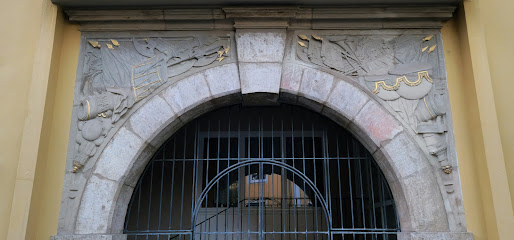
Falkenhaus
0.2 km
Discover the stunning Rococo architecture of Falkenhaus, a historical landmark in Würzburg renowned for its ornate facade and cultural significance.
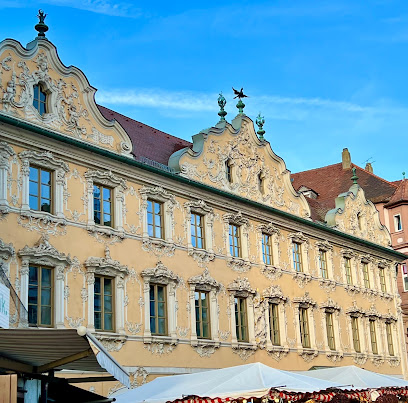
Tourist Information & Ticket Service im Falkenhaus am Markt
0.2 km
Explore the wonders of Würzburg with expert guidance from the Tourist Information & Ticket Service at Falkenhaus am Markt, your essential travel companion.
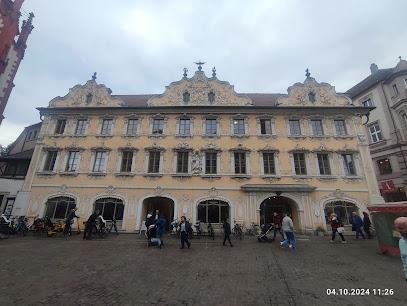
Market Plaza Water Fountain
0.2 km
Discover the historic Obelisk Fountain at Market Plaza, a captivating landmark that embodies Würzburg's rich heritage and vibrant culture.
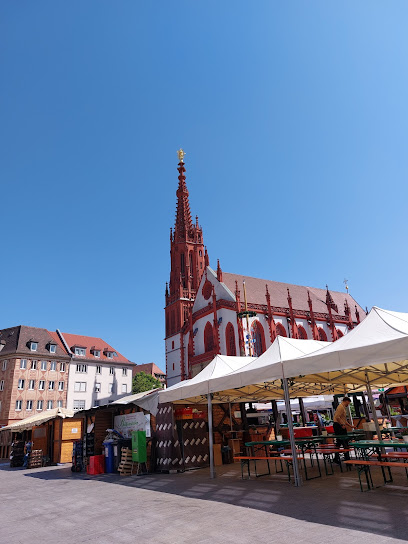
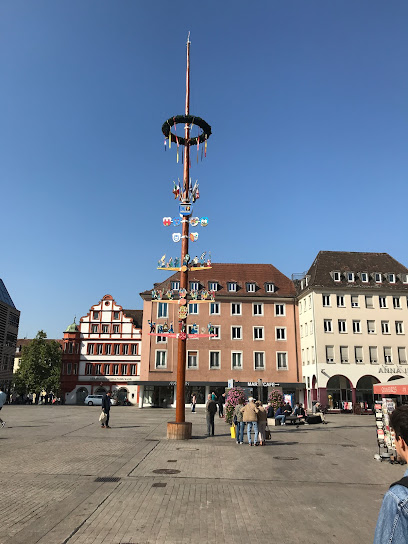
Marktplatz
0.2 km
Explore the vibrant Marktplatz in Würzburg, a cultural hub featuring local markets, stunning architecture, and a lively atmosphere that captures the city's essence.
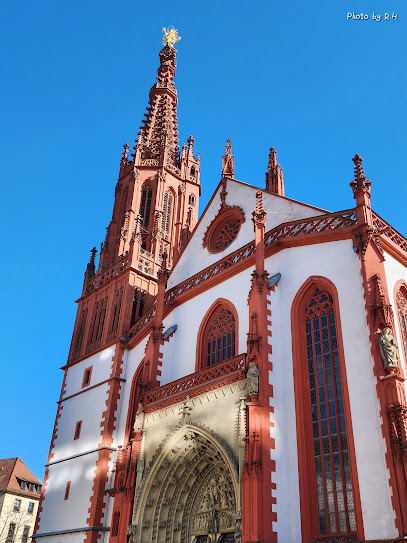
St Mary's Chapel
0.2 km
Discover the architectural beauty and serene ambiance of St. Mary's Chapel, a Gothic masterpiece in the heart of Würzburg's historic center.
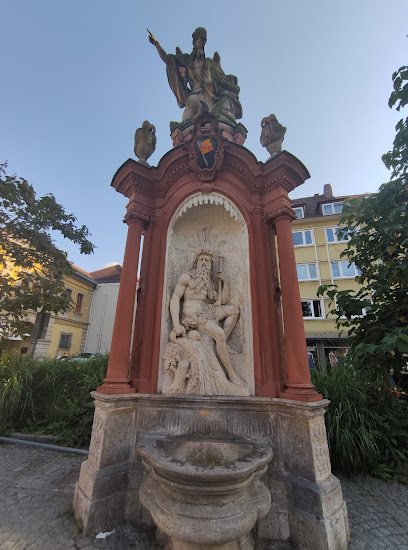
Chronos Fountain
0.2 km
Explore the Chronos Fountain in Würzburg, a stunning historical landmark that embodies the essence of time and beauty in the heart of the city.
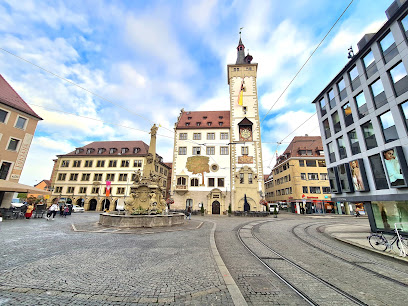
Grafeneckart
0.2 km
Discover the historical charm of Grafeneckart in Würzburg, a stunning landmark that reflects the city's rich cultural heritage.
Essential places to dine

Wirtshaus am Dom Würzburg
0.1 km
Experience authentic European cuisine at Wirtshaus am Dom in Würzburg's historic Altstadt, where culinary excellence meets warm hospitality.
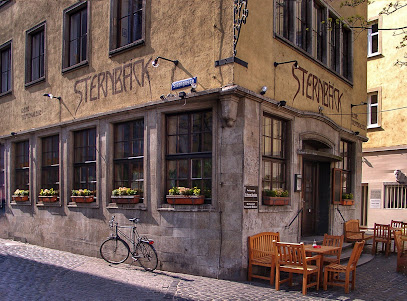
Sternbäck
0.2 km
Experience authentic German cuisine and lively atmosphere at Sternbäck in Würzburg's historic Altstadt.
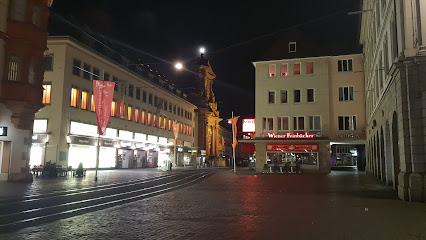
MyWurscht
0.2 km
Savor authentic German street food at MyWurscht in Würzburg - where delicious sausages meet vibrant atmosphere.
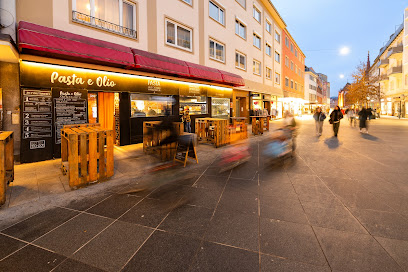
Pasta e Olio - Würzburg
0.2 km
Experience authentic Italian cuisine at Pasta e Olio in Würzburg – a must-visit for food enthusiasts seeking delicious pasta and pizza.
Ristorante Le Candele
0.2 km
Experience authentic Italian cuisine at Ristorante Le Candele in Würzburg - where every dish tells a story.
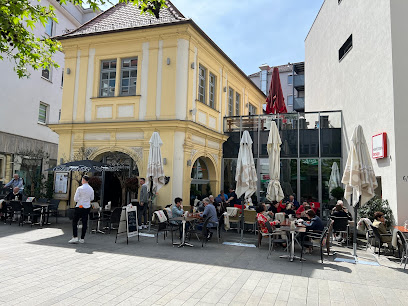
Casa del Gusto
0.2 km
Experience authentic Italian cuisine at Casa del Gusto in Würzburg - where every meal is a celebration of flavor.
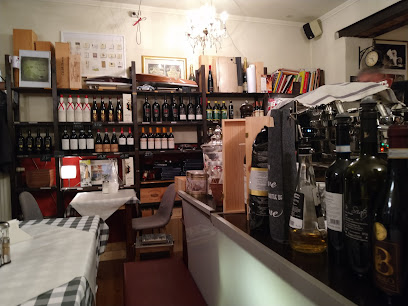
Backöfele
0.3 km
Experience authentic Franconian cuisine at Backöfele in Würzburg, where tradition meets flavor in every dish.
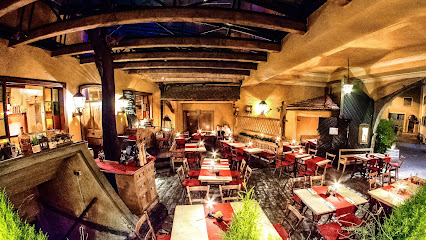
Würzburger Ratskeller
0.3 km
Experience authentic Franconian cuisine at Würzburger Ratskeller in Würzburg's charming Altstadt.
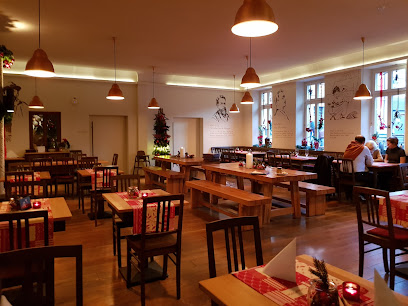
Franziskaner - Würzburg
0.3 km
Discover authentic German cuisine at Franziskaner in Würzburg - where tradition meets flavor in a warm ambiance.
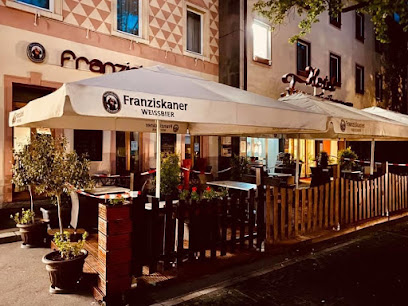
Maulaffenbäck
0.3 km
Experience authentic Franconian cuisine at Maulaffenbäck in Würzburg – where tradition meets modern flavors in a cozy setting.
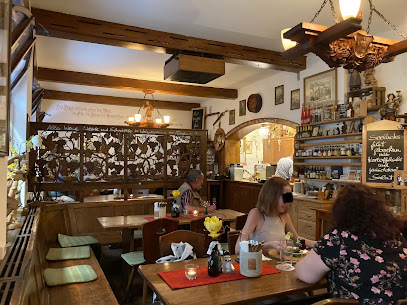
Chase Steakhouse
0.3 km
Experience the finest American dining at Chase Steakhouse in Würzburg – where perfectly grilled steaks meet gourmet flavors.
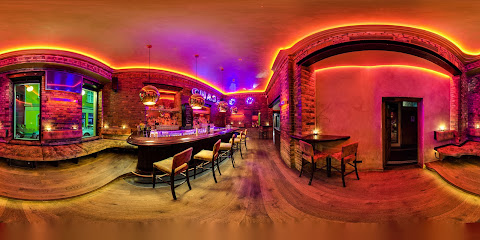
Aifach Reisers
0.3 km
Discover Aifach Reisers in Würzburg for a delightful blend of traditional German cuisine and modern culinary artistry.
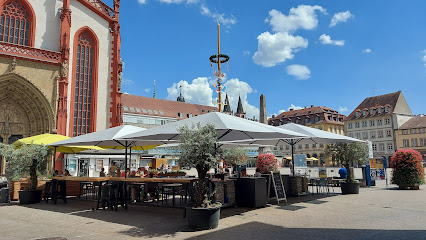
Wirtshaus Lämmle
0.3 km
Savor authentic Franconian dishes at Wirtshaus Lämmle in Würzburg's historic Altstadt—where tradition meets taste.
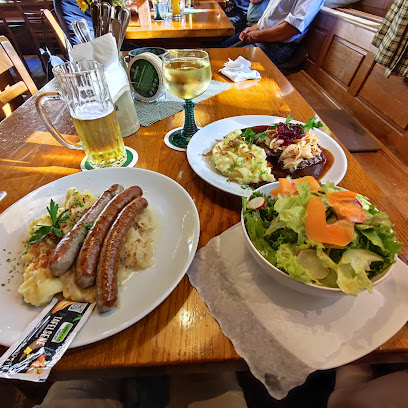
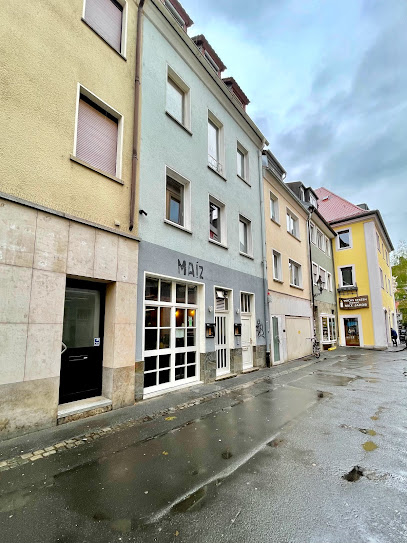
Maiz Taqueria
0.3 km
Experience vibrant flavors at Maiz Taqueria - Würzburg's top destination for authentic Mexican cuisine.
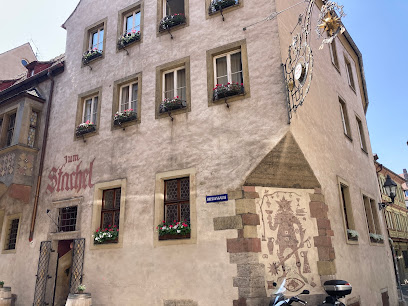
Restaurant & Weinhaus Stachel
0.3 km
Experience authentic German cuisine and exquisite Franconian wines at Restaurant & Weinhaus Stachel in the heart of Würzburg.
Markets, malls and hidden boutiques

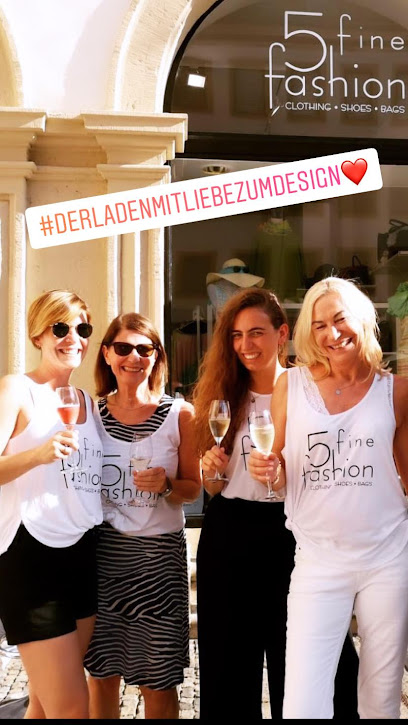
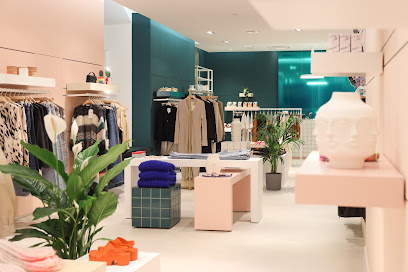
5 fine fashion - Der Laden mit Liebe zum Design
0.0 km
Explore the stylish world of 5 Fine Fashion Boutique in Würzburg, where elegance and unique designs come together in a charming shopping experience.
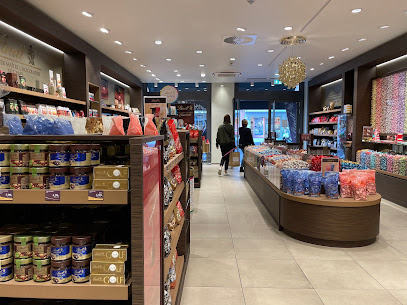
Lindt Boutique Würzburg
0.1 km
Discover the exquisite world of chocolate at Lindt Boutique Würzburg, where every bite is a rich delight waiting to be savored.
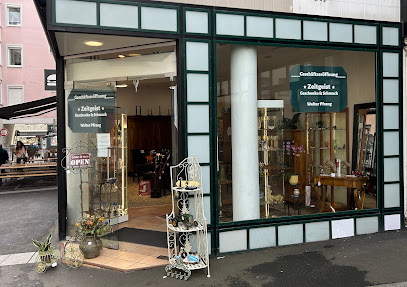
Zeitgeist
0.1 km
Explore Zeitgeist, a charming gift shop in Würzburg, offering unique local crafts and souvenirs that capture the essence of your visit.
NO REGRETS
0.1 km
Explore the vibrant clothing store NO REGRETS in Würzburg for trendy apparel and a unique shopping experience in the heart of the city.
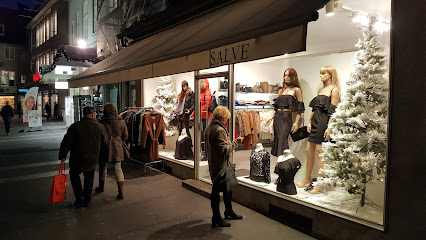
Salve
0.1 km
Discover unique Italian fashion at Salve, the charming boutique in Würzburg’s Altstadt, offering a cozy shopping experience for every style enthusiast.
Schlier - Modehaus in Würzburg
0.2 km
Discover a diverse selection of high-quality fashion at Schlier, Würzburg's premier clothing store for the whole family.
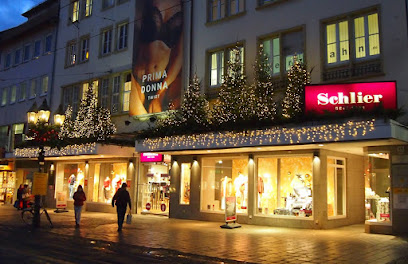
TK Maxx
0.2 km
Explore TK Maxx in Würzburg for unbeatable deals on fashion and home goods in a vibrant shopping atmosphere.
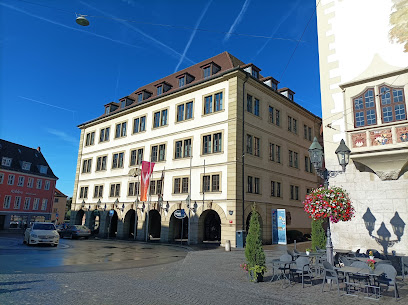
L'OCCITANE EN PROVENCE
0.2 km
Explore the exquisite world of beauty and skincare at L'OCCITANE EN PROVENCE, where nature meets luxury in the heart of Würzburg.
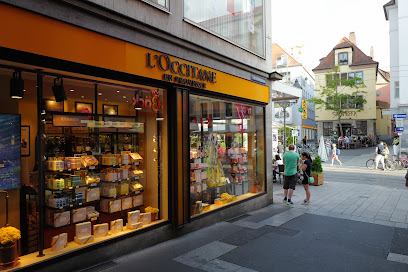
Zara
0.2 km
Shop the latest fashion trends at Zara in Würzburg, a stylish clothing store offering a wide selection for the whole family.
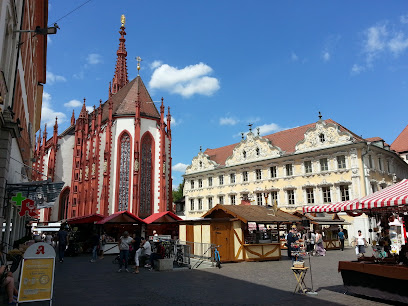
Dompassage
0.2 km
Explore the vibrant shopping scene at Dompassage in Würzburg, where retail therapy meets delightful dining and local culture.
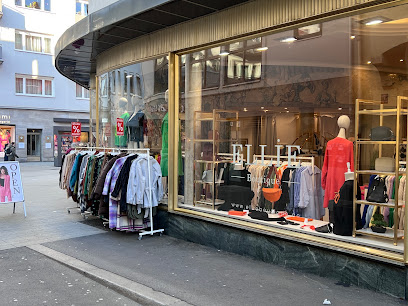
Ellie Boutique Würzburg
0.2 km
Explore unique style at Ellie Boutique Würzburg, where fashion meets local charm in the heart of the city.
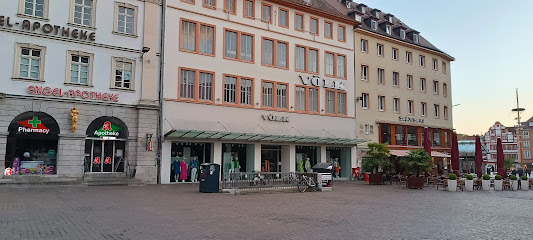
Modehaus Völk
0.2 km
Explore a diverse collection of stylish apparel at Modehaus Völk in Würzburg, where fashion meets quality in a charming atmosphere.
Palm of Paradise
0.2 km
Explore the vibrant fashion scene at Palm of Paradise in Würzburg, where unique styles meet warm hospitality for an unforgettable shopping experience.
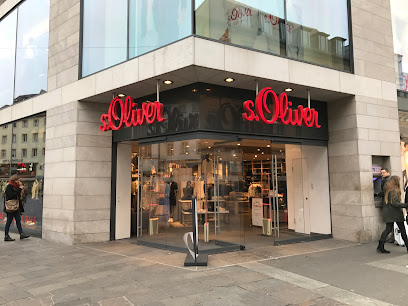
s.Oliver Store
0.2 km
Discover stylish clothing and accessories at s.Oliver Store in Würzburg - a fashion destination in the heart of the city.
Severin Men's Fashion
0.2 km
Discover stylish menswear at Severin Men's Fashion in Würzburg, where quality meets contemporary trends in the heart of the city.
Essential bars & hidden hideouts

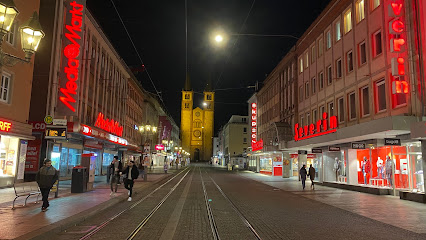
Heinrich
0.1 km
Discover Heinrich in Würzburg – an inviting bar with a vibrant atmosphere and a rich selection of drinks perfect for unwinding and socializing.
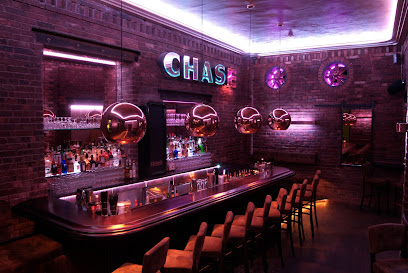
Chase Bar
0.3 km
Discover the vibrant nightlife at Chase Bar in Würzburg, where cocktails flow and the dance floor beckons!
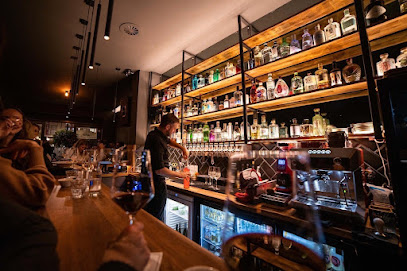
Valentino Café & Highballbar
0.3 km
Experience the perfect blend of delicious cocktails and delightful café treats at Valentino Café & Highballbar in the heart of Würzburg.
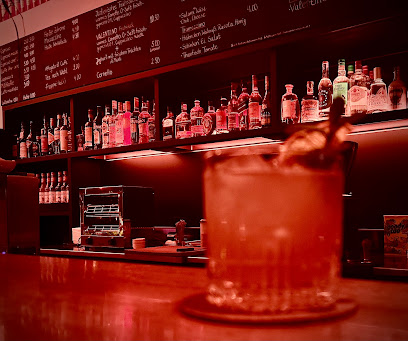
Zum Udo - Würzburg
0.3 km
Discover the vibrant bar scene at Zum Udo in Würzburg, where locals and tourists come together to enjoy exceptional drinks and a lively atmosphere.
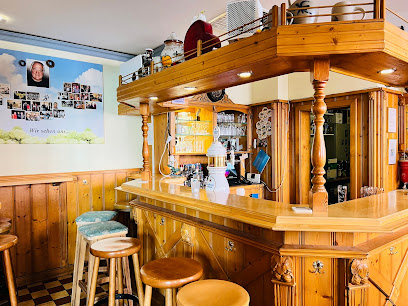
hoch3 - Skylounge
0.3 km
Discover hoch3 - Skylounge, the premier rooftop bar in Würzburg offering stunning views, a vibrant atmosphere, and a delightful selection of drinks.
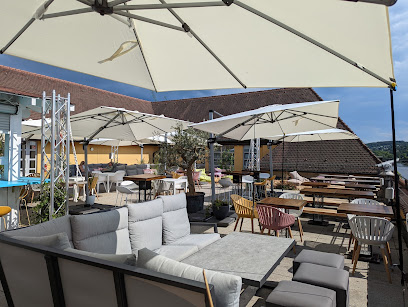
Irish Pixie
0.3 km
Experience the heart of Würzburg nightlife at Irish Pixie Bar, where delightful drinks and a warm atmosphere await.
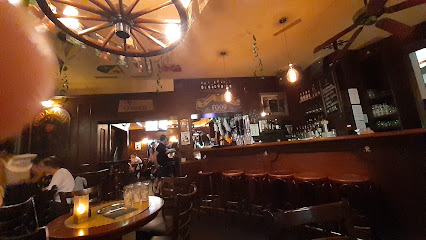
Lemondrive Bar
0.4 km
Discover the vibrant nightlife of Würzburg at Lemondrive Bar, where expertly crafted cocktails meet a lively atmosphere for an unforgettable night out.
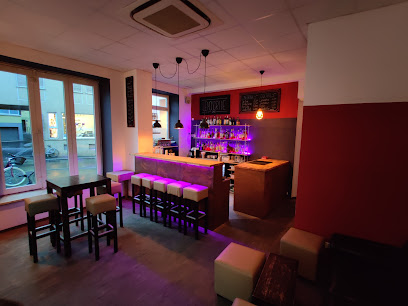
Standard - Würzburg
0.4 km
Explore the vibrant flavors and cultural essence of Würzburg at Standard, a must-visit gastropub and bar for culinary enthusiasts.
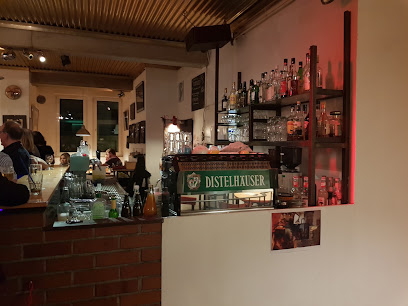
La Bamba - Würzburg
0.4 km
Experience the vibrant nightlife at La Bamba in Würzburg, where delicious drinks and a lively atmosphere await you.
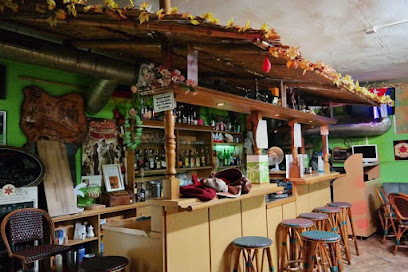
Weinstube und Bierkeller Till Eulenspiegel
0.4 km
Discover the heart of Würzburg's culinary scene at Weinstube und Bierkeller Till Eulenspiegel, where local wines and traditional dishes come together in a cozy setting.
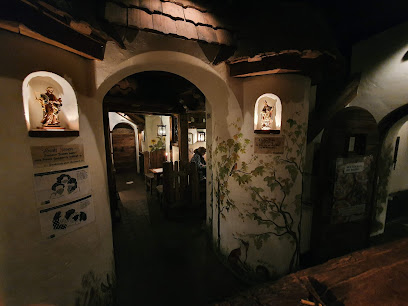
Escalera :: Cocktailbar und Restaurant
0.5 km
Experience the vibrant nightlife at Escalera Cocktailbar und Restaurant in Würzburg, where exquisite cocktails meet delicious dining in a stylish atmosphere.
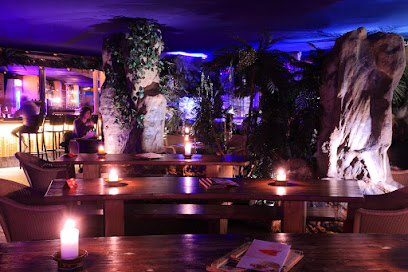
Hasenstall - Würzburg
0.5 km
Discover the lively nightlife at Hasenstall in Würzburg, where cocktails meet a vibrant atmosphere in the heart of the city.
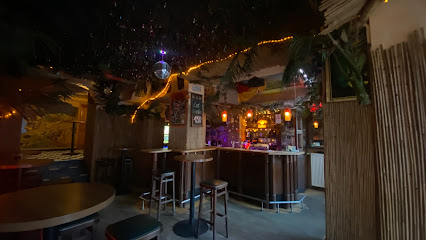
Mekong - Würzburg
0.5 km
Discover the vibrant nightlife at Mekong in Würzburg, where great drinks and a lively atmosphere await you.
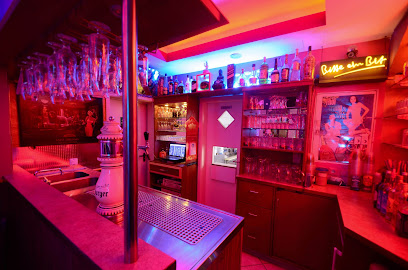
Hoffnung - Würzburg
0.5 km
Discover Hoffnung, a lively bar in Würzburg's Altstadt, perfect for enjoying local drinks and vibrant nightlife amidst charming surroundings.
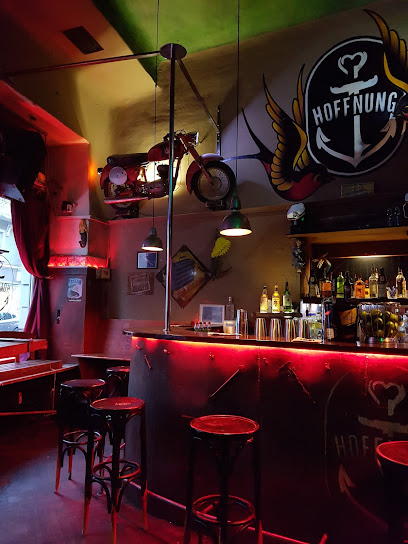
Loma
0.5 km
Discover Loma, Würzburg's vibrant bar that offers exquisite drinks and an electrifying atmosphere for nightlife lovers.