Boti Waterfalls, Aowin Travel Guide
Discover the enchanting Boti Waterfalls in Ghana's Eastern Region: a twin cascade, unique rock formations, and lush forest await just a short trip from Accra.
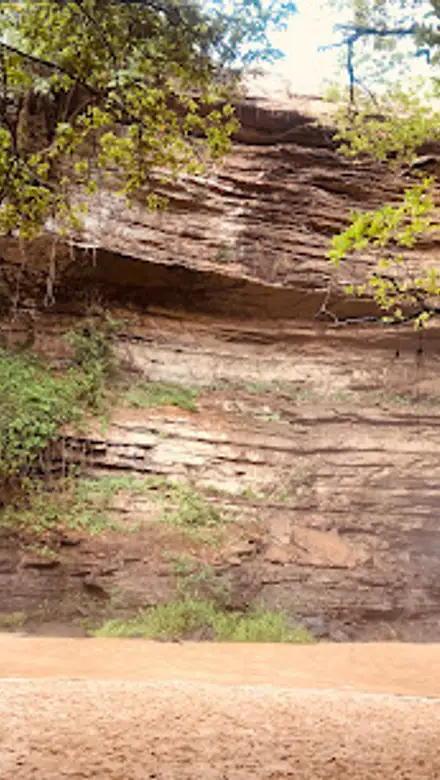
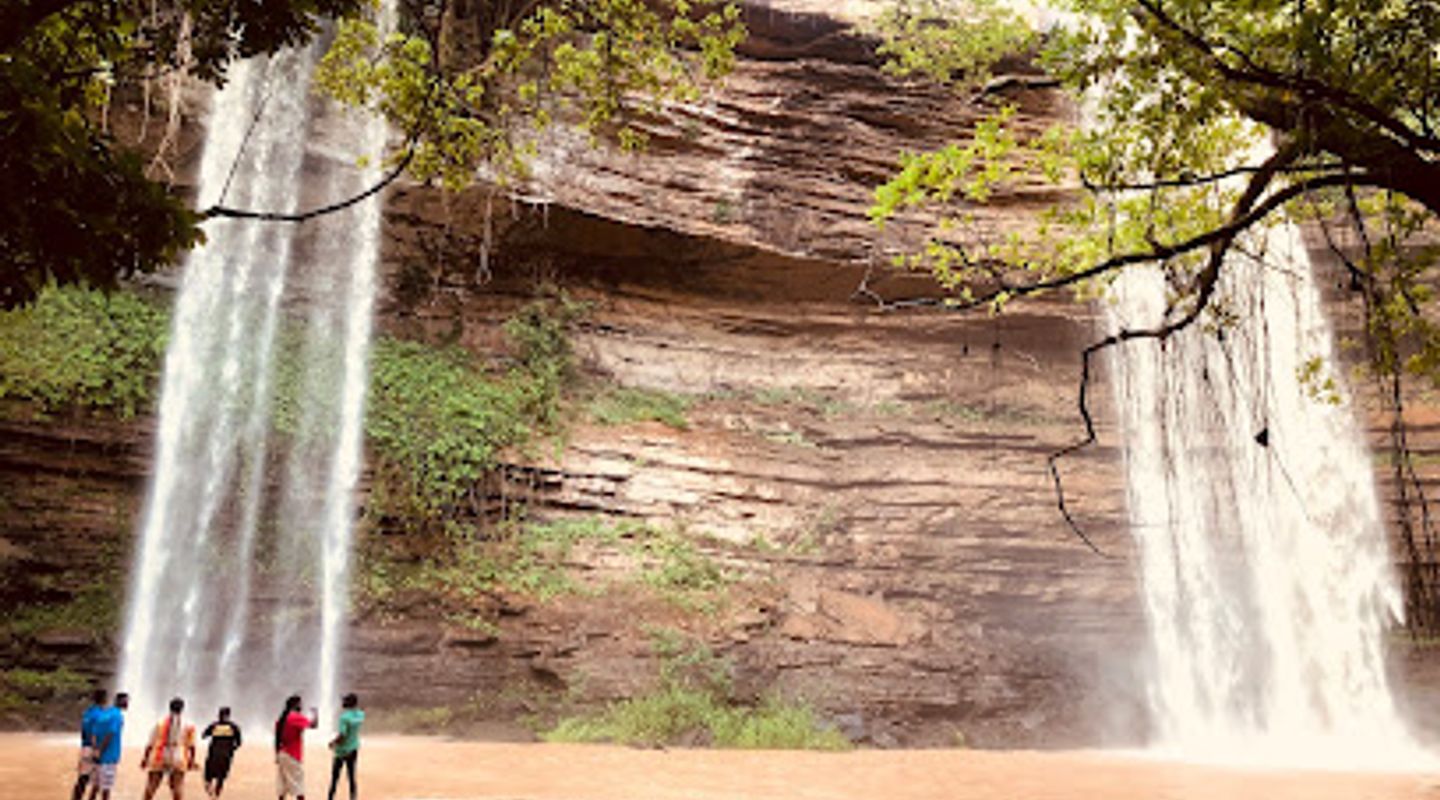
Boti Waterfalls, nestled in the Yilo Krobo district of Ghana's Eastern Region, offers a refreshing escape into nature. The falls are comprised of a twin cascade, often referred to as the 'male' and 'female' falls, which are said to 'mate' during the rainy season, creating a spectacular rainbow. Beyond the falls themselves, visitors can explore the surrounding Boti Forest Reserve, home to unique rock formations like the Umbrella Rock and the Three-Headed Palm Tree. A visit involves descending approximately 250 steps, and the site provides opportunities for hiking, picnicking, and immersing oneself in the serene environment. While the falls are most impressive during the rainy season (June to August), Boti offers a tranquil experience year-round, making it a worthwhile day trip from Accra or a longer exploration of the Eastern Region's natural beauty.
A brief summary to Boti Waterfalls
- 5QVJ+GH2, Boti, GH
- Click to display
- Click to display

Know before you go
Hi, I'm Eve. Here are a few practical things to know before exploring Boti Waterfalls.
- Visit during the rainy season (June-August) for the most spectacular waterfall display, but be prepared for potentially slippery conditions.
- Wear sturdy shoes suitable for hiking, as the path to the falls involves descending approximately 250 steps and exploring rocky terrain.
- Hire a local guide for a more enriching experience, gaining insights into the history, culture, and natural wonders of the Boti Forest Reserve.
- Pack insect repellent, as the forest can be home to mosquitoes and other insects.
- Bring cash, as some local vendors and guides may not accept credit cards.
Do you manage this location?
Take control to get all the benefits, like improved information, better appearance, and stronger visibility across AI-powered discovery. Learn more about listing your business on Evendo
Activate your presenceOther nearby places you may find interesting
The closest places of the same kind, if this one is not quite what you had in mind.



Explore Boti Waterfalls on the Map
A handpicked selection of must-see spots near Boti Waterfalls, mapped for you.
Unlock the Best of Boti Waterfalls
Buy tickets
-
No tickets available
Book tours with entry


Book tours without entry
-
No tours available
Getting There
-
Taxi/Ride-Share
From Koforidua, the most direct way to reach Boti Waterfalls is by taxi or ride-share. The journey is approximately 17km and takes around 30 minutes. Negotiate the fare beforehand, expect to pay around GH₵ 80-120, depending on your negotiation skills and the vehicle. Be sure to confirm that the driver knows the exact location of Boti Waterfalls, as signage can be limited.
-
Public Transport
From Koforidua, you can take a 'trotro' (minibus) heading towards Huhunya. Ask the driver to drop you off at the junction for Boti Waterfalls. From there, you'll need to hire a local taxi or 'okada' (motorcycle taxi) for the final 7km stretch to the falls. The trotro fare should be around GH₵ 5-10, and the taxi/okada fare from the junction to the falls should be negotiated, typically around GH₵ 20-30. Be prepared for a bumpy ride on the unpaved road.
-
Walking
If you arrive in Boti village, you can walk to the waterfalls. The distance is approximately 2km and takes around 30 minutes. The path is generally well-marked, but be prepared for some steep areas. Ensure you have comfortable shoes and stay hydrated. Upon arrival at the entrance, there is an entrance fee of GH₵ 40 for non-Ghanian adults and GH₵ 30 for Ghanian adults.
Discover more about Boti Waterfalls













Your all‑in‑one travel companion app
Explore expert travel guides, compare and book tours, experiences, hotels, and more—all from the palm of your hand. Download now for seamless trip planning wherever your wanderlust takes you.


Explore More of Aowin
Looking beyond Boti Waterfalls? Discover Aowin for broader travel guides, local hot-spots, and regional highlights.
Explore Aowin
Discover the breathtaking beauty of Obuo Tabiri Mountain Peaks, a top tourist attraction in Koforidua, Ghana, perfect for adventure and nature enthusiasts.
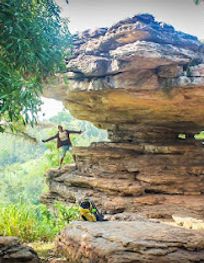
Experience the breathtaking beauty of Umbrella Rock in Asiafo Amanfro, Ghana, where nature and adventure await at this stunning tourist attraction.