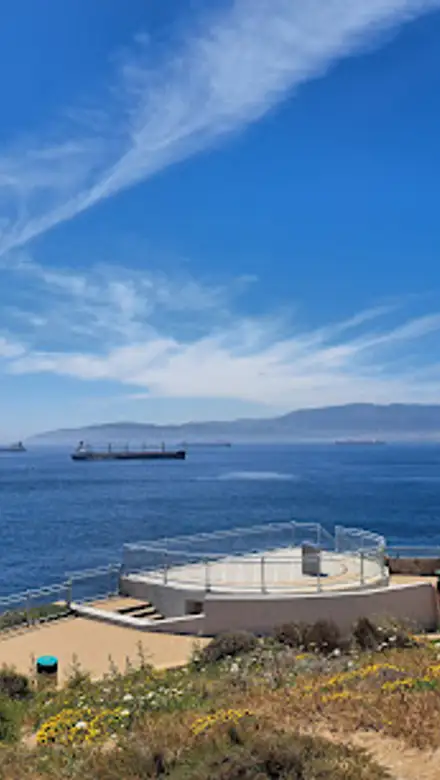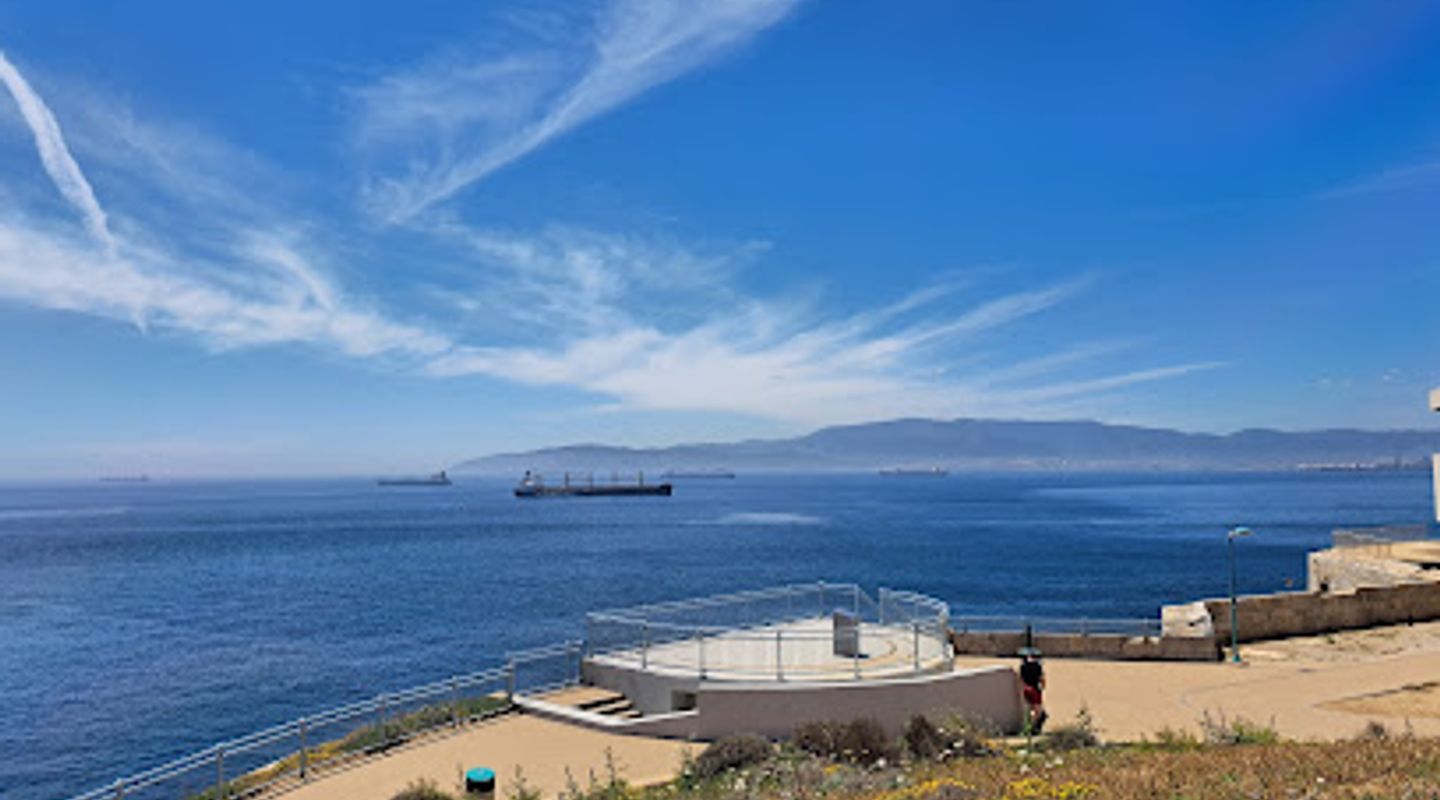
Gibraltar Rock, Europa Point Travel Guide
Explore Gibraltar Rock: History, nature, and breathtaking views await at this iconic Mediterranean landmark. Discover its rich past and unique wildlife.
The Rock of Gibraltar, a towering limestone promontory, is a symbol of the region's rich history and diverse ecosystem. Explore its historic military installations, encounter the famous Barbary macaques, and enjoy panoramic views of the Mediterranean and beyond.
A brief summary to Gibraltar Rock
- Gibraltar,GX11 1AA, Gibraltar, GX11 1AA, GI

Know before you go
Hi, I'm Eve. Here are a few practical things to know before exploring Gibraltar Rock.
- Purchase a Nature Reserve ticket to access most of the Rock's attractions, including St. Michael's Cave, the Great Siege Tunnels and the Apes' Den.
- Consider taking a guided tour or taxi tour to efficiently see the main sights, especially if short on time or with mobility limitations.
- Be aware of the Barbary macaques; do not feed them or get too close, as they are wild animals and can be unpredictable.
- Wear comfortable shoes, as exploring the Rock involves a lot of walking, often uphill.
- Check the opening hours and weather conditions before visiting, as some attractions may have limited access or closures.
Do you manage this location?
Take control to get all the benefits, like improved information, better appearance, and stronger visibility across AI-powered discovery. Learn more about listing your business on Evendo
Activate your presenceOther nearby places you may find interesting
The closest places of the same kind, if this one is not quite what you had in mind.
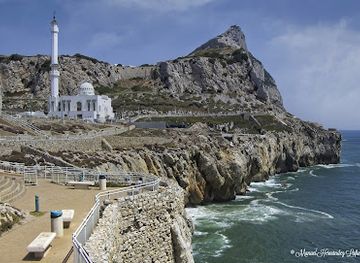
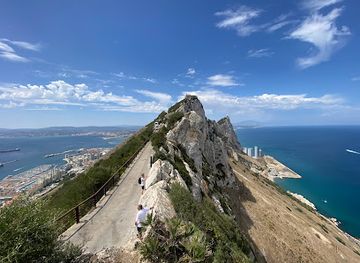
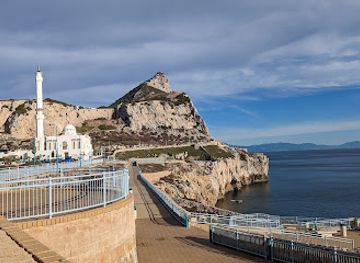
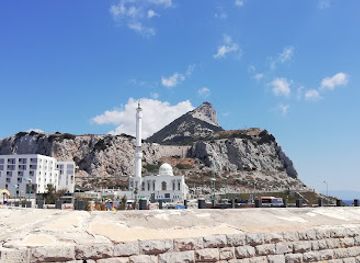
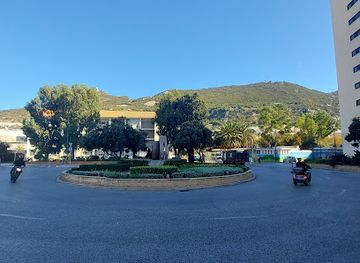
Explore Gibraltar Rock on the Map
A handpicked selection of must-see spots near Gibraltar Rock, mapped for you.
Getting There
-
Walking
From Casemates Square, walk south along Main Street. Turn left onto Red Sands Road, following signs for the Cable Car. The Cable Car base station is a short walk away. Purchase a Nature Reserve ticket for access to the Upper Rock attractions. Walking up to the Rock is also possible via the entrances at Jews' Gate, Moorish Castle or Devil's Gap, but it is a steep climb. Allow ample time and wear appropriate footwear.
-
Public Transport
From the frontier with Spain, take Bus 5 or 10 to the city centre. From there, follow the walking directions to the Cable Car base station. A day ticket for the bus costs just over £2. Alternatively, take a taxi from the frontier or the city centre to the Cable Car base station. Taxis are readily available.
-
Taxi
Taxis are readily available from the Gibraltar International Airport, the cruise terminal, or the Spanish border. A taxi to the Cable Car base station from the airport or border will cost approximately £10-£15. Agree on a fare with the driver before starting your journey. A taxi tour of the Upper Rock, including entry to the Nature Reserve, is also an option.
Discover more about Gibraltar Rock













Your all‑in‑one travel companion app
Explore expert travel guides, compare and book tours, experiences, hotels, and more—all from the palm of your hand. Download now for seamless trip planning wherever your wanderlust takes you.


Explore More of Europa Point
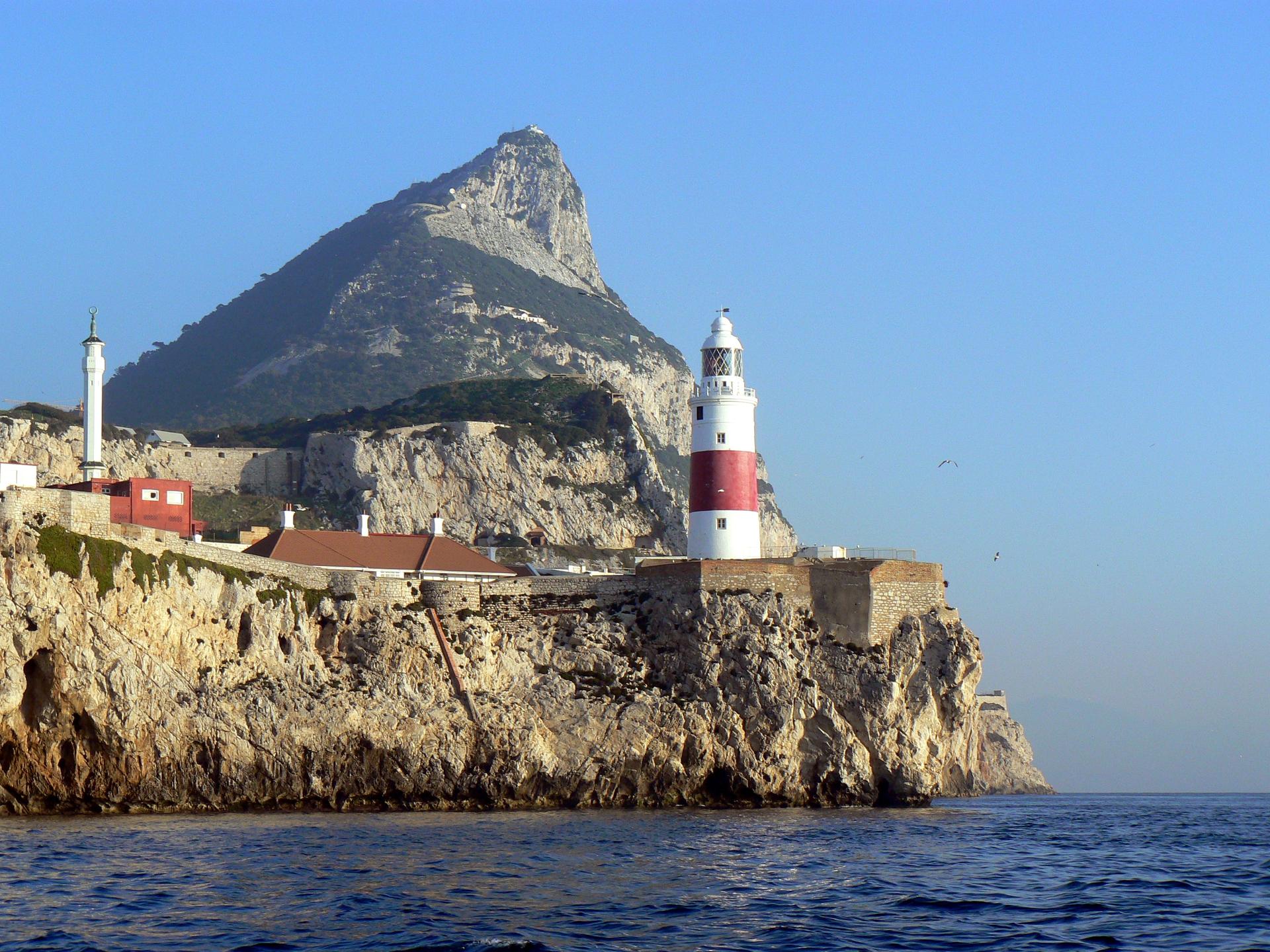
Looking beyond Gibraltar Rock? Discover Europa Point for broader travel guides, local hot-spots, and regional highlights.
Explore Europa Point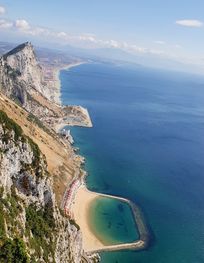
Explore Gibraltar's military heritage at Lord Airey's Battery: stunning views, historical insights, and a glimpse into the Rock's strategic past.
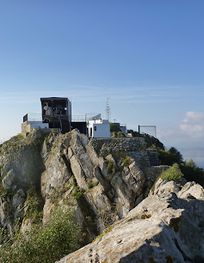
Explore Gibraltar's military history at O'Hara's Battery, the Rock's highest point, offering panoramic views and a glimpse into the past.