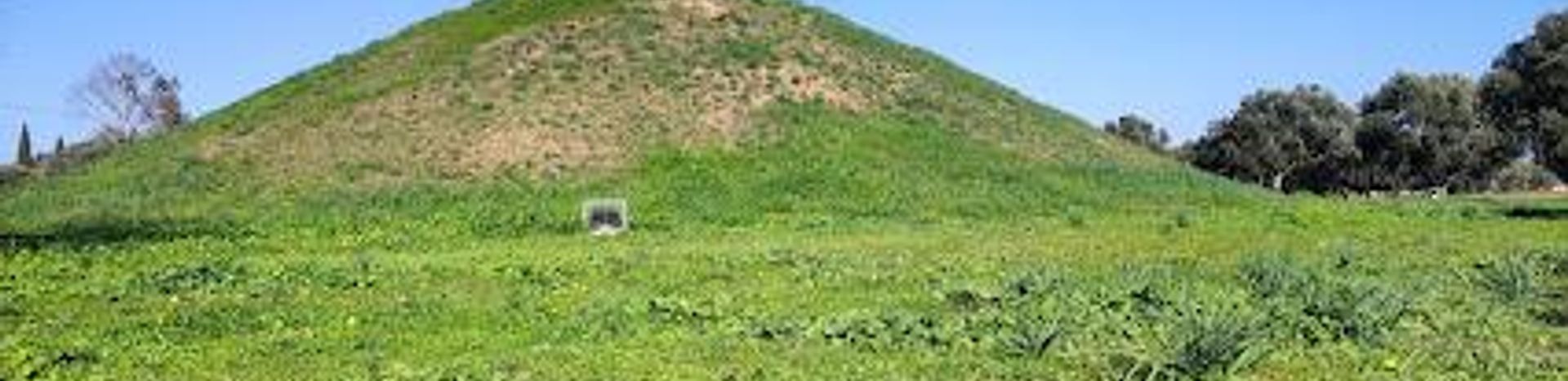
Tumulus of the Athenians: A Monument to Heroism
A solemn burial mound honoring the Athenian heroes who fell at the Battle of Marathon, a symbol of Greek courage and resilience.
The Tumulus of the Athenians is a burial mound honoring the 192 Athenian soldiers who fell during the pivotal Battle of Marathon in 490 BC. This historical landmark serves as a reminder of Greek resilience and a tribute to those who sacrificed their lives defending their city.
A brief summary to Tumulus of the Athenians at Marathon
- Marathon, 190 07, GR
- +302294055462
Local tips
- Combine your visit with a trip to the nearby Archaeological Museum of Marathon to see artifacts from the battle and learn more about the area's history.
- Wear comfortable shoes, as you'll be walking around the tumulus and the surrounding park.
- Visit early in the morning or later in the afternoon to avoid the midday heat, especially during the summer months.
- Take the time to reflect on the historical significance of the site and the sacrifices made by the Athenian soldiers.
- Consider visiting in November to witness the Athens Marathon, which starts at the Tumulus and commemorates the legendary run of Pheidippides.

Getting There
-
Public Transport
From Athens, take the KTEL Attikis bus from the Nomismatokopion terminal to Marathonas. The journey takes approximately 1 hour and 15 minutes, and buses depart hourly. From the Marathonas bus stop, the Tumulus is a short taxi ride away. Bus fare is approximately €4-€7 each way. A taxi from the Marathonas bus stop to the Tumulus will cost approximately €10-€15.
-
Taxi
Taxis are readily available in Athens and can take you directly to the Tumulus of the Athenians. The journey is approximately 40 km and takes around 45 minutes, depending on traffic. Expect to pay around €40-€50 for a one-way trip from Athens.
-
Driving
If driving from Athens, take the Marathonos Avenue (Route 83). The journey is approximately 40 km and takes around 45 minutes, depending on traffic. Parking is available near the site. Be aware of potential tolls on the route, though they are unlikely to be directly on the final approach. Parking is free.
Discover more about Tumulus of the Athenians at Marathon
Iconic landmarks you can’t miss

Tumulus of the Athenians at Marathon
0.0 km
A solemn burial mound honoring the Athenian heroes who fell at the Battle of Marathon, a symbol of Greek courage and resilience.
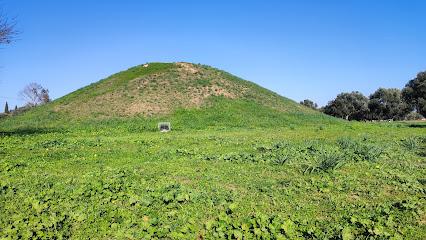
Sanctuary of the Egyptian Gods (at Brexiza)
1.7 km
Explore an ancient sanctuary in Nea Makri dedicated to Egyptian gods, showcasing a unique blend of Greek and Egyptian cultures.
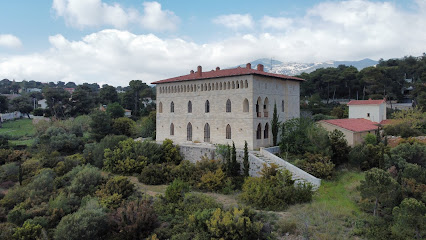
Duchess of Plakentia Mansion - Castle of the Duchess of Placentia
12.4 km
Discover the unfinished legacy of the Duchess of Plakentia at her historic mansion in Penteli, a cultural landmark with a fascinating past.
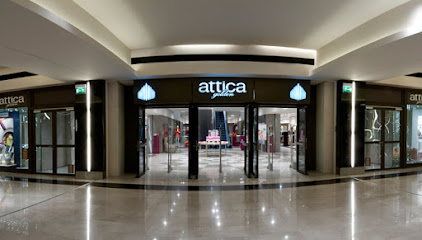
Attica Golden Hall
18.8 km
Experience luxury shopping at Attica Golden Hall in Athens, featuring high-end brands, gourmet dining, and a vibrant, contemporary atmosphere.
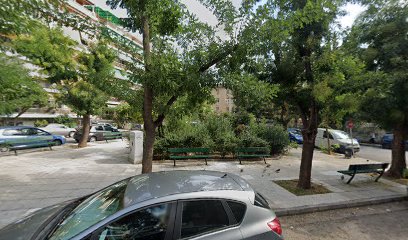
Tsou square
23.0 km
Discover the vibrant history and charm of Tsou Square, a must-visit landmark in the heart of Athens, perfect for soaking in local culture.
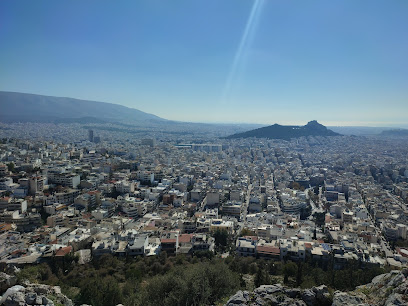
Attican Grove Viewpoint No3
23.5 km
Discover Athens from above: panoramic views, tranquil atmosphere, and a unique perspective on the city's iconic landmarks.
Αρχαίο Λατομείο Κουταλά
24.2 km
Discover the historical beauty of Archaios Lathomeio Koutrala, a serene landmark in Vyronas that reveals Greece's rich cultural heritage.
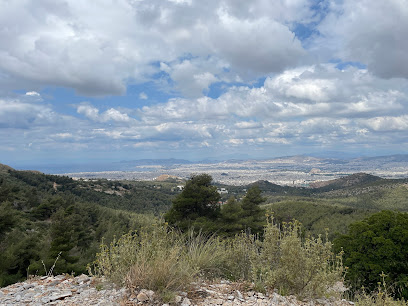
Agios Nikolaos Church
25.0 km
Discover the serene beauty and historical significance of this Byzantine church in the heart of Athens' Plaka district.
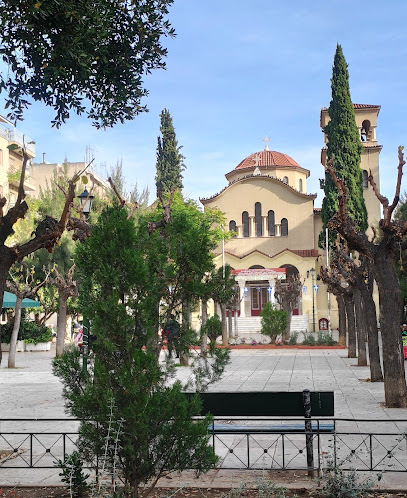
Tourist Guide of Greece Ltd
25.3 km
Unlock the secrets of Athens at the Tourist Information Center, your gateway to exploring Greece's rich history and vibrant culture.
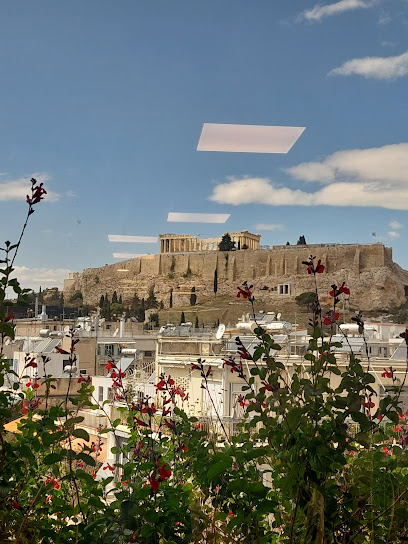
Uruguay Square
25.4 km
Discover a hidden gem in Athens: Uruguay Square, a tribute to Uruguayan hero José Gervasio Artigas and the bond between two nations.
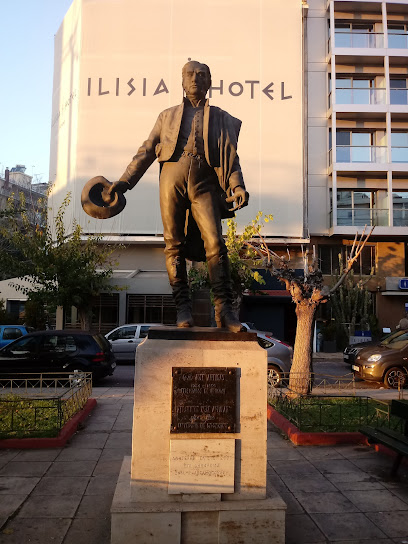
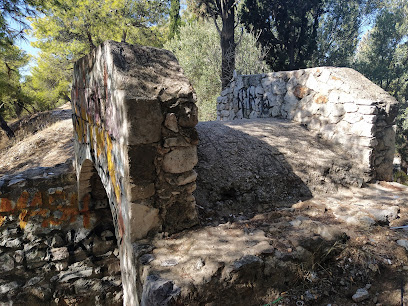
Το γεφυράκι της Κατερίνας (Katerina's bridge)
25.4 km
Discover Katerina's Bridge in Athens: A charming historical landmark with intricate stonework and picturesque views, offering a tranquil escape in the city center.
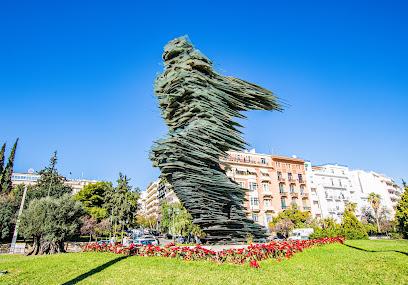
Dromeas (The Runner)
25.5 km
Experience the dynamic beauty of Dromeas, a stunning glass sculpture in Athens, symbolizing movement and the city's vibrant spirit.
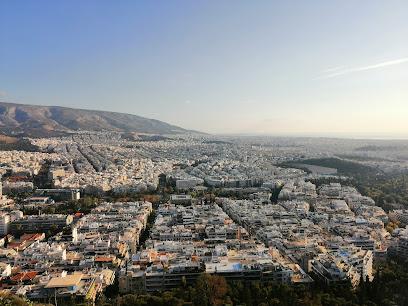
Mount Lycabettus
25.6 km
Discover the breathtaking views and historical charm of Mount Lycabettus, the iconic peak overlooking Athens, Greece.
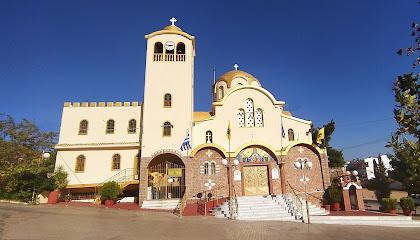
Holy Monastery of Panagia Kanala
25.7 km
Discover a peaceful retreat at the Holy Monastery of Panagia Kanala in Ano Liosia, where spirituality and stunning architecture meet.
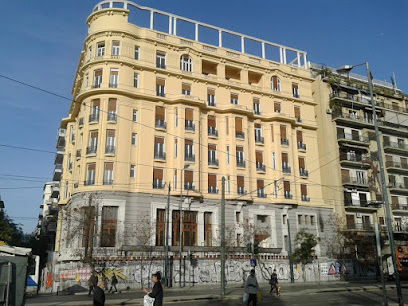
Acropole Palace
26.0 km
Discover the architectural elegance and historical significance of Athens' Acropole Palace, a landmark Art Nouveau masterpiece.
Unmissable attractions to see

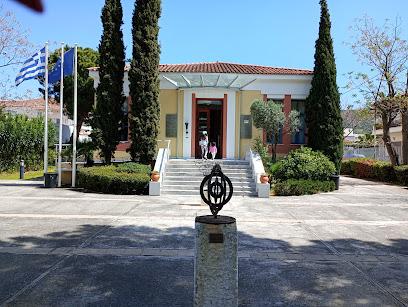
Marathon Run Museum
4.4 km
Discover the rich heritage of the Marathon race at the Marathon Run Museum, where history, culture, and athleticism converge in Greece.
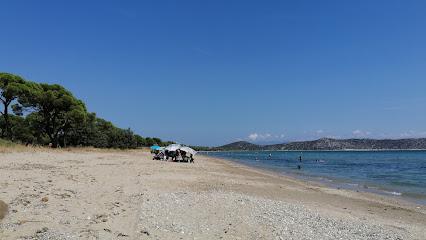
Schinias Beach
5.7 km
Experience the idyllic beauty and tranquility of Schinias Beach, a perfect getaway in Greece with golden sands and crystal-clear waters.
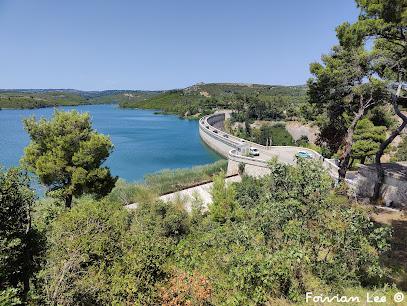
Limni Marathonos
9.9 km
Explore the tranquil beauty of Limni Marathonos, a picturesque lake near Kapandriti, ideal for relaxation and recreation amidst nature's splendor.
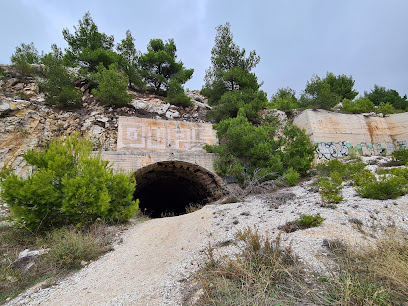
NATO Tunnel
10.3 km
Explore the NATO Tunnel in Penteli, Greece, an intriguing military historical site revealing secrets of the Cold War and engineering marvels.
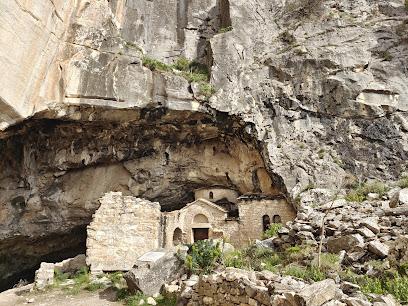
Davelis Cave
10.3 km
Explore the captivating Davelis Cave in Penteli, Greece, a natural marvel filled with history and stunning geological features.
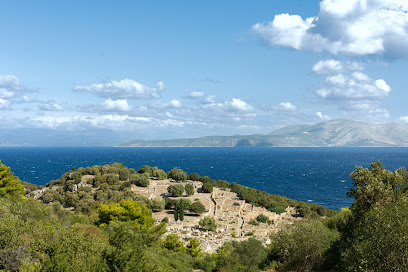
Archaeological Site of Ramnous
11.7 km
Explore the Archaeological Site of Ramnous: A breathtaking journey through ancient Greek history amidst stunning natural beauty.
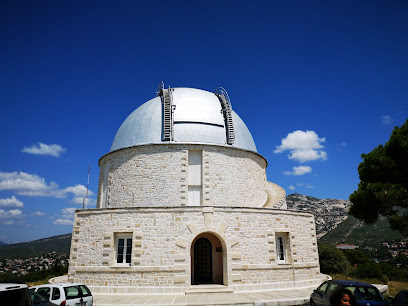
National Observatory of Athens pen
12.8 km
Discover the wonders of the universe at the National Observatory of Athens, where science meets stunning views and rich history.
Goulandris Natural History Museum
15.1 km
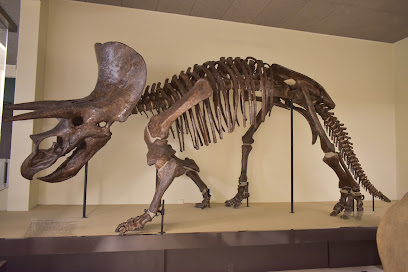
Explore the fascinating exhibits at the Goulandris Natural History Museum, where nature's wonders come to life in Kifisia, Greece.
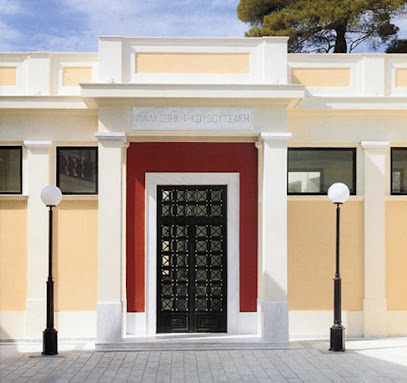
Kouvoutsaki Art Institute
15.2 km
Explore contemporary art in the heart of Kifisia at the Kouvoutsaki Art Institute, a must-visit for art lovers and cultural enthusiasts.
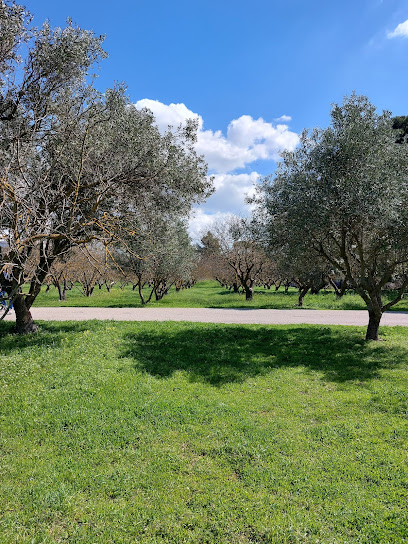
Syggrou Grove
15.3 km
Explore Syggrou Grove, a lush urban park in Marousi, perfect for relaxation, recreation, and enjoying the beauty of nature in Athens.
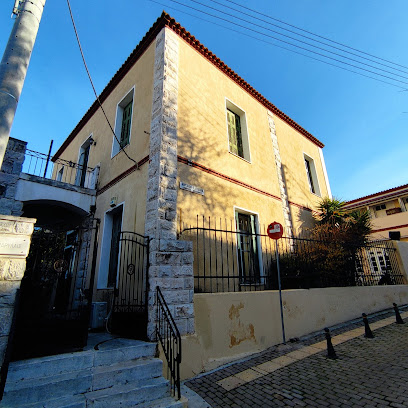
Drossinis Museum
15.5 km
Discover the rich literary heritage of Greece at Drossinis Museum, dedicated to the life and works of poet Grigorios Drossinis in Kifisia.
Natural History Museum of Marousi Municipality
15.7 km
Explore the Natural History Museum of Marousi - a captivating journey through Greece's biodiversity and natural wonders.
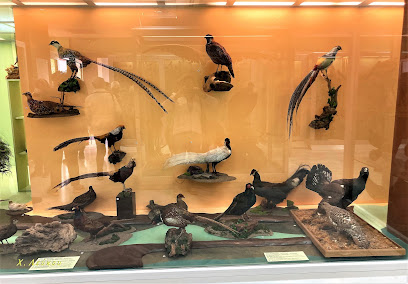
Nasioutzik Museum
16.1 km
Explore the Nasioutzik Museum in Spata Loutsa, where Greek culture and history come to life through fascinating exhibits and artifacts.
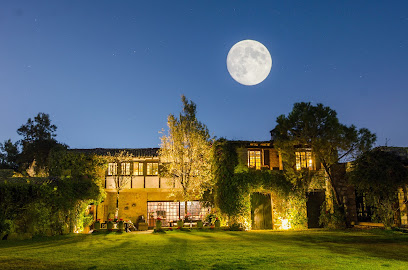
Attica Zoological Park
16.4 km
Explore Attica Zoological Park, Greece's premier zoo, home to thousands of animal species and dedicated to wildlife conservation and education.

Trekking Hellas
16.5 km
Discover thrilling outdoor adventures and breathtaking landscapes with Trekking Hellas, your gateway to Greece's natural wonders.

Essential places to dine

THE OPTIONS OF LEFKOTHEAS
13.3 km
Discover authentic Greek flavors at Lefkotheas - a family-friendly restaurant in Melissia specializing in traditional meat dishes and delightful small plates.
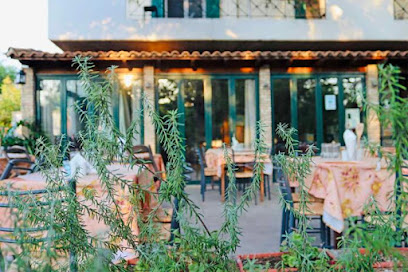
Sasi's
13.8 km
Experience authentic South African barbecue at Sasi's in Melissia – where every bite tells a story.
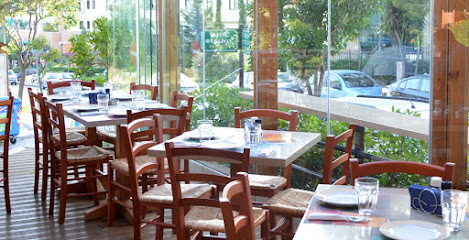
Rica Riccardi
18.8 km
Discover authentic Italian flavors at Rica Riccardi in Athens – where tradition meets culinary excellence.
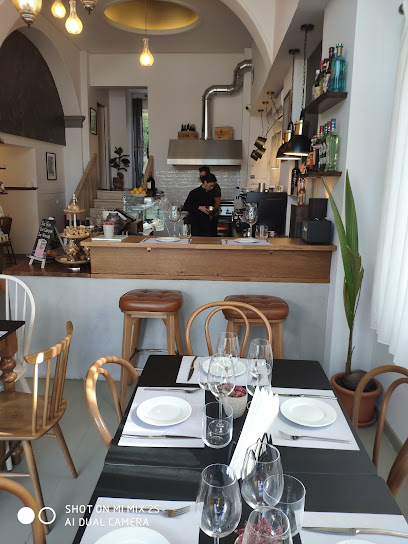
Hytra Restaurant & Bar
24.8 km
Discover modern Greek cuisine at Hytra Restaurant & Bar with stunning views of Athens – a true culinary adventure awaits!
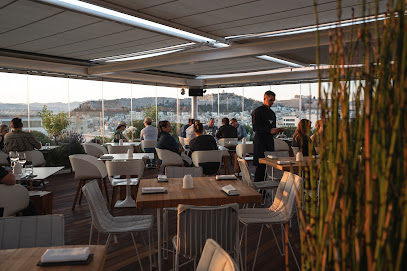
Simul
25.3 km
Experience exquisite cuisine at Simul in Athens—where traditional flavors meet modern culinary artistry.
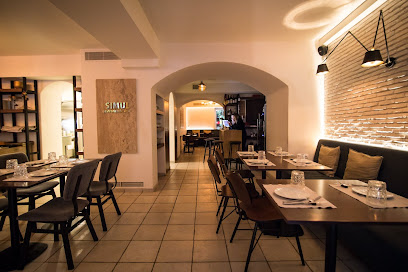
Cookoovaya
25.3 km
Discover the flavors of Greece at Cookoovaya, where traditional dishes meet modern culinary artistry in an unforgettable dining experience.
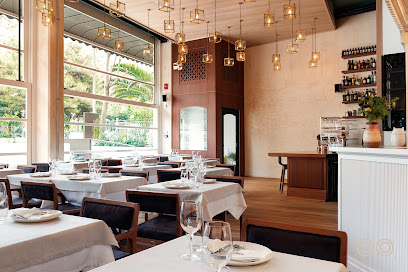
Agora Select
25.4 km
Savor authentic Mediterranean flavors at Agora Select, Athens' premier destination for exquisite Greek cuisine.
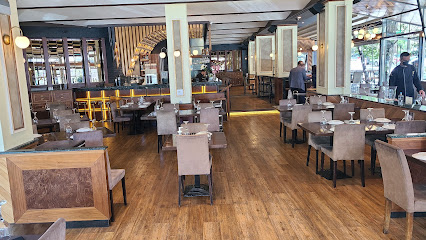
Tiniako
25.4 km
Experience authentic Greek cuisine at Tiniako in Athens, where traditional flavors meet warm hospitality in a cozy setting.
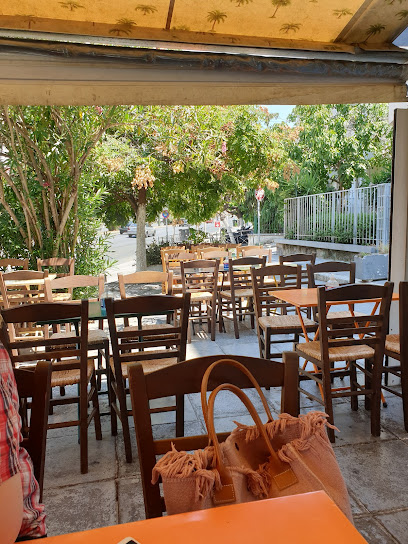
Vezené Athens
25.5 km
Discover culinary brilliance at Vezené Athens - where authentic Greek flavors meet modern Mediterranean flair in an unforgettable dining experience.
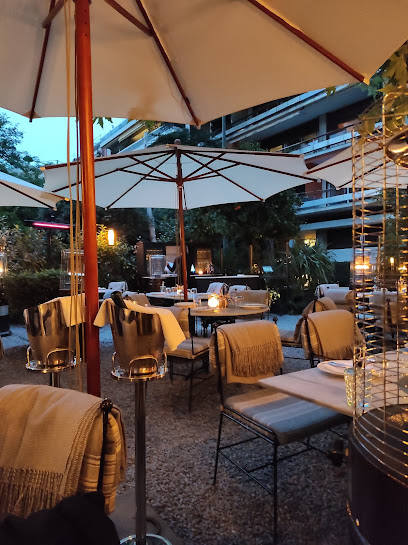
Ama Lachei
25.6 km
Experience the vibrant flavors of Greece at Ama Lachei, where every dish tells a story through fresh ingredients and culinary passion.
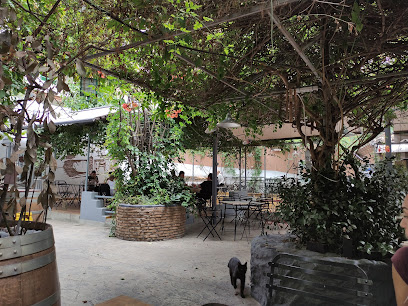
OROSCOPO restaurant
25.6 km
Experience exquisite Mediterranean dining at OROSCOPIO Restaurant in Athens – where Greek tradition meets Italian flair.
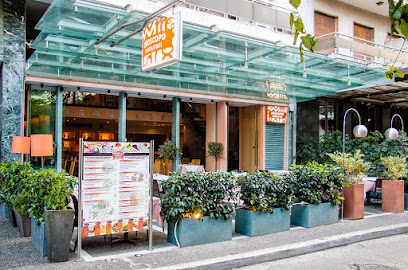
Mpirmpilo
25.7 km
Discover authentic Greek flavors at Mpirmpilo in Athens - where tradition meets modern culinary artistry.
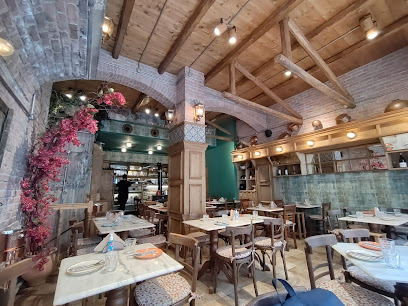
ST'ASTRA Restaurant
25.7 km
Experience authentic Greek cuisine at ST'ASTRA Restaurant in Athens – where tradition meets modernity in every bite.
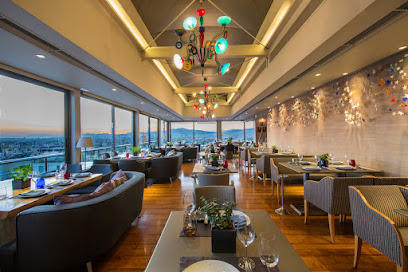
Folia
25.9 km
Discover authentic Afghani flavors at Folia, a charming small plates restaurant in Athens offering an unforgettable culinary journey.
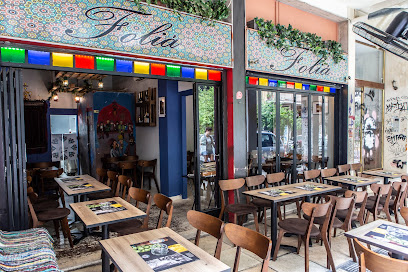
Kiouzin - Greek cuisine with a twist
26.1 km
Experience authentic Greek cuisine with a modern twist at Kiouzin in Athens - where tradition meets innovation.
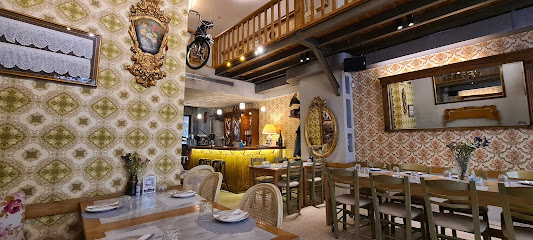
Markets, malls and hidden boutiques

Luisa World Kifisia
15.0 km
Discover luxury shopping at Luisa World Kifisia, where high-end fashion meets Greek elegance in a boutique experience.
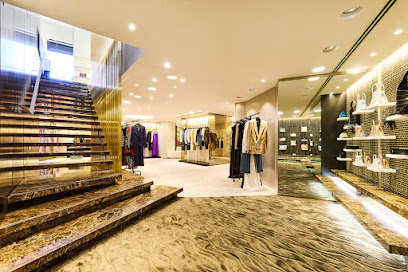
Designer Outlet Athens
15.8 km
Shop in style at Designer Outlet Athens, where luxury meets affordability with unbeatable discounts on top brands.
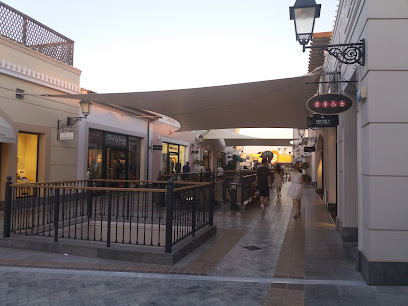
Altershops @ Designer Outlet
15.8 km
Discover unbeatable deals on designer labels at Altershops @ Designer Outlet, the ultimate shopping destination near Athens.

Apoella Lifestyle Beach Concept Stores
17.8 km
Explore Apoella Lifestyle Beach Concept Stores for fashion that embodies the spirit of the beach and vibrant Mediterranean lifestyle.

The Mall Athens
18.3 km
Experience the best of shopping, dining, and entertainment at The Mall Athens, your ultimate retail destination in Greece.

The Greek Designers Store
20.3 km
Discover the essence of Greek fashion at The Greek Designers Store, where unique clothing, stylish bags, and exquisite jewelry await your exploration.
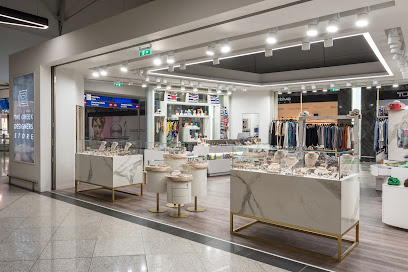
Evia Silence
23.9 km
Experience ultimate relaxation at Evia Silence, a resort hotel offering vegetarian cuisine and yoga retreats amidst the beautiful Porto Bufallo coast.
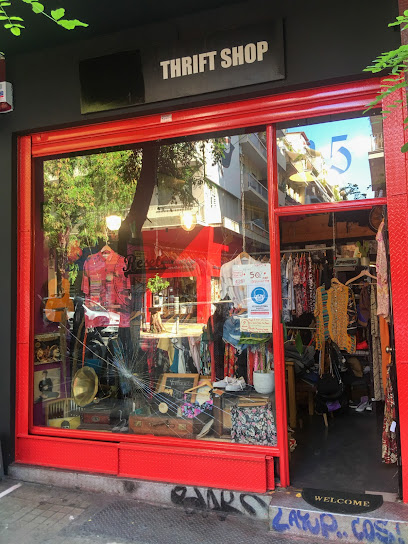
A Place To Dress Strangers (Vintage Second Hand)
25.7 km
Explore A Place To Dress Strangers in Athens for unique vintage clothing and second-hand treasures that reflect the city's vibrant culture.

Reset Thrift Shop
25.9 km
Explore vintage treasures at Reset Thrift Shop in Athens, where unique fashion finds and sustainable shopping await every traveler.
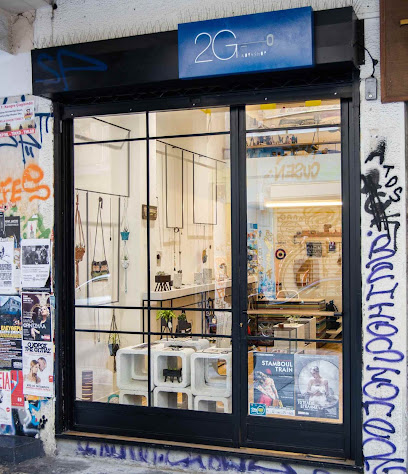
2GWorkshop.gr Handmade Greece Athens
26.0 km
Explore the charm of handmade Greek gifts at 2GWorkshop.gr, a must-visit shop in Athens for unique souvenirs and local craftsmanship.
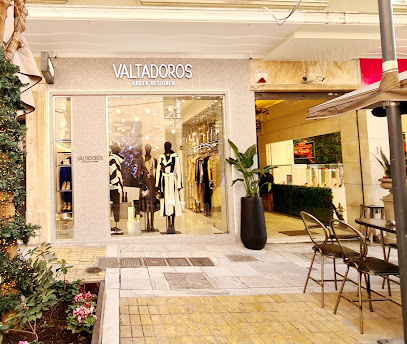
Paris Valtadoros (Athens Boutique)
26.0 km
Explore Paris Valtadoros in Athens for stylish clothing and elegant accessories that capture the essence of contemporary Greek fashion.
Benaki Museum Shop | Museum of Greek Culture
26.2 km
Explore the Benaki Museum Shop for unique gifts and authentic Greek cultural treasures in the heart of Athens.
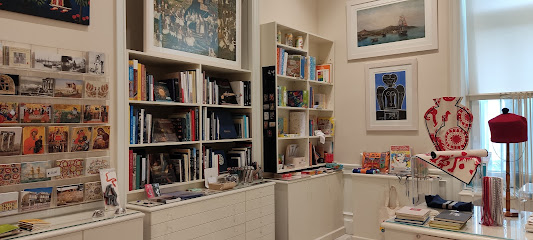
artica parking
26.3 km
Explore Artica Parking in Athens - a vibrant shopping experience blending local culture with modern retail and dining.
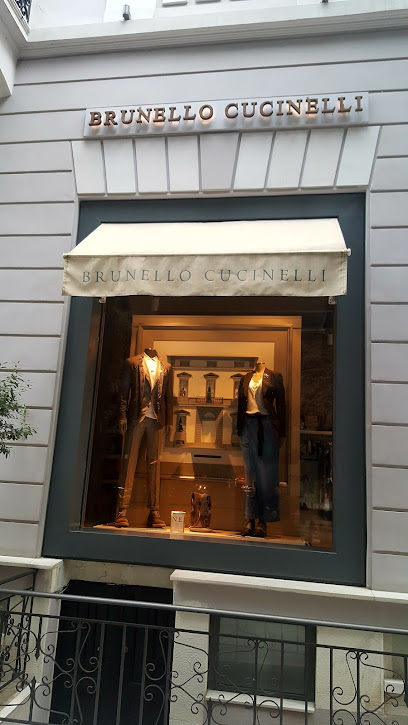
Polo Ralph Lauren Athens
26.4 km
Explore timeless elegance and luxury at Polo Ralph Lauren Athens, a premier clothing store in the heart of Syntagma Square.
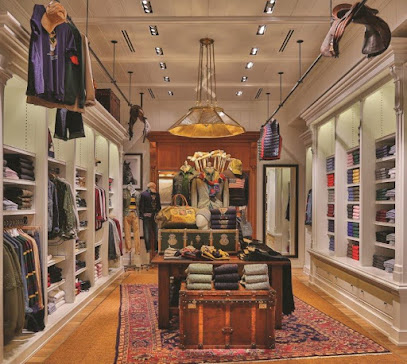
Pinko Boutique 9 Panepistimiou, Athens
26.4 km
Explore the latest in women's fashion at Pinko Boutique in Athens, where style meets elegance in a chic shopping experience.

Essential bars & hidden hideouts

Paliatsos Bar Athens
11.8 km
Experience the vibrant atmosphere and tantalizing flavors at Paliatsos Bar, the perfect spot for cocktails and dining in Penteli, Athens.
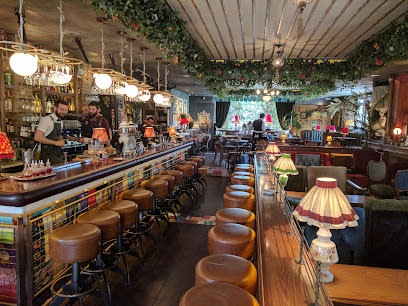
DJANGO Bar
15.5 km
Experience the vibrant nightlife of Kifisia at DJANGO Bar, where cocktails and music blend for an unforgettable evening.
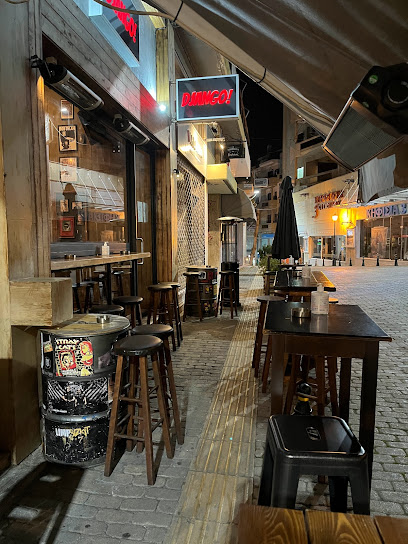
Blueprint
16.5 km
Experience the vibrant nightlife at Blueprint Rock Bar Cafe in Marousi, featuring great drinks, live music, and a welcoming atmosphere.
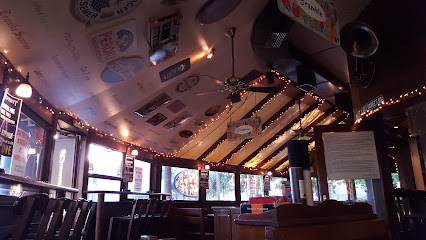
This is mollys bar
16.5 km
Discover the vibrant atmosphere and exceptional cocktails at Molly's Bar in Marousi, the perfect spot for relaxation and socializing.
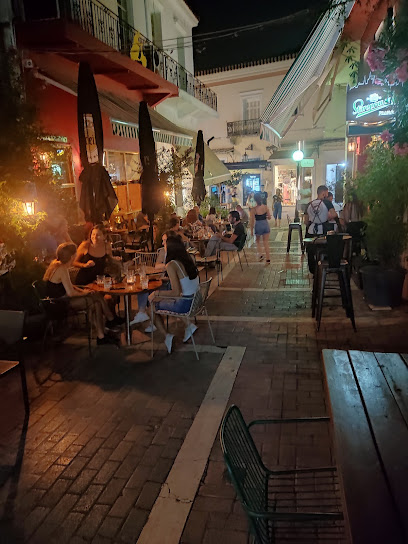
Fools Bar Marousi
16.6 km
Experience the vibrant nightlife at Fools Bar Marousi, where exceptional cocktails and a lively atmosphere create unforgettable memories.
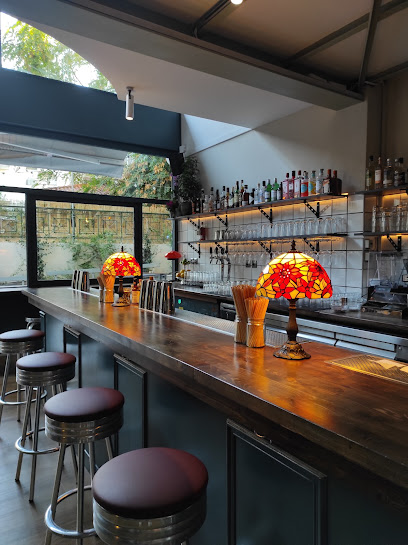
Mr Peacock
19.0 km
Discover Mr. Peacock: a lively bar and café in Chalandri, Athens, offering a perfect blend of cocktails, coffee, and a vibrant atmosphere for all.
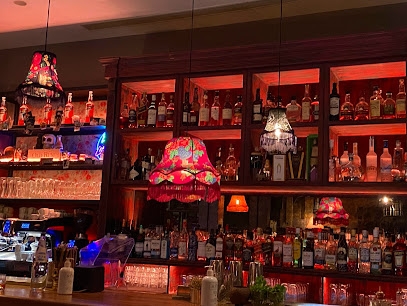
Peperi
21.4 km
Discover Peperi, where culinary excellence meets a cozy atmosphere in Nea Ionia, Greece. A must-visit for food lovers and casual diners alike.
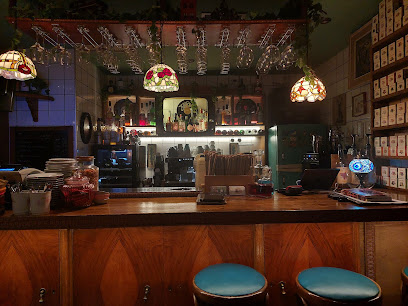
Le Roi - Vlastos, Kalamos
23.6 km
Discover the vibrant atmosphere at Le Roi in Kalamos, where creative cocktails and friendly service await you in a charming setting.
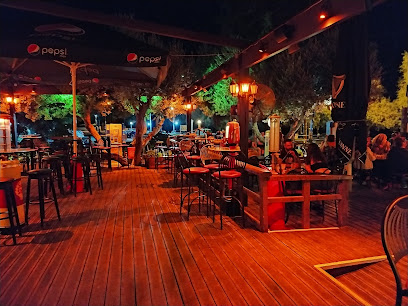
Balthazar
24.4 km
Experience the vibrant atmosphere and exquisite Mediterranean cuisine at Balthazar, a top bar and restaurant in Athens, Greece.
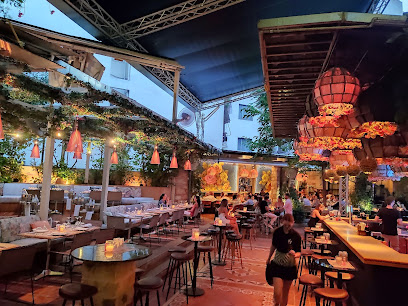
Briki
24.5 km
Experience the vibrant atmosphere and exquisite cocktails at Briki, a must-visit bar in the heart of Athens.
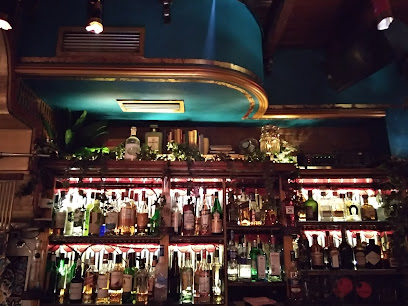
Beetle Bar
24.5 km
Discover Beetle Bar in Athens for innovative cocktails and a lively atmosphere, perfect for unwinding after a day of exploration.
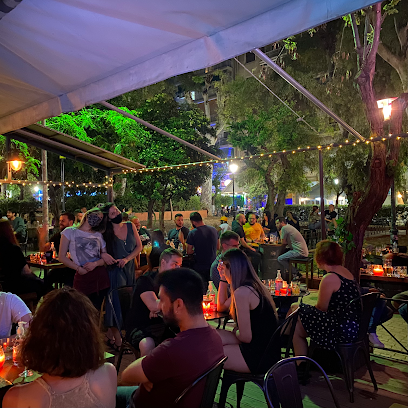
Luxus Bar Bistro
25.9 km
Experience the vibrant nightlife of Athens at Luxus Bar Bistro, where exquisite drinks and a lively atmosphere await every visitor.
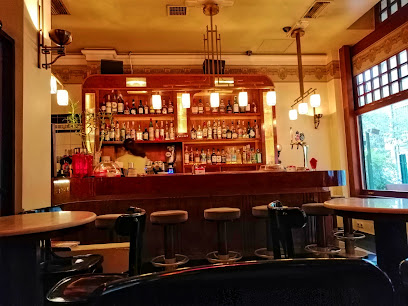
ZIGGY Cocktail Bar
26.4 km
Discover ZIGGY Cocktail Bar in Athens: a vibrant spot for creative cocktails, friendly vibes, and an unforgettable nightlife experience.

The Sidebar
26.4 km
Explore The Sidebar in Athens for a blend of expertly crafted cocktails, vibrant atmosphere, and a local touch that defines the city’s nightlife.
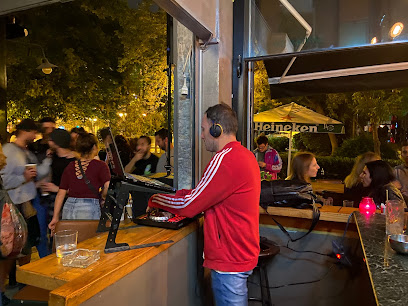
Galaxy Bar
26.5 km
Experience the vibrant nightlife of Athens at Galaxy Bar, where innovative cocktails and stunning views create an unforgettable evening.
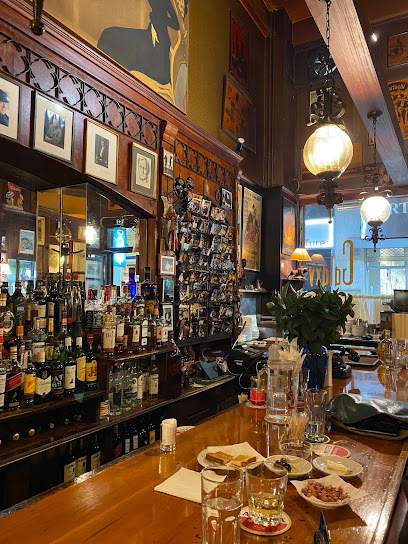
Nightclubs & after hour spots

Veloua Club
11.3 km
Experience the vibrant nightlife of Agios Stefanos at Veloua Club, where electrifying beats and dazzling ambiance await every night.
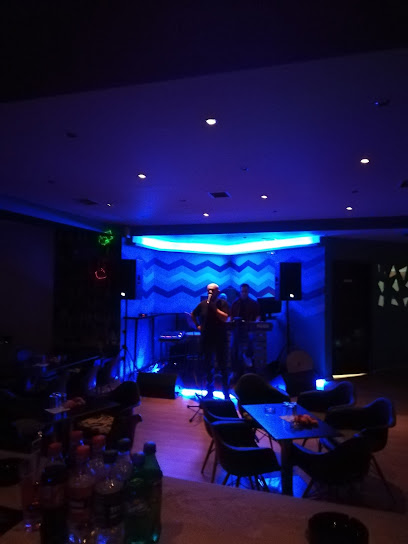
Deep Club
19.9 km
Experience the pulse of Heraklion at Deep Club, where unforgettable nights come alive with vibrant music and a lively atmosphere.
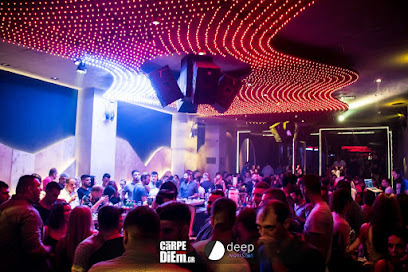
D-side Club
23.4 km
Experience the electrifying nightlife at D-side Club in Nea Chalkidona, where music, dance, and fun come alive until dawn.
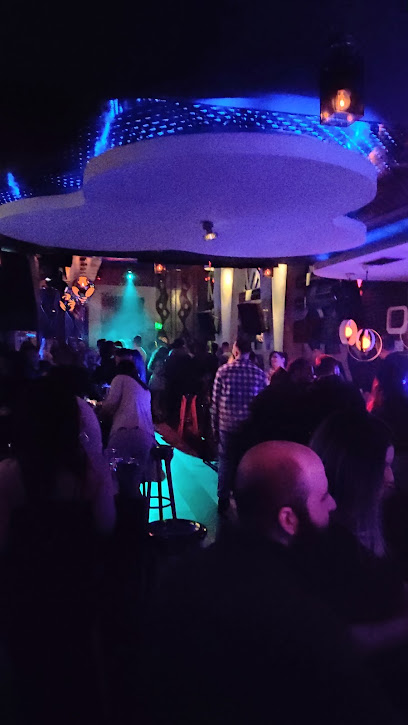
ART Club
23.8 km
Discover the electrifying nightlife of Athens at ART Club, where vibrant music and creative cocktails create unforgettable experiences.
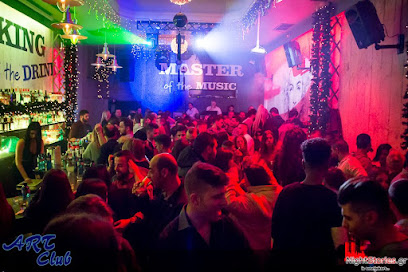
Follie club latino
24.0 km
Dive into the electrifying nightlife of Athens at Follie Club Latino, where music, dance, and vibrant energy come together for an unforgettable experience.
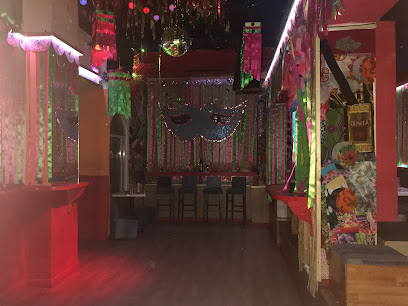
Sunny Bar African Night club ( Lifestyle Club)
24.7 km
Discover the rhythmic heart of Athens at Sunny Bar African Night Club, where culture and nightlife unite in a vibrant atmosphere.
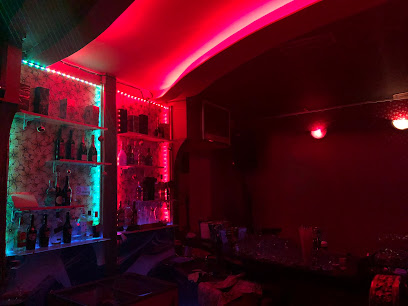
Face Club
24.8 km
Discover the electrifying nightlife at Face Club, Athens' top destination for dance, music, and unforgettable experiences until dawn.
Skullbar
24.8 km
Experience Athens nightlife at Skullbar, where electrifying music meets affordable drinks in a vibrant atmosphere.

Time Out Nightclub
24.9 km
Dive into Athens' vibrant nightlife at Time Out Nightclub, where electrifying music and a lively atmosphere await all party enthusiasts.

Clown Dogs Night Club
26.1 km
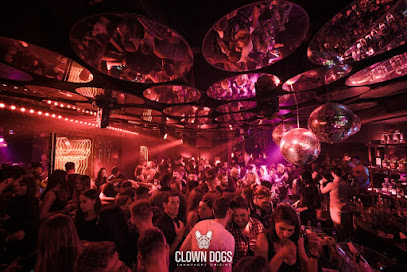
Discover the electrifying vibe of Clown Dogs Night Club in Athens, where the dance floor comes alive with music and energy, perfect for every night owl.
OLYMPIC EXECUTIVE
26.2 km
Discover the heartbeat of Athenian nightlife at Olympic Executive, a stylish night club that promises an unforgettable experience in Greece's vibrant capital.
Toyroom Athens
26.4 km
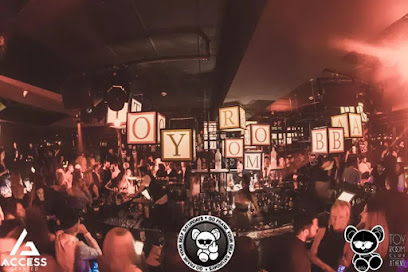
Experience the electrifying vibe of Toyroom Athens, a premier disco club in the heart of the city, where unforgettable nights come alive.
Bamboo Athens club
26.4 km
Discover the vibrant nightlife of Athens at Bamboo Club, where electrifying beats and an energetic atmosphere await every night.
Dope Club Thursdays
26.4 km
Dive into Athens' nightlife at Dope Club Thursdays, where vibrant beats and an energetic crowd create an unforgettable experience.
capu
26.7 km
Discover the excitement of Capu Night Club in Athens, where vibrant music and lively atmosphere create unforgettable nightlife experiences.