

Monastiraki (Athens) Travel Guide - Free
Explore Monastiraki in Athens with Evendo's free guide. Find the best shops, historic streets, restaurants, and gems on web or mobile.


Monastiraki, Athens, blends ancient ruins, flea-market lanes, rooftop views, Greek food and lively squares beneath the Acropolis for memorable city walks.
Ancient Layers and Urban Character
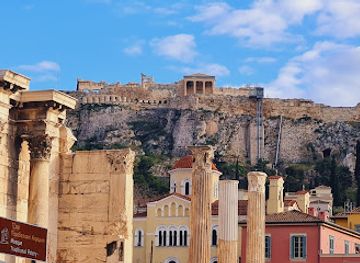
Monastiraki occupies a compact, intensely layered part of central Athens, immediately north of the Acropolis and between the historic districts of Plaka, Psyrri and Thisio. Its name comes from the small monastery associated with the Church of Pantanassa, which still stands beside Monastiraki Square. Around it, contemporary Athens unfolds over an older landscape: the Roman Agora, Hadrian’s Library and the northern approach to the Ancient Agora all lie close by, while the Acropolis rises above the rooftops to the south.Read more about Monastiraki
Squares, Lanes and Market Life
Food, Views and Evening Atmosphere
Best attractions in Monastiraki
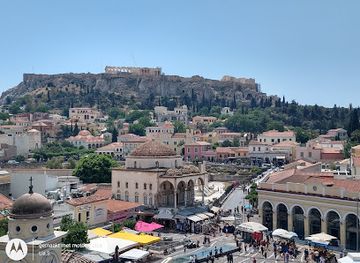
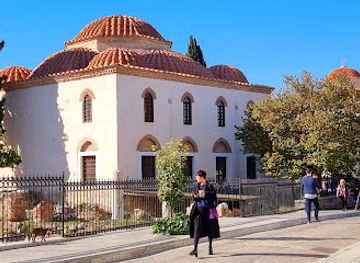
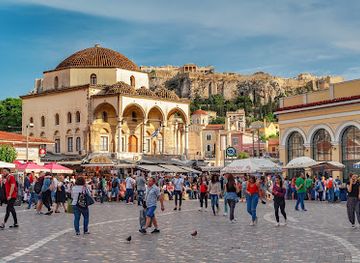
Monastiraki Square is the district’s natural starting point, with the Church of Pantanassa and Tzisdarakis Mosque facing a constant flow of pedestrians beneath the Acropolis. From here, Avissynias Square and the surrounding lanes lead into the area’s celebrated flea-market quarter, where second-hand furniture, records, books, decorative objects and souvenirs appear among cafés and small shops. The archaeological landscape is equally important: Hadrian’s Library and the Roman Agora stand immediately beside or close to the neighbourhood, while the northern approach to the Ancient Agora begins nearby. Monastiraki metro station is also worth noticing for the archaeological displays incorporated into the transport complex. Visitors can cross Ermou Street towards Plaka or follow the lanes towards Psyrri, but the strongest experience comes from observing how ancient remains, Ottoman-era buildings, railway infrastructure and everyday commerce occupy the same compact urban setting.
-
Tourist attraction
Monastiraki Square
Discover the vibrant Monastiraki Square, a cultural hub in Athens where ancient history meets modern life, perfect for exploring and enjoying local delicacies.
2 min walk · 0.2 km from neighbourhood centre
-
Tourist attraction
Late Roman tower wall foundations
Discover the remnants of ancient military architecture at the Late Roman tower wall foundations in the heart of Athens, a historical gem for every traveler.
1 min walk · 0.1 km from neighbourhood centre
-
Tourist attraction
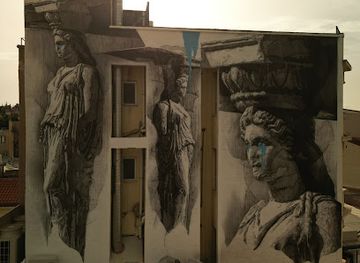
Καρυάτιδες που Κλαίνε
Explore the iconic Karyatides of Athens, a breathtaking tourist attraction steeped in ancient history and architectural beauty.
4 min walk · 0.3 km from neighbourhood centre
Best landmarks in Monastiraki
Monastiraki’s most recognisable landmarks cluster around its square. The Church of Pantanassa, a small surviving Orthodox church, gives the district its name, while the Tzisdarakis Mosque, built in 1759, records the area’s Ottoman period and remains a powerful visual counterpoint to the church and classical ruins. The metro station is significant both as a transport interchange and for the archaeological material displayed within the modern infrastructure. Close by, Hadrian’s Library and the Roman Agora preserve substantial evidence of Roman Athens, although their relationship to the neighbourhood is best understood as part of the adjoining archaeological zone rather than as ordinary market buildings. The Acropolis is visible above the district but lies beyond Monastiraki; its presence shapes the neighbourhood’s views without making it a local landmark in the administrative sense.
-
Tourist attraction
Monastiraki Square
Experience the heart of Athens at Monastiraki Square, a vibrant hub of history, culture, and commerce, where the past and present intertwine.
2 min walk · 0.2 km from neighbourhood centre
-
Historical landmark
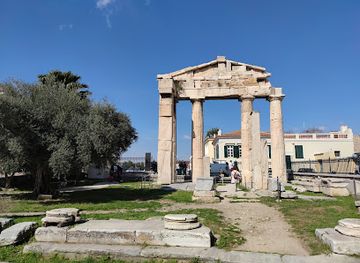
Roman Forum of Athens (Roman Agora)
Discover the Roman Agora of Athens, a historical landmark featuring the Gate of Athena Archegetis and the Tower of the Winds.
2 min walk · 0.1 km from neighbourhood centre
-
Flea market
Monastiraki Flea Market
Explore Athens' vibrant Monastiraki Flea Market: a treasure trove of antiques, crafts, and Greek culture in the heart of the city.
2 min walk · 0.1 km from neighbourhood centre
-
Haunted house
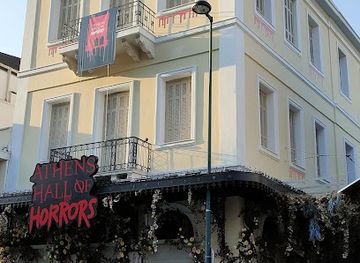
Athens Hall Of Horrors
Experience the ultimate haunted adventure in Athens, where Greek mythology meets modern horror in a thrilling escape room and haunted house.
3 min walk · 0.2 km from neighbourhood centre
Explore Monastiraki on the map
A handpicked selection of must-see spots in Monastiraki, mapped for you.
Best hotels in Monastiraki
Best restaurants in Monastiraki
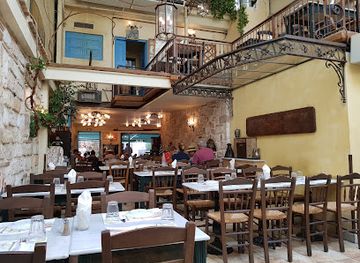
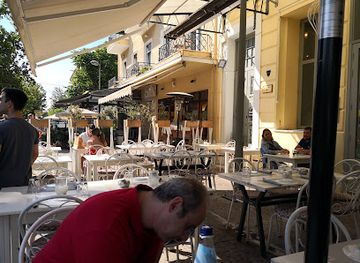
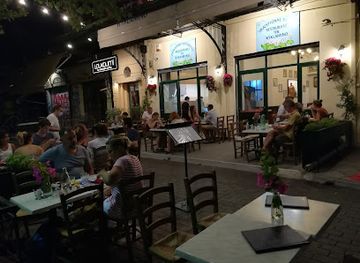
Monastiraki’s dining scene reflects its position between the historic centre, the central market and the pedestrian routes beneath the Acropolis. Around the square and the lanes leading towards Athinas Street, visitors find souvlaki counters, bakeries, cafés, meze restaurants and tavernas alongside international casual dining and rooftop establishments. The strongest local food context extends towards the Varvakios Central Market on Athinas Street, immediately beyond the neighbourhood’s loose northern edge, where meat, fish and produce stalls illustrate the commercial culture of central Athens. Small eateries in the market quarter tend to favour quick, informal meals, while restaurants closer to the archaeological sites cater more visibly to visitors. Menus commonly draw on Greek staples such as grilled meats, salads, pulses, cheeses and filo pastries, but Monastiraki is not a single-speciality food district; its appeal lies in the concentration and variety of places to eat within a walkable historic setting.
-
Greek
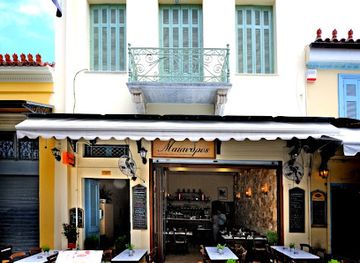
Maiandros Restaurant
Discover the heart of Greek cuisine at Maiandros Restaurant in Athens - where tradition meets flavor in every dish.
1 min walk · 0.1 km from neighbourhood centre
-
Greek
Efcharis restaurant
Experience authentic Greek cuisine at Efcharis Restaurant in Athens – where tradition meets taste.
1 min walk · 0.1 km from neighbourhood centre
-
Greek
Kuzina
Discover Kuzina: A top-tier Greek restaurant in Athens offering exquisite dishes and stunning views that celebrate Greece's culinary heritage.
4 min walk · 0.3 km from neighbourhood centre
-
Small Plates
The Kyklamino
Discover delightful small plates at The Kyklamino in Athens—an inviting destination celebrating Greek flavors in a vibrant atmosphere.
2 min walk · 0.2 km from neighbourhood centre
Best bars in Monastiraki
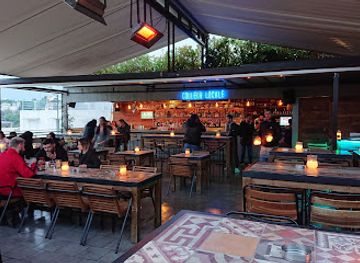
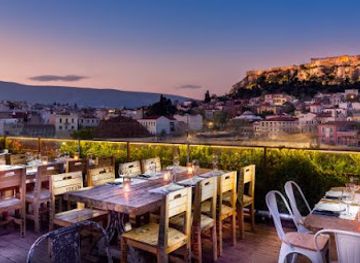
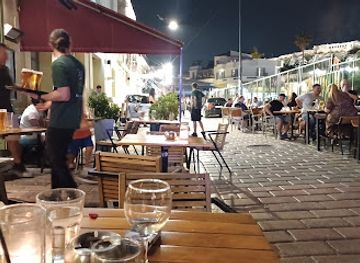
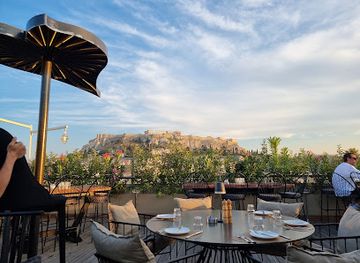
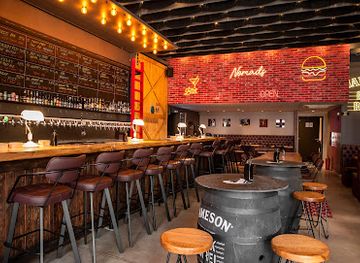
Evenings in Monastiraki centre on outdoor tables, rooftop views and the steady movement around the square rather than on a single concentrated club scene. Bars and casual drinking spots occupy the lanes around the metro station, with views towards the Acropolis providing a defining backdrop from elevated terraces. The streets towards Psyrri, directly beside Monastiraki, offer a larger concentration of bars, music venues and late-night restaurants, but they should be understood as neighbouring nightlife rather than automatically part of Monastiraki itself. Traditional cafés and informal meeting places coexist with contemporary cocktail bars, while the pedestrian market streets remain lively after the shops begin to close. Noise can carry through narrow lanes, so visitors staying locally should be considerate near homes and accommodation entrances. Venue programmes, opening times and the character of individual businesses change, making current local information important.
-
Bar
Couleur Locale
Experience the best of Athens at Couleur Locale, where Mediterranean flavors meet stunning views of the Acropolis for an unforgettable culinary journey.
2 min walk · 0.2 km from neighbourhood centre
-
Bar
360 Cocktail Bar
Experience breathtaking views and exquisite cocktails at 360 Cocktail Bar in Athens, where every sip is a moment to remember.
2 min walk · 0.2 km from neighbourhood centre
-
Irish pub
The James Joyce Irish Pub
Discover the authentic taste of Ireland at The James Joyce Irish Pub in Athens, where good food and great company await.
4 min walk · 0.3 km from neighbourhood centre
-
Bar
City ZEN All Day Bar Restaurant
Discover the essence of Athens at City ZEN All Day Bar Restaurant, where every meal is a celebration of flavor and culture.
3 min walk · 0.3 km from neighbourhood centre
Best nightclubs in Monastiraki
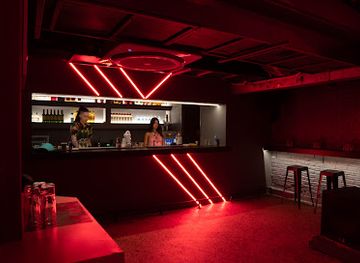
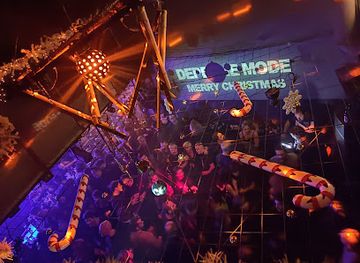
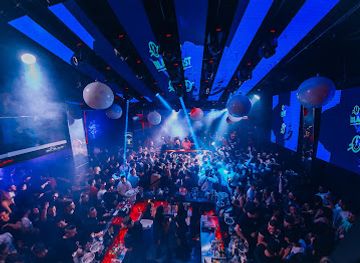
Evenings in Monastiraki centre on outdoor tables, rooftop views and the steady movement around the square rather than on a single concentrated club scene. Bars and casual drinking spots occupy the lanes around the metro station, with views towards the Acropolis providing a defining backdrop from elevated terraces. The streets towards Psyrri, directly beside Monastiraki, offer a larger concentration of bars, music venues and late-night restaurants, but they should be understood as neighbouring nightlife rather than automatically part of Monastiraki itself. Traditional cafés and informal meeting places coexist with contemporary cocktail bars, while the pedestrian market streets remain lively after the shops begin to close. Noise can carry through narrow lanes, so visitors staying locally should be considerate near homes and accommodation entrances. Venue programmes, opening times and the character of individual businesses change, making current local information important.
-
Night club
EKEI
Experience the electrifying nightlife at EKEI, Athens' premier night club with pulsating music and an unforgettable atmosphere.
8 min walk · 0.6 km from neighbourhood centre
-
Bar
Nomads Athens
Discover the lively nightlife of Athens at Nomads, a vibrant bar and live music venue offering a great selection of beers and unforgettable performances.
5 min walk · 0.4 km from neighbourhood centre
-
Night club
Death Disco
Dive into Athens' nightlife at Death Disco, where darkwave beats and an electric atmosphere await you for an unforgettable experience.
5 min walk · 0.4 km from neighbourhood centre
-
Night club
Blast Athens
Discover the energetic nightlife of Athens at Blast, a vibrant night club offering a unique blend of music and entertainment.
14 min walk · 1.1 km from neighbourhood centre
Best shops in Monastiraki
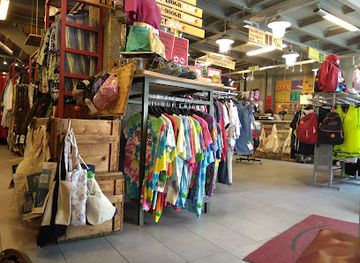
Shopping in Monastiraki is defined by small-scale, mixed-use commerce and the flea-market streets around Avissynias Square. Sunday is traditionally the liveliest browsing day, although individual businesses vary, and the selection ranges from second-hand furniture and household objects to records, books, jewellery, souvenirs and vintage pieces. Some shops cater strongly to visitors, while others retain the feel of long-established central-city trading. Ermou Street provides mainstream high-street shopping at the southern edge, and Athinas Street leads towards the broad food and produce commerce of the central market, just beyond the neighbourhood’s commonly understood core. Narrow lanes are more rewarding for unhurried browsing than for a planned shopping list, since stock changes frequently and shop identities vary. Ask before photographing people or objects, handle fragile goods carefully and clarify prices in advance when buying second-hand or distinctive items.
-
Vintage clothing store
Kilo-Shop
Explore Kilo-Shop, Athens' premier vintage clothing store, offering unique finds and sustainable fashion in a vibrant shopping atmosphere.
5 min walk · 0.4 km from neighbourhood centre
-
Store
Forget Me Not
Explore Forget Me Not in Athens for unique souvenirs and local crafts that capture Greek culture and creativity.
5 min walk · 0.4 km from neighbourhood centre
-
Dress store
HIPPIE SHOP - ΕΝΔΥΣΗ - ΑΘΗΝΑ
Explore the vibrant fashion scene at Hippie Shop in Athens, offering unique clothing styles and eclectic accessories for every trendsetter.
2 min walk · 0.2 km from neighbourhood centre
-
Gift shop
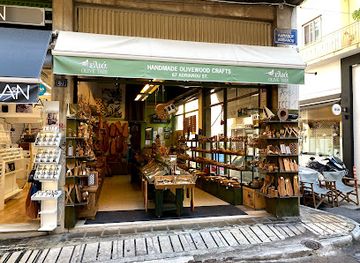
Olive Tree Store
Discover unique Greek gifts at Olive Tree Store, a charming shop in Athens offering handcrafted treasures and local handicrafts.
4 min walk · 0.3 km from neighbourhood centre



From Eve
Local phrases worth knowing
You don't need to get them perfect. A few words go a long way, and locals appreciate the effort.
Basics
| English | Local | Say it |
|---|---|---|
| Hello | Γεια σας | [Yia sas] |
| Goodbye | Αντίο | [Adio] |
| Yes | Ναι | [Ne] |
| No | Όχι | [Ohi] |
| Please/You're welcome | Παρακαλώ | [Parakalo] |
| Thank you | Ευχαριστώ | [Efharisto] |
| Excuse me/Sorry | Συγγνώμη | [Signomi] |
| How are you? | Τι κάνετε; | [Ti kanete?] |
| Fine. And you? | Καλά. Εσείς; | [Kala. Esis?] |
| Do you speak English? | Μιλάτε Αγγλικά; | [Milate Agglika?] |
| I don't understand | Δεν καταλαβαίνω | [Den katalaveno] |
Eating & Drinking
| English | Local | Say it |
|---|---|---|
| I'd like to see the menu, please | Θα ήθελα να δω το μενού, παρακαλώ | [Tha ithela na do to menou, parakalo] |
| I don't eat meat | Δεν τρώω κρέας | [Den troo kreas] |
| Cheers! | ΥΓΕΙΑ! | [Yia] |
| I would like to pay, please | Θα ήθελα να πληρώσω, παρακαλώ | [Tha ithela na plirosso, parakalo] |
Emergencies
| English | Local | Say it |
|---|---|---|
| Help! | Βοήθεια! | [Voithia!] |
| Go away! | Φύγε! | [Fiye!] |
| Call the Police! | Καλέστε την Αστυνομία! | [Kaleste tin Astinomia!] |
| Call a doctor! | Καλέστε ένα γιατρό! | [Kaleste ena yatro!] |
| I'm lost | Έχω χαθεί | [Eho hathi] |
| I'm ill | Είμαι άρρωστος | [Eimai arrostos] |
Shopping
| English | Local | Say it |
|---|---|---|
| I'd like to buy... | Θα ήθελα να αγοράσω... | [Tha ithela na agoraso...] |
| I'm just looking | Απλά κοιτάω | [Apla kitao] |
| How much is it? | Πόσο κοστίζει; | [Poso kostizi?] |
| That's too expensive | Αυτό είναι πολύ ακριβό | [Afto ine poli akrivo] |
| Can you lower the price? | Μπορείτε να μειώσετε την τιμή; | [Borite na miosete tin timi?] |
Time & Numbers
| English | Local | Say it |
|---|---|---|
| What time is it? | Τι ώρα είναι; | [Ti ora ine?] |
| It's one o'clock | Είναι μία ώρα | [Ine mia ora] |
| Half past (10) | Μισή (10) | [Misi (Deka)] |
| Morning | Πρωί | [Proi] |
| Afternoon | Απόγευμα | [Apoyevma] |
| Evening | Βράδυ | [Vradi] |
| Yesterday | Χθες | [Hthes] |
| Today | Σήμερα | [Simera] |
| Tomorrow | Αύριο | [Avrio] |
| 1 | Ένα | [Ena] |
| 2 | Δύο | [Dio] |
| 3 | Τρία | [Tria] |
| 4 | Τέσσερα | [Tessera] |
| 5 | Πέντε | [Pente] |
| 6 | Έξι | [Exi] |
| 7 | Εφτά | [Efta] |
| 8 | Οκτώ | [Okto] |
| 9 | Εννιά | [Ennia] |
| 10 | Δέκα | [Deka] |
Transport & Directions
| English | Local | Say it |
|---|---|---|
| Where's a/the...? | Πού είναι ένας/η...; | [Pou ine enas/i...?] |
| What's the address? | Ποια είναι η διεύθυνση; | [Pia ine i diefthinsi?] |
| Can you show me (on the map)? | Μπορείτε να μου δείξετε (στο χάρτη); | [Borite na mou dixete (sto charti)?] |
| When's the next (bus)? | Πότε είναι το επόμενο (λεωφορείο); | [Pote ine to epomeno (leoforeio)?] |
| A ticket (to ....) | Ένα εισιτήριο (για το ....) | [Ena isitirio (ya to ....)] |
History of Monastiraki
A Monastery Gives the Area Its Name
Monastiraki takes its name from the small monastery or monastic foundation associated with the Church of Pantanassa, a surviving landmark on the edge of today’s square. The surrounding area developed on the northern side of the ancient city, close to the commercial and civic zone represented by the Ancient Agora. Over centuries, religious buildings, workshops, housing and trading activity occupied the streets around this older archaeological landscape. The name gradually became attached to the wider locality rather than only to the church itself, preserving a reference to an earlier urban and religious presence within one of Athens’s busiest modern districts.
Ottoman and Early Modern Layers
During the Ottoman period, the area formed part of the dense settlement around the city’s principal commercial and religious spaces. The Tzisdarakis Mosque, built in 1759 on what is now Monastiraki Square, is the clearest surviving architectural reminder of that era. Its construction is associated with Mustafa Agha Tzisdarakis, an Ottoman official in Athens. The mosque’s presence, alongside the Pantanassa church and nearby classical ruins, illustrates how different communities and historical periods occupied the same urban ground. After Greek independence, buildings and institutions in the centre were adapted as Athens expanded and reshaped itself as the capital of the modern Greek state.
Railway, Markets and Metropolitan Growth
The arrival of railway infrastructure strengthened Monastiraki’s role as a meeting point between the historic centre, the port direction and the eastern parts of Athens. The Athens–Piraeus railway reached the area in the nineteenth century, and the station that later became Monastiraki served an increasingly mobile city. Market activity grew around transport connections and the commercial arteries leading towards Athinas Street, creating the conditions for the district’s enduring second-hand and open-market culture. As central Athens filled with shops, workshops, cafés and apartment buildings, Monastiraki became less a quiet monument quarter than a working urban interchange where residents, traders and visitors crossed paths.
Archaeology and Contemporary Renewal
Twentieth-century redevelopment and later heritage projects brought the district’s archaeological layers into sharper public view. Excavations and the preservation of sites such as Hadrian’s Library and the Roman Agora reinforced Monastiraki’s importance within the historic centre, while the metro station itself incorporates archaeological material discovered during construction. The neighbourhood has since balanced conservation with commercial change: flea-market businesses, souvenir shops, restaurants, rooftop venues and short-stay accommodation now share streets that remain important to everyday Athens. This mixture has increased the area’s appeal to visitors while also making it a place where heritage, pedestrian pressure and changing central-city uses are particularly visible.
Monastiraki in Photos
Browse through our photo collection highlighting the charm and character of the destination.
Neighbourhoods near Monastiraki
The closest neighbourhoods to Monastiraki, if you have time for more than one stop.
-
-

-

-

-


Swipe for more neighbourhoods

