

Thissio (Athens) Travel Guide - Free
Explore Thissio in Athens with Evendo's free guide. Find the best shops, historic streets, restaurants, and gems on web or mobile.


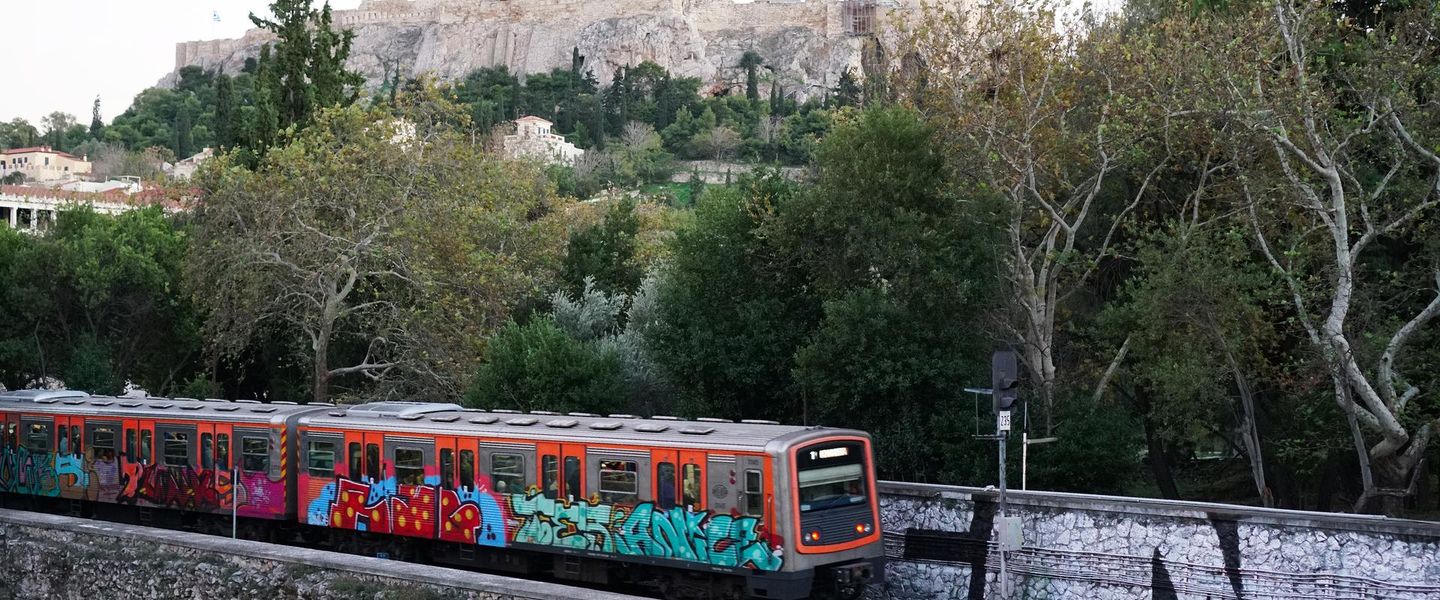


Thissio, Athens, pairs Acropolis views with ancient ruins, leafy walks, neoclassical streets, cafés and evening promenades around historic central Greece.
Streets Beneath the Sacred Rock
Thissio occupies the western and south-western slopes below the Acropolis, where archaeological landscapes, modest neoclassical buildings and pedestrian promenades meet the everyday life of central Athens. Its name comes from the Temple of Hephaestus in the Ancient Agora, long misidentified as a temple dedicated to Theseus, or Thiseas in Greek. Today, the neighbourhood is best understood through its relationship with the monumental centre around it: the Ancient Agora lies nearby, while the Acropolis rises to the east and the Pnyx and Philopappos Hill landscapes extend to the south.Read more about Thissio
Promenades and City Views
Ancient Sites and Evening Life
Best attractions in Thissio
Thissio's main attractions are concentrated along its archaeological and pedestrian edges. The Ancient Agora, once the civic, commercial and social centre of Athens, offers a substantial landscape of temples, stoas and foundations, together with the Stoa of Attalos museum. The Temple of Hephaestus stands on the Agora's western rise and is among the best-preserved ancient Greek temples. Apostolou Pavlou provides the neighbourhood's most accessible sightseeing walk, with open views towards the Acropolis and connections towards the Pnyx and Philopappos Hill. The National Observatory on the Hill of the Nymphs adds a scientific and architectural dimension, although its access is distinct from the promenade. Thissio station, the old railway corridor and the adjoining streets offer a quieter counterpoint to the monuments, while evening cafés turn the views and public space into part of the attraction.
-
Tourist attraction
Acropolis of Athens
Discover the Acropolis of Athens, a breathtaking historical landmark that embodies the glory of ancient Greece and offers stunning views of the city.
7 min walk · 0.6 km from neighbourhood centre
-
Tourist attraction
Acropolis Museum
Discover the heart of ancient Greece at the Acropolis Museum, home to thousands of artifacts and breathtaking views of the iconic Acropolis.
13 min walk · 1.0 km from neighbourhood centre
-
Tourist attraction
Technopolis City of Athens
Discover the vibrant Technopolis City of Athens, a cultural oasis where art, history, and technology converge in a unique urban setting.
9 min walk · 0.7 km from neighbourhood centre
-
Tourist attraction
Temple of Hephaestus
Discover the architectural marvel of the Temple of Hephaestus, a well-preserved gem of ancient Greece nestled in the heart of Athens' historic Agora.
1 min walk · 0.1 km from neighbourhood centre


Best landmarks in Thissio
The Temple of Hephaestus is Thissio's defining landmark, standing above the Ancient Agora with much of its Doric colonnade and sculptural programme preserved. The Agora itself is equally important as a historical landscape: the Stoa of Attalos, reconstructed in the twentieth century, now houses the archaeological museum and gives shape to the former civic centre. Thissio station is a landmark of a different kind, an early railway building that records the nineteenth-century link between Athens and Piraeus. Apostolou Pavlou is a significant modern public-space intervention, transforming the western approach to the Acropolis into a pedestrian route. On the neighbouring Hill of the Nymphs, the National Observatory marks the growth of modern scientific institutions, while the Pnyx preserves the setting associated with the assemblies of democratic Athens.
-
Historical landmark
Acropolis of Athens
Explore the Acropolis of Athens, an ancient citadel and UNESCO World Heritage site, with iconic temples and breathtaking views.
7 min walk · 0.6 km from neighbourhood centre
-
Archaeological site
Kerameikos Archaeological Site
Discover Kerameikos: Athens' largest ancient cemetery and potters' quarter, revealing millennia of history and archaeological treasures.
6 min walk · 0.5 km from neighbourhood centre
-
Historical landmark
Themistoclean Ancient Wall
Explore the ancient Themistoclean Wall in Athens, a historic landmark showcasing the city's resilience and architectural ingenuity.
7 min walk · 0.6 km from neighbourhood centre
-
Park
Thissio Park
Discover Thissio Park in Athens: a tranquil escape with Acropolis views, rich history, and a vibrant local atmosphere. Perfect for relaxation and exploration.
1 min walk · 0.1 km from neighbourhood centre


Explore Thissio on the map
A handpicked selection of must-see spots in Thissio, mapped for you.
Best hotels in Thissio
Best restaurants in Thissio
Dining in Thissio is shaped by its pedestrian promenade and the steady rhythm of archaeological visitors, local walkers and evening residents. Apostolou Pavlou and the streets around Thissio station contain outdoor cafés, Greek tavernas, casual restaurants and places designed around long views of the Acropolis. Menus commonly draw on familiar Greek cooking, including grilled dishes, salads, pulses, cheeses and seasonal vegetables, while coffee and light refreshments suit the area's daytime walking culture. Irakleidon and the quieter streets behind the main route offer a less panoramic, more neighbourhood-oriented setting, with options that range from informal meals to contemporary interpretations of Greek ingredients. The concentration of tables beside historic landscapes can make the promenade feel more visitor-focused than the residential lanes, so exploring both areas gives a more balanced impression of local dining.
-
Restaurant
Thissio View
Experience breathtaking views of the Acropolis while indulging in authentic Greek cuisine at Thissio View in Athens.
3 min walk · 0.2 km from neighbourhood centre
-
Greek
Kuzina
Experience authentic Greek cuisine at Kuzina in Athens, where traditional flavors meet modern culinary artistry against a backdrop of stunning Acropolis views.
1 min walk · 0.1 km from neighbourhood centre
-
Chophouse restaurant
To steki tou Ilia
Discover the rich flavors of Greece at To Steki Tou Ilia – where exceptional meats meet warm hospitality in Athens.
4 min walk · 0.3 km from neighbourhood centre
-
Restaurant
Sin Athina - Συν Αθηνά
Discover Sin Athina: A delightful blend of authentic Greek cuisine and modern flavors in the heart of Athens.
3 min walk · 0.2 km from neighbourhood centre


Best bars in Thissio
Thissio's evening scene is primarily social and open-air rather than club-centred. Once the heat softens, Apostolou Pavlou fills with café terraces and relaxed bars where the Acropolis remains visible across the pedestrian route. The streets near Thissio station and Irakleidon add smaller venues for drinks, coffee and conversation, with a mood that usually suits a late meal or unhurried evening rather than a night of dancing. Music may form part of individual bars' atmosphere, but the neighbourhood is not chiefly known for large nightclubs. The Pnyx and hillside paths are not nightlife venues and can become quiet after dark, so evening plans are best kept to established streets and occupied public areas. Nearby Monastiraki and Psyrri provide a broader late-night scene elsewhere in central Athens, rather than being treated as part of Thissio itself.
-
Bar
360 Cocktail Bar
Experience breathtaking views and expertly crafted cocktails at 360 Cocktail Bar, a rooftop gem in the heart of Athens.
5 min walk · 0.4 km from neighbourhood centre
-
Bar
Thissio View
Experience the perfect blend of stunning views and delightful cuisine at Thissio View, Athens' charming bar and café.
3 min walk · 0.2 km from neighbourhood centre
-
Bar
Buena Vista Social Bar
Discover the lively Buena Vista Social Bar in Athens, where Latin American flavors meet vibrant nightlife for an unforgettable experience.
3 min walk · 0.2 km from neighbourhood centre
-
Bar
Rudu Bar
Discover vibrant nightlife at Rudu Bar in Athens, where exquisite cocktails and lively music intertwine for an unforgettable experience.
9 min walk · 0.7 km from neighbourhood centre


Best nightclubs in Thissio
Thissio's evening scene is primarily social and open-air rather than club-centred. Once the heat softens, Apostolou Pavlou fills with café terraces and relaxed bars where the Acropolis remains visible across the pedestrian route. The streets near Thissio station and Irakleidon add smaller venues for drinks, coffee and conversation, with a mood that usually suits a late meal or unhurried evening rather than a night of dancing. Music may form part of individual bars' atmosphere, but the neighbourhood is not chiefly known for large nightclubs. The Pnyx and hillside paths are not nightlife venues and can become quiet after dark, so evening plans are best kept to established streets and occupied public areas. Nearby Monastiraki and Psyrri provide a broader late-night scene elsewhere in central Athens, rather than being treated as part of Thissio itself.
-
Disco club
Voodoo Restaurant Bar
Immerse yourself in the electrifying atmosphere of Voodoo Restaurant Bar, Athens' premier disco club for unforgettable nights filled with music and dancing.
10 min walk · 0.8 km from neighbourhood centre
-
Disco club
DISCO - VINILIO
Dive into the heart of Athenian nightlife at DISCO - VINILIO, where every night is a celebration of music, dance, and joy.
10 min walk · 0.8 km from neighbourhood centre
-
Night club
Death Disco
Discover the electrifying nightlife of Athens at Death Disco, a vibrant night club known for its diverse music and unforgettable themed events.
4 min walk · 0.3 km from neighbourhood centre
-
Night club
Blast Athens
Immerse yourself in the electric atmosphere of Blast Athens, where the city's nightlife comes alive with music, dance, and unforgettable moments.
10 min walk · 0.8 km from neighbourhood centre


Best shops in Thissio
Shopping in Thissio is modest and closely tied to the visitor routes rather than organised around a large retail district. Along Apostolou Pavlou and near the Ancient Agora, visitors encounter small souvenir outlets, craft-oriented shops, jewellery, decorative objects and products aimed at people exploring the archaeological centre. The streets around Thissio station and Irakleidon contain cafés, food shops and everyday local businesses, but they are not a substitute for Athens's larger commercial areas. The neighbourhood is better suited to browsing for a small design or craft item, Greek food products or an object linked to ancient motifs than to a dedicated shopping day. For broader retail, Monastiraki and Ermou Street lie nearby but outside Thissio; they should be understood as adjoining destinations rather than part of the neighbourhood's own commercial identity.
-
Vintage clothing store
Kilo-Shop
Discover unique vintage clothing and thrift treasures at Kilo-Shop, a fashion haven in the heart of Athens, perfect for every style enthusiast.
2 min walk · 0.2 km from neighbourhood centre
-
Store
Forget Me Not
Explore Forget Me Not, a delightful souvenir store in Athens, offering unique gifts and handcrafted treasures that capture the essence of Greek culture.
9 min walk · 0.7 km from neighbourhood centre
-
Gift shop
Olive Tree Store
Explore the Olive Tree Store in Athens for authentic local gifts, from gourmet olive oil to handcrafted treasures that embody Greek culture.
8 min walk · 0.6 km from neighbourhood centre
-
Store
Modernon Retrosexual Vintage Shop
Discover a unique blend of nostalgia and modern design at Modernon Retrosexual Vintage Shop in Athens, where every item tells a story.
7 min walk · 0.5 km from neighbourhood centre


Thissio essentials
Getting There
Getting Around
Safety
Emergency Situations
Do's and Don'ts
Local Tips

From Eve
Local phrases worth knowing
You don't need to get them perfect. A few words go a long way, and locals appreciate the effort.
Basics
| English | Local | Say it |
|---|---|---|
| Hello | Γεια σας | [Yah sas] |
| Goodbye | Αντίο | [Adio] |
| Yes | Ναι | [Neh] |
| No | Όχι | [Ohi] |
| Please/You're welcome | Παρακαλώ | [Parakalo] |
| Thank you | Ευχαριστώ | [Efharisto] |
| Excuse me/Sorry | Συγγνώμη | [Signomi] |
| How are you? | Τι κάνετε; | [Ti kanete?] |
| Fine. And you? | Καλά. Εσείς; | [Kala. Esis?] |
| Do you speak English? | Μιλάτε Αγγλικά; | [Milate Anglika?] |
| I don't understand | Δεν καταλαβαίνω | [Den katalaveno] |
Eating & Drinking
| English | Local | Say it |
|---|---|---|
| I'd like to see the menu, please | Θα ήθελα να δω το μενού, παρακαλώ | [Tha ithela na do to menou, parakalo] |
| I don't eat meat | Δεν τρώω κρέας | [Den troo kreas] |
| Cheers! | ΥΓΕΙΑ! | [YIA!] |
| I would like to pay, please | Θα ήθελα να πληρώσω, παρακαλώ | [Tha ithela na plirosso, parakalo] |
Emergencies
| English | Local | Say it |
|---|---|---|
| Help! | Βοήθεια! | [Voeetheea!] |
| Go away! | Φύγε! | [Fige!] |
| Call the Police! | Καλέστε την αστυνομία! | [Kaleste tin astinomia!] |
| Call a doctor! | Καλέστε γιατρό! | [Kaleste yatro!] |
| I'm lost | Έχω χαθεί | [Eho hathi] |
| I'm ill | Είμαι άρρωστος | [Emai arrostos] |
Shopping
| English | Local | Say it |
|---|---|---|
| I'd like to buy... | Θα ήθελα να αγοράσω... | [Tha ithela na agoraso...] |
| I'm just looking | Απλά κοιτάω | [Apla kitao] |
| How much is it? | Πόσο κοστίζει; | [Poso kostizi?] |
| That's too expensive | Αυτό είναι πολύ ακριβό | [Afto ine poli akribo] |
| Can you lower the price? | Μπορείτε να χαμηλώσετε την τιμή; | [Borite na hamilosete tin timi?] |
Time & Numbers
| English | Local | Say it |
|---|---|---|
| What time is it? | Τι ώρα είναι; | [Ti ora ine?] |
| It's one o'clock | Είναι μία ώρα | [Ine mia ora] |
| Half past (10) | Μισή (10) | [Misi (Deka)] |
| Morning | Πρωί | [Proi] |
| Afternoon | Απόγευμα | [Apoyevma] |
| Evening | Βράδυ | [Vradi] |
| Yesterday | Χθες | [Hthes] |
| Today | Σήμερα | [Simera] |
| Tomorrow | Αύριο | [Avrio] |
| 1 | Ένα | [Ena] |
| 2 | Δύο | [Dyo] |
| 3 | Τρία | [Tria] |
| 4 | Τέσσερα | [Tessera] |
| 5 | Πέντε | [Pente] |
| 6 | Έξι | [Exi] |
| 7 | Επτά | [Epta] |
| 8 | Οκτώ | [Okto] |
| 9 | Εννέα | [Ennea] |
| 10 | Δέκα | [Deka] |
Transport & Directions
| English | Local | Say it |
|---|---|---|
| Where's a/the...? | Πού είναι ένα/το...; | [Pou ine ena/to...?] |
| What's the address? | Ποια είναι η διεύθυνση; | [Pia ine i diefthinsi?] |
| Can you show me (on the map)? | Μπορείτε να μου δείξετε (στο χάρτη); | [Borite na mou dixete (sto charti)?] |
| When's the next (bus)? | Πότε είναι το επόμενο (λεωφορείο); | [Pote ine to epomeno (leoforeio)?] |
| A ticket (to ....) | Ένα εισιτήριο (προς ....) | [Ena isitirio (pros ....)] |
History of Thissio
The Ancient Agora Landscape
The area now associated with Thissio formed part of the western approach to ancient Athens, below the Acropolis and beside the civic centre of the Ancient Agora. The Temple of Hephaestus, built in the fifth century BC on a rise overlooking the Agora, became the source of the neighbourhood's modern name after centuries of being identified with Theseus. Its unusually complete Doric structure remains the area's most powerful ancient landmark, while the Agora preserves evidence of the political, commercial and social life that shaped classical Athens.
From Ottoman Edge to Modern Athens
For much of the Ottoman and early modern periods, the western side of the Acropolis was less densely built than the later centre of Athens. The creation of the modern Greek capital in the nineteenth century gradually brought roads, housing and public infrastructure into the district. Neoclassical buildings and small urban streets appeared alongside archaeological remains, creating the layered character still visible around Thissio. The area remained close to workshops, transport routes and the less formal western edge of the expanding capital rather than developing solely as a ceremonial quarter.
Railways and the Thisio Station
The arrival of the Athens–Piraeus railway in the nineteenth century altered the western approach to the Acropolis and connected the expanding capital with its port. The station now known as Thissio, opened in 1869, became a prominent piece of transport architecture and remains one of the oldest railway stations in Athens still serving passengers. Its presence helped give the neighbourhood a more connected, urban character, while the railway corridor also formed a practical boundary between the archaeological slopes and the denser streets to the north.
A Pedestrian Cultural Quarter
Late twentieth-century archaeological and public-realm projects reshaped Thissio's visitor experience. The creation of the pedestrian archaeological promenade along Apostolou Pavlou linked the western side of the Acropolis with the wider archaeological centre and reduced the dominance of through traffic. Cafés, restaurants and evening meeting places followed, while the Ancient Agora, the Pnyx and the Observatory continued to anchor the area's historical identity. The result is a neighbourhood where residential streets and contemporary leisure activity sit beside major archaeological landscapes, with tourism carefully concentrated along particular routes.
Thissio in Photos
Browse through our photo collection highlighting the charm and character of the destination.
Neighbourhoods near Thissio
The closest neighbourhoods to Thissio, if you have time for more than one stop.
-

-

-

-

-


Swipe for more neighbourhoods
Explore more

Explore more of Athens
Discover Athens: A journey through time in the cradle of Western civilization, where ancient wonders and modern vibrancy create an unforgettable experience.
Explore Athens