

Koukaki (Athens) Travel Guide - Free
Explore Koukaki in Athens with Evendo's free guide. Find the best shops, historic streets, restaurants, and gems on web or mobile.


Koukaki in Athens blends Acropolis Museum visits, leafy walks, independent cafés, Greek tavernas and local street life south of the Acropolis.
Streets Beneath the Rock
South of the Acropolis, Koukaki occupies a lively stretch of central Athens where residential streets, small hotels, independent cafés and everyday shops meet some of the city's most important cultural institutions. Its western edge is shaped by busy Syngrou Avenue, while pedestrian-friendly Drakou Street, Dimitrakopoulou Street and the lanes around Veikou Street form the neighbourhood's social focus. The Acropolis rises immediately to the north, but Koukaki is not simply a gateway to the ancient citadel: it has its own rhythm, with apartment buildings, balconies, bakeries, tavernas and shaded pavements revealing contemporary Athenian life.Read more about Koukaki
Museums, Industry and Local Life
Cafés, Taverns and Evening Streets
Best attractions in Koukaki
Koukaki's principal attraction is the Acropolis Museum, whose galleries and clear views towards the Acropolis make it one of Athens's essential cultural stops and a defining presence at the neighbourhood's northern edge. The museum is best approached on foot through the Makryianni area, with Koukaki's cafés and side streets beginning almost immediately to the south. The National Museum of Contemporary Art Athens, housed in the former Fix brewery on Syngrou Avenue, offers a very different experience, bringing modern and contemporary Greek and international art into a building with industrial memory. Drakou Street provides a smaller-scale attraction through its pedestrian setting, outdoor tables and local street life. Walks towards the Philopappou slopes, the Pnyx and the Acropolis archaeological zone begin nearby, though these landscapes extend beyond the informal neighbourhood boundary. Koukaki is therefore most rewarding as a meeting point between museum culture, ancient topography and ordinary Athenian streets.
-
Tourist attraction
Theatre of Dionysus
Discover the Theatre of Dionysus in Athens, the birthplace of Greek drama, where history and culture come alive amidst ancient ruins.
11 min walk · 0.9 km from neighbourhood centre
-
Tourist attraction
Temple of Athena Nike
Explore the Temple of Athena Nike, an exquisite ancient shrine on the Acropolis, showcasing remarkable architecture and breathtaking views of Athens.
11 min walk · 0.9 km from neighbourhood centre
-
Tourist attraction
Proskopon Square
Explore the vibrant Proskopon Square in Athens, a lively tourist attraction filled with local culture, art, and delicious Greek cuisine.
7 min walk · 0.6 km from neighbourhood centre


Best landmarks in Koukaki
The Acropolis Museum is Koukaki's most recognisable cultural landmark and a carefully designed modern counterpoint to the ancient monuments visible above the neighbourhood. Its setting near the Acropolis approaches has made the surrounding streets one of Athens's principal museum quarters. On Syngrou Avenue, the former Fix brewery is an important piece of industrial architecture and urban memory; its reuse as the National Museum of Contemporary Art Athens gives the building a new public role without erasing its manufacturing history. The pedestrianised section of Drakou Street is a more modest but characteristic local landmark, marking the neighbourhood's transition from a traffic-lined residential district to a café and restaurant centre. Apartment blocks, balconies and narrow pavements are also part of Koukaki's architectural identity, reflecting the post-war growth of Athens rather than a single historic style. The Acropolis and Philopappou monuments stand immediately nearby but extend beyond the neighbourhood's informal core.
-
Historical landmark
Acropolis of Athens
Explore the Acropolis of Athens, an ancient citadel and UNESCO World Heritage site, home to the Parthenon and a symbol of classical Greece.
12 min walk · 0.9 km from neighbourhood centre
-
Archaeological museum
Acropolis Museum
Explore ancient Greek history at the Acropolis Museum, home to artifacts from the Acropolis site with stunning views of the Parthenon.
9 min walk · 0.8 km from neighbourhood centre
-
 Archaeological museum
Ancient Agora of Athens
Discover the birthplace of democracy at the Ancient Agora of Athens, a vibrant center of political, commercial, and social life in ancient times.
16 min walk · 1.3 km from neighbourhood centre
-
Park
Philopappos Hill
Discover panoramic views, ancient monuments, and tranquil paths on Athens' Philopappos Hill, a historic escape in the city's heart.
5 min walk · 0.4 km from neighbourhood centre


Explore Koukaki on the map
A handpicked selection of must-see spots in Koukaki, mapped for you.
Best hotels in Koukaki
Best restaurants in Koukaki
Koukaki's dining scene is concentrated around Dimitrakopoulou Street, Veikou Street, Drakou Street and the connecting lanes, where a local residential market has expanded alongside the visitor economy created by the Acropolis Museum. Traditional tavernas and casual Greek restaurants sit beside cafés, bakeries, places serving grilled food and contemporary kitchens that reinterpret familiar ingredients. Visitors can expect dishes such as seasonal vegetables, pulses, fish, grilled meats, meze and regional cheeses, although individual menus change and the neighbourhood is not defined by one single speciality. Coffee culture is particularly visible during the day, with outdoor tables providing an informal view of local life. The area also suits a meal before or after museum visits, but the busiest streets can become crowded at conventional dining times. Exploring a block or two away from the Acropolis approach usually reveals a more residential pattern of small eateries, bakeries and everyday food shops.
-
Greek
Lolos
Experience authentic Greek cuisine at Lolos, where every dish tells a story and every bite transports you to Greece.
1 min walk · 0.1 km from neighbourhood centre
-
Greek
Dyo Dekares I Oka
Discover authentic Greek cuisine at Dyo Dekares I Oka in Athens - where tradition meets flavor in every dish.
1 min walk · 0.1 km from neighbourhood centre
-
Restaurant
KARMINIO - All Day Eatery
Discover authentic Greek flavors at KARMINIO - your go-to all-day eatery in Athens for breakfast, lunch, and dinner.
2 min walk · 0.1 km from neighbourhood centre
-
Barbecue
Sfika
Experience authentic Greek barbecue at Sfika in Athens - where delicious grilled meats meet vibrant atmosphere at budget-friendly prices.
5 min walk · 0.4 km from neighbourhood centre


Best bars in Koukaki
Koukaki's nightlife is generally social and understated rather than club-focused. Drakou Street and the surrounding section of Veikou Street form the main evening zone, with cafés and bars serving coffee by day and drinks later on, while tavernas and restaurants keep the streets active into the night. The atmosphere ranges from informal tables and beer to wine, cocktails and relaxed conversation, with much of the appeal coming from the pedestrian setting rather than large entertainment venues. The neighbourhood's proximity to the Acropolis and central Athens means that visitors can easily continue elsewhere for larger music and club scenes, but Koukaki itself is best suited to a gradual evening of food and drinks. Because apartments rise directly above many businesses, considerate noise levels matter, particularly when leaving venues or moving through residential lanes late at night.
-
Bar
Bel Ray
Discover the vibrant ambiance and delightful drinks at Bel Ray Bar, a must-visit nightlife destination in Athens offering an unforgettable experience.
2 min walk · 0.1 km from neighbourhood centre
-
Bar
Laluk Cafe-Bar
Experience the perfect blend of coffee and wine at Laluk Cafe-Bar, Athens' cozy retreat for locals and tourists alike.
1 min walk · 0.1 km from neighbourhood centre
-
Bar
KINONO
Experience the vibrant atmosphere and diverse drink offerings at KINONO, a must-visit bar in the heart of Athens.
4 min walk · 0.3 km from neighbourhood centre
-
Wine bar
Materia Prima wine bistro (Koukaki)
Discover the exquisite taste of wines at Materia Prima Wine Bistro, a cozy gem in Koukaki, Athens, perfect for unwinding after a day of exploration.
2 min walk · 0.2 km from neighbourhood centre


Best nightclubs in Koukaki
Koukaki's nightlife is generally social and understated rather than club-focused. Drakou Street and the surrounding section of Veikou Street form the main evening zone, with cafés and bars serving coffee by day and drinks later on, while tavernas and restaurants keep the streets active into the night. The atmosphere ranges from informal tables and beer to wine, cocktails and relaxed conversation, with much of the appeal coming from the pedestrian setting rather than large entertainment venues. The neighbourhood's proximity to the Acropolis and central Athens means that visitors can easily continue elsewhere for larger music and club scenes, but Koukaki itself is best suited to a gradual evening of food and drinks. Because apartments rise directly above many businesses, considerate noise levels matter, particularly when leaving venues or moving through residential lanes late at night.
-
Jazz
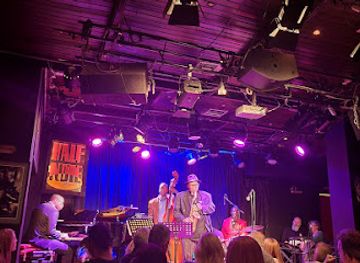
Half Note Jazz Club
Discover the soulful sounds of jazz at Half Note Jazz Club, Athens' premier live music venue, offering unforgettable performances in an intimate setting.
13 min walk · 1.1 km from neighbourhood centre
-
Sports bar
Athens Sports Bar
Athens Sports Bar: A lively hotspot for sports, delicious burgers, and unforgettable nights in Athens.
8 min walk · 0.7 km from neighbourhood centre
-
Night club
Tokyo Theater athens
Dive into the vibrant Athenian nightlife at Tokyo Theater, where electrifying performances meet a unique cultural experience in the heart of Greece.
6 min drive · 2.0 km from neighbourhood centre
-
Disco club
Koukles Club Drag Queen Show
Discover the vibrant nightlife of Athens at Koukles Club, the ultimate destination for thrilling drag performances and unforgettable experiences.
2 min walk · 0.1 km from neighbourhood centre


Best shops in Koukaki
Shopping in Koukaki is primarily local and practical, with food shops, bakeries, pharmacies, small supermarkets, cafés and independent businesses lining Dimitrakopoulou Street, Veikou Street and nearby side roads. The neighbourhood does not have a large traditional bazaar or a single specialist shopping quarter, but its everyday retail makes walking through the area feel less stage-managed than the main Acropolis approaches. Visitors may find Greek pantry goods, pastries, wine, gifts, books and small design items in shops serving both residents and the steady museum crowd. Drakou Street and its approaches are more oriented towards food and leisure than retail, while Syngrou Avenue has a broader, busier commercial character. For major retail chains, department stores and large markets, central Athens offers more choice elsewhere; Koukaki's interest lies in its mixture of useful neighbourhood commerce, independent food businesses and small visitor-oriented shops.
-
Store
F by Φ
Experience the perfect blend of artisanal coffee and unique boutique shopping at F by Φ in the heart of Athens.
1 min walk · 0.1 km from neighbourhood centre
-
Clothing store
Desiqual - EIGHT fashion Store
Discover the latest trends at Desiqual - EIGHT Fashion Store in Athens, a stylish destination for clothing, shoes, and accessories.
5 min walk · 0.4 km from neighbourhood centre
-
Clothing store
24 Goat
Explore 24 Goat in Athens for unique clothing that blends tradition with modernity, perfect for fashion lovers and souvenir seekers.
2 min walk · 0.1 km from neighbourhood centre
-
Gift shop
Delear Shop
Explore Delear Shop in Athens for unique gifts that capture the essence of Greek culture, featuring handcrafted items and local treasures.
4 min walk · 0.3 km from neighbourhood centre


Koukaki essentials
Getting There
Getting Around
Safety
Emergency Situations
Do's and Don'ts
Local Tips

From Eve
Local phrases worth knowing
You don't need to get them perfect. A few words go a long way, and locals appreciate the effort.
Basics
| English | Local | Say it |
|---|---|---|
| Hello | Γεια σας | [Yia sas] |
| Goodbye | Αντίο | [Adio] |
| Yes | Ναι | [Ne] |
| No | Όχι | [Ohi] |
| Please/You're welcome | Παρακαλώ | [Parakalo] |
| Thank you | Ευχαριστώ | [Efcharisto] |
| Excuse me/Sorry | Συγνώμη | [Signomi] |
| How are you? | Τι κάνετε; | [Ti kanete?] |
| Fine. And you? | Καλά. Εσείς; | [Kala. Esis?] |
| Do you speak English? | Μιλάτε Αγγλικά; | [Milate Agglika?] |
| I don't understand | Δεν καταλαβαίνω | [Den katalaveno] |
Eating & Drinking
| English | Local | Say it |
|---|---|---|
| I'd like to see the menu, please | Θα ήθελα να δω το μενού, παρακαλώ | [Tha ithela na do to menou, parakalo] |
| I don't eat meat | Δεν τρώω κρέας | [Den troo kreas] |
| Cheers! | Στην υγειά σας! | [Stin ygeia sas!] |
| I would like to pay, please | Θα ήθελα να πληρώσω, παρακαλώ | [Tha ithela na plirosso, parakalo] |
Emergencies
| English | Local | Say it |
|---|---|---|
| Help! | Βοήθεια! | [Voithia!] |
| Go away! | Πήγαινε μακριά! | [Pigaine makria!] |
| Call the Police! | Καλέστε την Αστυνομία! | [Kaleste tin Astynomia!] |
| Call a doctor! | Καλέστε έναν γιατρό! | [Kaleste enan yatro!] |
| I'm lost | Έχω χαθεί | [Eho hthi] |
| I'm ill | Είμαι άρρωστος | [Eimai arrostos] |
Shopping
| English | Local | Say it |
|---|---|---|
| I'd like to buy... | Θα ήθελα να αγοράσω... | [Tha ithela na agoraso...] |
| I'm just looking | Απλά κοιτάω | [Apla kitao] |
| How much is it? | Πόσο κοστίζει; | [Poso kostizi?] |
| That's too expensive | Αυτό είναι πολύ ακριβό | [Afto ine poli akribo] |
| Can you lower the price? | Μπορείτε να μειώσετε την τιμή; | [Borite na meiosete tin timi?] |
Time & Numbers
| English | Local | Say it |
|---|---|---|
| What time is it? | Τι ώρα είναι; | [Ti ora ine?] |
| It's one o'clock | Είναι μία ώρα | [Ine mia ora] |
| Half past (10) | Μισή (10) | [Misi (10)] |
| Morning | Πρωί | [Proi] |
| Afternoon | Απόγευμα | [Apoyevma] |
| Evening | Βράδυ | [Vradi] |
| Yesterday | Χθες | [Hthes] |
| Today | Σήμερα | [Simera] |
| Tomorrow | Αύριο | [Avrio] |
| 1 | Ένα | [Ena] |
| 2 | Δύο | [Dio] |
| 3 | Τρία | [Tria] |
| 4 | Τέσσερα | [Tessera] |
| 5 | Πέντε | [Pente] |
| 6 | Έξι | [Exi] |
| 7 | Επτά | [Epta] |
| 8 | Οκτώ | [Okto] |
| 9 | Εννέα | [Ennea] |
| 10 | Δέκα | [Deka] |
Transport & Directions
| English | Local | Say it |
|---|---|---|
| Where's a/the...? | Πού είναι ένα/το...; | [Pou ine ena/to...?] |
| What's the address? | Ποια είναι η διεύθυνση; | [Poia ine i diefthinsi?] |
| Can you show me (on the map)? | Μπορείτε να μου δείξετε (στο χάρτη); | [Borite na mou deksete (sto harti)?] |
| When's the next (bus)? | Πότε είναι το επόμενο (λεωφορείο); | [Pote ine to epomeno (leoforeio)?] |
| A ticket (to ....) | Ένα εισιτήριο (προς ....) | [Ena isitirio (pros ....)] |
History of Koukaki
From Peripheral Ground to Suburb
Before modern Koukaki developed, the area south of the Acropolis was largely peripheral ground beyond the densely built core of Athens, with routes leading towards the southern suburbs and Piraeus. Urban expansion during the nineteenth century brought new roads, modest houses and increasingly regular residential development. The neighbourhood's name is commonly associated with the Koukakis family, linked to a bed-manufacturing business in the area. As Athens grew after independence, this once-edge landscape became part of the city's expanding urban fabric, positioned between the historic centre, the Acropolis slopes and the major road towards the coast.
The Rise of Apartment Athens
During the late nineteenth and twentieth centuries, Koukaki changed from a low-rise peripheral district into a mixed residential neighbourhood. Small workshops, local shops and family homes existed alongside gradually denser construction, while improved roads and public transport tied the area more closely to central Athens. From the mid-twentieth century, the widespread replacement of older houses by apartment blocks reflected the broader Athenian building boom. Polykatoikia buildings, with balconies opening onto narrow streets, still give much of Koukaki its characteristic appearance and explain the close relationship between homes, pavements and ground-floor commerce.
The Fix Brewery and Industrial Memory
Koukaki's modern identity is closely connected with the former Fix brewery on Syngrou Avenue. The brewery became one of Greece's best-known industrial enterprises, and its large premises represented the scale of manufacturing that once existed beside residential Athens. The complex was later adapted for cultural use, becoming home to the National Museum of Contemporary Art Athens. Its survival and transformation preserve an important layer of neighbourhood history: Koukaki is not only a district of archaeological proximity, but also a place shaped by industry, changing employment and the reuse of urban infrastructure.
Museums, Metro and New Attention
The opening of the Acropolis Museum in 2009 strengthened Koukaki's position on Athens's cultural map, while the extension and modernisation of the city's metro network made the neighbourhood easier to reach. Increased visitor numbers encouraged the growth of cafés, restaurants, small hotels and short-term accommodation, particularly around the museum and the main streets. This brought investment and international attention but also altered the balance between residential life and visitor services. Koukaki today retains its local shops and apartment-lined streets while negotiating the pressures common to central districts near major heritage sites.
Koukaki in Photos
Browse through our photo collection highlighting the charm and character of the destination.
Neighbourhoods near Koukaki
The closest neighbourhoods to Koukaki, if you have time for more than one stop.
-

-

-
-

-


Swipe for more neighbourhoods
Explore more

Explore more of Athens
Discover Athens: A journey through time in the cradle of Western civilization, where ancient wonders and modern vibrancy create an unforgettable experience.
Explore Athens