
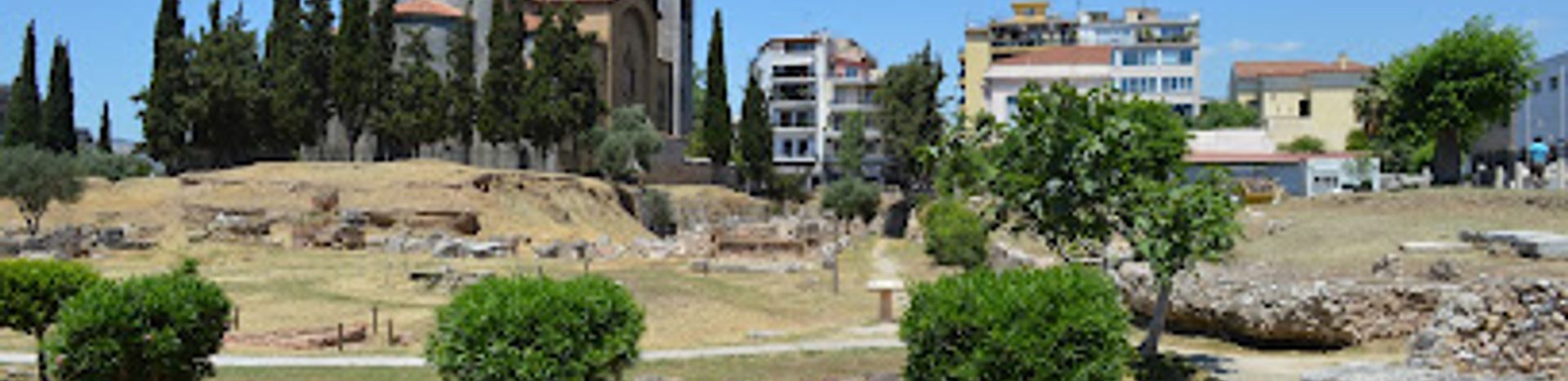
Kerameikos Archaeological Site: Athens' Ancient Cemetery
Discover Kerameikos: Ancient Athens' main cemetery, potters' quarter, and a journey through thousands of years of history and art.
Explore the Kerameikos, ancient Athens' main cemetery, offering a peaceful retreat and a glimpse into the city's history from the Bronze Age through Roman times. Wander among the ruins, discover ancient walls and gates, and visit the museum showcasing funerary artifacts.
A brief summary to Kerameikos Archaeological Site
- Ermou 148, Athens, 105 53, GR
- +302103463552
- Visit website
Local tips
- Wear comfortable shoes, as the site involves a fair amount of walking on uneven ground.
- Visit in the morning or late afternoon during summer to avoid the heat, as shade is limited.
- Consider purchasing a combo ticket for access to multiple archaeological sites, including the Acropolis, to save money.
- Check the official website for current opening hours and any special events or closures.
- Take time to explore the Kerameikos Museum, which houses a fascinating collection of funerary artifacts.

Getting There
-
Walking
From Thissio Metro Station (Green Line), walk west along Ermou Street for about 5 minutes. The entrance to the Kerameikos Archaeological Site will be on your left. This is a straightforward, mostly level walk.
-
Public Transport
Take the Metro to Kerameikos station (Blue Line M3). From the station, walk approximately 10 minutes towards Ermou Street. Follow the signs to the archaeological site. A single metro ticket costs approximately €1.40.
-
Taxi/Ride-Share
Take a taxi or use a ride-sharing app to 'Kerameikos Archaeological Site, Ermou 148, Athina'. From central Athens, a taxi fare typically ranges from €5 to €15, depending on traffic. Ensure the driver uses the meter.


