

Paleokastritsa (Corfu) Travel Guide - Free
Explore Paleokastritsa in Corfu with Evendo's free guide. Find the best shops, historic streets, restaurants, and gems on web or mobile.


Paleokastritsa, Corfu, pairs turquoise bays, sea caves, olive-clad hills and a historic monastery with swimming, boat trips and coastal walks in western Greece.
A Landscape of Sheltered Bays
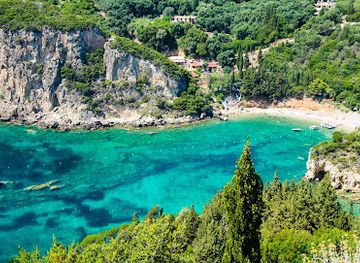
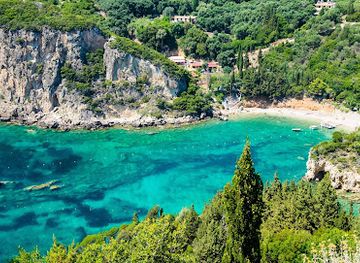
Paleokastritsa occupies a deeply indented stretch of Corfu’s north-western coast, where wooded hills descend towards a chain of small beaches, rocky coves and clear Ionian water. Rather than a compact village with a single centre, it is a scattered coastal settlement of bays, headlands, tavernas, accommodation and winding roads. The principal road threads along the hillside, while paths and steps lead down towards beaches and small harbours. The terrain is beautiful but often steep, making sturdy footwear and sensible planning useful.Read more about Paleokastritsa
The Monastery Above the Sea
Coastal Days and Local Life
Best attractions in Paleokastritsa
Paleokastritsa’s attractions are concentrated in its coastline and the wooded peninsula crowned by the Monastery of Paleokastritsa. The monastery rewards a visit for its whitewashed buildings, peaceful courtyard, religious collection and elevated views over the bays. Below it, small harbours and beaches provide access to swimming, snorkelling and boat excursions among the sea caves, arches and rocky inlets that give the coast its distinctive form. The principal beaches are separated by headlands and roads, so the experience varies from convenient waterfront bathing to quieter coves reached by steps or water. Lookout points along the hillside road reveal the layered geography of forest, limestone and Ionian Sea, while nearby olive groves preserve the rural setting behind the resort. Paleokastritsa is best explored as a sequence of viewpoints, beaches and boat landings rather than as a single attraction.
-
Tourist attraction
Monastery of Paleokastritsa
Explore the tranquil beauty and rich history of the Monastery of Paleokastritsa, a must-see destination in Corfu's stunning landscape.
7 min walk · 0.6 km from neighbourhood centre
-
Tourist attraction
Corfu Aquarium
Explore the captivating underwater world at Corfu Aquarium, showcasing local and exotic marine life in a stunning coastal setting.
6 min walk · 0.5 km from neighbourhood centre
-
Tourist attraction
Θέα Παλαιοκαστρίτσας
Discover Palaiokastritsa, a stunning coastal gem in Corfu, Greece, known for its breathtaking landscapes, rich history, and serene beaches.
8 min walk · 0.6 km from neighbourhood centre
-
Tourist attraction
Beach Paleokastritsa
Explore Beach Paleokastritsa: A hidden gem in Corfu, where crystal-clear waters meet beautiful landscapes for an unforgettable experience.
5 min walk · 0.4 km from neighbourhood centre


Best landmarks in Paleokastritsa
The Monastery of Paleokastritsa is the area’s principal landmark, standing on a forested promontory above the Ionian Sea and giving the scattered resort a strong historical and spiritual focus. Its church, courtyards, whitewashed walls and collection of ecclesiastical objects reflect the long religious presence associated with the site. Below, the small harbours and boat jetties are important local features because they connect the land-based resort with the caves and coves of the surrounding coast. The rocky headlands, wooded slopes and olive groves are landmarks of landscape rather than monuments, but together they explain Paleokastritsa’s identity. Angelokastro, the dramatic Byzantine castle near Krini, is a nearby regional sight rather than a landmark within Paleokastritsa itself and should be visited as a separate excursion.
-
Monastery
Monastery of Paleokastritsa
Discover a historic monastery in Corfu with stunning views, religious art, and a peaceful atmosphere. A must-see destination!
7 min walk · 0.6 km from neighbourhood centre
-
Historical place
Angelokastro
Explore Angelokastro, a historic Byzantine castle in Corfu with breathtaking panoramic views of the Ionian Sea and surrounding landscapes.
5 min drive · 1.8 km from neighbourhood centre
-
Aquarium
Corfu Aquarium
Explore the wonders of Mediterranean marine life and exotic reptiles at Corfu Aquarium in picturesque Paleokastritsa.
6 min walk · 0.5 km from neighbourhood centre
-
Scenic spot
Θέα Παλαιοκαστρίτσας
Experience the panoramic beauty of Palaiokastritsa: stunning coastlines, turquoise waters, and lush landscapes await on Corfu Island.
8 min walk · 0.6 km from neighbourhood centre


Explore Paleokastritsa on the map
A handpicked selection of must-see spots in Paleokastritsa, mapped for you.
Best hotels in Paleokastritsa
Best restaurants in Paleokastritsa
Dining in Paleokastritsa follows the shape of the coast, with tavernas, cafés and casual restaurants clustered near the principal beaches, harbours and the main road. Menus commonly draw on Corfiot and wider Greek cooking, including grilled fish, seafood, salads, pulses, pies, local cheeses and slow-cooked dishes, while waterfront tables make the bays part of the setting. Smaller cafés cater to swimmers and boat passengers with drinks, snacks and simple meals, and many establishments serve a seasonal holiday trade rather than an elaborate gastronomic programme. The area’s scattered layout means that a venue near one cove may feel quite separate from another farther along the road. For a more local flavour, look for dishes associated with Corfu such as sofrito or pastitsada, while checking preparations and availability directly because menus change with season and supply.
-
Restaurant
Limani Restaurant
Discover Limani Restaurant: A Culinary Haven in Palaiokastritsa Offering Authentic Greek Flavors Amidst Stunning Coastal Views.
1 min walk · 0.1 km from neighbourhood centre
-
Mediterranean
Nereids Restaurant & Bar
Experience authentic Mediterranean cuisine at Nereids Restaurant & Bar in Palaiokastritsa with stunning sea views and delightful local flavors.
11 min walk · 0.9 km from neighbourhood centre
-
Restaurant
O Meraklis
Discover O Meraklis: A delightful restaurant in Paleokastritsa offering authentic Greek cuisine with breathtaking views.
8 min walk · 0.7 km from neighbourhood centre
-
Restaurant
Alipa Restaurant
Experience authentic Greek flavors with stunning views at Alipa Restaurant in beautiful Palaiokastritsa, Corfu.
1 min walk · 0.1 km from neighbourhood centre


Best bars in Paleokastritsa
Paleokastritsa’s evening scene is low-key and closely tied to its coves rather than to a dedicated club district. Waterfront tavernas and modest bars provide cocktails, beer, wine and soft drinks beside the harbours, with the setting and sunset views doing more of the work than loud entertainment. La Grotta, around one of the area’s rocky coastal inlets, is a recognised stop for swimming by day and drinks in a dramatic setting, though access and conditions depend on the sea and seasonal operation. After dinner, the resort is generally quieter than Corfu Town or the island’s major nightlife resorts, with evenings suited to conversation, views and a short stroll. Visitors seeking late clubs will need to travel elsewhere on Corfu rather than expect a large after-dark circuit within Paleokastritsa itself.
-
Bar
La Grotta Bar
Experience the breathtaking views and vibrant atmosphere at La Grotta Bar, a coastal gem in Paleokastritsa perfect for relaxation and enjoyment.
13 min walk · 1.0 km from neighbourhood centre
-
Bar
Akron beach bar
Discover the vibrant atmosphere of Akron Beach Bar in Paleokastritsa, where stunning views and delightful flavors create unforgettable memories.
9 min walk · 0.7 km from neighbourhood centre
-
Bar
Acapulco Bar
Experience the charm of Acapulco Bar in Palaiokastritsa, where stunning views meet refreshing drinks and vibrant social atmosphere.
5 min drive · 1.8 km from neighbourhood centre
-
Cocktail bar
Unlimit cocktail bar
Experience the vibrant atmosphere and expertly crafted cocktails at Unlimit Cocktail Bar, the perfect retreat in Paleokastritsa, Corfu.
8 min walk · 0.6 km from neighbourhood centre


Best nightclubs in Paleokastritsa
Paleokastritsa’s evening scene is low-key and closely tied to its coves rather than to a dedicated club district. Waterfront tavernas and modest bars provide cocktails, beer, wine and soft drinks beside the harbours, with the setting and sunset views doing more of the work than loud entertainment. La Grotta, around one of the area’s rocky coastal inlets, is a recognised stop for swimming by day and drinks in a dramatic setting, though access and conditions depend on the sea and seasonal operation. After dinner, the resort is generally quieter than Corfu Town or the island’s major nightlife resorts, with evenings suited to conversation, views and a short stroll. Visitors seeking late clubs will need to travel elsewhere on Corfu rather than expect a large after-dark circuit within Paleokastritsa itself.
-
Bar
La Grotta Bar
Experience breathtaking views and a vibrant atmosphere at La Grotta Bar, a stunning cliffside destination in Paleokastritsa, Corfu.
13 min walk · 1.0 km from neighbourhood centre
-
Bar
Akron beach bar
Experience the ultimate beach escape at Akron Beach Bar, where sun, sea, and sensational flavors come together in a perfect blend.
9 min walk · 0.7 km from neighbourhood centre
-
Bar
Acapulco Bar
Discover the lively spirit of Acapulco Bar in Palaiokastritsa, where refreshing drinks and beautiful views create unforgettable memories.
5 min drive · 1.8 km from neighbourhood centre
-
Bar
Cactus Pub
Experience the vibrant nightlife at Cactus Pub in Corfu, where lively atmosphere and refreshing drinks await every visitor.
17 min walk · 1.3 km from neighbourhood centre


Best shops in Paleokastritsa
Shopping in Paleokastritsa is limited and practical rather than centred on a substantial commercial street. Small shops and kiosks along the main road and near the beaches sell beach equipment, clothing, souvenirs, snacks and everyday holiday supplies, while local outlets may offer Corfiot olive oil, honey, herbs, wine and other island products. The most distinctive purchases are generally edible or craft-based rather than designer goods, although stock varies by season and individual business. Visitors should not expect the dense independent retail scene found in Corfu Town; the area’s shops serve people moving between swimming, boating and accommodation. For broader market browsing, specialist retail and a larger choice of local products, Corfu Town is the more appropriate destination, while Paleokastritsa’s small-scale shopping is convenient for beach days and simple souvenirs.
-
Store
George's Shop
Explore George's Shop in Lakones for authentic local crafts and souvenirs that capture the essence of Greek culture.
10 min walk · 0.8 km from neighbourhood centre
-
Grocery store
Bimbos supermarket (mipmpos)
Explore all that Bimbos Supermarket in Corfu offers – fresh local produce, international goods, and a friendly shopping environment await you.
8 min drive · 2.7 km from neighbourhood centre
-
Grocery store
Happy Day #market#bakery#cafe
Discover the flavors of Paleokastritsa at Happy Day, your go-to grocery store, bakery, and café for fresh local produce and delightful treats.
8 min walk · 0.6 km from neighbourhood centre
-
Supermarket
Paleo Palace Market
Paleo Palace Market: Your one-stop supermarket in Paleokastritsa for fresh produce, local delicacies, and unique souvenirs.
15 min walk · 1.2 km from neighbourhood centre


Paleokastritsa essentials
Getting There
Getting Around
Safety
Emergency Situations
Do's and Don'ts
Local Tips

From Eve
Local phrases worth knowing
You don't need to get them perfect. A few words go a long way, and locals appreciate the effort.
Basics
| English | Local | Say it |
|---|---|---|
| Hello | Γεια σας | [Ya sas] |
| Goodbye | Αντίο | [Adio] |
| Yes | Ναι | [Ne] |
| No | Όχι | [Ochi] |
| Please/You're welcome | Παρακαλώ | [Parakalo] |
| Thank you | Ευχαριστώ | [Efharisto] |
| Excuse me/Sorry | Συγγνώμη | [Signomi] |
| How are you? | Πώς είστε; | [Pos iste?] |
| Fine. And you? | Καλά. Εσείς; | [Kala. Esis?] |
| Do you speak English? | Μιλάτε Αγγλικά; | [Milate Anglika?] |
| I don't understand | Δεν καταλαβαίνω | [Den katalaveno] |
Eating & Drinking
| English | Local | Say it |
|---|---|---|
| I'd like to see the menu, please | Θα ήθελα να δω το μενού, παρακαλώ | [Tha ithela na do to menu, parakalo] |
| I don't eat meat | Δεν τρώω κρέας | [Den troo kreas] |
| Cheers! | Υγεία! | [Ygeia!] |
| I would like to pay, please | Θα ήθελα να πληρώσω, παρακαλώ | [Tha ithela na plirosso, parakalo] |
Emergencies
| English | Local | Say it |
|---|---|---|
| Help! | Βοήθεια! | [Voithia!] |
| Go away! | Φύγε! | [Fiye!] |
| Call the Police! | Καλέστε την αστυνομία! | [Kaleste tin astinomia!] |
| Call a doctor! | Καλέστε έναν γιατρό! | [Kaleste enan giatro!] |
| I'm lost | Έχω χαθεί | [Eho hathee] |
| I'm ill | Είμαι άρρωστος | [Ime arrostos] |
Shopping
| English | Local | Say it |
|---|---|---|
| I'd like to buy... | Θα ήθελα να αγοράσω... | [Tha ithela na agoraso...] |
| I'm just looking | Απλά κοιτάζω | [Apla kitazo] |
| How much is it? | Πόσο κοστίζει; | [Poso kostizi?] |
| That's too expensive | Είναι πολύ ακριβό | [Ine poli akribo] |
| Can you lower the price? | Μπορείτε να μειώσετε την τιμή; | [Borite na miosete tin timi?] |
Time & Numbers
| English | Local | Say it |
|---|---|---|
| What time is it? | Τι ώρα είναι; | [Ti ora ine?] |
| It's one o'clock | Είναι μία ώρα | [Ine mia ora] |
| Half past (10) | Μισή (10) | [Misi (deka)] |
| Morning | Πρωί | [Proi] |
| Afternoon | Απόγευμα | [Apoyevma] |
| Evening | Βράδυ | [Vradi] |
| Yesterday | Χθες | [Hthes] |
| Today | Σήμερα | [Simera] |
| Tomorrow | Αύριο | [Avrio] |
| 1 | Ένα | [Ena] |
| 2 | Δύο | [Dyo] |
| 3 | Τρία | [Tria] |
| 4 | Τέσσερα | [Tessera] |
| 5 | Πέντε | [Pente] |
| 6 | Έξι | [Exi] |
| 7 | Επτά | [Epta] |
| 8 | Οκτώ | [Okto] |
| 9 | Εννιά | [Ennia] |
| 10 | Δέκα | [Deka] |
Transport & Directions
| English | Local | Say it |
|---|---|---|
| Where's a/the...? | Πού είναι ένα/το...; | [Pou ine ena/to...?] |
| What's the address? | Ποια είναι η διεύθυνση; | [Pia ine i diefthinsi?] |
| Can you show me (on the map)? | Μπορείτε να μου δείξετε (στο χάρτη); | [Borite na mou dixete (sto charti)?] |
| When's the next (bus)? | Πότε είναι το επόμενο (λεωφορείο); | [Pote ine to epomeno (leoforeio)?] |
| A ticket (to ....) | Ένα εισιτήριο (για το...); | [Ena isitirio (gia to...)?] |
History of Paleokastritsa
A Byzantine Monastic Foundation
Paleokastritsa’s most substantial historical record is connected with its monastery, traditionally dated to 1225 and dedicated to the Virgin Mary. The monastery’s present appearance reflects later rebuilding and alterations rather than a single medieval construction campaign, but its position on the peninsula preserves the area’s long religious association with the coast. For centuries, the monastery functioned as a spiritual and agricultural centre within a landscape of steep slopes, olive trees and small coastal settlements. Its surviving church, courtyards and ecclesiastical collection provide the clearest physical link between modern Paleokastritsa and its medieval past.
Venetian Corfu and Rural Coast
From the late fourteenth century until the end of the eighteenth century, Corfu was governed by Venice, and the island’s defensive priorities, landholding patterns and trade connections shaped coastal districts such as Paleokastritsa. The area was not transformed into a dense urban quarter; its identity remained tied to cultivation, fishing, religious life and movement along difficult coastal routes. Olive groves, which became central to Corfu’s rural economy under Venetian influence, remain an important part of the hills surrounding the bays. The monastery stood as the area’s principal institutional landmark while nearby communities remained dispersed.
From Coastal Village to Resort
Paleokastritsa’s modern development accelerated during the twentieth century as roads, motor transport and tourism made its beaches and dramatic coastline accessible to visitors from Corfu Town and beyond. Small bathing facilities, tavernas, boat services and family-run accommodation gradually appeared around the coves, while the monastery became an established sightseeing stop. Tourism altered the local economy without creating a continuous town centre: the settlement retained its elongated, fragmented form along the coast and hillsides. Today, the relationship between seasonal visitor activity, protected-looking natural scenery, religious heritage and long-established olive groves defines much of Paleokastritsa’s identity.
Paleokastritsa in Photos
Browse through our photo collection highlighting the charm and character of the destination.
Neighbourhoods near Paleokastritsa
The closest neighbourhoods to Paleokastritsa, if you have time for more than one stop.
-

-

-
-


Swipe for more neighbourhoods
Explore more

Explore more of Corfu
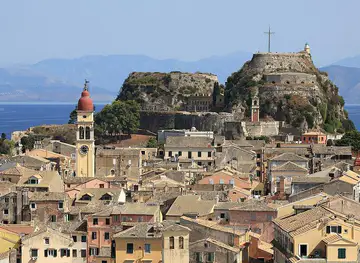
Corfu combines UNESCO-listed old-town architecture, Venetian fortresses, Ionian scenery, distinctive Greek cuisine and cultural history for island sightseeing.
Explore Corfu