

Dassia (Corfu) Travel Guide - Free
Explore Dassia in Corfu with Evendo's free guide. Find the best shops, historic streets, restaurants, and gems on web or mobile.


Dassia, Corfu combines a long pebbly beach, pine-covered hills, Ionian swimming, tavernas and easy access to Corfu Town and northern villages by bus.
Coast and Setting
Dassia stretches along Corfu’s eastern coast, about 12 kilometres north of Corfu Town, where a settled ribbon of hotels, apartments, tavernas and small shops follows the shoreline between Kommeno and Ipsos. Its principal beach is long and relatively narrow, with pebbles and sand meeting the clear waters of the Ionian Sea; in places, mature trees provide welcome shade close to the coast. Behind the seafront, the land rises into olive groves and wooded slopes, giving the resort a greener, more spacious character than its busy coastal road might suggest.Read more about Dassia
A Resort with a Local Rhythm
Exploring Beyond the Beach
Best attractions in Dassia
Dassia’s central attraction is its long eastern-facing beach, where pebbly and sandy sections meet generally clear Ionian water and the sea remains the focus of the resort’s daily life. The shoreline is suitable for swimming, relaxing beneath sections of tree cover and, where conditions and operators permit, watersports. Behind it, the main road and its smaller side streets lead into a landscape of olive groves, cypress, scrub and wooded foothills, offering a simple alternative to the developed waterfront. The beach road is most enjoyable early or late in the day, when temperatures are lower and the coast is less busy. Dassia also works as a base for nearby Ipsos, the northern bays and Corfu Town, although those are separate destinations rather than attractions within Dassia itself. The Greek mainland and Albanian coast may be visible from parts of the eastern shoreline in clear weather.
-
Παραλία Άγιος Νικόλαος
Discover the beauty and culture of Paralia Agios Nikolaos, a stunning beach destination on Corfu's enchanting shores.
-
Tourist attraction
Paralia Dasia
Experience the enchanting shores of Paralia Dasia in Corfu, where sun-soaked beaches meet vibrant culture and unforgettable adventures await.
3 min walk · 0.3 km from neighbourhood centre
-
Tourist attraction
Παραλία Δαφνίλα
Experience the serene beauty of Paralia Dafnila in Corfu, a hidden beach paradise perfect for relaxation and local Greek cuisine.
5 min drive · 1.8 km from neighbourhood centre


Best landmarks in Dassia
Dassia does not possess a compact historic core filled with monumental buildings; its most distinctive landmarks are landscape-based. The long shoreline and the mature trees bordering parts of Dassia Beach express the resort’s relationship with the Ionian coast, while the olive-covered slopes behind the settlement preserve traces of its older agricultural setting. The main coastal road is another defining physical feature, carrying the traffic and public transport that link Dassia with Corfu Town, Ipsos and the villages farther north. Low-rise holiday buildings, tavernas and scattered residences illustrate the area’s transition from rural coast to established resort. Individual properties are generally less architecturally significant than the setting as a whole, and visitors seeking Corfu’s principal historic landmarks should travel to Corfu Town, where the Old Town, fortifications and Venetian-era buildings form a separate heritage landscape rather than part of Dassia.
-
Bar
Malibu Summer Beach Club
Experience Corfu's vibrant beach life at Malibu Summer Beach Club in Dassia: sun, sea, cocktails, and Mediterranean flavors await!
3 min walk · 0.3 km from neighbourhood centre
-
Bus stop
Ikos Dassia
Discover unparalleled luxury and breathtaking views at Ikos Dassia, a five-star seaside hotel that redefines the Greek getaway experience.
1 min walk · 0.1 km from neighbourhood centre
-
Car rental agency
Hermes Rent A Car Dassia Corfu
Explore Corfu at your own pace with Hermes Rent A Car in Dassia. Reliable service, diverse fleet, and personalized attention since 1963.
5 min walk · 0.4 km from neighbourhood centre
-
Restaurant
To Kastro
Experience authentic Greek cuisine and grilled specialties in a charming outdoor setting at To Kastro restaurant in Dassia, Corfu.
7 min walk · 0.6 km from neighbourhood centre


Explore Dassia on the map
A handpicked selection of must-see spots in Dassia, mapped for you.
Best hotels in Dassia
Best restaurants in Dassia
Dining in Dassia is concentrated along the coastal strip and the road behind the beach, where visitors find tavernas, casual restaurants, cafés and takeaway options serving both Corfiot favourites and familiar international holiday fare. Local menus commonly draw on Ionian cooking, with dishes such as sofrito, pastitsada, grilled fish, seasonal vegetables, salads and small plates appearing alongside pizzas and other resort staples. Breakfast cafés and relaxed waterfront tables suit the beach-oriented rhythm, while inland establishments can offer a quieter setting away from traffic. Corfu’s culinary culture includes influences from Venetian rule as well as mainland Greek traditions, and this is often reflected in the island dishes available locally. The dining scene is seasonal and practical rather than centred on a single famous food street, so visitors should distinguish Dassia’s own restaurants from the larger choice found in Corfu Town and the nightlife-oriented venues around nearby Ipsos.
-
Greek
Alexandros Taverna
Discover authentic Greek cuisine at Alexandros Taverna in Dassia - where tradition meets taste in a stunning coastal setting.
5 min walk · 0.4 km from neighbourhood centre
-
Restaurant
Andreas Restaurant
Experience authentic Greek cuisine at Andreas Restaurant in Dassia – where every dish tells a story.
6 min walk · 0.5 km from neighbourhood centre
-
Restaurant
Leonidas grill
Discover authentic Greek cuisine at Leonidas Grill in Dassia – where every meal is a celebration of Mediterranean flavors.
3 min walk · 0.3 km from neighbourhood centre
-
Restaurant
To Kastro
Discover authentic Greek flavors at To Kastro in Dassia – where every meal tells a story.
7 min walk · 0.6 km from neighbourhood centre


Best bars in Dassia
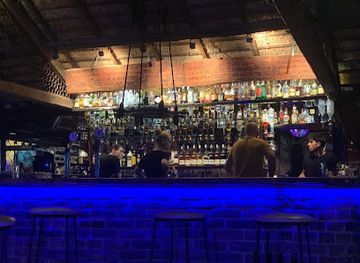
Dassia’s evenings are generally based around relaxed bars, hotel lounges, café terraces and restaurants along the coastal road rather than a dense nightclub district. After sunset, the waterfront provides an easy setting for drinks and conversation, while some resort venues offer music or informal entertainment during the main summer period. The atmosphere is usually more measured than in nearby Ipsos, whose concentrated strip is known for a livelier late-night scene and is close enough for an evening outing but lies outside Dassia. Nightlife availability changes considerably with the season, and quieter periods may leave the village oriented mainly towards dining and seaside walks. Visitors staying near residential accommodation should keep voices and music low when returning late, and pedestrians should take care on the busy coastal road, especially after dark.
-
Bar
Malibu Summer Beach Club
Experience the perfect blend of relaxation and excitement at Malibu Summer Beach Club, a vibrant bar with stunning beach views in Corfu.
3 min walk · 0.3 km from neighbourhood centre
-
Restaurant
Alex Garden Bar - Restaurant
Discover the culinary charm of Corfu at Alex Garden Bar, where every meal is a celebration of local flavors and Mediterranean hospitality.
2 min walk · 0.2 km from neighbourhood centre
-
Bar
Castello Restaurant | Brunch - Coffee & Bar
Experience the best of local and international cuisine at Castello Restaurant in Dassia—perfect for brunch, coffee, and evening drinks.
3 min walk · 0.2 km from neighbourhood centre
-
Bar
Edem Beach Club
Experience the vibrant nightlife and stunning beachfront views at Edem Beach Club in Corfu, a perfect blend of relaxation and entertainment.
9 min walk · 0.7 km from neighbourhood centre


Best nightclubs in Dassia
Dassia’s evenings are generally based around relaxed bars, hotel lounges, café terraces and restaurants along the coastal road rather than a dense nightclub district. After sunset, the waterfront provides an easy setting for drinks and conversation, while some resort venues offer music or informal entertainment during the main summer period. The atmosphere is usually more measured than in nearby Ipsos, whose concentrated strip is known for a livelier late-night scene and is close enough for an evening outing but lies outside Dassia. Nightlife availability changes considerably with the season, and quieter periods may leave the village oriented mainly towards dining and seaside walks. Visitors staying near residential accommodation should keep voices and music low when returning late, and pedestrians should take care on the busy coastal road, especially after dark.
-
Bar
Malibu Summer Beach Club
Discover the ultimate beachside retreat at Malibu Summer Beach Club in Corfu, where relaxation meets vibrant coastal charm.
3 min walk · 0.3 km from neighbourhood centre
-
Night club
Edem Beach Club
Experience the ultimate nightlife at Edem Beach Club in Corfu, where cocktails, dancing, and breathtaking sea views create unforgettable memories.
9 min walk · 0.7 km from neighbourhood centre
-
Night club
Montecristo Club
Discover the thrilling nightlife at Montecristo Club in Ipsos, a vibrant destination for dancing, cocktails, and unforgettable experiences under the stars.
7 min drive · 2.5 km from neighbourhood centre
-
Bar
Woodpecker Cocktail Bar
Discover the vibrant nightlife of Dassia at Woodpecker Cocktail Bar, where exceptional cocktails meet a lively atmosphere.
1 min walk · 0.1 km from neighbourhood centre



Best shops in Dassia
Shopping in Dassia is geared towards daily holiday needs rather than landmark retail. Along the main road and near the seafront, small supermarkets, convenience shops, beachwear outlets, pharmacies and souvenir stores serve visitors staying in hotels and apartments. Seasonal businesses may stock sun cream, inflatables, snacks, local food products and practical beach equipment, while larger or more specialised purchases are easier to find in Corfu Town. The surrounding island provides characteristic products such as olive oil, herbs, honey, wine and kumquat-based goods, although the range and provenance of individual shop stock should be checked rather than assumed. Dassia has no major covered market or concentrated independent design quarter; its commercial character is that of a functioning resort strip, with some local businesses mixed among tourist-oriented services and accommodation entrances.
-
Supermarket
Joy Market - Shopping Centre
Discover Joy Market in Corfu, a vibrant shopping hub offering fresh produce, local delicacies, and unique souvenirs for every traveler.
3 min walk · 0.2 km from neighbourhood centre
-
Store
earth ceramic arts
Explore unique pottery, handcrafted jewelry, and delightful souvenirs at Earth Ceramic Arts in Dassia, where creativity meets craftsmanship.
1 min walk · 0.1 km from neighbourhood centre
-
Shopping mall
Shopping center Dassia
Discover the lively Shopping Center in Dassia, where local charm meets modern retail, perfect for every tourist's shopping adventure.
3 min walk · 0.3 km from neighbourhood centre
-
Shopping mall
The Leather Shop
Explore The Leather Shop in Δασσιά for exquisite leather goods and authentic Greek craftsmanship, perfect for unique souvenirs.
2 min walk · 0.2 km from neighbourhood centre


Dassia essentials
Getting There
Getting Around
Safety
Emergency Situations
Do's and Don'ts
Local Tips

From Eve
Local phrases worth knowing
You don't need to get them perfect. A few words go a long way, and locals appreciate the effort.
Basics
| English | Local | Say it |
|---|---|---|
| Hello | Γεια σας | [Ya sas] |
| Goodbye | Αντίο | [Adio] |
| Yes | Ναι | [Ne] |
| No | Όχι | [Ohi] |
| Please/You're welcome | Παρακαλώ | [Parakalo] |
| Thank you | Ευχαριστώ | [Efharisto] |
| Excuse me/Sorry | Συγνώμη | [Signomi] |
| How are you? | Τι κάνετε; | [Ti kanete?] |
| Fine. And you? | Καλά. Εσείς; | [Kala. Esis?] |
| Do you speak English? | Μιλάτε Αγγλικά; | [Milate Agglika?] |
| I don't understand | Δεν καταλαβαίνω | [Den katalaveno] |
Eating & Drinking
| English | Local | Say it |
|---|---|---|
| I'd like to see the menu, please | Θα ήθελα να δω το μενού, παρακαλώ | [Tha ithela na do to menu, parakalo] |
| I don't eat meat | Δεν τρώω κρέας | [Den troo kreas] |
| Cheers! | Στην υγειά μας! | [Stin ygeia mas!] |
| I would like to pay, please | Θα ήθελα να πληρώσω, παρακαλώ | [Tha ithela na plirosso, parakalo] |
Emergencies
| English | Local | Say it |
|---|---|---|
| Help! | Βοήθεια! | [Voithia!] |
| Go away! | Φύγε! | [Fyge!] |
| Call the Police! | Καλέστε την Αστυνομία! | [Kaleste tin Astynomia!] |
| Call a doctor! | Καλέστε για γιατρό! | [Kaleste gia giatro!] |
| I'm lost | Έχω χαθεί | [Eho hathi] |
| I'm ill | Είμαι άρρωστος | [Eimai arrostos] |
Shopping
| English | Local | Say it |
|---|---|---|
| I'd like to buy... | Θα ήθελα να αγοράσω... | [Tha ithela na agoraso...] |
| I'm just looking | Απλά κοιτάω | [Apla kitao] |
| How much is it? | Πόσο κοστίζει; | [Poso kostizi?] |
| That's too expensive | Αυτό είναι πολύ ακριβό | [Afto ine poli akribo] |
| Can you lower the price? | Μπορείτε να μειώσετε την τιμή; | [Boreite na meiosete tin timi?] |
Time & Numbers
| English | Local | Say it |
|---|---|---|
| What time is it? | Τι ώρα είναι; | [Ti ora ine?] |
| It's one o'clock | Είναι μία ώρα | [Ine mia ora] |
| Half past (10) | Μισή (10) | [Misi (10)] |
| Morning | Πρωί | [Proi] |
| Afternoon | Απόγευμα | [Apoyevma] |
| Evening | Βράδυ | [Vradi] |
| Yesterday | Χθες | [Hthes] |
| Today | Σήμερα | [Simera] |
| Tomorrow | Αύριο | [Avrio] |
| 1 | Ένα | [Ena] |
| 2 | Δύο | [Dio] |
| 3 | Τρία | [Tria] |
| 4 | Τέσσερα | [Tessera] |
| 5 | Πέντε | [Pente] |
| 6 | Έξι | [Exi] |
| 7 | Εφτά | [Efta] |
| 8 | Οχτώ | [Ochto] |
| 9 | Εννέα | [Ennea] |
| 10 | Δέκα | [Deka] |
Transport & Directions
| English | Local | Say it |
|---|---|---|
| Where's a/the...? | Πού είναι ένα/το...; | [Pou ine ena/to...?] |
| What's the address? | Ποιά είναι η διεύθυνση; | [Pia ine i diefthinsi?] |
| Can you show me (on the map)? | Μπορείτε να μου δείξετε (στο χάρτη); | [Boreite na mou dixete (sto charti)?] |
| When's the next (bus)? | Πότε είναι το επόμενο (λεωφορείο); | [Pote ine to epomeno (leoforeio)?] |
| A ticket (to ....) | Ένα εισιτήριο (για ...) | [Ena isitirio (gia ...)] |
History of Dassia
An Olive-Growing Coastal Landscape
Before modern tourism, the area around Dassia formed part of Corfu’s rural eastern landscape, shaped by olive cultivation, smallholdings and access to the sea. Corfu’s extensive olive groves were established and expanded over centuries, particularly during periods when the island’s rulers encouraged olive planting. Dassia was not a major walled town or commercial port; its identity was instead tied to agricultural land, scattered settlement and the coastal road connecting villages north of Corfu Town. The hills behind the shore remain evidence of that older landscape, with olive trees and dense vegetation still framing the developed strip.
The Coastal Road and Early Tourism
Improved roads and the expansion of travel to Corfu during the twentieth century gradually connected Dassia more closely with Corfu Town and the island’s northern resorts. The coast’s accessible beach, wooded surroundings and proximity to the capital made it suitable for tourism-oriented development. Accommodation, tavernas and small businesses appeared along the main road and shore, changing the area from a predominantly rural setting into a seasonal resort. Unlike Corfu Town, Dassia’s growth was not centred on a historic square or monumental civic building, but on the practical needs of visitors seeking access to the sea.
A Mature Seaside Resort
In the post-war decades, international tourism became a major influence on Corfu’s eastern coast, and Dassia developed into one of the island’s established resort settlements. Hotels, holiday apartments, restaurants and beach services occupied parts of the former agricultural hinterland, while the remaining olive groves and wooded slopes preserved a green backdrop. Its location between Corfu Town and the northern coastal villages encouraged both longer stays and day excursions. Today, Dassia’s identity reflects this layered development: a working coastal settlement and holiday resort whose historic character lies principally in its landscape, road connections and transformation from countryside to tourism centre.
Dassia in Photos
Browse through our photo collection highlighting the charm and character of the destination.
Neighbourhoods near Dassia
The closest neighbourhoods to Dassia, if you have time for more than one stop.
-

-
-

-


Swipe for more neighbourhoods
Explore more

Explore more of Corfu
Corfu combines UNESCO-listed old-town architecture, Venetian fortresses, Ionian scenery, distinctive Greek cuisine and cultural history for island sightseeing.
Explore Corfu