

Koules Fortress (Heraklion) Travel Guide - Free
Explore Koules Fortress in Heraklion with Evendo's free guide. Find the best shops, historic streets, restaurants, and gems on web or mobile.


Koules Fortress in Heraklion, Greece, anchors the Venetian harbour with sea views, ramparts, maritime history, old-town walks and waterfront dining.
A Fortress at the Water’s Edge
Koules Fortress occupies the seaward end of Heraklion’s old Venetian harbour, where the city’s waterfront opens towards the Cretan Sea. Known locally as Rocca a Mare during the Venetian period and commonly as Koules today, the massive stone stronghold is the defining presence of this small harbour district. Its thick walls, low profile and weathered surfaces reflect the practical demands of defending a busy Mediterranean port rather than the decorative language of a palace.Read more about Koules Fortress
Harbour Walls and Maritime History
The Edge of the Old Town
Best attractions in Koules Fortress
Koules Fortress is the principal attraction, but the approach across Heraklion’s old harbour makes the visit more rewarding than seeing the building in isolation. Walk along the Venetian mole for changing views of the fortress, the city, the Cretan Sea and the vessels sheltered inside the harbour. The surviving Venetian arsenals near the waterfront provide an important glimpse of the port’s former shipbuilding and maintenance functions, while the harbour walls explain how the city was defended and organised. Inside Koules, where visitor access is operating, the heavy vaulted spaces and sea-facing openings convey the building’s military purpose more vividly than its exterior alone. The route connects naturally with the historic centre, including 25 August Street and Lion Square, though these are beyond the immediate fortress area. The waterfront itself is also an attraction: a broad, open promenade for watching boats, weather and changing light over the harbour.
-
Tourist attraction
Fountain
Discover the stunning Fountain in Heraklion, a serene oasis that celebrates the rich history and vibrant culture of Crete, perfect for relaxation and exploration.
3 min walk · 0.3 km from neighbourhood centre
-
Tourist attraction
Man with daisy flower (Street Art)
Explore the vibrant street art of Heraklion, featuring the whimsical 'Man with Daisy Flower' mural, a delightful highlight of local creativity.
2 min walk · 0.2 km from neighbourhood centre
-
Tourist attraction
Sculpture “Timeless Encounters” (Greco, Kazantzakis, Kornaros)
Explore the captivating 'Timeless Encounters' sculpture in Heraklion, a tribute to Greece's literary giants, and immerse yourself in rich cultural heritage.
6 min walk · 0.5 km from neighbourhood centre
-
Tourist attraction
Graffiti Kunst
Explore Heraklion's vibrant street art scene at Graffiti Kunst, where local artists express culture and creativity through stunning murals.
14 min walk · 1.1 km from neighbourhood centre


Best landmarks in Koules Fortress
Koules Fortress is Heraklion’s most powerful harbour landmark, a low, thick-walled structure built to control the entrance to the Venetian port and later adapted under Ottoman rule. Its scale is easiest to understand from the mole, where the fortress stands as the outer point of a defensive and maritime system rather than as an isolated monument. The Venetian arsenals along the harbour are equally significant at a smaller scale: their long stone forms document the port’s former naval functions and the practical infrastructure that supported the city. The breakwater, harbour walls and surviving fabric around the old port complete this historic ensemble. Together, these structures express Heraklion’s strategic relationship with the sea, its importance to Venetian Crete and the later transformation of a military waterfront into a civic historic landscape.
-
Fortress
Rocca a Mare Fortress
Explore the historic Rocca a Mare Fortress in Heraklion, Crete, for panoramic views and a glimpse into the island's Venetian past.
7 min walk · 0.5 km from neighbourhood centre
-
Tourist attraction
Heraklion Venetian Port
Explore the historic Venetian Port of Heraklion, a vibrant blend of Venetian and Ottoman architecture, offering stunning sea views and cultural experiences.
3 min walk · 0.3 km from neighbourhood centre
-
Fortress
Venetian Walls of Heraklion
Explore the Venetian Walls of Heraklion: a historic fortress offering panoramic views and a glimpse into Crete's Venetian past.
14 min walk · 1.1 km from neighbourhood centre
-
Monument
Kenouryia Porta
Explore Kenouryia Porta, a historic Venetian gate in Heraklion, Crete, offering a glimpse into the island's rich past and architectural heritage.
8 min walk · 0.6 km from neighbourhood centre


Explore Koules Fortress on the map
A handpicked selection of must-see spots in Koules Fortress, mapped for you.
Best hotels in Koules Fortress
Best restaurants in Koules Fortress
There are relatively few dining venues directly beside Koules Fortress itself, so the local food experience expands inland towards the old harbour approaches, 25 August Street, Lion Square and the surrounding historic lanes. Waterfront cafés and restaurants provide places to pause after the mole walk, while the central streets offer a broader choice of Cretan cooking, seafood, mezze, bakeries, coffee and contemporary dining. Look for dishes based on local produce such as olive oil, seasonal vegetables, cheeses, herbs and seafood, alongside familiar Greek specialities. The immediate harbour is better suited to views and atmosphere than to a concentrated restaurant quarter, and menus or availability can change with the season. For a more everyday sense of Heraklion’s food culture, continue towards the market streets inland, where food shops, small eateries and bakeries are integrated into the city’s working centre rather than arranged as a single waterfront dining strip.
-
Greek
Peskesi
Discover authentic Cretan flavors at Peskesi in Heraklion, where every dish tells a story of tradition and passion for Greek cuisine.
3 min walk · 0.3 km from neighbourhood centre
-
Mediterranean
A Little Wine A Little Sea
Discover the authentic taste of Greece at 'A Little Wine A Little Sea' – where every dish tells a story.
4 min walk · 0.3 km from neighbourhood centre
-
Restaurant
KOUZEINERI
Experience authentic Cretan cuisine at KOUZEINERI in Heraklion, where local flavors meet warm hospitality for an unforgettable dining experience.
1 min walk · 0.1 km from neighbourhood centre
-
Restaurant
Amalia's Kitchen
Savor authentic Cretan cuisine at Amalia's Kitchen in Heraklion - a must-visit culinary destination for every traveler.
2 min walk · 0.2 km from neighbourhood centre


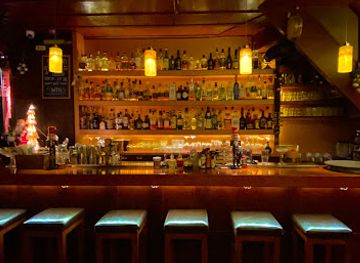
Best bars in Koules Fortress
Koules Fortress and the outer mole are not a nightclub district; after dark, the area is primarily a place for a sea-facing walk and views of the illuminated harbour. Evening drinking and entertainment begin closer to the old town, around the harbour approaches, 25 August Street, Lion Square and the central lanes, where cafés, bars and restaurants occupy historic commercial buildings. The mood ranges from relaxed coffee and drinks to livelier late-evening venues, but the atmosphere can vary considerably by season and day of the week. The waterfront itself is exposed and relatively quiet compared with Heraklion’s inland entertainment streets, making it more appropriate for a short stroll than a night built around multiple venues. Visitors should keep noise under control near residential buildings and use well-lit, established routes when returning from the centre.
-
Cocktail bar
Xalavro Open Bar
Experience the best of Heraklion nightlife at Xalavro Open Bar, where exquisite cocktails and a lively atmosphere await you.
2 min walk · 0.1 km from neighbourhood centre
-
Cocktail bar
Swing Thing
Experience the vibrant nightlife of Heraklion at Swing Thing, a cocktail bar where creativity meets the art of mixology in a lively atmosphere.
2 min walk · 0.2 km from neighbourhood centre
-
Cocktail bar
The Bitters Bar
Discover the vibrant nightlife at The Bitters Bar in Heraklion, where expertly crafted cocktails meet a lively atmosphere.
3 min walk · 0.3 km from neighbourhood centre
-
Bar
Jailhouse Rock Bar
Discover the vibrant nightlife of Heraklion at Jailhouse Rock Bar, where exceptional rums meet unforgettable experiences in a lively atmosphere.
5 min walk · 0.4 km from neighbourhood centre


Best nightclubs in Koules Fortress
Koules Fortress and the outer mole are not a nightclub district; after dark, the area is primarily a place for a sea-facing walk and views of the illuminated harbour. Evening drinking and entertainment begin closer to the old town, around the harbour approaches, 25 August Street, Lion Square and the central lanes, where cafés, bars and restaurants occupy historic commercial buildings. The mood ranges from relaxed coffee and drinks to livelier late-evening venues, but the atmosphere can vary considerably by season and day of the week. The waterfront itself is exposed and relatively quiet compared with Heraklion’s inland entertainment streets, making it more appropriate for a short stroll than a night built around multiple venues. Visitors should keep noise under control near residential buildings and use well-lit, established routes when returning from the centre.
-
Cocktail bar
Swing Thing
Discover the vibrant nightlife at Swing Thing in Heraklion, Crete's premier cocktail bar with innovative drinks and a lively atmosphere.
2 min walk · 0.2 km from neighbourhood centre
-
Bar
2elve Club
Immerse yourself in the vibrant nightlife of Heraklion at 2elve Club, where music and cocktails create an unforgettable experience.
2 min walk · 0.1 km from neighbourhood centre
-
Dance club
The Island Of Desire
Discover Heraklion's vibrant nightlife at The Island of Desire, a premier dance club where unforgettable memories are made under the stars.
14 min walk · 1.2 km from neighbourhood centre
-
Disco club
Sabbia
Experience the vibrant nightlife of Heraklion at Sabbia, a premier disco club where music and energy collide for an unforgettable night out.
2 min walk · 0.2 km from neighbourhood centre


Best shops in Koules Fortress
Shopping is limited immediately around Koules Fortress because the outer harbour and mole are devoted mainly to heritage, boating and public access. The useful retail streets begin inland, especially around 25 August Street, the central market area and the lanes leading towards Lion Square. There visitors find bakeries, food shops, souvenir retailers, jewellery, leather goods and small businesses selling Cretan products such as olive oil, herbs, honey and local spirits, alongside mainstream tourist merchandise. The old market streets provide a more substantial shopping experience than the fortress waterfront, with a mixture of everyday commerce and visitor-oriented outlets. Independent stock, opening patterns and seasonal activity vary, so the character can shift between a working city centre and a busier summer retail zone. Treat the harbour as the starting point for exploring Heraklion’s commercial core rather than as a self-contained shopping district.
-
Novelty store
Irida Family Workshop
Explore the charm of local craftsmanship at Irida Family Workshop, a unique souvenir store in Heraklion, Crete, offering handmade treasures.
2 min walk · 0.2 km from neighbourhood centre
-
Gift shop
ZALO
Explore ZALO in Heraklion for an unforgettable selection of unique gifts and souvenirs that embody the spirit of Crete.
2 min walk · 0.2 km from neighbourhood centre
-
Leather goods store
KOULES
Discover exquisite handcrafted leather goods at Koules in Heraklion, Greece—a paradise for souvenir seekers and lovers of fine craftsmanship.
3 min walk · 0.3 km from neighbourhood centre
-
Gift shop
Mayaba Store
Explore Mayaba Store in Heraklion for unique gifts, antiques, and furniture that capture the essence of Crete's cultural heritage.
2 min walk · 0.2 km from neighbourhood centre


Koules Fortress essentials
Getting There
Getting Around
Safety
Emergency Situations
Do's and Don'ts
Local Tips

From Eve
Local phrases worth knowing
You don't need to get them perfect. A few words go a long way, and locals appreciate the effort.
Basics
| English | Local | Say it |
|---|---|---|
| Hello | Γεια σας | [Yia sas] |
| Goodbye | Αντίο | [Adio] |
| Yes | Ναι | [Nai] |
| No | Όχι | [Ohi] |
| Please/You're welcome | Παρακαλώ | [Parakalo] |
| Thank you | Ευχαριστώ | [Efharisto] |
| Excuse me/Sorry | Συγνώμη | [Signomi] |
| How are you? | Πώς είστε; | [Pos iste?] |
| Fine. And you? | Καλά. Εσείς; | [Kala. Esis?] |
| Do you speak English? | Μιλάτε αγγλικά; | [Milate agglika?] |
| I don't understand | Δεν καταλαβαίνω | [Den katalaveno] |
Eating & Drinking
| English | Local | Say it |
|---|---|---|
| I'd like to see the menu, please | Θα ήθελα να δω το μενού, παρακαλώ | [Tha ithela na do to menou, parakalo] |
| I don't eat meat | Δεν τρώω κρέας | [Den troo kreas] |
| Cheers! | ΥΓΕΙΑ! | [Yia!] |
| I would like to pay, please | Θα ήθελα να πληρώσω, παρακαλώ | [Tha ithela na plirosso, parakalo] |
Emergencies
| English | Local | Say it |
|---|---|---|
| Help! | Βοήθεια! | [Voiθia!] |
| Go away! | Φύγε! | [Fiye!] |
| Call the Police! | Καλέστε την Αστυνομία! | [Kaleste tin Astinomia!] |
| Call a doctor! | Καλέστε γιατρό! | [Kaleste giatro!] |
| I'm lost | Έχω χαθεί | [Eho hathi] |
| I'm ill | Είμαι άρρωστος | [Ime arrostos] |
Shopping
| English | Local | Say it |
|---|---|---|
| I'd like to buy... | Θα ήθελα να αγοράσω... | [Tha ithela na agoraso...] |
| I'm just looking | Απλά κοιτάω | [Apla kitao] |
| How much is it? | Πόσο κοστίζει; | [Poso kostizi?] |
| That's too expensive | Αυτό είναι πολύ ακριβό | [Afto ine poli akribo] |
| Can you lower the price? | Μπορείτε να μειώσετε την τιμή; | [Borite na miisete tin timi?] |
Time & Numbers
| English | Local | Say it |
|---|---|---|
| What time is it? | Τι ώρα είναι; | [Ti ora ine?] |
| It's one o'clock | Είναι μία η ώρα | [Ine mia i ora] |
| Half past (10) | Μισή (10) | [Misi (10)] |
| Morning | Πρωί | [Proi] |
| Afternoon | Απόγευμα | [Apoyevma] |
| Evening | Βράδυ | [Vradi] |
| Yesterday | Χθες | [Hthes] |
| Today | Σήμερα | [Simera] |
| Tomorrow | Αύριο | [Avrio] |
| 1 | Ένα | [Ena] |
| 2 | Δύο | [Dio] |
| 3 | Τρία | [Tria] |
| 4 | Τέσσερα | [Tessera] |
| 5 | Πέντε | [Pente] |
| 6 | Έξι | [Exi] |
| 7 | Εφτά | [Efta] |
| 8 | Οχτώ | [Ohto] |
| 9 | Εννιά | [Ennia] |
| 10 | Δέκα | [Deka] |
Transport & Directions
| English | Local | Say it |
|---|---|---|
| Where's a/the...? | Πού είναι ένα/το...; | [Pou ine ena/to...?] |
| What's the address? | Ποια είναι η διεύθυνση; | [Pia ine i diefthinsi?] |
| Can you show me (on the map)? | Μπορείτε να μου δείξετε (στο χάρτη); | [Borite na mou dixete (sto charti)?] |
| When's the next (bus)? | Πότε είναι το επόμενο (λεωφορείο); | [Pote ine to epomeno (leoforeio)?] |
| A ticket (to ....) | Ένα εισιτήριο (για ....) | [Ena isitirio (ya ....)] |
History of Koules Fortress
A Venetian Harbour Stronghold
Heraklion became a major Venetian possession after the early thirteenth-century division of Byzantine territories, and its harbour developed into an important military and commercial base. A fortification at the harbour entrance was rebuilt in stone during the fifteenth century after earlier structures proved inadequate. The stronghold was known to the Venetians as Rocca a Mare, meaning fortress on the sea, and formed part of a wider defensive system that included the harbour mole, walls and shipbuilding facilities. Its position controlled access to the port and helped protect the city’s maritime connections across the eastern Mediterranean.
The Harbour’s Venetian Infrastructure
The fortress cannot be understood separately from the long breakwater extending eastwards from the old harbour. Venetian builders created arsenals and service buildings along the waterfront, where galleys could be maintained and supplied. Some of these harbour structures survive in altered form near the route to Koules, giving the area an unusually clear connection between military architecture and everyday maritime administration. The mole also shaped the approach to the city, separating the more sheltered inner harbour from the open sea and establishing the waterfront walk that visitors follow today.
Ottoman Rule and Changing Use
The fortress remained central to the city’s defences when the Ottoman siege of Candia, the Venetian name for Heraklion, began in 1648. After the city surrendered in 1669, the building passed into Ottoman control and continued to serve military and custodial purposes. Its strategic role gradually declined as warfare, shipping and harbour technology changed, but its heavy masonry preserved the outline of the Venetian port. The name Koules is generally associated with the Ottoman period and has become the familiar modern name for the fortress.
A Maritime Monument in Modern Heraklion
Modern Heraklion grew beyond the old harbour, while the waterfront shifted from a defensive and naval zone towards a public historic landscape. Conservation work and cultural use have made Koules one of the city’s most recognisable monuments, although access to the interior may depend on restoration, operational decisions or current visitor arrangements. Today the fortress, harbour mole and surviving arsenals are valued together as a record of Venetian engineering, Ottoman-era adaptation and the continuing importance of the sea to Heraklion’s identity.
Koules Fortress in Photos
Browse through our photo collection highlighting the charm and character of the destination.
Neighbourhoods near Koules Fortress
The closest neighbourhoods to Koules Fortress, if you have time for more than one stop.
-

-

-

-

-


Swipe for more neighbourhoods
Explore more

Explore more of Heraklion
Heraklion, Crete’s historic capital, pairs Minoan treasures and Venetian landmarks with lively markets, museums, seaside walks and authentic Cretan cuisine.
Explore Heraklion