Archaeological Park of Amphipolis
Archaeological Park of Amphipolis: Echoes of Ancient Macedonia


Discover Amphipolis: Explore ancient ruins, a rich history, and the monumental Lion in this captivating Macedonian city.
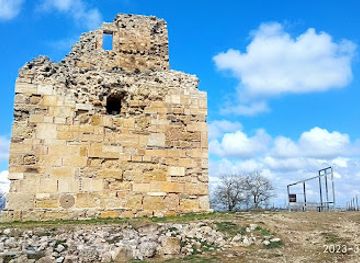
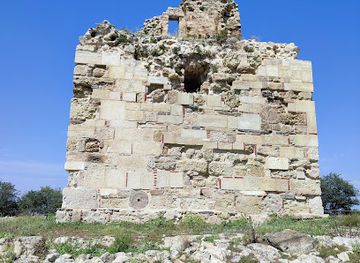
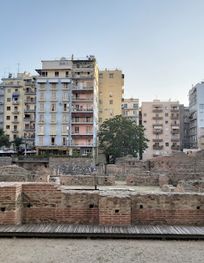
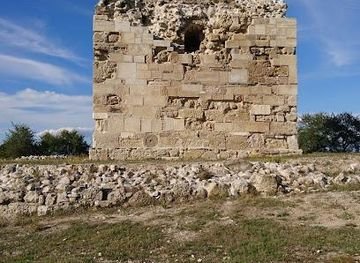
Explore the ruins of Amphipolis, an important ancient Greek city in Macedonia. Founded in the 5th century BCE, it boasts significant historical ruins, including remnants of its city walls, a famed wooden bridge, and the monumental Lion of Amphipolis. The Archaeological Museum showcases finds from the area, offering insights into its rich past.
Opening times, essentials, and a few local tips gathered into one calmer, easier-to-scan planning section.
Driving
From Thessaloniki, take the A2/E90 highway east towards Kavala. Amphipolis is approximately a 1.5-hour drive. Follow signs for Amphipolis from the highway exit. Parking is available near the Archaeological Museum.
Public Transport
Take a KTEL bus from Thessaloniki Macedonia KTEL Bus Station to Asprovalta. From Asprovalta, you may need to take a taxi to reach Amphipolis, as there are no direct bus lines. The bus journey to Asprovalta is approximately 1 hour and 30 minutes. Check local schedules for the bus from Drama to Amphipolis. Taxi fares from Asprovalta to Amphipolis will vary.
Use Amphipolis as your starting point for nearby food, family ideas, nightlife, and more local discoveries.

Explore expert travel guides, compare and book tours, experiences, hotels, and more—all from the palm of your hand. Download now for seamless trip planning wherever your wanderlust takes you.
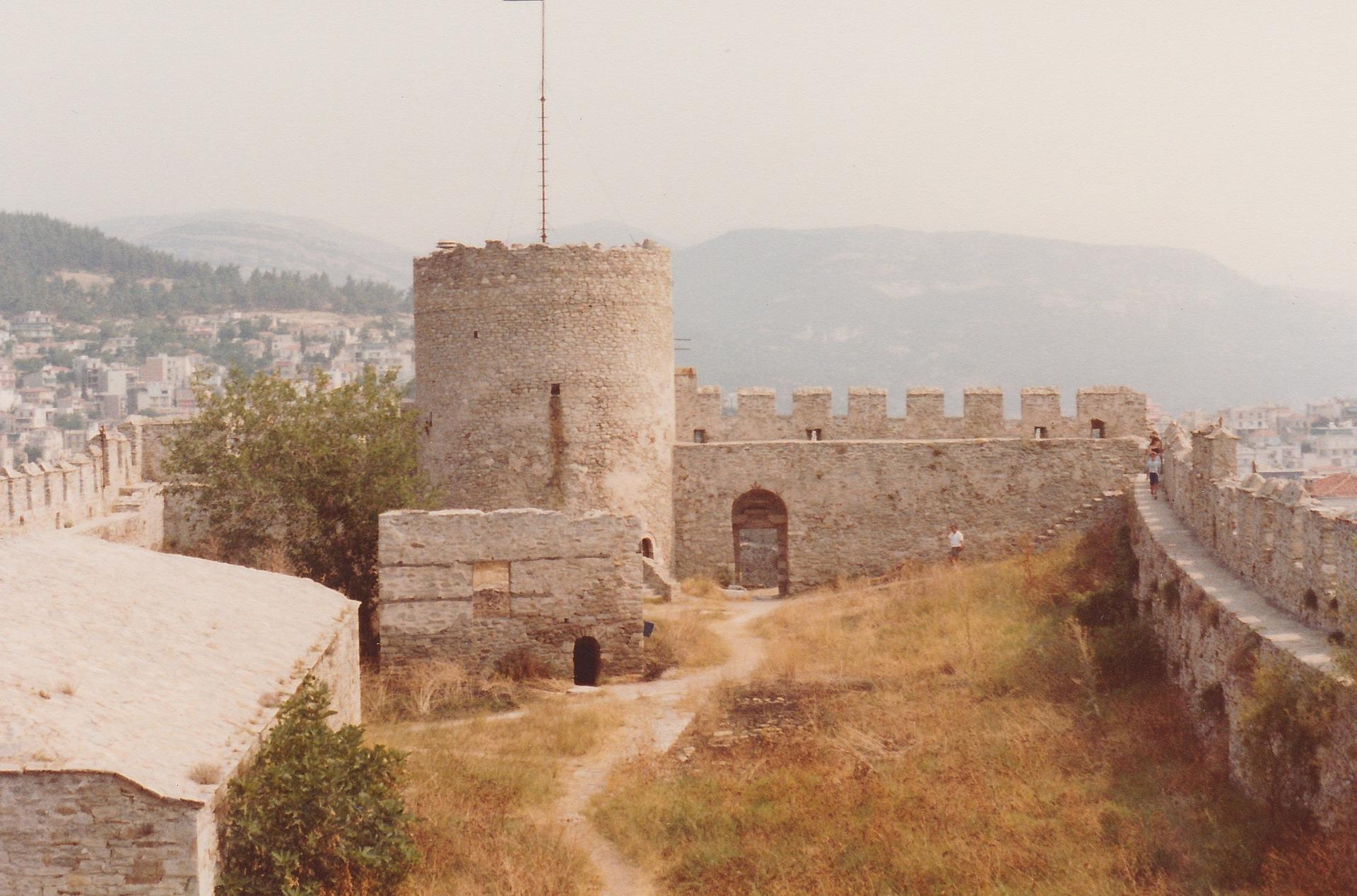
Discover Kavala, the enchanting coastal city in Northern Greece, where history meets natural beauty and vibrant culture awaits at every corner.
Tell me more about Kavala