Amphipolis: An Ancient Macedonian City
Discover Amphipolis: Explore ancient ruins, a rich history, and the monumental Lion in this captivating Macedonian city.
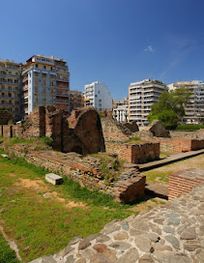
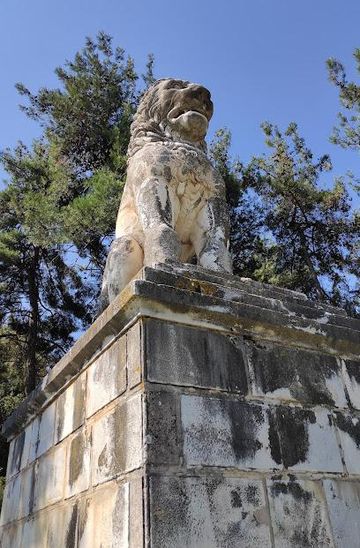
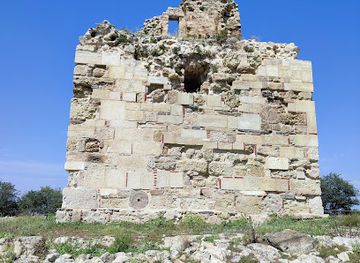
Explore the ruins of Amphipolis, an important ancient Greek city in Macedonia. Founded in the 5th century BCE, it boasts significant historical ruins, including remnants of its city walls, a famed wooden bridge, and the monumental Lion of Amphipolis. The Archaeological Museum showcases finds from the area, offering insights into its rich past.
A brief summary to Amphipolis
- Amphipolis, GR

Know before you go
Hi, I'm Eve. Here are a few practical things to know before exploring Amphipolis.
- Wear comfortable shoes, as the archaeological site involves a fair amount of walking on uneven terrain.
- Visit the Archaeological Museum first to gain context before exploring the ruins.
- Check the opening hours of both the museum and archaeological site, as they vary seasonally.
- Consider visiting during the spring or autumn for milder weather.
- A vehicle is recommended to explore the outlying attractions.
Do you manage this location?
Take control to get all the benefits, like improved information, better appearance, and stronger visibility across AI-powered discovery. Learn more
Activate your presenceOther nearby places you may find interesting
Getting There
-
Driving
From Thessaloniki, take the A2/E90 highway east towards Kavala. Amphipolis is approximately a 1.5-hour drive. Follow signs for Amphipolis from the highway exit. Parking is available near the Archaeological Museum.
-
Public Transport
Take a KTEL bus from Thessaloniki Macedonia KTEL Bus Station to Asprovalta. From Asprovalta, you may need to take a taxi to reach Amphipolis, as there are no direct bus lines. The bus journey to Asprovalta is approximately 1 hour and 30 minutes. Check local schedules for the bus from Drama to Amphipolis. Taxi fares from Asprovalta to Amphipolis will vary.
Discover more about Amphipolis
Explore the best of what Amphipolis has to offer













More about Central Macedonia
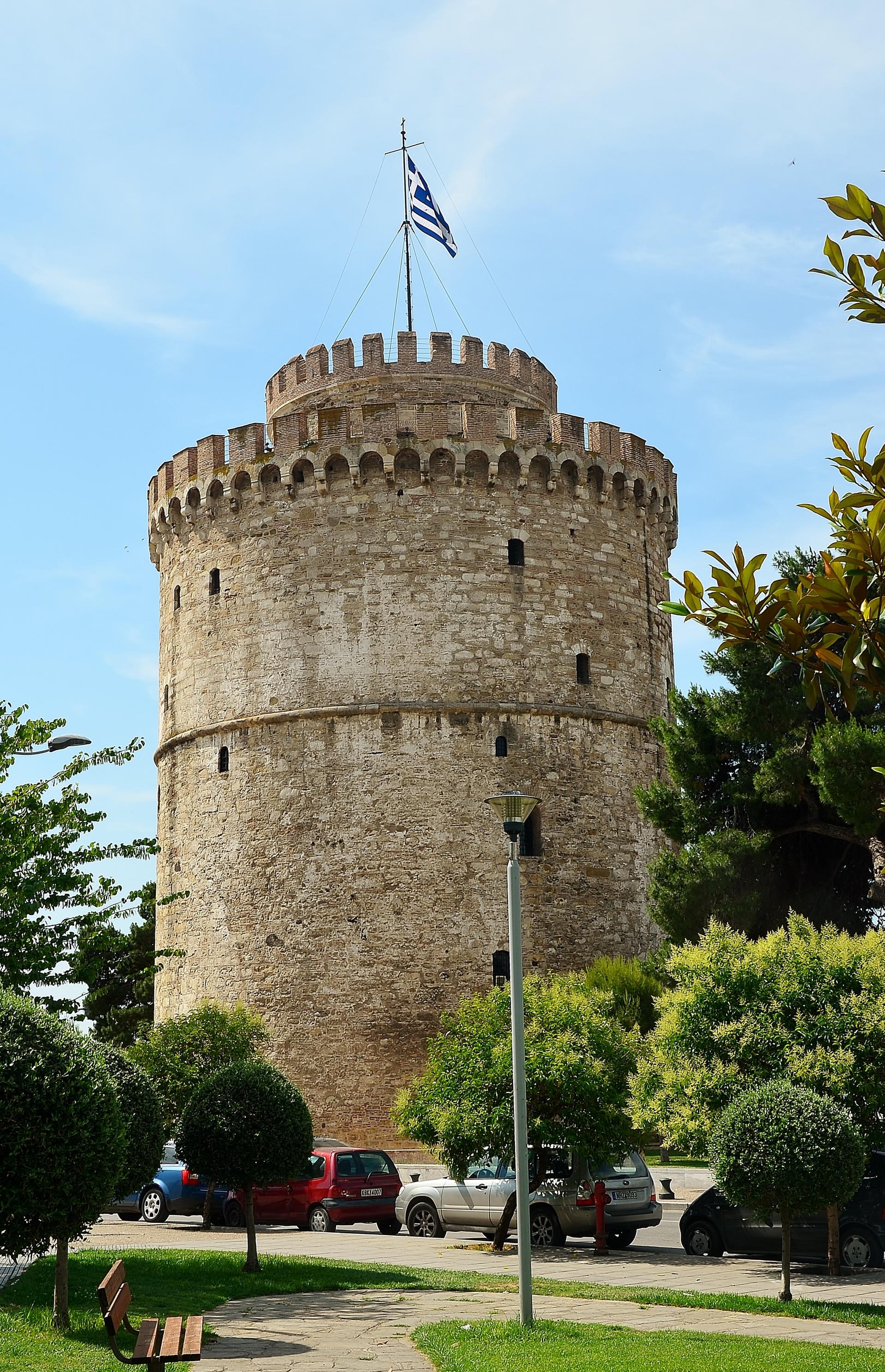
Explore Central Macedonia: A region rich in history, culture, and natural beauty, from ancient ruins to vibrant cities and serene landscapes.
Tell me more about Central Macedonia