From Eve
Know before you go
Hi, I'm Eve. Here are a few practical things to know before exploring Hexamilion Justinian Wall.
Local know-how to help you travel smarter and make the most of every moment.

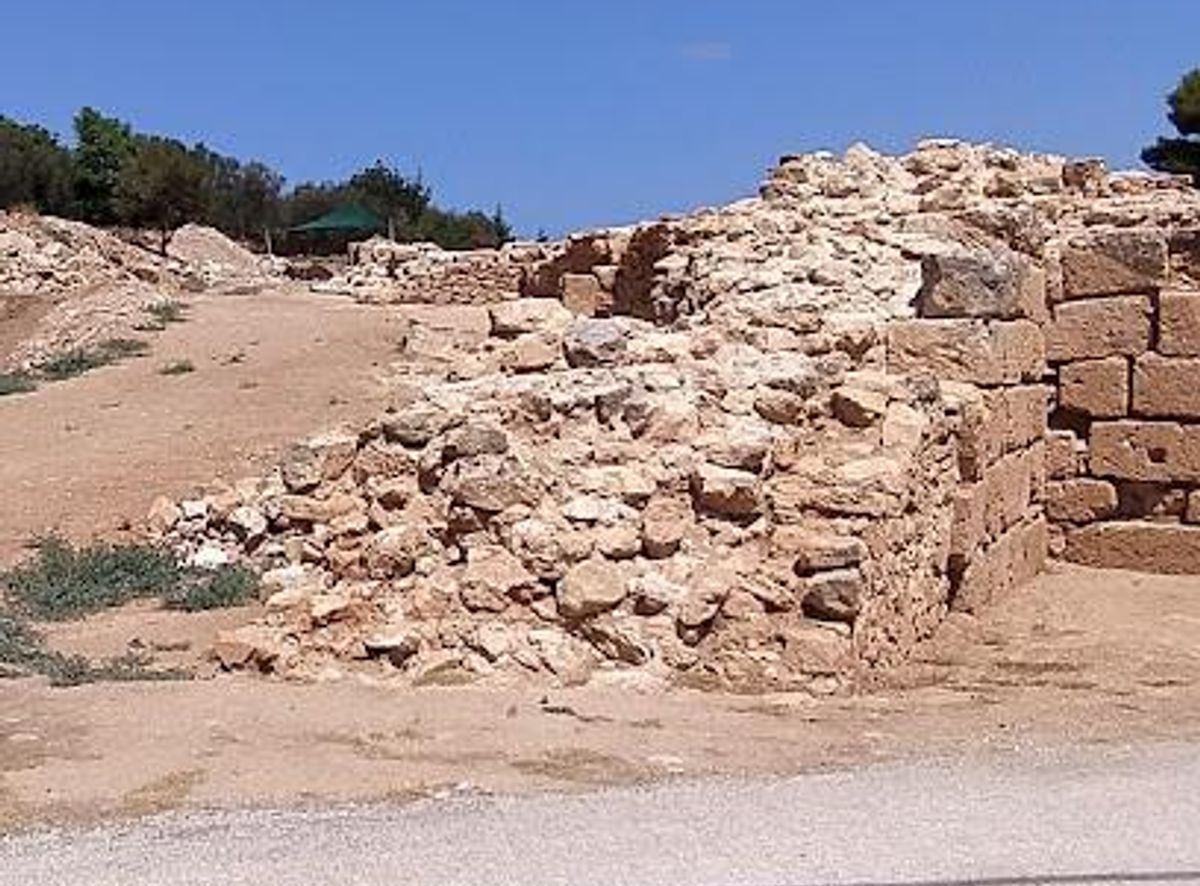
Explore the remnants of the Hexamilion Justinian Wall, a historic defense line across the Isthmus of Corinth, guarding the Peloponnese for centuries.
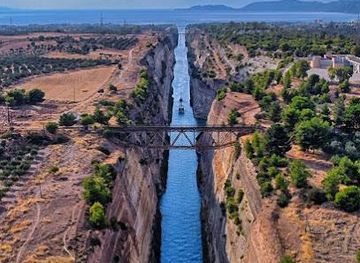
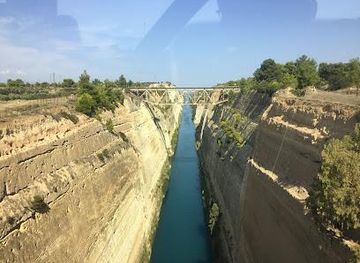
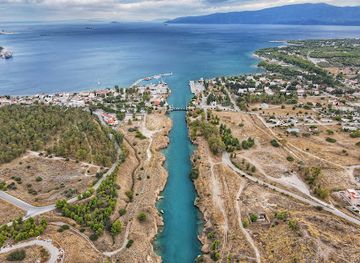
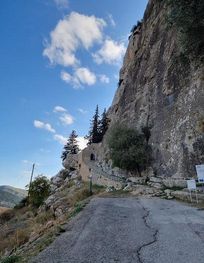
The Hexamilion, or Justinian Wall, was a massive defensive structure built across the Isthmus of Corinth to protect the Peloponnese from invasion. Constructed initially in the 5th century AD and later fortified by Justinian, the wall stretched for 7.5 kilometers and featured numerous towers. Today, only a small portion remains, offering a glimpse into the region's strategic past.
Opening times, essentials, and a few local tips gathered into one calmer, easier-to-scan planning section.
Hi, I'm Eve. Here are a few practical things to know before exploring Hexamilion Justinian Wall.
Local know-how to help you travel smarter and make the most of every moment.
Driving
From Corinth, take the old National Road towards Isthmia. The remains of the wall are located approximately 2 kilometers after the Corinth Canal, on the right side of the road. Look for signs indicating the historical site. Parking is available along the side of the road near the wall. There are no parking costs.
Public Transport
Take a local bus from Corinth to Isthmia. From Isthmia, walk along the old National Road towards the Corinth Canal. The wall remains are approximately a 2 kilometer walk from Isthmia. Local bus fares are typically around €1-€2 for a short trip.
Use Hexamilion Justinian Wall as your starting point for nearby food, family ideas, nightlife, and more local discoveries.

Explore expert travel guides, compare and book tours, experiences, hotels, and more—all from the palm of your hand. Download now for seamless trip planning wherever your wanderlust takes you.
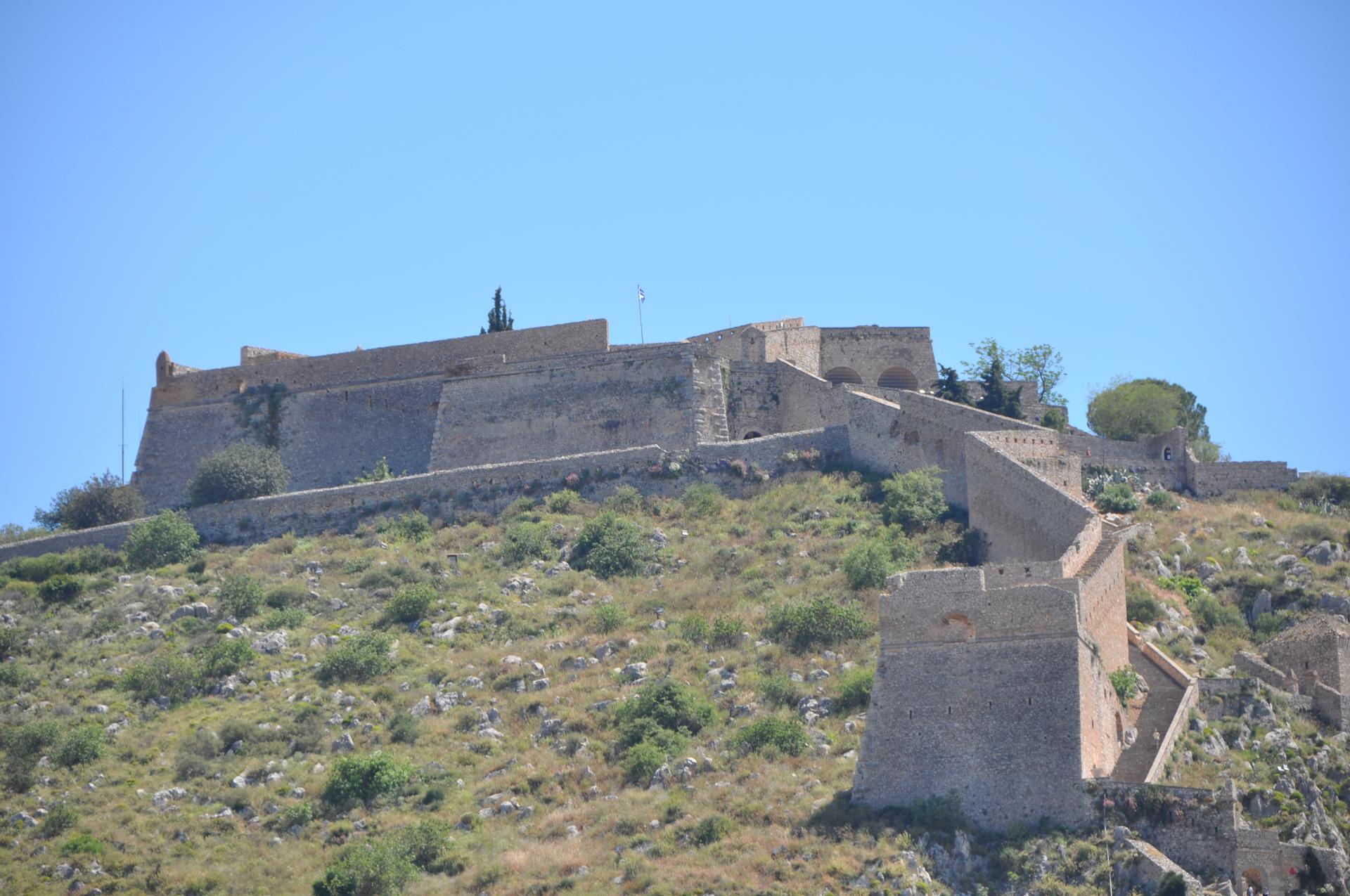
Explore Nafplio, a charming coastal town in Greece known for its rich history, stunning architecture, and beautiful beaches. Discover its timeless allure and scenic beauty.
Tell me more about Nafplio