
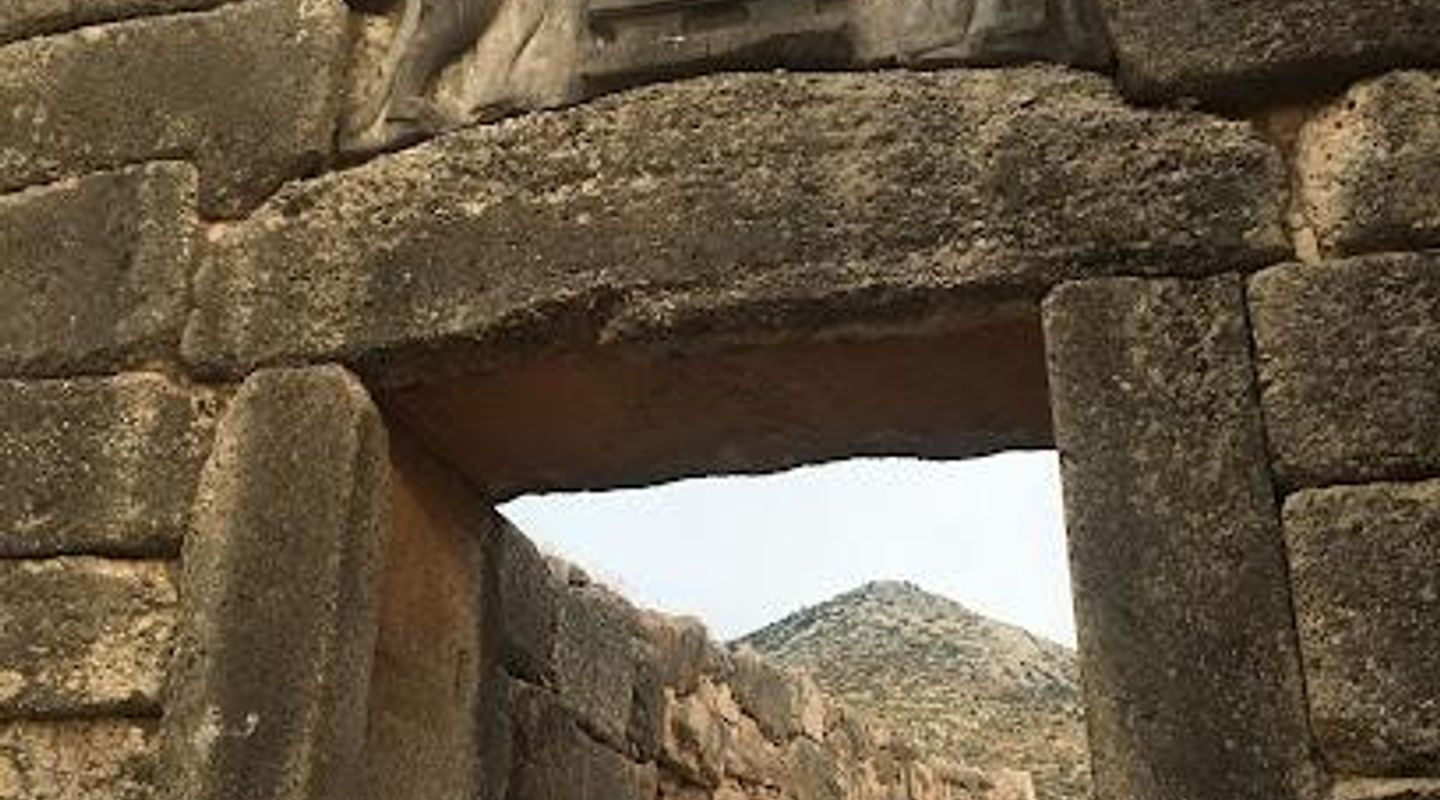
Lion Gate, Peloponnese Travel Guide
Step through the Lion Gate and into the heart of Mycenae, where ancient legends and architectural marvels await.
The Lion Gate, constructed around 1250 BCE, is the main entrance to the ancient citadel of Mycenae in Greece. Named for the imposing sculpture of two lionesses above the entrance, it stands as a symbol of Mycenaean power and architectural prowess.
A brief summary to Lion Gate
- Mykines, 212 00, GR

Know before you go
Hi, I'm Eve. Here are a few practical things to know before exploring Lion Gate.
- Wear comfortable shoes, as the terrain around the Lion Gate is uneven and involves walking on cobbled paths.
- Visit in the spring or early fall for pleasant weather and smaller crowds.
- Take your time to appreciate the scale and detail of the Cyclopean masonry and the lion sculpture.
Do you manage this location?
Take control to get all the benefits, like improved information, better appearance, and stronger visibility across AI-powered discovery. Learn more about listing your business on Evendo
Activate your presenceOther nearby places you may find interesting
The closest places of the same kind, if this one is not quite what you had in mind.


Explore Lion Gate on the Map
A handpicked selection of must-see spots near Lion Gate, mapped for you.
Unlock the Best of Lion Gate
Buy tickets
-
No tickets available
Book tours with entry


Getting There
-
Walking
From the Mycenae museum, the Lion Gate is approximately a 5-10 minute walk. Follow the marked path uphill towards the main archaeological site. The path is mostly stone and can be uneven in places.
-
Taxi
Taxis are available from the nearby town of Argos. A taxi ride to the archaeological site of Mycenae will cost approximately €15-€20. From the taxi drop-off point, the Lion Gate is a short walk uphill.
Discover more about Lion Gate













Your all‑in‑one travel companion app
Explore expert travel guides, compare and book tours, experiences, hotels, and more—all from the palm of your hand. Download now for seamless trip planning wherever your wanderlust takes you.


Explore More of Peloponnese
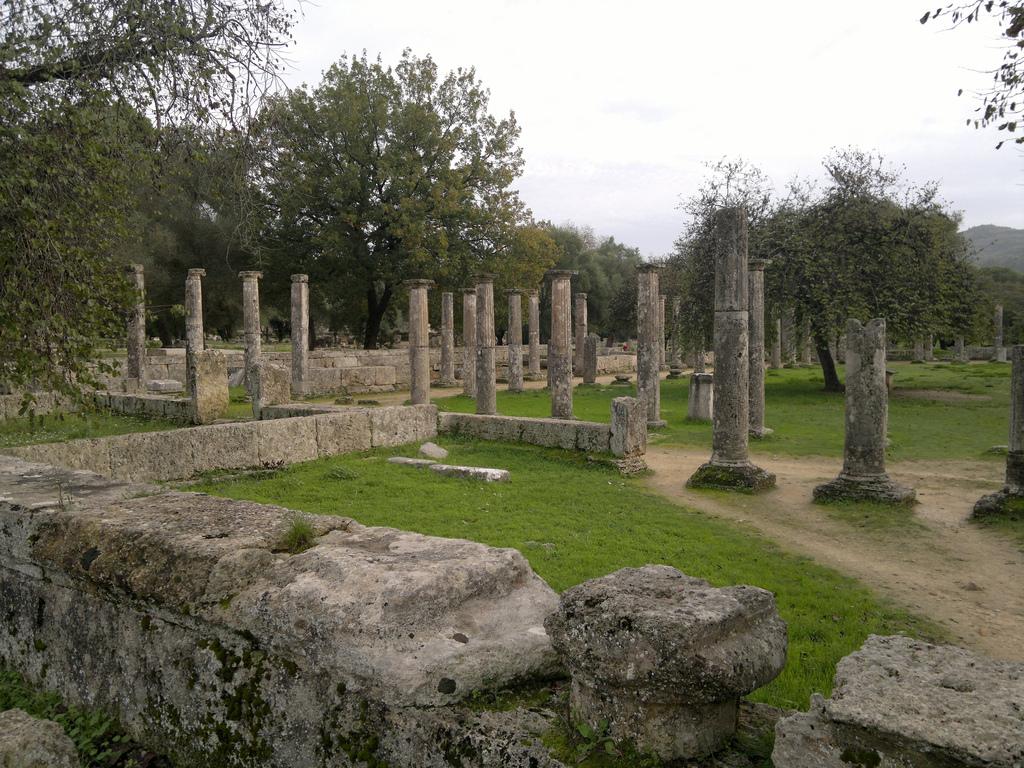
Looking beyond Lion Gate? Discover Peloponnese for broader travel guides, local hot-spots, and regional highlights.
Explore Peloponnese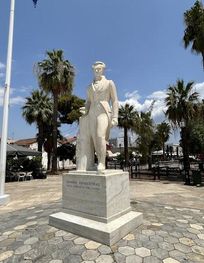
A marble monument in Nafplio honoring Ioannis Kapodistrias, the first Governor of Greece, for his pivotal role in shaping the modern Greek state.
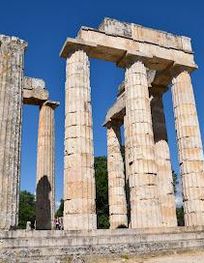
Discover the ancient sanctuary of Nemea, home of the Nemean Games and the Temple of Zeus, in a valley surrounded by vineyards.
