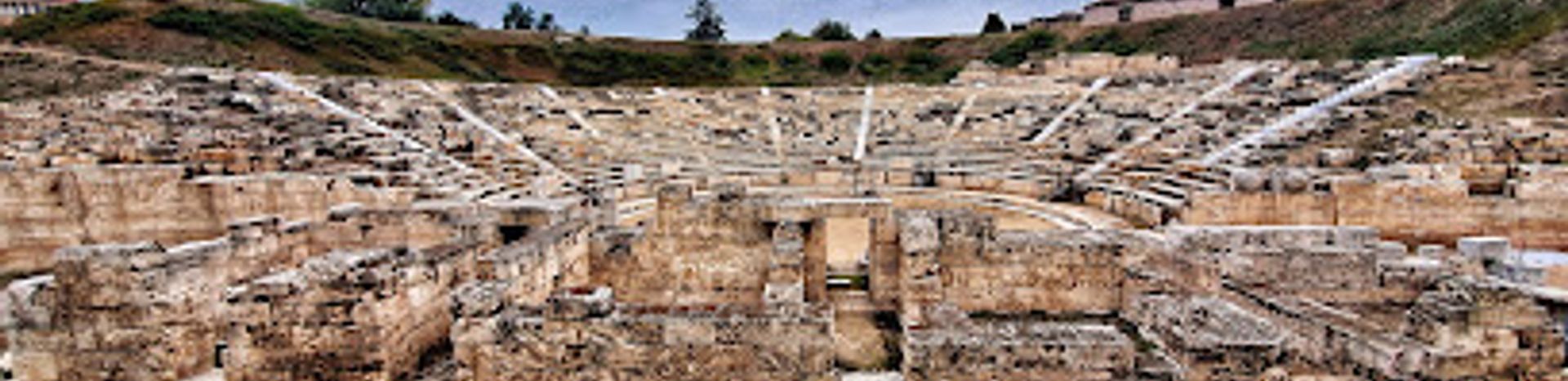
Ancient Theatre of Larissa: A Window to Thessalian History
Explore the ruins of the Ancient Theatre of Larissa, a historical landmark showcasing the grandeur of ancient Greece and Thessaly's rich heritage.
The Ancient Theatre of Larissa, constructed in the 3rd century BC, stands as a testament to the rich history of Thessaly. Once a vibrant center for theatrical performances and civic gatherings, it offers visitors a glimpse into ancient Greek culture and architecture.
A brief summary to Ancient Theatre of Larissa
- Papanastasiou 2-12, Larissa, 412 21, GR
- +302410250232
- Visit website
Local tips
- Wear comfortable shoes, as you'll be walking on uneven ancient stones.
- Visit early in the morning or late in the afternoon to avoid crowds and enjoy a more peaceful atmosphere.
- Check local listings for any performances or events that may be taking place at the theatre.

Getting There
-
Walking
The Ancient Theatre of Larissa is located in the city center and is easily accessible on foot. From Plateia Sapka, walk approximately 100 meters north. The theatre is situated at the southern foot of Frourio Hill.
-
Public Transport
Larissa has an efficient public transportation system. Take a local bus to the city center and get off at a stop near Plateia Sapka. From there, it's a short walk to the Ancient Theatre. A single bus ticket costs approximately €1.2.
-
Taxi
Taxis are readily available in Larissa. A short taxi ride from the train or bus station to the Ancient Theatre should cost no more than €4 during daytime hours (rate 1). Note that taxi fares are higher between midnight and 5:00 AM (rate 2).
Discover more about Ancient Theatre of Larissa
Iconic landmarks you can’t miss

Πλατεία Φρουρίου
0.1 km
Explore Larissa's ancient acropolis, where layers of history unfold in a vibrant public square.
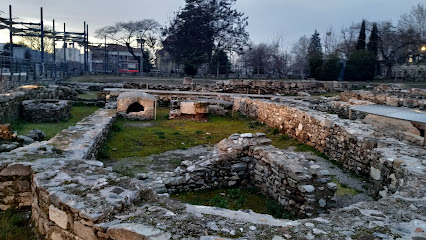
Larissa fortress square
0.1 km
Explore Larissa Fortress Square: A historical landmark in Larissa, Greece, offering a glimpse into the past and panoramic views.
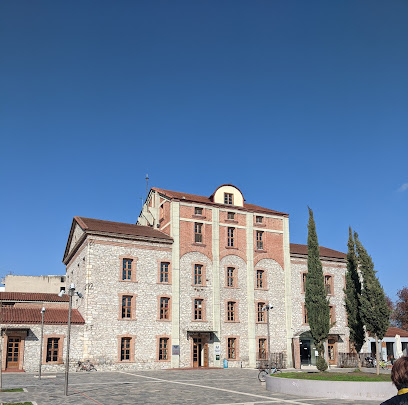
Mill of Pappas
0.4 km
Explore Larissa's industrial past and vibrant present at the Mill of Pappas, a cultural center hosting diverse events and activities.
Hippocrates Monument
0.8 km
A monument in Larissa honoring Hippocrates, the Father of Medicine, and his enduring legacy to medical science.
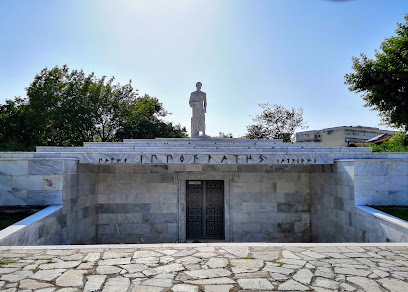
Αισθητικό Άλσος Λάρισας
1.6 km
Escape to Larissa's Aesthetic Grove: A serene retreat offering natural beauty and tranquil walking paths, just moments from the city center.
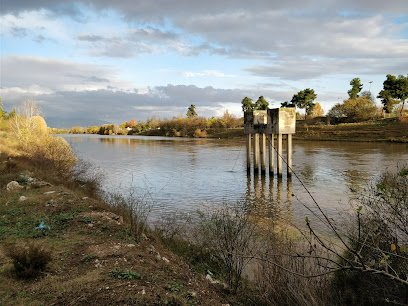
Holy Shrine of Saint Paraskevi at Tempe
30.2 km
Discover the serene Holy Shrine of Saint Paraskevi in Tempe Valley, a Greek Orthodox sanctuary of healing and natural beauty.
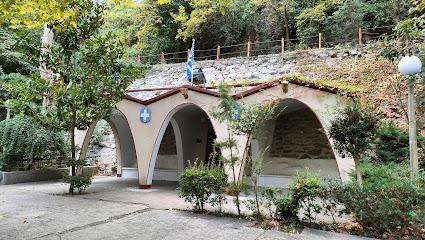
Platamon Castle
43.6 km
Explore a medieval castle with stunning Aegean views, steeped in history and legend, at the foot of Mount Olympus.
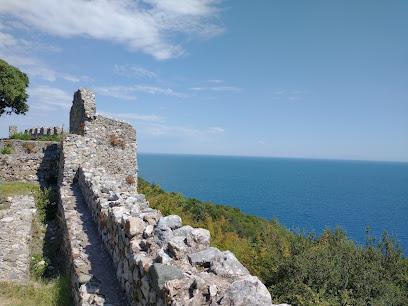
Hellenistic Acropolis of Proerna
45.7 km
Discover the enchanting Hellenistic Acropolis of Proerna in Neo Monastiri, a historical landmark steeped in ancient Greek history and breathtaking views.
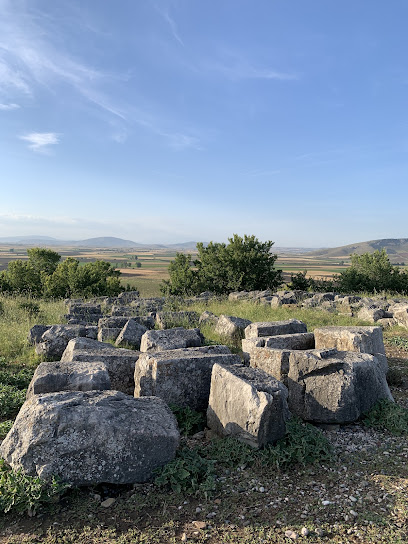
Vista Point
49.4 km
Discover the enchanting vistas at Vista Point, a stunning tourist attraction that offers breathtaking views and serene nature experiences in Greece.
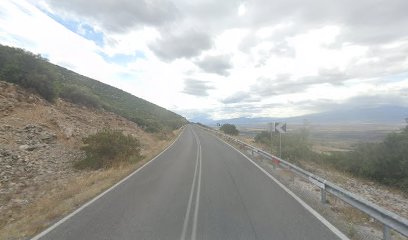
Skala Summit
49.4 km
Hike to Skala Summit on Mount Olympus for breathtaking views and a rewarding trek through mythical landscapes.
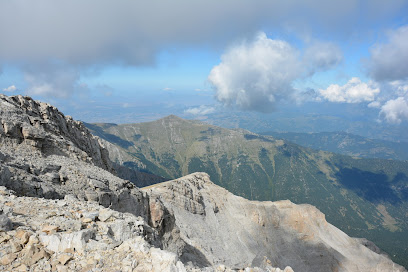
Mount Olympus
49.6 km
Explore the mythical home of the gods, Greece's highest peak, offering challenging hikes and breathtaking natural beauty.
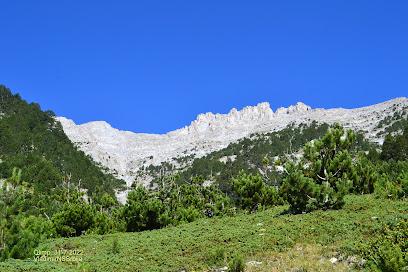
Mount Olympus 2917.727 m.
49.8 km
Explore the legendary Mount Olympus, home of the Greek gods, offering challenging hikes and breathtaking views of Greece's highest peak.

Old Holy Monastery of Saint Dionysios of Olympus
50.4 km
Explore the historic Old Holy Monastery of Saint Dionysios on Mount Olympus, a serene sanctuary with stunning views and a rich cultural heritage.
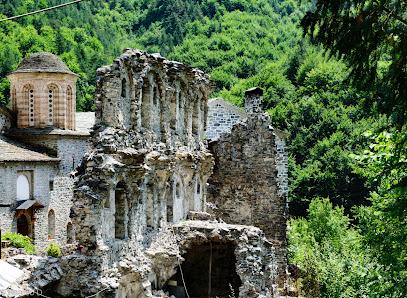
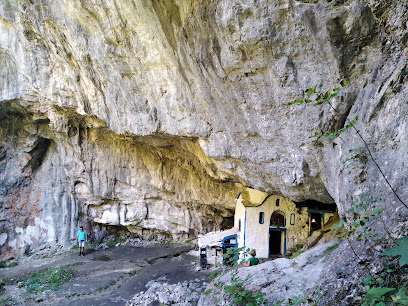
Sacred Cave of Saint Dionysios of Olympus
50.5 km
Discover the Sacred Cave of Saint Dionysios: a spiritual retreat nestled in the heart of Mount Olympus, near Litochoro. A serene and scenic escape.
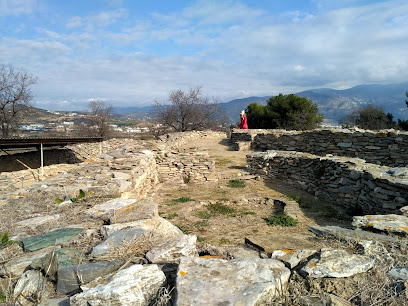
Archaeological Site of Dimini
51.4 km
Uncover Neolithic life and Mycenaean heritage at Dimini, a captivating archaeological site near Volos, Greece. Explore ancient dwellings and artifacts.
Unmissable attractions to see

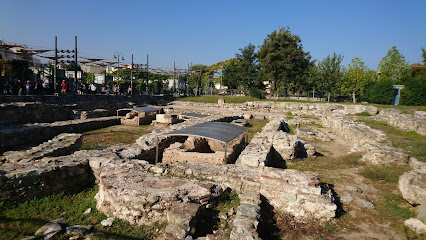
Larissa Ancient Ruins
0.1 km
Uncover the rich history of the Larissa Ancient Ruins, a captivating site that showcases Greece's ancient architectural marvels and cultural heritage.
Μπεζεστένι Λάρισας
0.1 km
Explore the rich history and architectural beauty of Mpezesteni, a must-visit landmark in Larissa, Greece, perfect for history enthusiasts and culture seekers.
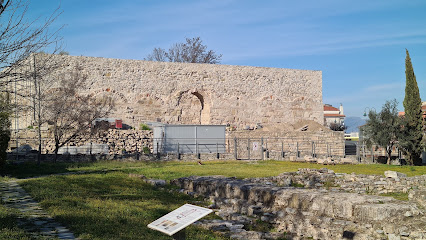
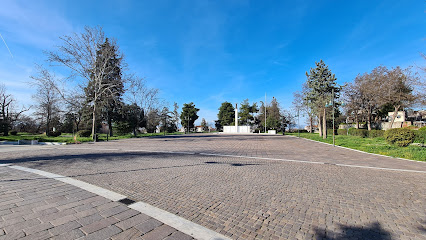
War Memorial
0.2 km
Explore the War Memorial in Larissa, a serene park honoring the sacrifices of soldiers and a place for reflection amidst beautiful landscapes.
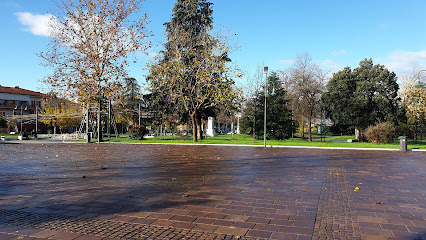
Προτομή Μητροπολίτου Πολυκάρπου Δαρδαίου
0.2 km
Discover the serene escape of Polykarpou Park in Larissa, a green oasis perfect for relaxation and cultural experiences amidst nature's beauty.
Sculpture of Voukephalas
0.2 km
Explore the rich Greek heritage at the Sculpture of Voukephalas in Larissa, a captivating landmark that embodies artistry and history.
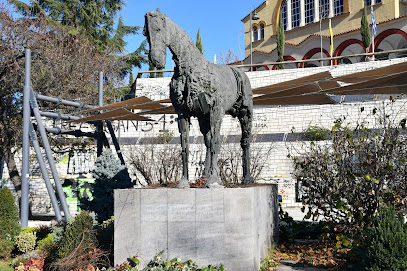
Horse Statue
0.2 km
Explore the iconic Horse Statue in Larissa, Greece, a breathtaking tribute to the region's rich equestrian history and cultural heritage.
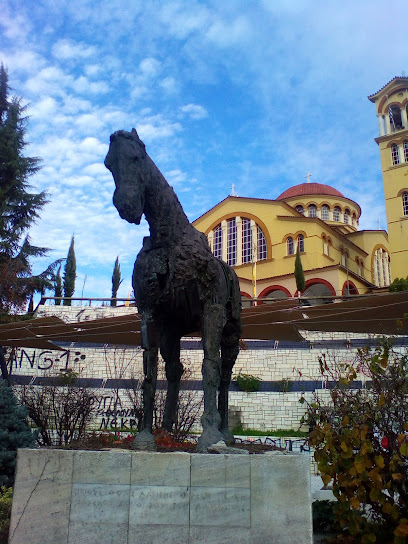
Monument Of Bucephalus.
0.2 km
Explore the Monument of Bucephalus in Larissa, Greece, and immerse yourself in the rich history of Alexander the Great's legendary horse.
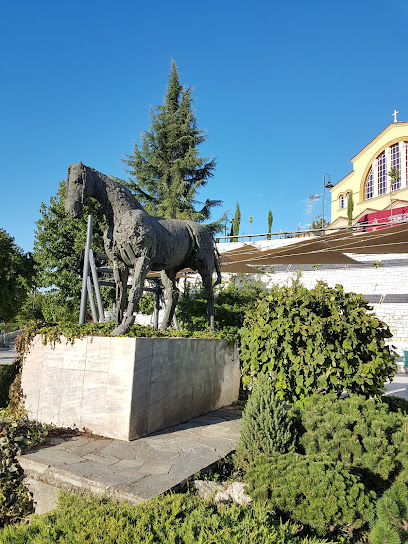
Parko
0.3 km
Explore the lush landscapes and tranquil paths at Parko in Larissa, a perfect retreat for relaxation and recreation amidst nature.
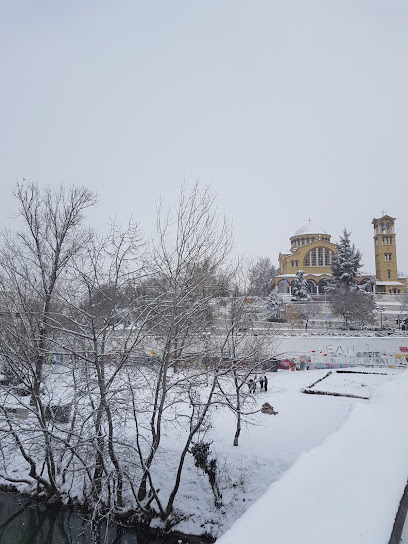
Πλατεία Εβραίων Μαρτύρων Κατοχής
0.3 km
Discover the tranquil beauty of Platia Evraion Martiron, a serene memorial park in Larissa honoring Greece's heroes and offering peaceful reflections.
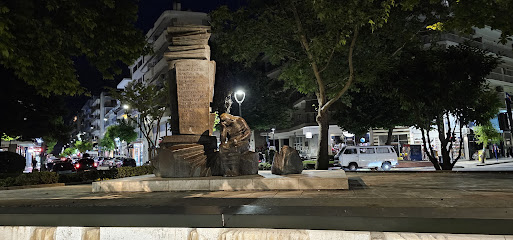
Β' Αρχαίο Θέατρο Λάρισας
0.3 km
Explore the B' Archaeological Theater of Larissa, a captivating historical landmark steeped in ancient Greek culture and history.
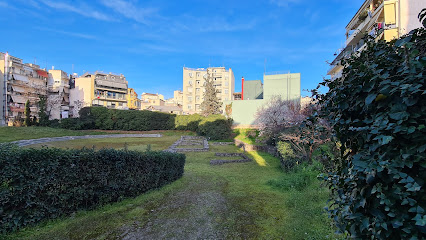
Holocaust Memorial In Larisa
0.3 km
Explore the Holocaust Memorial in Larisa: A poignant tribute to history, memory, and resilience in a serene memorial park setting.
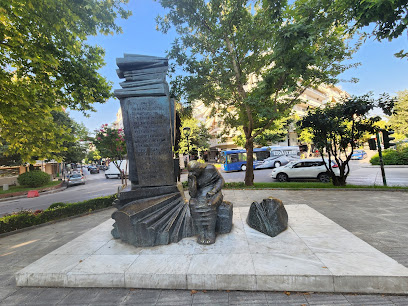
The Great Plane Tree
0.3 km
Experience serenity in the heart of Larissa at The Great Plane Tree, a tranquil park perfect for relaxation and nature walks.
Πλατεία Σκαρλάτου Σούτσου
0.4 km
Explore Skarlatos Memorial Park in Larissa, Greece—where tranquility meets history in a beautifully serene setting.
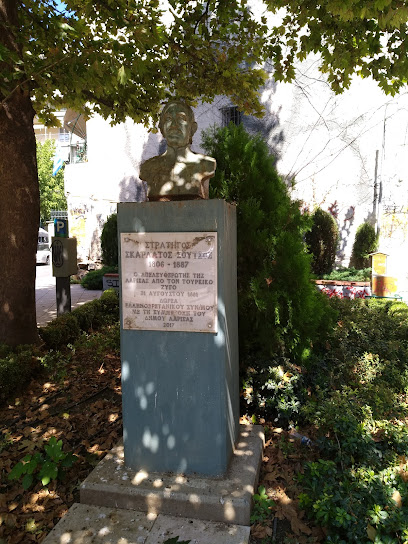
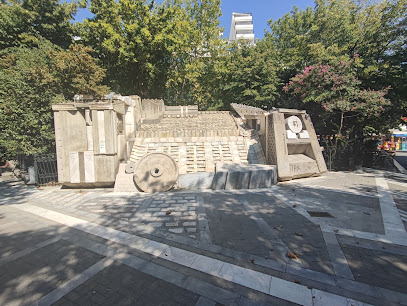
River Sculpture B'
0.5 km
Discover the artistic treasures of River Sculpture B' in Larissa, where art meets nature along the beautiful riverside.
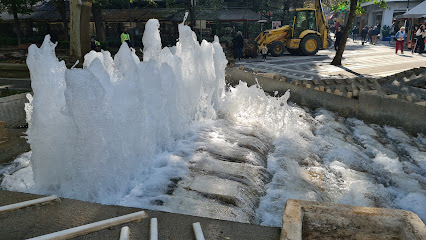
River Sculpture A'
0.5 km
Explore the enchanting River Sculpture A' in Larissa, Greece, where art meets nature along picturesque riverbanks, creating a unique cultural experience.
Essential places to dine

Loúkoullos
0.1 km
Experience authentic Greek flavors at Loúkoullos in Larissa – where tradition meets taste in every dish.
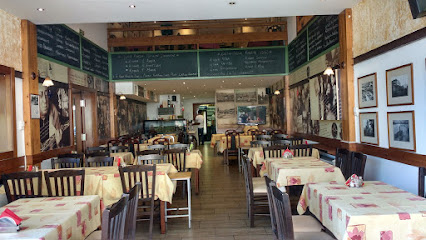
SOMBREROS FOOD & SUENOS
0.1 km
Experience authentic Mexican cuisine at Sombreros Food & Suenos in Larissa - where every meal is a celebration of flavors.
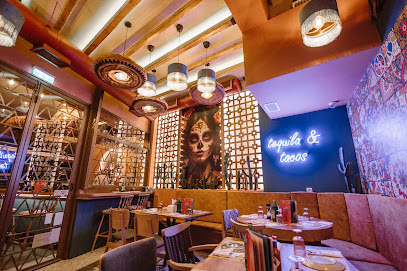
Ladókola
0.1 km
Discover authentic Greek cuisine at Ladókola in Larissa – where every meal tells a story of tradition and flavor.
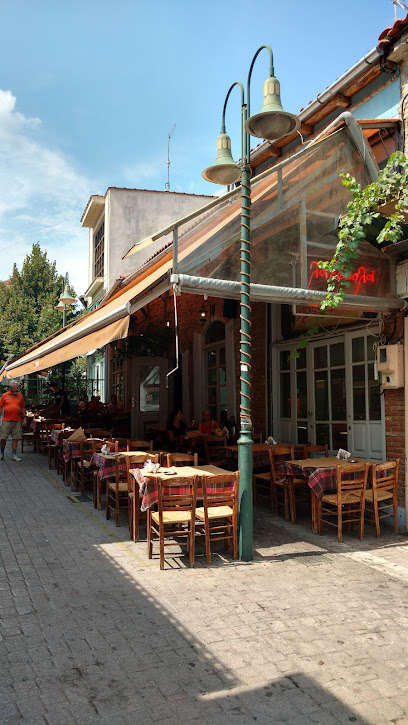
Πράσσειν Άλογα
0.1 km
Experience authentic Greek cuisine at Πράσσειν Άλογα in Larissa - where tradition meets taste in every delightful dish.
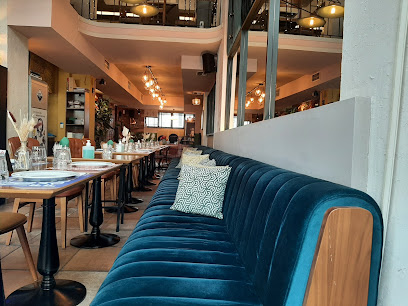
12 ώρες
0.1 km
Discover authentic Greek cuisine at 12 ώρες in Larissa - a culinary gem where tradition meets flavor.
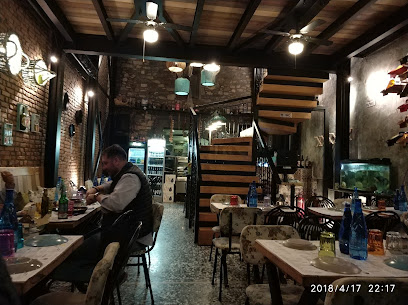
Nonna Rossa
0.1 km
Experience authentic Italian cuisine at Nonna Rossa in Larissa - where every meal feels like a journey through Italy.
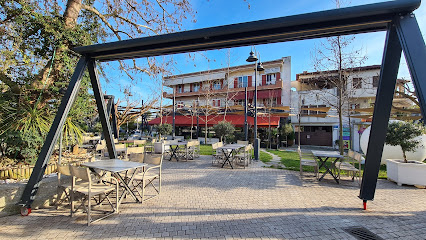
Παραδοσιακό (Φρούριο)
0.1 km
Savor authentic Greek cuisine at Παραδοσιακό (Φρούριο), where traditional flavors meet warm hospitality in the heart of Larissa.
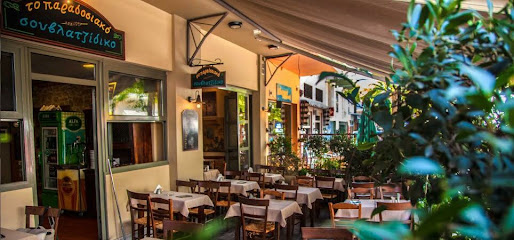
Mpakalógatos
0.1 km
Experience the rich flavors of Greece at Mpakalógatos in Larissa – where every dish tells a story.
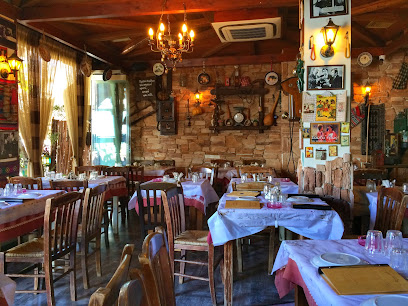
Ladophánaro
0.1 km
Experience authentic Greek cuisine at Ladophánaro in Larissa, where traditional flavors meet modern dining in an inviting atmosphere.
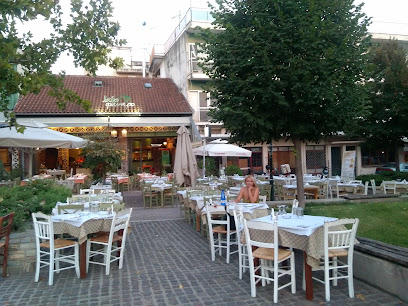
Pier
0.1 km
Experience authentic Greek flavors at Pier Restaurant in Larissa – where every meal is a celebration of Mediterranean cuisine.
Βόσπορος | Restaurant • Bar
0.1 km
Discover Mediterranean culinary excellence at Βόσπορος Restaurant & Bar in Larissa, where delightful flavors meet exceptional wines.
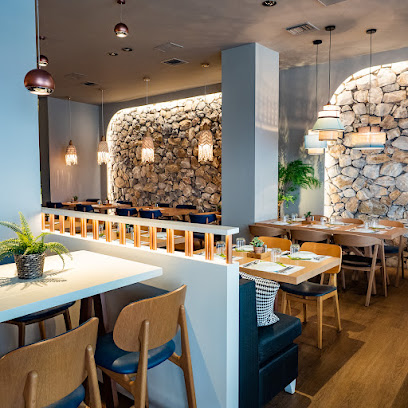
Ακαμάτρα - Akamatra
0.2 km
Experience authentic Greek cuisine at Akamatra in Larissa - where tradition meets modern flair.
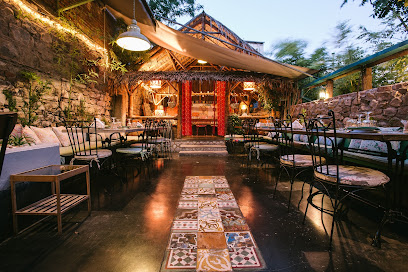
Las Ramblas Coffeebar
0.2 km
Experience authentic Greek brunch delights at Las Ramblas Coffeebar in Larissa - where tradition meets modern café culture.
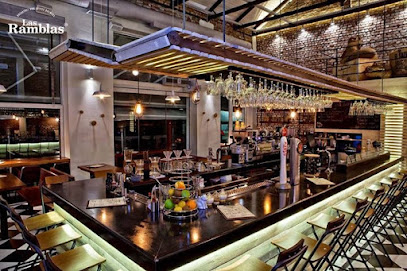
Bukowski Eatery&Drink
0.2 km
Discover innovative flavors at Bukowski Eatery & Drink in Larissa - where modern cuisine meets vibrant atmosphere.
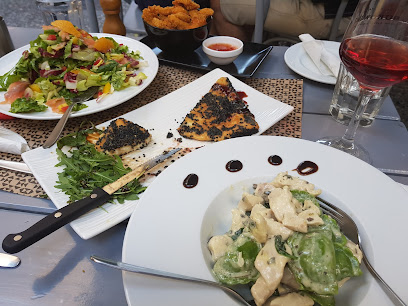
Fortress
0.2 km
Discover unparalleled views and authentic Greek cuisine at Fortress in Larissa—an unmissable dining destination for travelers.
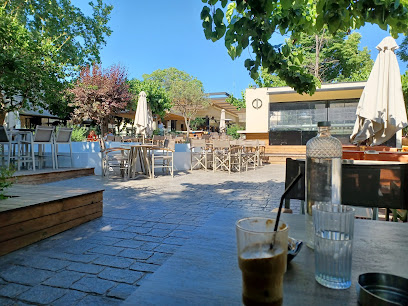
Markets, malls and hidden boutiques

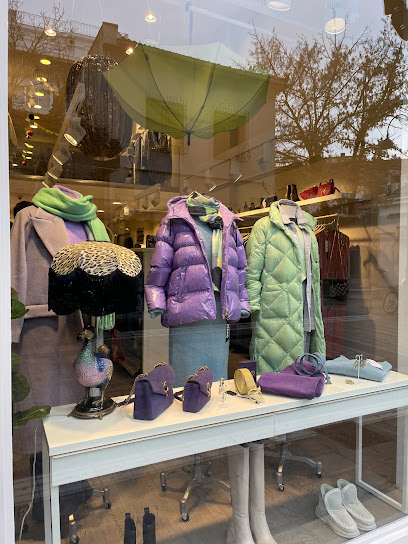
Dalamagka Maria
0.1 km
Discover unique fashion at Dalamagka Maria, a stylish clothing store in Larissa, Greece, where elegance meets local flair.
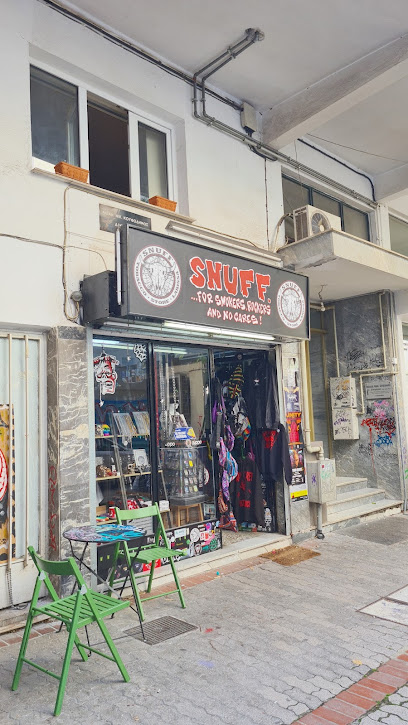
Snuff
0.1 km
Explore Snuff, Larissa's top music store with a treasure trove of instruments and vinyl records, celebrating the vibrant culture of sound and creativity.
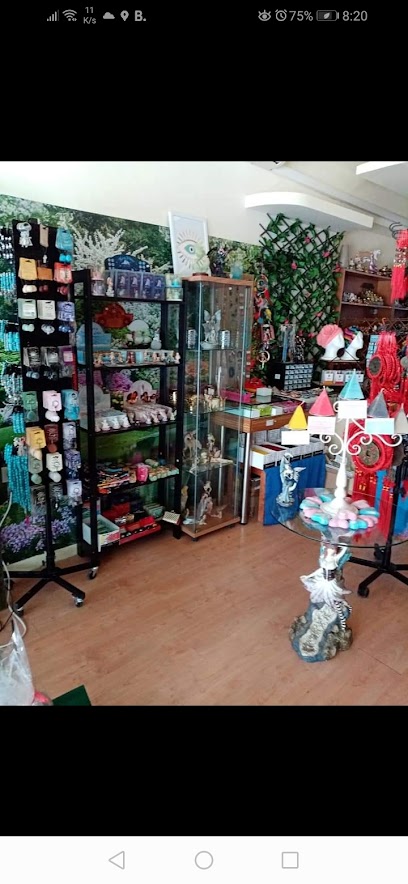
Aniel gift shop
0.2 km
Explore Aniel Gift Shop in Larissa for unique Greek gifts and souvenirs that reflect local craftsmanship and culture.
Kiddo Larisa Multistore
0.2 km
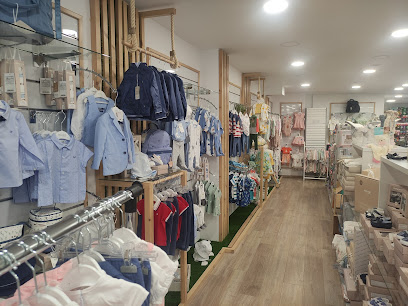
Explore Kiddo Larisa Multistore, your one-stop destination for children's clothing, toys, and furniture in Larissa, Greece.
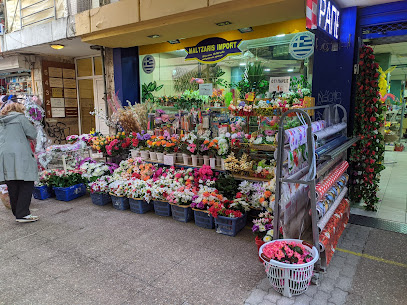
maltzaris import
0.2 km
Explore Maltzaris Import, a unique gift shop and flower market in Larissa, Greece, offering handcrafted souvenirs and fresh floral arrangements.
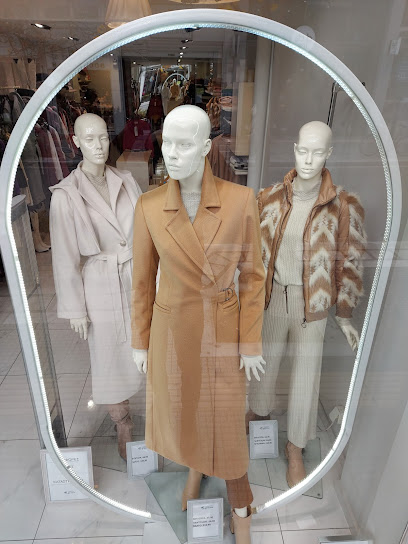
Larissashop.gr
0.3 km
Discover the vibrant shopping experience at Larissashop.gr in Larissa, where local culture meets modern retail in a welcoming atmosphere.

Emporio Grama Larisa
0.3 km
Discover unique fashion at Emporio Grama Larisa, a stylish clothing store in the heart of Greece's vibrant city, Larissa.
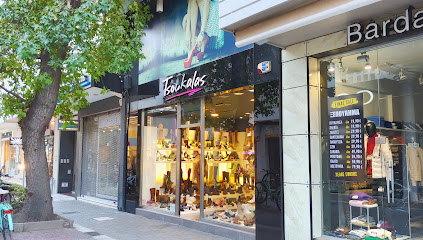
TSOUKALAS Λάρισα
0.3 km
Discover stylish footwear and accessories at TSOUKALAS in Larissa, a fashion haven for travelers seeking quality and trend.
Flying Tiger Copenhagen
0.3 km
Explore the colorful and quirky offerings at Flying Tiger Copenhagen, a must-visit gift shop in Larissa, Greece, perfect for souvenirs and unique finds.
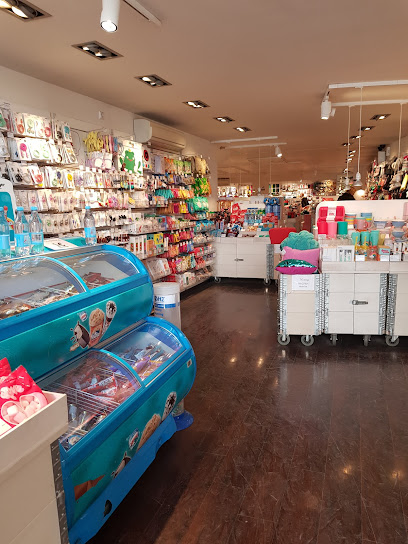
GREEKHOMEDECOR
0.3 km
Discover the beauty of handmade textiles and unique gifts at GreekHomeDecor, a needlework shop in Larissa, Greece.
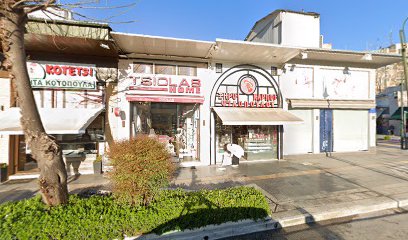
Bershka
0.3 km
Explore the latest styles at Bershka in Larissa, where fashion meets affordability in a vibrant shopping atmosphere.
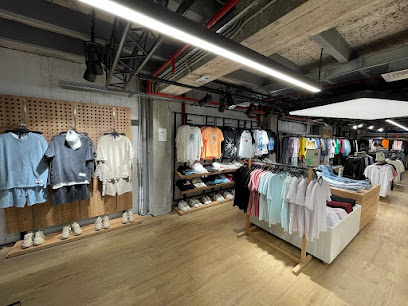
Inside-shops Larissa
0.3 km
Explore the vibrant fashion scene at Inside-shops Larissa, a must-visit clothing store in the heart of Larissa, Greece, offering unique and stylish apparel.
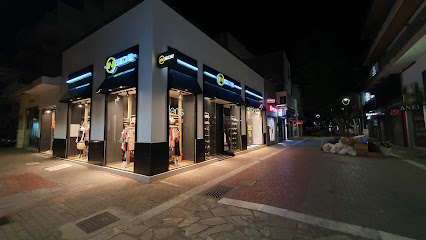
Tsarina Boutique
0.3 km
Explore Tsarina Boutique in Larissa for exclusive dresses, personalized service, and a taste of local fashion trends.
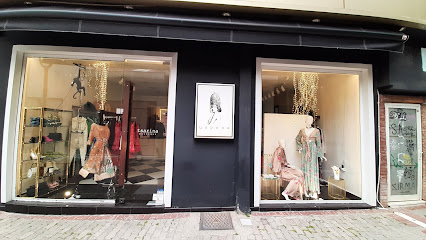
LALOU boutique
0.3 km
Discover LALOU Boutique in Larissa, a women's clothing store offering unique and stylish apparel that reflects local fashion trends.

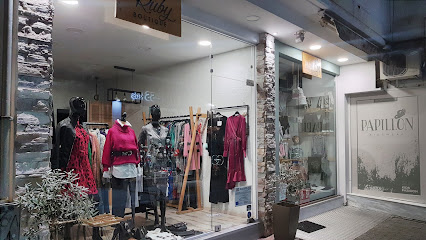
Ruby Boutique Γυναικεια Ρουχα
0.3 km
Explore Ruby Boutique in Larissa for trendy women's clothing and exceptional shopping experience that captures the essence of modern fashion.
Essential bars & hidden hideouts

Klímax
0.1 km
Discover the essence of wine culture at Klímax, a premier wine bar in Larissa, Greece, offering a delightful bistro experience and exquisite flavors.
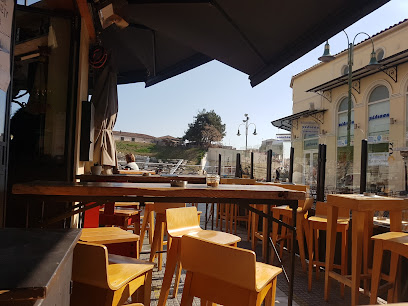
Docbar.Larisa
0.1 km
Experience the vibrant nightlife of Larissa at Docbar, where handcrafted cocktails and a lively atmosphere await you.
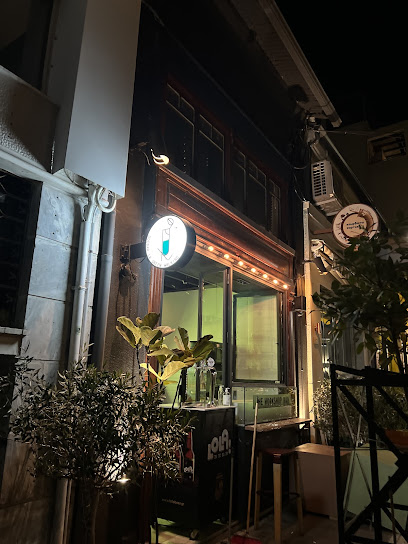
Monk
0.1 km
Discover the lively Monk Café Bar in Larissa, where modern ambiance meets local culture and nightlife, perfect for all travelers.
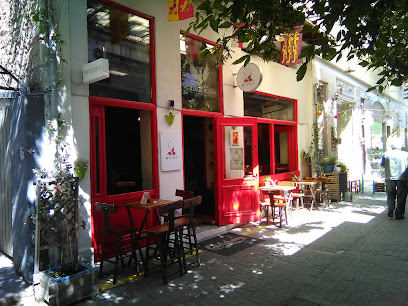
Bar Legend
0.1 km
Experience the vibrant nightlife of Larissa at Bar Legend, where cocktails flow and memories are made in an electric atmosphere.
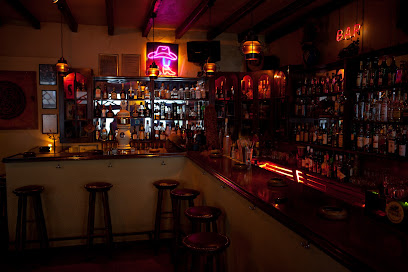
Elephant At the Top of Hill
0.1 km
Discover the vibrant atmosphere and unique drink offerings at Elephant At the Top of Hill, a must-visit bar in Larissa, Greece.
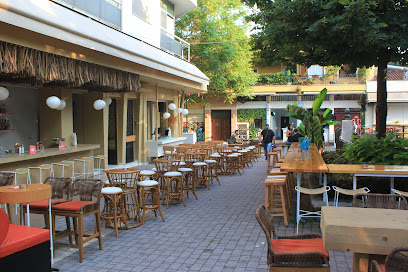
Red button Bar
0.2 km
Red Button Bar in Larissa: Your ultimate rock music destination for vibrant nightlife and unforgettable experiences.
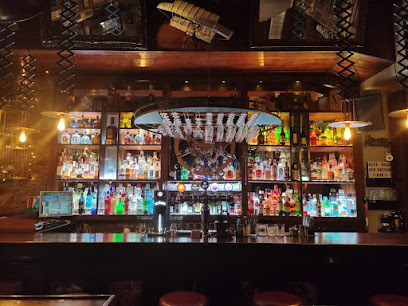
The Drunk Rabbit
0.2 km
Discover The Drunk Rabbit in Larissa, where innovative cocktails meet vibrant atmosphere, perfect for unwinding after a day of exploration.
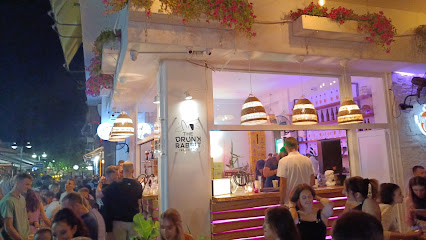
Hippy Chic
0.2 km
Discover Hippy Chic, the vibrant bar in Larissa, Greece, known for creative cocktails, eclectic ambiance, and unforgettable nightlife experiences.
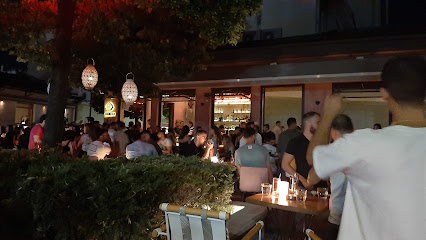
BOHO bar
0.2 km
Discover the lively spirit of Larissa at BOHO Bar, where creative cocktails and vibrant nightlife create unforgettable memories.
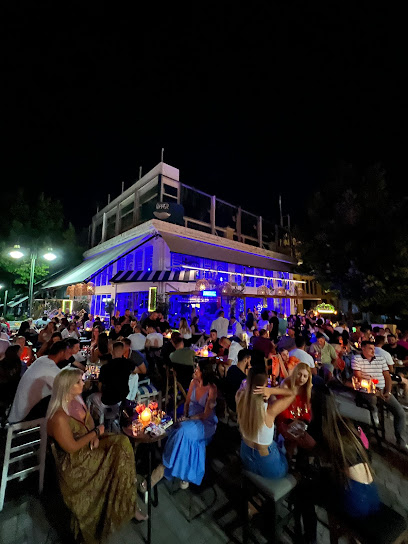
Barley's
0.2 km
Experience the vibrant nightlife of Larissa at Barley's, where creative cocktails and a lively atmosphere await.
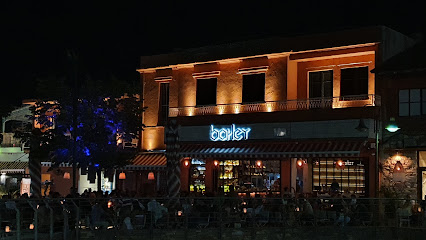
Jordan Air Bar
0.3 km
Discover the lively atmosphere of Jordan Air Bar in Larissa, where unforgettable cocktails and vibrant nightlife await every visitor.
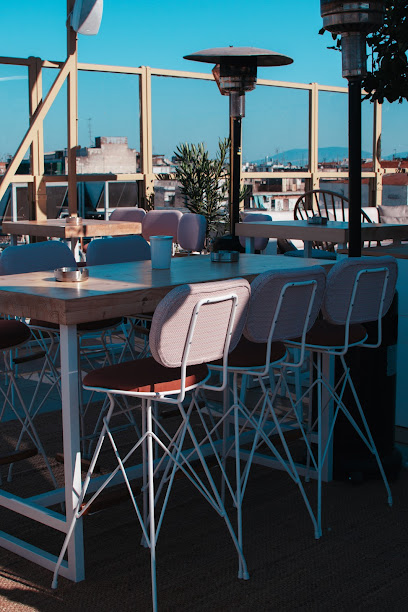
sherlock easy bar
0.4 km
Discover the charm of Sherlock Easy Bar in Larissa, where delightful drinks and a cozy ambiance create the perfect escape for travelers.
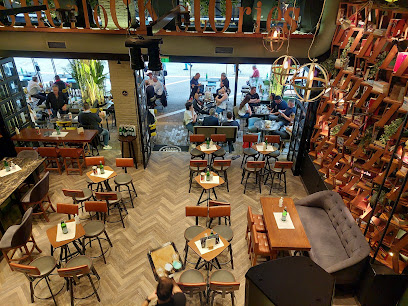
Le Coq
0.4 km
Discover Le Coq, a cozy bar in Larissa, where local culture meets vibrant ambiance and refreshing drinks await.
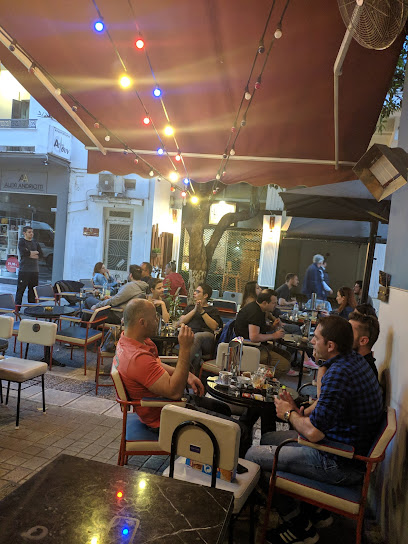
Black Rose Rock Bar
0.4 km
Discover Black Rose Rock Bar in Larissa – a lively spot for affordable drinks, vibrant atmosphere, and unforgettable live music in Greece.
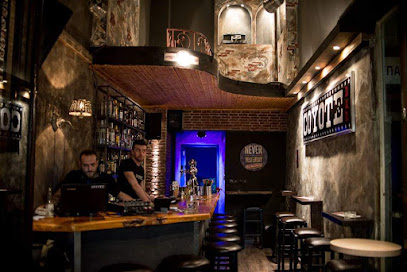
COYOTE DIVE BAR
0.5 km
Dive into the vibrant nightlife at Coyote Dive Bar in Larissa, where cocktails, music, and good vibes await every visitor.
Nightclubs & after hour spots

Οθωμανικά Λουτρά (Χαμάμ)
0.1 km
Experience the tranquility of the Ottoman Baths in Larissa, where history meets relaxation in a stunning cultural setting.
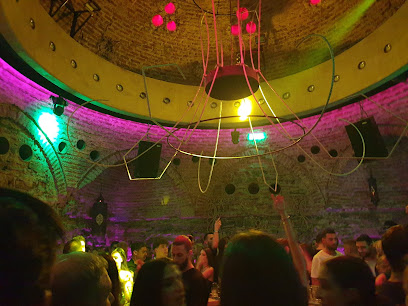
Elit Nightvision
0.2 km
Discover the electrifying nightlife at Elit Nightvision, Larissa's premier dance club, where vibrant music and unforgettable moments await you.

G AFTER CLUB
0.2 km
Experience the vibrant nightlife of Larissa at G AFTER CLUB, where dancing and music create unforgettable memories.
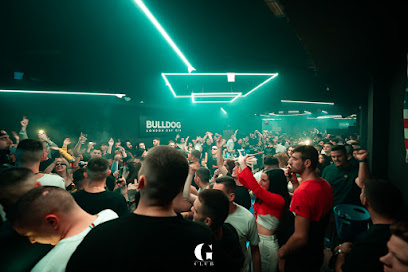
The Jackson's Luxury
0.2 km
Discover the vibrant nightlife of Larissa at The Jackson's Luxury, where unforgettable nights filled with music and dancing await.
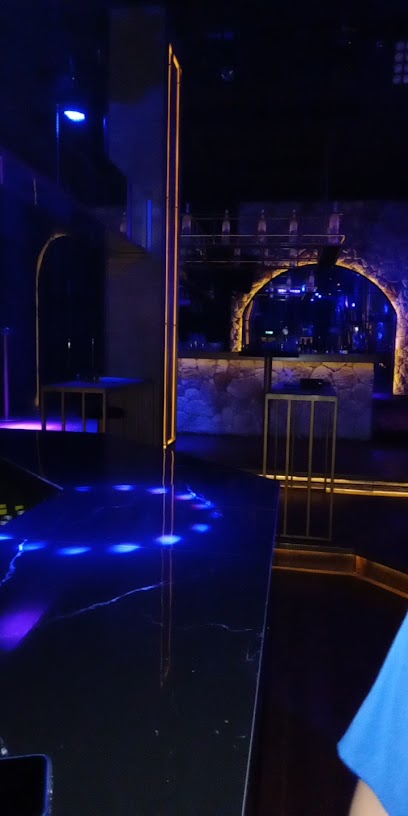
People
0.2 km
Experience the vibrant nightlife at People Night Club in Larissa, where music, dancing, and unforgettable moments come together.
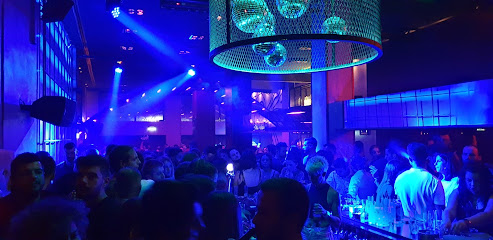
Circus Entertainment Hub
0.3 km
Discover the electrifying nightlife at Circus Entertainment Hub in Larissa, where thrilling performances and vibrant music unite for an unforgettable experience.
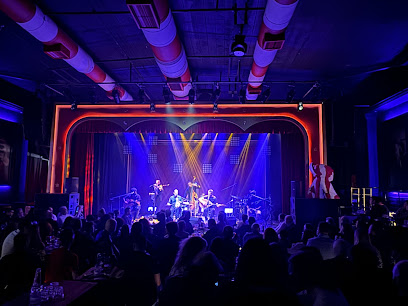
bubbles club larisa
0.4 km
Discover the vibrant nightlife of Larissa at Bubbles Club, where great music and energetic atmosphere create unforgettable memories.
Skyland live music venue
1.3 km
Discover the lively energy of Skyland Live Music Venue, Larissa's premier night club for unforgettable live music experiences.

Starz
2.8 km
Experience the electrifying nightlife at Starz Night Club in Larissa, where great music and a vibrant atmosphere await your arrival.

Χίλια Χείλια The original concept
6.0 km
Immerse yourself in the vibrant nightlife of Kileler at Χίλια Χείλια, where electrifying music and unforgettable experiences await.

Popeye
6.2 km
Experience the vibrant nightlife of Kileler at Popeye, Greece's premier disco club, where the dance floor comes alive with electrifying beats.
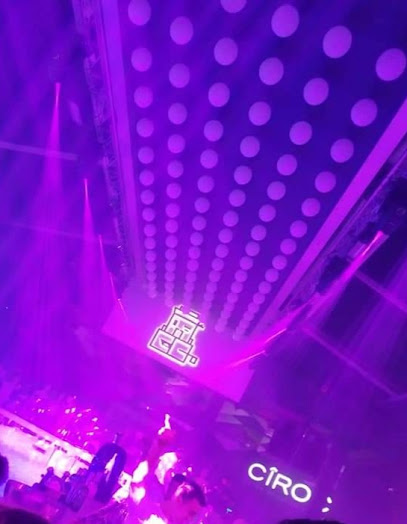
Blaze night club
35.3 km
Dive into Elassona's nightlife at Blaze Night Club, where electrifying music meets an unforgettable party atmosphere.

cozy club
41.0 km
Experience the vibrant nightlife of Olymbiada at Cozy Club, where electrifying music and a lively atmosphere create unforgettable nights.
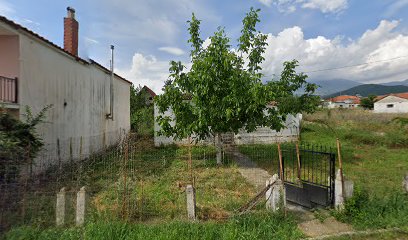
Kàstra Summer
44.0 km
Discover Kàstra Summer, a lively night club in Panteleimonas Pierias, where unforgettable nights filled with music and dancing await.
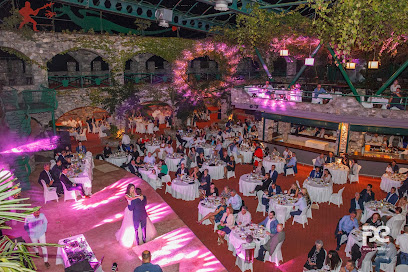
Suita Fine Clubing
53.5 km
Discover the vibrant nightlife of Volos at Suita Fine Clubing, where music, dance, and great company come together for an unforgettable experience.