Japanese Caves, Hagatna Travel Guide
Explore the historic Japanese Caves in Hagåtña, Guam, offering a glimpse into the island's World War II past and the resilience of its people.
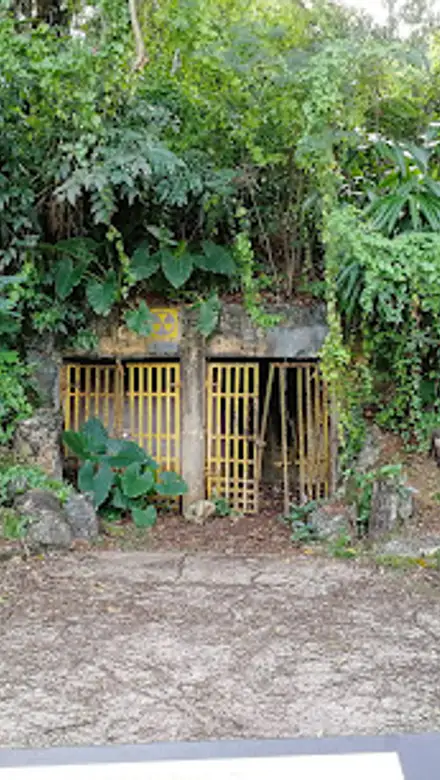
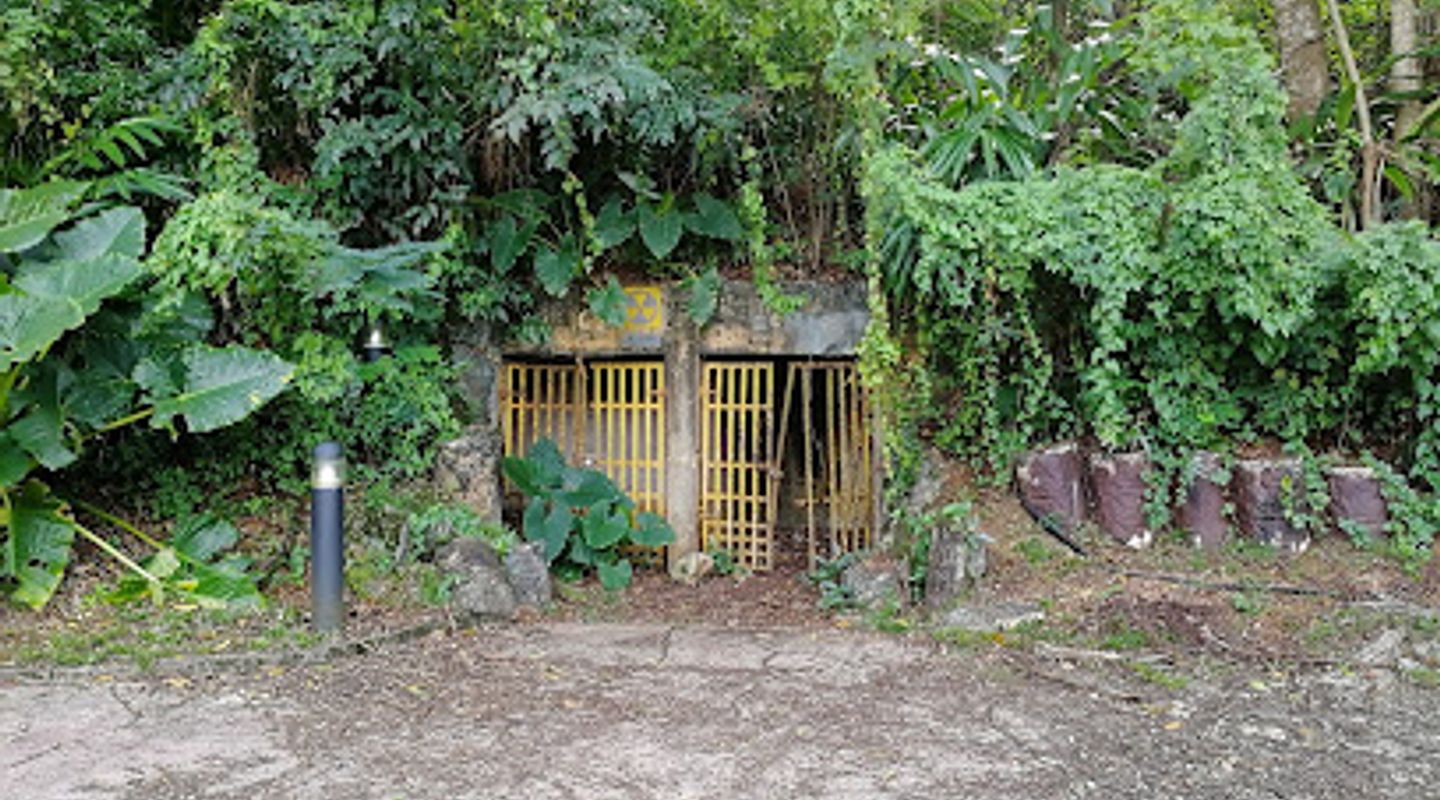
The Japanese Caves in Hagåtña, Guam, are a historical landmark offering a glimpse into the island's WWII past. These man-made caves served as shelters and storage areas for Japanese forces, now open for exploration.
A brief summary to Japanese Caves
- FQC2+XHG, Hagåtña, GU

Know before you go
Hi, I'm Eve. Here are a few practical things to know before exploring Japanese Caves.
- Wear sturdy footwear with good grip, as the terrain inside the caves can be slippery.
- Bring a flashlight or use your phone's light to illuminate dark areas within the caves.
- Respect the historical significance of the site by refraining from touching or removing any artifacts.
Do you manage this location?
Take control to get all the benefits, like improved information, better appearance, and stronger visibility across AI-powered discovery. Learn more about listing your business on Evendo
Activate your presenceOther nearby places you may find interesting
The closest places of the same kind, if this one is not quite what you had in mind.

Explore Japanese Caves on the Map
A handpicked selection of must-see spots near Japanese Caves, mapped for you.
Getting There
-
Walking
The Japanese Caves are located at FQC2+XHG, Hagåtña. From the Plaza de España, walk east towards the Guam Law Library. The caves are located across the street from the library, tunneled into the cliffside. The entrances are a short walk from the main road.
-
Public Transport
From the Hagåtña Pool Terminal, the Japanese Caves are a 15-minute walk. Head east towards the Guam Law Library; the caves are across the street from the library. Bus fares are around $2-$5.
-
Taxi
Taxis are available throughout Hagåtña. Ask to be taken to the Japanese Caves across from the Guam Law Library. Taxi fares vary, with initial rates around $4.00 for the first mile and $0.80 for each quarter mile thereafter. A short trip within Hagåtña should cost approximately $10-$15.
Discover more about Japanese Caves













Your all‑in‑one travel companion app
Explore expert travel guides, compare and book tours, experiences, hotels, and more—all from the palm of your hand. Download now for seamless trip planning wherever your wanderlust takes you.


Explore More of Hagatna
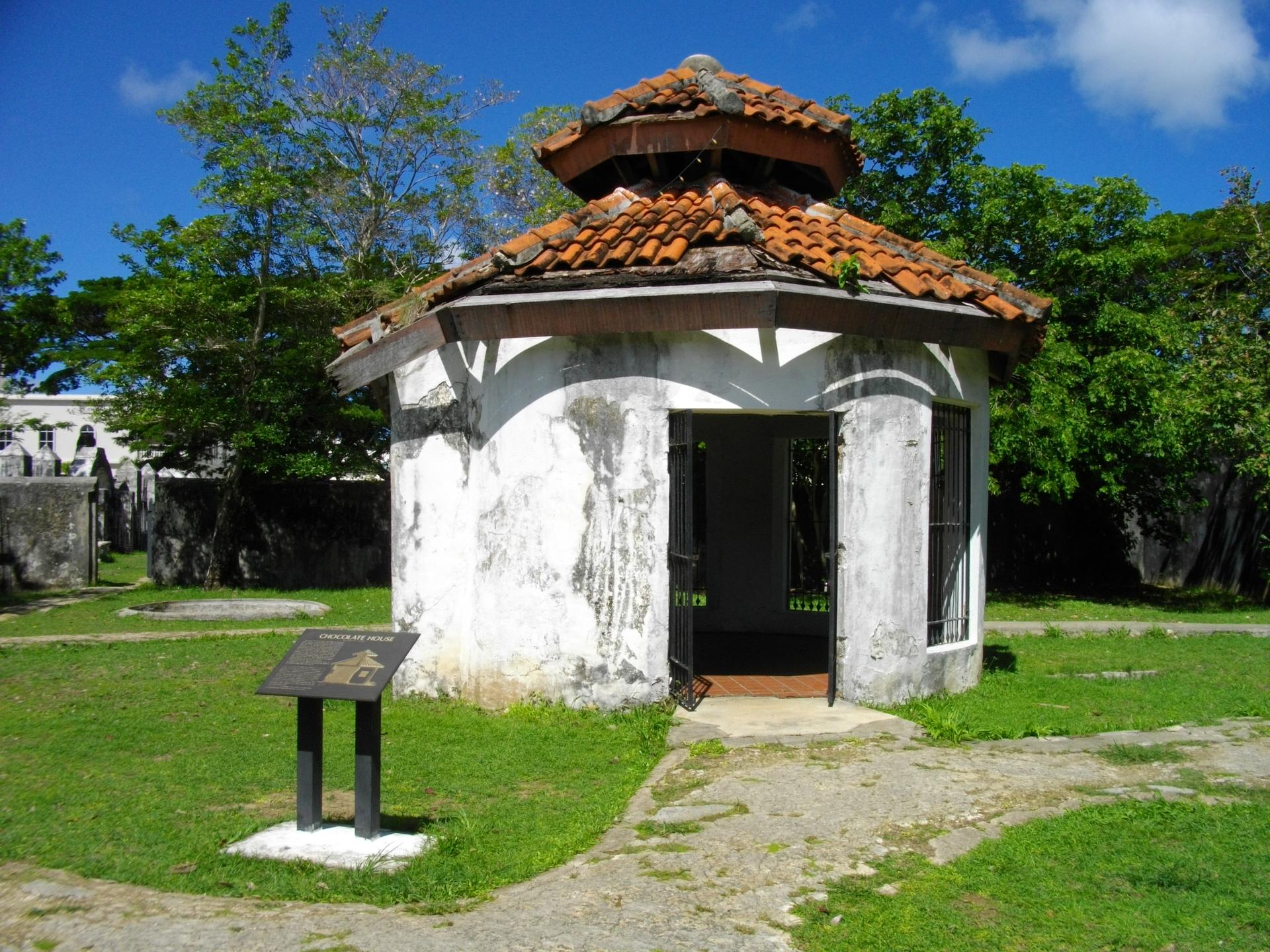
Looking beyond Japanese Caves? Discover Hagatna for broader travel guides, local hot-spots, and regional highlights.
Explore Hagatna
Your reliable print shop in Guam's capital, offering quality services for all your printing needs, from documents to personalized souvenirs.
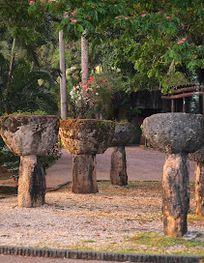
Explore the Senator Angel Leon Guerrero Santos Latte Stone Memorial Park – a serene blend of history and nature in the heart of Guam.